Plot Explained Spoilers guaranteed!
Plot Explained

Browse by genre

The Haunting (1963) movie poster

Timeline

The Haunting (1963) Timeline Explained – Every Event in Order

Release, runtime and language
1963 · 112 min · English
Loading streaming availability…
Directed by
Robert Wise
Starring
Claire Bloom, Lois Maxwell, Fay Compton, Julie Harris, Russ Tamblyn, Diane Clare

Following her mother's death, Alexis returns to Hill House, a sprawling estate filled with unsettling history. As she settles in, long-buried family secrets begin to surface, stirring a sinister presence that threatens her and those around her. A descent into psychological terror unfolds, challenging her perception of reality and exposing a terrifying darkness within the house and herself.

On this page (7)
  1. 1 Where to watch
  2. 2 Events in order (15)
  3. 3 Timeline questions answered
  4. 4 The book behind the movie
  5. 5 Movie threads
  6. 6 Movies like The Haunting
  7. 7 Every angle
Loading streaming availability…

15 events in order · contains spoilers

The Haunting Timeline: Events in Chronological Order

Every key event of The Haunting (1963) in order, scene by scene, with when and where it takes place. Use it to untangle flashbacks, time jumps and parallel storylines, to refresh your memory before the sequel or to find the exact scene you are thinking of.

  1. Introduction to Hill House

    The film begins with Dr. John Markway narrating about Hill House, describing it as an 'evil old house' rich with a history of scandal, murder, insanity, and suicide. He hints at the supernatural secrets waiting to be uncovered, setting a foreboding tone for the story to unfold.

    Where
    Hill House
  2. The Tragic History of Hill House

    The backstory of Hill House is revealed through narration. Built by Hugh Crain for his family, the house became a site of tragedy after his first wife died in a carriage accident. Following this, Hugh's second wife also met a tragic fate, fueling the house's haunted reputation.

    Where
    New England
  3. Abigail Crain's Lonely Life

    Abigail, the daughter of Hugh Crain, is left to grow up in the same nursery room all her life after her father leaves for England and eventually dies in a drowning accident. Abigail becomes a bedridden invalid by age eighty, leading a lonely life overshadowed by the house's dark past.

    Where
    Hill House
  4. The Companion's Fate

    Abigail's nurse-companion inherits Hill House after her death, only to end her life by hanging herself years later. This event adds to the tragic lineage of the house, contributing to its haunted legacy.

    Where
    Hill House
  5. Dr. Markway's Research Proposal

    Dr. John Markway visits Mrs. Sannerson, the current owner of Hill House, to propose his research on the supernatural. Despite concerns about publicity seekers, he is granted permission to investigate the house with his carefully chosen assistants.

    Where
    Mrs. Sannerson's Office
  6. Introduction of Eleanor Lance

    Eleanor Lance, a troubled woman who has just lost her invalid mother, expresses her desire for independence as she prepares to leave her sister’s home. This marks the beginning of her journey to Hill House, which she sees as an escape.

    Where
    Boston
  7. Arrival at Hill House

    Eleanor arrives at Hill House, greeted by the unwelcoming caretaker, Mr. Dudley. Her initial impression of the house is unsettling, describing it as a 'vile' structure that seems to be staring at her.

    Where
    Hill House
  8. Meeting Theodora

    Eleanor meets Theodora, her fellow research assistant, as they bond over shared bathroom arrangements. They quickly find themselves drawn to each other, with hints of a flirtation emerging between them.

    Where
    Hill House
  9. Mysterious Noises

    The first night in Hill House, Eleanor and Theodora hear loud and eerie noises coming from the walls. They experience a terrifying moment when they believe they hear a woman screaming, leading to an unsettling atmosphere among the group.

    Where
    Hill House
  10. Discovery of Mysterious Messages

    Eleanor discovers a chilling message written on the wall in chalk, stating 'Help Eleanor Come Home.' This event incites paranoia and suspicion, as Eleanor begins to feel an odd connection to the house and its history.

    Where
    Hill House
  11. Grace Markway's Arrival

    John's wife, Grace Markway, arrives unexpectedly at Hill House, in search of her husband and wanting to join the ghost hunt. Her arrival adds tension to the already strained dynamics among the house’s occupants.

    Where
    Hill House
  12. The Night of Terror

    That night, the group is awakened by terrifying banging sounds, leading to chaos. This moment reveals the supernatural forces at play within the house, and Eleanor feels compelled to find out what is happening.

    Where
    Hill House
  13. Eleanor’s Fatal Decision

    Distracted by the sight of Grace Markway, Eleanor gets into a car accident, crashing into the very tree that killed the first Mrs. Crain. This tragic event demonstrates the house's chilling control over its inhabitants.

    Where
    Hill House
  14. The Aftermath of Eleanor's Death

    The group is left devastated after discovering Eleanor dead in the car. Grace Markway tries to defend her actions during the events leading up to the accident, creating further conflict among the remaining group members.

    Where
    Hill House
  15. Epilogue: Ghostly Reflections

    The film concludes with the haunting narration from Eleanor's spirit, emphasizing the isolation of those who haunt Hill House. Her final words encapsulate the tragic history of the house and the despair that encircles it.

    Where
    Hill House

Last updated: January 19, 2025 at 18:49

Was this helpful?

Timeline questions answered

The Haunting Timeline Explained: Your Questions Answered

When does it happen, and why in that order? The questions people ask about the chronology of The Haunting (1963): time jumps, flashbacks, cause and effect between scenes and the correct order of events, each answered with spoilers.

Q1

Why did Eleanor come to Hill House?

Eleanor came to Hill House because she had just lost her ailing mother after years of caregiving and had no desire to return to her sister's home. She saw the invitation to join Dr. Markway's research team as an escape from her lonely existence and a chance for independence.

Foreshadowing: Earlier in the film, Eleanor admits she has no life of her own and feels trapped by her circumstances.

  • eleanor lance
  • hill house
  • dr markway
  • research team
  • escape
Q2

What happened to the first and second Mrs. Crain?

The first Mrs. Crain died in a carriage accident before the house was even completed, never seeing Hill House. Hugh Crain's second wife died after falling down the main staircase. These tragedies established the house's dark reputation.

Foreshadowing: The narration details these deaths as part of Hill House's history of scandal and tragedy.

  • hugh crain
  • first mrs crain
  • second mrs crain
  • staircase
  • carriage accident
Q3

What does the message "Help Eleanor Come Home" mean?

The chalk message appearing on the walls is ambiguous but suggests the house is attempting to draw Eleanor into its supernatural fold. It creates paranoia among the group and fuels Eleanor's growing connection to the house's spiritual presence.

Foreshadowing: Eleanor previously describes the house as 'alive' and begins hearing voices and laughter calling to her.

  • chalk message
  • wall writing
  • supernatural
  • eleanor
  • haunting
Q4

How did Eleanor die at the end?

Eleanor died in a car accident while attempting to flee the house during the night of terror. Distracted by the chaos and the sight of Grace Markway, she crashed into the same tree that killed the first Mrs. Crain decades earlier.

Foreshadowing: This death mirrors the original tragedy and fulfills the house's pattern of claiming lives.

  • eleanor death
  • car accident
  • tree
  • first mrs crain
  • fatal accident
Q5

Why does Grace Markway arrive at Hill House?

Grace Markway, Dr. Markway's wife, arrives unexpectedly at Hill House searching for her husband. She wants to join what she calls the 'ghost hunt,' though her arrival creates tension and complicates the dynamics among the researchers.

Foreshadowing: Earlier dinner conversations reveal tensions in the Markway marriage and Eleanor's unusual connection to John.

  • grace markway
  • john markway
  • wife arrival
  • ghost hunt
Q6

Why is Hill House described as alive?

Eleanor perceives the house as 'alive' because she senses it has a consciousness and malicious intent. Dr. Markway confirms the house has architectural oddities, doors that close on their own and corridors that bend reality, suggesting the house itself manipulates its inhabitants.

Foreshadowing: Markway reveals the house's architectural strangeness during a tour, hinting at its unnatural properties.

  • hill house alive
  • architecture
  • supernatural
  • manipulation
  • eleanor
Q7

Why does Hill House seem to target Eleanor specifically?

The house appears to target Eleanor because she is psychologically vulnerable and emotionally isolated after her mother's death. Her childhood poltergeist incident suggests a prior sensitivity to supernatural phenomena, making her susceptible to the house's influence.

Foreshadowing: Dr. Markway discusses Eleanor's childhood experience with a ghost during dinner, indicating she is unusually attuned to the supernatural.

  • eleanor vulnerability
  • supernatural sensitivity
  • poltergeist
  • childhood
  • house target
Q8

What happened to Abigail Crain?

Abigail Crain, the daughter of Hugh Crain, was abandoned by her father after her stepmother died. She was left to grow up alone in the nursery room, becoming a bedridden invalid by age eighty. She died in the house, and her nurse-companion inherited the property before hanging herself.

Foreshadowing: The narration describes Abigail's tragic life of isolation within the same walls.

  • abigail crain
  • nurse companion
  • inheritance
  • isolation
  • nursery room
Q9

Is the haunting psychological or supernatural?

The film deliberately blurs the line between psychological and supernatural horror. Eleanor's mental state deteriorates as she spends time in the house, yet genuine supernatural events occur, messages appear on walls, noises echo through empty corridors. The house may be exploiting Eleanor's fragile mind while also possessing real malevolent power.

Foreshadowing: Markway notes the house has a 'desire to manipulate and control' its inhabitants.

  • psychological horror
  • supernatural
  • reality
  • perception
  • manipulation
Q10

What does the ending narration mean?

The final narration, delivered by Eleanor's spirit, emphasizes that 'we who walk here walk alone.' This reflects the film's central theme of isolation, both the living researchers and the trapped spirits of Hill House are fundamentally alone, bound to the house's tragic legacy.

Foreshadowing: The opening narration establishes this theme of solitary haunting: 'Whatever walked there walked alone.'

  • ending
  • narration
  • isolation
  • eleanor ghost
  • theme

Movie threads

More Movies Like The Haunting, by Mood & Story

Curated lists built around what makes The Haunting tick: the same mood, the same kind of story or the same emotional payoff. Each list explains why these movies belong together.

Gothic psychological descent movies like The Haunting

Eerie settings and fragile psyches intertwine, leading to tragic conclusions. Explore movies like The Haunting where a character's fragile psyche becomes intertwined with an oppressive, atmospheric setting, leading to a tragic psychological unraveling. These stories masterfully blend gothic atmosphere with deep-seated psychological terror, focusing on themes of inherited trauma and the inescapable past.

  • gothic
  • atmospheric
  • oppressive
  • melancholic
  • uncanny
  • psychological
  • Tone: tense, bleak, melancholic
  • Pacing: slow, deliberate, atmospheric
Why these movies?

The story pattern: These narratives focus on a vulnerable protagonist, often isolated within a foreboding location like a mansion or remote estate. The story unfolds as the environment's dark history and unsettling presence amplify the character's own anxieties and trauma, blurring the line between external haunting and internal breakdown. The arc is typically a downward spiral, ending in tragedy or bleak resignation.

Why they belong together: These films are grouped by their shared core: the symbiotic relationship between a psychologically fragile individual and an oppressive, sentient-seeming environment. They prioritize atmospheric dread over jump scares, use slow pacing to build unease, and deliver emotionally heavy, often bleak conclusions that underscore the themes of madness and inherited doom.
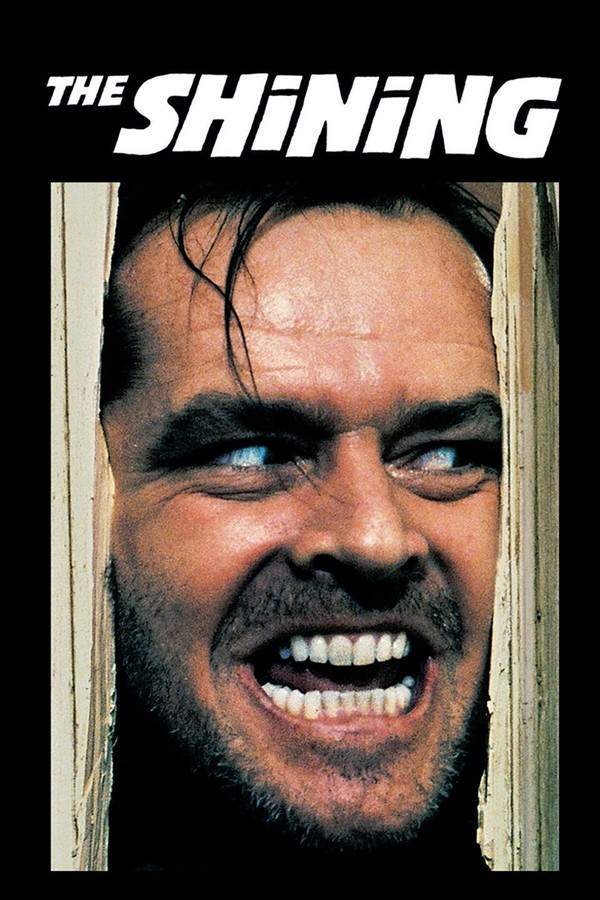
Slow burn atmospheric dread movies like The Haunting

Where tension simmers quietly, letting unease and terror soak in slowly. Find more movies like The Haunting that expertly build psychological terror through slow pacing and oppressive atmosphere. If you liked the masterful tension and dread in The Haunting, these films use a similar approach, focusing on mood and anticipation to create a deeply unsettling experience.

  • slow burn
  • atmospheric
  • uneasy
  • anxious
  • oppressive
  • dread
  • Tone: tense, anxious, oppressive
  • Pacing: slow burn, deliberate, meticulous
Why these movies?

The story pattern: The narrative pattern involves a gradual introduction to an unsettling situation or location. The plot unfolds patiently, focusing on small, uncanny details and the characters' subtle reactions to build a foundation of dread. The horror emerges from the atmosphere itself—the silence, the shadows, the history of a place—culminating in a release of tension that feels earned and devastating.

Why they belong together: These movies are united by their commitment to a specific pacing and mood. They share a 'slow burn' approach that prioritizes psychological tension and atmospheric immersion over plot speed or action. This creates a specific, cohesive viewing experience for audiences who find sustained unease more terrifying than quick frights.

If you liked this

Movies Like The Haunting

Similar movies to The Haunting: the same genre, themes or kind of story. Each one comes with its own plot summary, timeline and ending explained.

Browse all movie summaries

Every angle

The Haunting (1963) Explained: Plot, Timeline & Characters

Everything about The Haunting in one place: what happens in the plot summary, the timeline in chronological order, the characters and meaning and a spoiler-free summary. What's After the Movie adds the cast, box office and post-credit scenes.

Coming soon on iOS and Android

The Plot Explained Movie Summary App

Plot summaries, endings explained and timelines on your phone. Catch up on any movie in minutes, save your favorites and never miss a twist again.

Be the first to know when we launch. Your email stays private, always.

Learn more about the app