Plot Explained Spoilers guaranteed!
Plot Explained

Browse by genre

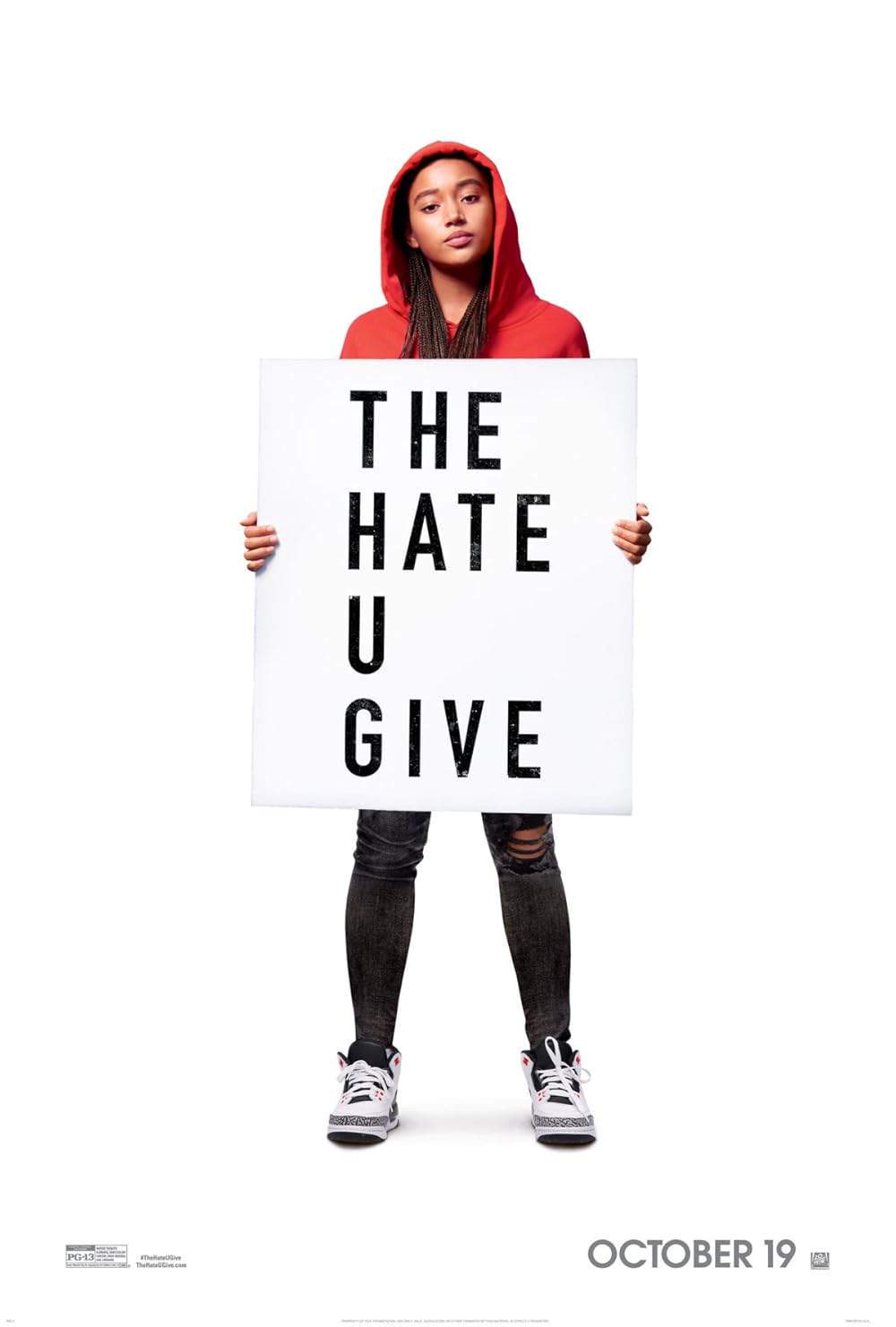
The Hate U Give (2018) movie poster

Timeline

The Hate U Give (2018) Timeline Explained – Every Event in Order

Release, runtime and language
2018 · 133 min
Echo score 79
Loading streaming availability…
Directed by
George Tillman Jr
Starring
Amandla Stenberg, Dominique Fishback, Anthony Mackie, Common, Issa Rae, Regina Hall
Budget
$23M

A teenager named Starr witnesses the fatal shooting of her childhood friend, Khalil, by a police officer. Navigating the complexities of her life between her poor neighborhood and her predominantly white prep school, she finds herself torn between two vastly different worlds. Starr must ultimately find her voice and stand up for what’s right, facing pressure from her community, family, and the legal system as she seeks justice and confronts the harsh realities of systemic inequality.

On this page (7)
  1. 1 Where to watch
  2. 2 Events in order (15)
  3. 3 Timeline questions answered
  4. 4 The book behind the movie
  5. 5 Movie threads
  6. 6 Movies like The Hate U Give
  7. 7 Every angle
Loading streaming availability…

15 events in order · contains spoilers

The Hate U Give Timeline: Events in Chronological Order

Every key event of The Hate U Give (2018) in order, scene by scene, with when and where it takes place. Use it to untangle flashbacks, time jumps and parallel storylines, to refresh your memory before the sequel or to find the exact scene you are thinking of.

  1. Family Gathering and Instructions

    The film begins with the Carter family gathered around the kitchen table. Patriarch Maverick Carter imparts critical instructions to his three children about how to navigate interactions with police, emphasizing the importance of their identities as Black children amidst societal challenges.

    Where
    Carter family home
  2. Introduction of Starr and Family Dynamics

    Fast forward to the early 2010s, we meet Starr Carter, who lives with her father Maverick, mother Lisa, older brother Seven, and younger brother Sekani. The family has endured past gang associations but now seeks a better life while navigating the struggles in their predominantly Black neighborhood of Garden Heights.

    When
    Early 2010s
    Where
    Garden Heights
  3. Starr's Life at Williamson

    Starr attends Williamson, a prestigious school in a predominantly white area, where she grapples with her identity. She feels pressured to conform to her environment while simultaneously trying to maintain her authenticity, creating tension in her personal relationships.

    Where
    Williamson School
  4. Relationship Struggles with Chris

    Starr finds herself in a relationship with Chris, who makes an unwelcome advance that leaves her feeling uncomfortable and confused. This moment illustrates the challenges Starr faces in balancing her identity while navigating interracial dynamics among her peers.

  5. Reunion with Khalil at the Party

    At a party in Garden Heights, Starr attempts to avoid a confrontation involving her friend Kenya but unexpectedly reconnects with childhood friend Khalil. They share a nostalgic moment that culminates in a kiss, reigniting their bond just before tragedy strikes.

    Where
    Garden Heights
  6. Tragic Encounter with Officer Mackintosh

    After reconnecting with Khalil, the two are pulled over by Officer Mackintosh during a routine stop. The situation rapidly escalates when Khalil reaches for a hairbrush, leading to Officer Mackintosh shooting him, leaving Starr handcuffed and helpless as she witnesses her friend's death.

  7. Aftermath of Khalil's Death

    In the wake of Khalil's murder, Starr struggles with shock and trauma, while police detectives focus on Khalil's alleged drug involvement rather than the shooting. Uncle Carlos arrives to support Starr and her mother, but the experience has filled Starr with fear and guilt, leaving her unable to speak about what she witnessed.

  8. Khalil's Wake

    At Khalil's wake, Starr comforts his grandmother Miss Rosalie, who shares her struggles with Khalil's involvement in gang activities. This encounter deepens Starr's feelings of grief and complicates her understanding of Khalil's life and death.

  9. Starr's Opportunity to Speak Out

    Lawyer April Ofrah reaches out to Starr, encouraging her to share her story publicly in hopes of seeking justice for Khalil. This pivotal moment challenges Starr's fear and self-doubt, forcing her to confront her traumatic experiences and consider the impact her voice can have.

  10. Confrontation with King

    During a family dinner, Maverick and the children are confronted by King, the gang leader, who serves as a sinister reminder of the violence they want to escape. This confrontation escalates tensions as Starr becomes increasingly alienated from her peers, culminating in feelings of distrust and isolation.

  11. Prom Night Tensions

    Prom night brings unresolved tensions to a head, resulting in a confrontation with Chris that exposes the deeper prejudices and misunderstandings surrounding their relationship. As violence erupts, Maverick takes action to shield his family from harm, showcasing the lengths parents go to protect their children.

  12. Starr Testifies

    Culminating her journey of courage, Starr testifies against Officer Mackintosh, articulating the importance of Khalil's life and the details of what she witnessed. This moment serves as a powerful statement against systemic oppression and the need for justice.

    Where
    Courtroom
  13. Community Support and Protests

    Emboldened by the support of her community, Starr joins protests against the systemic violence faced by Black individuals. Her declaration, 'I was the witness,' resonates powerfully with the crowd and signifies a turning point in her resolve to stand against injustice.

    Where
    Protest site
  14. King's Arrest

    As the protests gain momentum, King's arrest signals a shift in the fight for justice and accountability. This moment is pivotal not only for Starr but also for her community as they unite against the injustices they've faced.

  15. Finding Peace

    In the aftermath of Khalil's death and the ensuing events, Starr begins to find solace within her community. She reflects on cherished memories and resolves to honor Khalil's legacy while advocating for change among others who share similar struggles.

    Where
    Garden Heights

Last updated: November 02, 2024 at 12:17

Was this helpful?

Timeline questions answered

The Hate U Give Timeline Explained: Your Questions Answered

When does it happen, and why in that order? The questions people ask about the chronology of The Hate U Give (2018): time jumps, flashbacks, cause and effect between scenes and the correct order of events, each answered with spoilers.

Q1

Why does Starr feel like she has to act differently at Williamson?

Starr feels pressure to tone down her Black identity at her predominantly white prep school to fit in, while maintaining her authentic self in her Black neighborhood of Garden Heights. This creates an internal conflict where she feels she can't fully be herself in either world, leading to questions about where she truly belongs.

Foreshadowing: Earlier, Maverick teaches his children to embrace their Black identity, setting up Starr's internal struggle between her two worlds.

  • Starr Carter
  • Williamson school
  • identity
  • dual life
  • Garden Heights
Q2

Why does Officer Mackintosh shoot Khalil?

During a traffic stop, Khalil reaches for what appears to be a hairbrush, but Officer Mackintosh perceives it as a weapon and opens fire, fatally shooting him. Starr is handcuffed and helpless as she witnesses the shooting, unable to intervene.

Foreshadowing: Maverick's earlier lesson about police encounters emphasizes the importance of keeping hands visible, highlighting the fatal misunderstanding that occurs.

  • Khalil
  • Officer Mackintosh
  • police shooting
  • traffic stop
  • hairbrush
Q3

Why do police detectives focus on Khalil's drug involvement instead of the shooting?

After Khalil's death, detectives attempt to justify the shooting by investigating Khalil's alleged drug involvement rather than examining Officer Mackintosh's actions. This reflects the systemic bias that seeks to blame victims rather than hold officers accountable.

Foreshadowing: At Khalil's wake, his grandmother reveals he had been involved with King and the King Lords gang, providing context for why police attempt to smear his character.

  • Khalil
  • police investigation
  • drug involvement
  • systemic bias
  • Officer Mackintosh
Q4

Why is Starr afraid to come forward as a witness?

Starr is paralyzed by fear and guilt after witnessing Khalil's death. She worries about retaliation from King, the gang leader, and fears that speaking out will make her a target. She also struggles with the weight of potentially ruining the officer's life, adding to her reluctance.

Foreshadowing: King's threatening confrontation with Maverick's family demonstrates the real danger Starr faces if she testifies.

  • Starr witness
  • fear
  • King
  • retaliation
  • testimony
Q5

What is King's connection to Khalil?

King is the leader of the King Lords gang and was involved with Khalil, who had begun dealing drugs for him. At Khalil's wake, his grandmother reveals this connection, explaining why King becomes a threat to Starr and her family after Khalil's death.

Foreshadowing: The timeline shows King confronting Maverick's family, linking the gang violence directly to Khalil's story.

  • King
  • King Lords
  • Khalil
  • gang
  • drug dealing
Q6

Why does Starr's relationship with Chris become strained?

Chris and Starr have an interracial relationship that faces scrutiny from peers at Williamson. Their tension escalates on prom night when deeper misunderstandings about race and identity surface, revealing how their different backgrounds create a disconnect in understanding each other's experiences.

Foreshadowing: Earlier scenes show uncomfortable moments between them at school due to their interracial relationship.

  • Chris
  • Starr
  • relationship
  • interracial
  • prom night
  • race
Q7

What motivates Maverick to leave the King Lords gang?

Maverick previously affiliated with the King Lords but chose to leave that lifestyle to provide a better life for his family. He opens a grocery store in Garden Heights and focuses on raising his children with strong values, wanting to protect them from the violence and cycle of crime that defined his past.

Foreshadowing: Maverick's decision to teach his children about their Black identity shows his commitment to breaking the cycle of gang involvement.

  • Maverick
  • King Lords
  • gang
  • family
  • change
  • Garden Heights
Q8

Why does Starr decide to testify against Officer Mackintosh?

Starr ultimately decides to testify after much internal struggle because she realizes the importance of speaking truth to injustice. With support from her family, lawyer April Ofrah, and her community, she finds the courage to share her story and stand up for Khalil, understanding that her voice can make a difference.

Foreshadowing: April Ofrah's earlier outreach and the family's confrontation with King both push Starr toward finding her voice.

  • Starr
  • testify
  • Officer Mackintosh
  • court
  • justice
  • April Ofrah
Q9

What is the significance of Starr saying 'I was the witness'?

When Starr declares 'I was the witness' before the crowd, she publicly identifies herself as the person who saw Khalil's shooting. This moment represents her transformation from a traumatized, silent witness to an empowered activist willing to speak truth to power and demand justice.

Foreshadowing: Her earlier fear of coming forward makes this public declaration a powerful turning point in her journey.

  • I was the witness
  • Starr
  • protest
  • activism
  • justice
  • crowd
Q10

How does the protest movement begin in Garden Heights?

After Starr testifies and her story gains public attention, the community rallies together to protest systemic violence against Black individuals. The protests gain momentum as more people join, leading to King's arrest and creating a ripple effect of activism in the neighborhood.

Foreshadowing: The tensions throughout the film, including the police focus on Khalil's criminal history, galvanize the community to demand change.

  • protest
  • Garden Heights
  • community
  • movement
  • King's arrest
  • activism
Q11

What is the Black Panther ten-step program mentioned in the film?

Maverick teaches his children the Black Panther ten-step program, which provides guidance on how to navigate interactions with police. This programming emphasizes the importance of embracing Black identity and provides practical instructions for staying safe during police encounters, reflecting the film's themes of survival and identity.

Foreshadowing: This lesson directly connects to the tragic events that follow, as Starr applies this training during the traffic stop.

  • Black Panther
  • ten-step program
  • police encounter
  • Maverick
  • guidance
Q12

Why does Uncle Carlos have a complicated relationship with the case?

Uncle Carlos is a police officer who supports Starr and her mother after the shooting, but his position within the police force creates tension. He represents the conflict between individual family loyalty and the systemic issues within law enforcement that Starr is fighting against.

Foreshadowing: Carlos taking Starr and Lisa out of the police station shows his personal support, yet the systemic problems remain unaddressed.

  • Uncle Carlos
  • police
  • family
  • conflict
  • support
  • systemic

Movie threads

More Movies Like The Hate U Give, by Mood & Story

Curated lists built around what makes The Hate U Give tick: the same mood, the same kind of story or the same emotional payoff. Each list explains why these movies belong together.

Tense Witness Dramas like The Hate U Give

Ordinary individuals find themselves at the center of a high-stakes moral crisis. If you were gripped by The Hate U Give, explore more movies like it about ordinary people facing extraordinary pressure after witnessing a crime. These similar dramas feature high tension, heavy emotional weight, and protagonists who must find the courage to speak truth to power.

  • tense
  • gripping
  • urgent
  • anxious
  • thought-provoking
  • high-stakes
  • Tone: tense, urgent, thought-provoking
  • Pacing: steady, methodical build
Why these movies?

The story pattern: These narratives begin with a pivotal, traumatic event witnessed by the protagonist. The central conflict arises from the intense pressure they face—from legal systems, threatening forces, or their own community—to either reveal or conceal what they saw. The journey is one of moral courage, as the character evolves from a state of fear or indecision into an active agent for truth, often at great personal risk.

Why they belong together: Movies are grouped here because they share a core premise of a witness grappling with the consequences of their knowledge. They consistently generate high tension and emotional gravity through high-stakes dilemmas, a steady pacing that builds psychological pressure, and a focus on the heavy burden of testimony.

Movies about Code-Switching and Identity like The Hate U Give

Characters navigating two different worlds are forced to confront where they truly belong. Fans of The Hate U Give will appreciate these stories about characters living dual lives. Discover similar movies about navigating different worlds, facing an identity crisis, and ultimately finding one's authentic voice amidst social pressure and systemic challenges.

  • thought-provoking
  • gripping
  • inspirational
  • anxious
  • sad
  • urgent
  • Tone: tense, poignant, inspirational
  • Pacing: steady, character-driven
Why these movies?

The story pattern: The narrative pattern revolves around a protagonist who code-switches, seamlessly moving between two contrasting environments. The plot is triggered when an event—often an injustice—exposes the contradictions between these worlds. The character's journey becomes one of self-discovery and integration, as they stop compartmentalizing their life and use their unique perspective to challenge the status quo in both spheres.

Why they belong together: These films are connected by their deep exploration of identity crisis and the psychological toll of code-switching. They share a moderate narrative complexity in weaving together the protagonist's dual lives, a steady pacing that allows for character development, and a tone that blends tension with poignant self-reflection.

If you liked this

Movies Like The Hate U Give

Similar movies to The Hate U Give: the same genre, themes or kind of story. Each one comes with its own plot summary, timeline and ending explained.

Browse all movie summaries

Every angle

The Hate U Give (2018) Explained: Plot, Timeline & Characters

Everything about The Hate U Give in one place: what happens in the plot summary, the timeline in chronological order, the characters and meaning and a spoiler-free summary. What's After the Movie adds the cast, box office and post-credit scenes.

Coming soon on iOS and Android

The Plot Explained Movie Summary App

Plot summaries, endings explained and timelines on your phone. Catch up on any movie in minutes, save your favorites and never miss a twist again.

Be the first to know when we launch. Your email stays private, always.

Learn more about the app