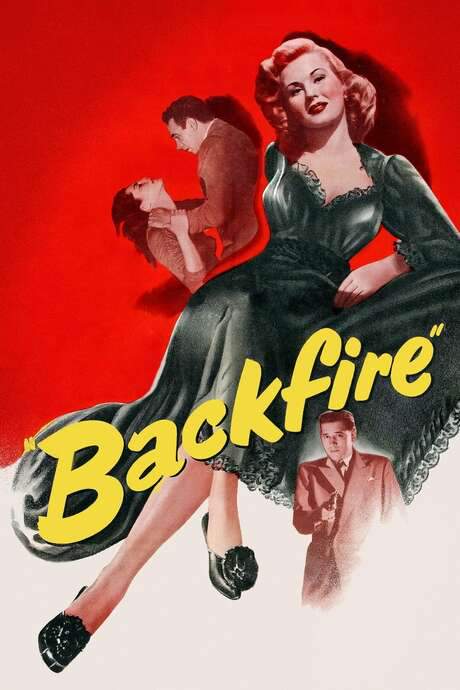
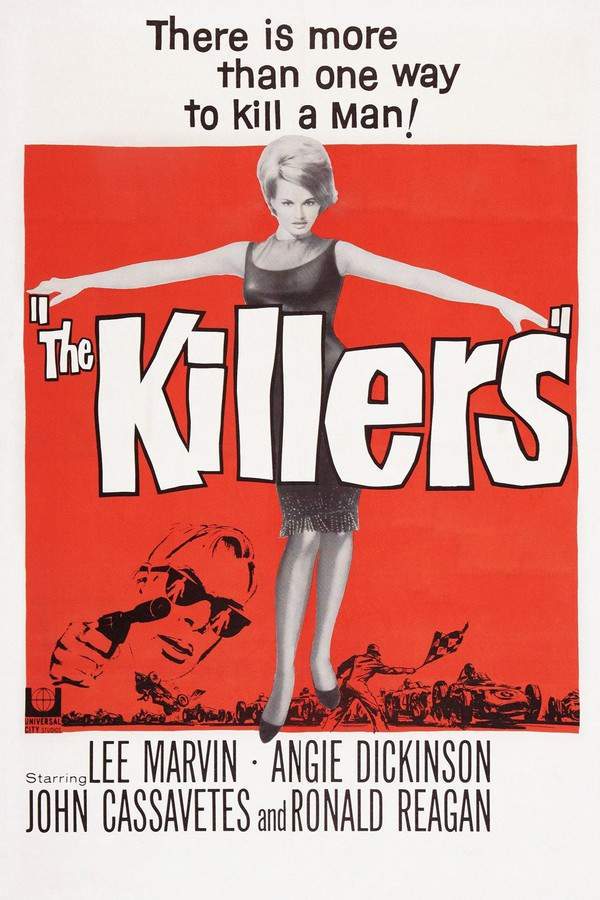
Driven by the belief that his friend Lois Seeger, Vera Miles has been murdered, a lone gunman launches a determined quest to uncover the killers himself. What begins as a personal vow soon spirals into a perilous journey through a world where loyalties are negotiable and danger hides behind every doorway. The pursuit tightens its grip as he follows a string of clues, each one pulling him closer to a truth that feels increasingly elusive and dangerous to pursue.
As the search unfolds, the gunman finds himself drawn into a sprawling web built on influence, power, and the manipulation of people’s lives by those who command authority behind the scenes. The drama centers on a network of corrupt unions, where money, politics, and backroom deals blur the lines between victim and suspect. The investigation becomes less about justice as a clean, straightforward target and more about navigating a murky landscape where motives are guarded and agendas are layered. The tension is sustained not by explosive action but by careful, patient confrontation—a slow unravelling of allegiances and a test of how far one person is willing to go when the stakes are so high.
Along the way, the protagonist encounters a mix of characters who illuminate the texture of this world. A Bellboy, Seymour Cassel, offers small glimpses of the human side of the story—moments that remind the gunman that behind every public figure and every institution there are ordinary people caught in the crosscurrents of power. The presence of Arnie Seeger, Edmond O'Brien, adds another layer to the puzzle, hinting at personal connections that complicate the pursuit and raise questions about who can be trusted. Each encounter deepens the sense that the truth is multi-faceted and fragile, reshaping the hunter’s sense of who might be responsible and who might simply be a casualty of a larger machine.
The mood of the film stays taut and intimate, relying on measured pacing, restrained dialogue, and the weight of consequences rather than sensational set pieces. It invites audiences to weigh clues, infer motives, and consider how vigilante justice can entangle someone in an entrenched system of influence. The story remains grounded in a sober, neutral tone that values clarity and nuance, presenting a world where the line between right and wrong is often blurred and where the cost of pursuing truth can be steep.
In the end, the gunman’s odyssey exposes how personal vengeance can become entangled with institutional power, showing that uncovering the truth is rarely simple or clean. The narrative asks readers to reflect on the moral complexities of taking matters into one’s own hands and the human toll that accompanies a relentless quest for justice, leaving a lingering impression about the fragility of truth when it must contend with corruption and embedded interests.