#34,2531 Year: 2021
Runtime: 130 min
Language: Italian
Director: Paolo Sorrentino
Echo Score: 80Budget: $13M
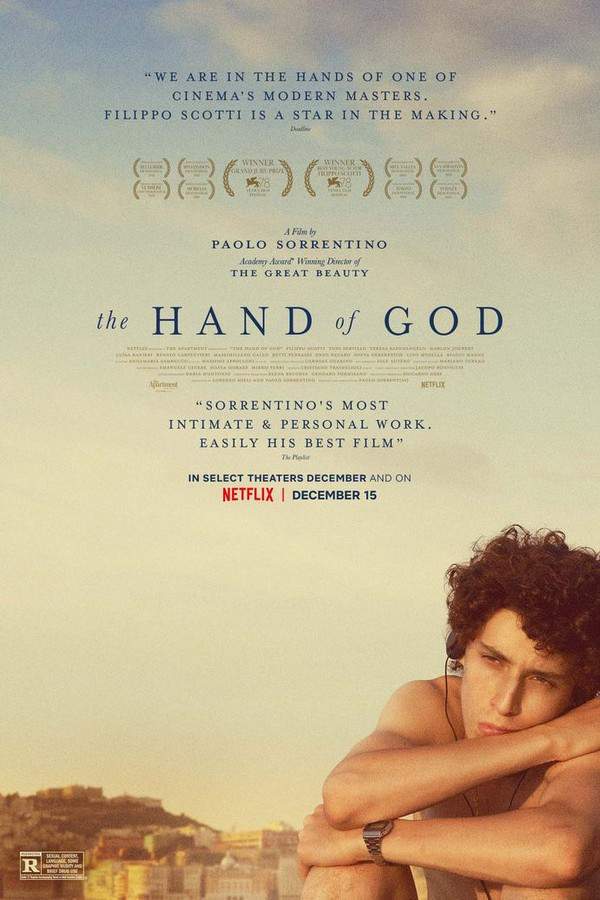
In 1980s Naples, the life of young Fabietto Schisa is profoundly impacted by the arrival of football superstar Diego Maradona. Amidst a backdrop of both joy and tragedy, unexpected events shape his destiny. This deeply personal film from Academy Award-winning director Paolo Sorrentino explores themes of family, identity, and the role of chance, blending sports, cinema, love, and loss in a poignant and evocative portrait of a young man’s coming-of-age.
Find where to stream, rent, or buy The Hand of God (2021) in the US with current JustWatch availability, up-to-date pricing, and platform listings for subscription, rental, and digital purchase options.
Warning: spoilers below!
Haven’t seen The Hand of God yet? This summary contains major spoilers. Bookmark the page, watch the movie, and come back for the full breakdown. If you're ready, scroll on and relive the story!
Explore the full timeline and setting of The Hand of God (2021). Follow every major event in chronological order and see how the environment shapes the story, characters, and dramatic tension.
Last updated: October 22, 2024 at 21:30
Meet the key characters of The Hand of God (2021), with detailed profiles, motivations, and roles in the plot. Understand their emotional journeys and what they reveal about the film’s deeper themes.
Last updated: October 22, 2024 at 21:30
Explore the central themes of The Hand of God (2021), from psychological, social, and emotional dimensions to philosophical messages. Understand what the film is really saying beneath the surface.
Last updated: October 22, 2024 at 21:30
Browse frequently asked questions about The Hand of God (2021) focused on characters, relationships, themes, symbols, setting, and story context. This movie info FAQ gives spoiler-aware explanations for character arcs, world details, and thematic interpretation so readers can better understand what the film is really about.
Naples serves as the vibrant backdrop for Fabietto's coming-of-age, representing both joy and chaos. The city is known for its rich culture, passionate football culture, and the arrival of Diego Maradona during this era, which deeply impacts the local community and Fabietto personally. The contrast between the city's energy and the family's internal struggles creates a poignant atmosphere.
Roccaraso is a mountain retreat where Fabietto's family spends time, offering a peaceful escape from Naples. This countryside location represents a sanctuary away from the family's domestic tensions and provides moments of reflection. The peaceful mountain setting contrasts sharply with the emotional turmoil that unfolds.
Rome represents Fabietto's destination to pursue his dreams of studying cinematography. The city symbolizes opportunity, artistic growth, and a new chapter after the tragedies he experiences. It is the capital of Italian cinema and culture, making it the logical place for an aspiring filmmaker to continue his journey.
1984 marks a transformative period in Italy when Napoli rose to prominence in Serie A, bringing national pride to Naples. This era combined social and economic changes with the excitement of local football success. The timing is significant because Diego Maradona joined Napoli in 1984, directly tying the sports history to Fabietto's personal story.
Maradona embodies hope for Fabietto amid his family's turmoil and personal struggles. His brilliance on the football field brings joy to Naples and to Fabietto, serving as a beacon of inspiration during difficult times. The theme explores how sports figures can uplift spirits and provide solace when reality feels overwhelming.
Loss dominates Fabietto's journey through the tragic deaths of his parents, leaving him to grapple with grief and survivor's guilt. The theme examines the emotional scars that tragedy leaves behind and the difficult process of finding meaning after profound loss. Fabietto's experience reflects how loss shapes identity and creates lasting emotional weight.
Fabietto's aspiration to study cinematography represents his dreams and provides direction amid personal chaos. The theme shows how artistic ambitions can serve as both motivation and healing. His journey demonstrates the struggle to pursue one's passion while navigating challenging realities, with cinema serving as a potential path forward.
Fabietto is the young protagonist, a teenager navigating adolescence while surrounded by both love and family turmoil. His character evolves as he confronts loss, grief, and his aspirations for the future. He embodies resilience and a deep curiosity about life's meaning, serving as the emotional core of the narrative.
Saverio is Fabietto's father, marked by emotional turmoil and infidelity that affect his family's dynamics. Despite his flaws, he represents the complexity of imperfect humanity. His struggle for reconciliation reveals a deeper desire for family closeness, showing that even flawed parents seek connection with their children.
Patrizia is Fabietto's aunt who represents the struggles women face in abusive relationships. Her journey through trauma and recovery highlights important social themes, particularly around mental health and domestic violence. Her experience resonates with broader societal challenges and adds depth to the film's exploration of family struggles.
Football, particularly Maradona's arrival to Napoli, represents more than a sport, it becomes a source of collective joy and hope for the city. For Fabietto, watching Maradona play provides an escape from family difficulties. The film shows how sports can unite communities and provide emotional refuge during personal struggles.
The film presents family as both a source of love and conflict, showing Fabietto's experience within a complex family system. His father's infidelity, his aunt's struggles, and the eventual tragedy all shape his understanding of relationships. The family dynamic illustrates how personal histories impact identity formation and emotional development.
Discover curated groups of movies connected by mood, themes, and story style. Browse collections built around emotion, atmosphere, and narrative focus to easily find films that match what you feel like watching right now.
Stories where sudden loss irrevocably shapes a young person's journey to find themselves.If you appreciated the poignant blend of personal tragedy and self-discovery in The Hand of God, you'll find similar resonant stories here. These films explore how young protagonists navigate profound loss while forging their own path, often with a melancholic and nostalgic tone.
These narratives typically follow a linear path centered on a young protagonist. A sudden, life-altering event—often the death of a family member—shatters their world, forcing them to confront grief, survivor's guilt, and the meaning of their own existence. The journey is internal, focusing on reflection and slow emotional processing rather than external action, culminating in a departure or decision that is hopeful yet forever marked by the loss.
Movies are grouped here for their shared focus on the heavy emotional weight of grief intertwined with the coming-of-age arc. They possess a melancholic tone, slow, reflective pacing, and a central theme of how tragedy can be a catalyst for artistic or personal destiny.
Evocative films that use a specific era and location as a character in a personal story.For viewers who loved the rich, nostalgic atmosphere of 1980s Naples in The Hand of God, this thread collects films where the setting is a central character. These movies use a specific time and place to enhance deeply personal stories of family, memory, and identity.
The narrative is often episodic or memory-driven, weaving together family dynamics, local culture, and significant historical or pop culture events of the era. The plot may feel loose, serving as a vehicle to explore the textures, sounds, and feelings of a bygone time. Character arcs are intimate and interwoven with the environment, creating a deeply sensory and evocative experience.
These films are connected by their primary emphasis on atmosphere and setting. They share a dreamlike, nostalgic mood, a moderate pacing that allows for immersion, and a complexity that comes from capturing the multifaceted nature of a specific cultural moment and its impact on personal lives.
Don't stop at just watching - explore The Hand of God in full detail. From the complete plot summary and scene-by-scene timeline to character breakdowns, thematic analysis, and a deep dive into the ending - every page helps you truly understand what The Hand of God is all about. Plus, discover what's next after the movie.
Read a complete plot summary of The Hand of God, including all key story points, character arcs, and turning points. This in-depth recap is ideal for understanding the narrative structure or reviewing what happened in the movie.
Track the full timeline of The Hand of God with every major event arranged chronologically. Perfect for decoding non-linear storytelling, flashbacks, or parallel narratives with a clear scene-by-scene breakdown.
What really happened at the end of The Hand of God? This detailed ending explained page breaks down final scenes, hidden clues, and alternate interpretations with expert analysis and viewer theories.