#14,37011 Year: 2024
Runtime: 3 h 3 m
Language: tamil
Director: Venkat Prabhu
Echo Score: 61Budget: $36M
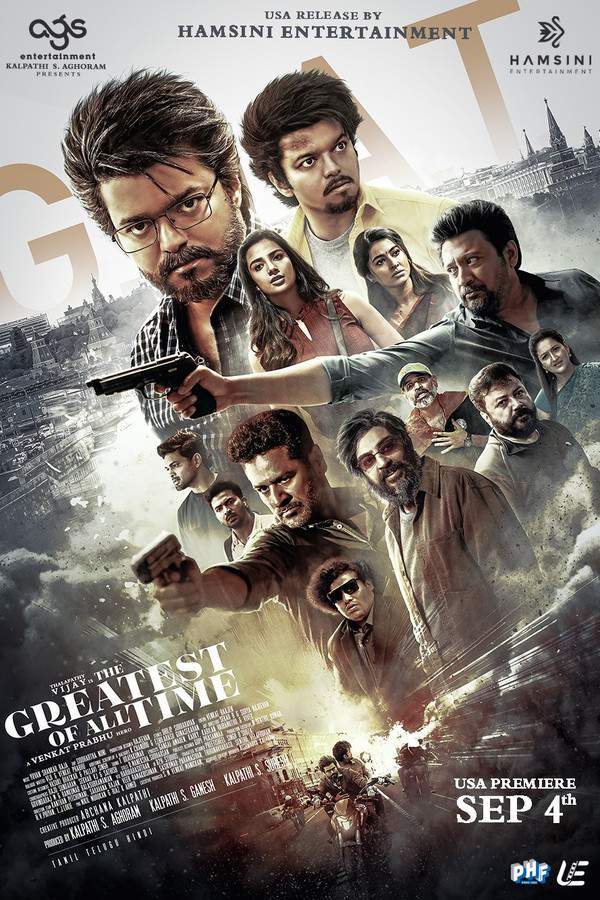
Gandhi, a seasoned operative for the Special Anti-Terrorist Squad, is haunted by his past as he undertakes a dangerous mission. He must navigate complex negotiations and covert operations while confronting a chilling connection to his personal history that threatens to destroy him.
Find where to stream, rent, or buy The Greatest of All Time (2024) in the US with current JustWatch availability, up-to-date pricing, and platform listings for subscription, rental, and digital purchase options.
Warning: spoilers below!
Haven’t seen The Greatest of All Time yet? This summary contains major spoilers. Bookmark the page, watch the movie, and come back for the full breakdown. If you're ready, scroll on and relive the story!
Still thinking about how The Greatest of All Time (2024) ended? Here’s a full breakdown of the ending, key final moments, major twists, and the deeper meaning behind the film’s conclusion.
The ending of The Greatest of All Time revolves around the complex relationship between Gandhi and a character known as Sanjay, who might or might not be his biological son Jeevan. Over the course of the story, it’s revealed that Kalyan, driven by guilt over his role in a failed mission that led to Menon—the terrorist—losing his family, helped Menon abduct Jeevan. Menon subjected Jeevan to torturous manipulation, stripping away his memories of his previous life with Gandhi and his mother, Anu. Menon then adopted him, renaming him Sanjay, to sever his ties to his former identity and to use him as a weapon against Gandhi. As Sanjay grew up, he maintained a firm denial of being Gandhi’s son, increasingly aggressive in asserting that he was not related to Gandhi at all.
However, the film hints at a more complicated truth through a sci-fi twist in the mid-credits scene. It is revealed that Sanjay might actually be a clone—one of several generated from DNA that resembles Gandhi, which opens up the possibility that the entire story of Sanjay being Jeevan could be a deception or a case of mistaken identity. The scene also introduces other characters who look like Gandhi and are involved in cloning experiments, suggesting that the real Jeevan might still be in a form of cryostasis or could be a clone himself, leaving his true nature ambiguous.
Regarding the fates of other key characters: Menon’s whereabouts remain a mystery—there’s no definitive answer about whether he escaped, was captured, or was killed, and Kalyan’s fate is similarly uncertain, although it’s likely he was killed offscreen by Sunil, driven by revenge. The film ends with more questions than answers about the broader conspiracy, setting up the possibility of a sequel. The upcoming film might explore the origins of the cloning technology and whether the various clones will be used to continue Menon’s destructive plans. There’s also anticipation for deeper character development, especially for the women in the story, which was overlooked in this film. Overall, the ending leaves viewers pondering whether Sanjay is truly Jeevan, a clone, or someone else entirely, providing a layered and thought-provoking conclusion that teases future conflicts.
Last updated: June 25, 2025 at 09:02
Read frequently asked questions about the ending of The Greatest of All Time (2024), including final-scene interpretation, twist explanations, character outcomes, and the deeper meaning behind the conclusion. This ending explained FAQ is designed for viewers searching for clear spoiler-heavy answers and ending breakdown insights.
The ending leaves this ambiguous. While Sanjay was originally believed to be Jeevan, Gandhi's missing son who was kidnapped and brainwashed by Menon, the mid-credits scene reveals he might be a clone created from DNA similar to Gandhi's. This twist suggests the entire story of Sanjay being Jeevan could be a deception, though the film never confirms whether he is truly a clone or the real son.
Earlier scenes show Sanjay's increasingly aggressive denial of being related to Gandhi, which gains new meaning with the clone revelation.
Menon's ultimate fate remains completely unknown. The film never shows whether he escaped, was captured, or was killed. After using Sanjay as a weapon against Gandhi and orchestrating the various terrorist attacks, Menon simply vanishes from the narrative with no resolution to his storyline.
Menon's manipulation of Jeevan and his role as the mastermind behind the attacks establishes him as a persistent threat throughout the film.
Kalyan's fate is never explicitly shown, but it is heavily implied he was killed offscreen. Driven by revenge, Sunil likely killed Kalyan in retaliation for his role in the events that led to the tragedy. The film does not confirm this death onscreen, leaving his fate somewhat ambiguous.
Kalyan's guilt over his role in the failed mission that caused Menon to lose his family establishes his vulnerability throughout the story.
The mid-credits scene reveals that Sanjay might be one of several clones generated from DNA that resembles Gandhi's. The scene shows other characters who look like Gandhi, all involved in cloning experiments. This opens up the possibility that the real Jeevan could still be in cryostasis or might himself be a clone, fundamentally questioning Sanjay's entire identity.
Sanjay's violent denial of being Gandhi's son becomes more suspicious with the clone revelation, suggesting deeper manipulation.
San Sanjay denies being Gandhi's son because Menon subjected him to torturous manipulation as a child, stripping away his memories of his previous life with Gandhi and his mother Anu. Menon then adopted him and renamed him Sanjay specifically to sever his ties to his former identity and turn him into a weapon against Gandhi. As an adult, Sanjay maintains firm denial, becoming increasingly aggressive when the topic arises.
The film shows flashbacks of Jeevan's abduction and Menon's psychological manipulation, establishing why Sanjay rejects his original identity.
The true fate of the real Jeevan remains unclear. He was kidnapped as a child by Menon with Kalyan's help, and subjected to years of manipulation. The clone twist in the mid-credits suggests the real Jeevan might still be in cryostasis or could have been replaced by a clone, leaving his actual status completely ambiguous by the film's end.
Kalyan's guilt over helping Menon abduct Jeevan drives much of the supporting character's motivations.
The cloning conspiracy involves a sci-fi element where multiple individuals have been created from DNA similar to Gandhi's. The mid-credits scene reveals several characters who physically resemble Gandhi, all part of a cloning experiment. This suggests Menon developed technology to create multiple versions of Gandhi or his son, though the film does not fully explain the purpose or origins of these clones.
The stadium bombing plot and the use of Sanjay as a weapon hint at a larger conspiracy beyond simple revenge.
The ending clearly sets up a sequel by leaving multiple questions unanswered and introducing new mysteries. The film ends with more questions than answers about the broader cloning conspiracy and the threat posed by Menon and the various clones. Anticipation exists for exploring the origins of the cloning technology and whether the clones will continue Menon's plans.
The unresolved nature of Menon's fate and the introduction of multiple clones deliberately create narrative threads for future films.
Gandhi, the protagonist, survives the film but is left in emotional turmoil. He must confront the possibility that the son he spent years searching for might never have truly existed. The ending shows him facing an ambiguous future, uncertain whether Sanjay was really Jeevan, a clone, or someone else entirely, leaving his personal journey unresolved.
Gandhi's constant pursuit of finding his son and his conflicted feelings about Sanjay build throughout the film toward this emotional conclusion.
Menon became a terrorist as a result of losing his own family during a failed mission that Kalyan was involved in. This tragedy drove him to seek revenge against the system and those responsible. He targeted Gandhi specifically and used Jeevan as a pawn in his revenge plan, transforming the kidnapped child into Sanjay, a weapon designed to destroy Gandhi psychologically.
The film establishes early on that Menon's attacks are personal, connected to his backstory of family loss.
Anu, Gandhi's wife and Jeevan's mother, appears in the story as part of the past narrative but her fate in the present timeline is not specifically addressed in the ending explanation. The focus remains on Gandhi's journey and the mystery surrounding Sanjay's identity, with Anu's story serving primarily as emotional context for Gandhi's motivation.
Anu's role in Jeevan's early life and her relationship with Gandhi establish the emotional stakes of his search.
Discover curated groups of movies connected by mood, themes, and story style. Browse collections built around emotion, atmosphere, and narrative focus to easily find films that match what you feel like watching right now.
High-stakes covert missions are complicated by deep personal trauma and betrayal.If you liked the intense action and deep personal tragedy in The Greatest of All Time, explore these movies where espionage and high-stakes missions are driven by heartbreak and betrayal. These films combine thrilling plots with heavy emotional weight for a gripping, emotionally draining experience similar to this one.
Stories in this thread often follow skilled operatives whose professional cool is shattered by a profound personal loss or betrayal. The central mission becomes inextricably linked to their quest for answers, revenge, or redemption, forcing them to confront their past while navigating a web of lies and danger in the present.
These films are grouped for their potent mix of relentless, high-intensity action and deep-seated emotional drama. They share a tense tone, fast pacing, and a narrative focus on how personal trauma fuels and complicates a professional mission, creating a consistently gripping and heartbreaking atmosphere.

Protagonists confront shocking truths that dismantle their sense of self and family.For viewers who enjoyed the shocking clone twist and themes of manipulated identity in The Greatest of All Time, this list features movies with similar mind-bending reveals. Discover stories where characters face existential threats from within their own family or past, leading to tense, complex, and emotionally heavy narratives.
The narrative pattern involves a steady dismantling of the protagonist's perceived reality. A hidden truth—such as a clone, a secret past, or a familial betrayal—emerges, forcing the character to question everything they know. This leads to a tense investigation of the truth, often culminating in a direct confrontation with the source of the deception.
These movies are united by their exploration of identity crisis fueled by betrayal, often from within the family unit. They share a high-tension atmosphere, moderate to complex plotting with big twists, and a heavy emotional weight stemming from the psychological manipulation and fundamental loss of self.
Don't stop at just watching - explore The Greatest of All Time in full detail. From the complete plot summary and scene-by-scene timeline to character breakdowns, thematic analysis, and a deep dive into the ending - every page helps you truly understand what The Greatest of All Time is all about. Plus, discover what's next after the movie.
Read a complete plot summary of The Greatest of All Time, including all key story points, character arcs, and turning points. This in-depth recap is ideal for understanding the narrative structure or reviewing what happened in the movie.
Track the full timeline of The Greatest of All Time with every major event arranged chronologically. Perfect for decoding non-linear storytelling, flashbacks, or parallel narratives with a clear scene-by-scene breakdown.
Discover the characters, locations, and core themes that shape The Greatest of All Time. Get insights into symbolic elements, setting significance, and deeper narrative meaning - ideal for thematic analysis and movie breakdowns.
Discover movies like The Greatest of All Time that share similar genres, themes, and storytelling elements. Whether you’re drawn to the atmosphere, character arcs, or plot structure, these curated recommendations will help you explore more films you’ll love.
The Greatest of All Time (2024) Plot Summary & Movie Recap
The Greatest of All Time (2024) Scene-by-Scene Movie Timeline
The Greatest of All Time (2024) Movie Characters, Themes & Settings
The Greatest of All Time (2024) Spoiler-Free Summary & Key Flow
Movies Like The Greatest of All Time – Similar Titles You’ll Enjoy
Unstoppable (2010) Ending Explained & Film Insights
Commando (1985) Detailed Story Recap
Final Score (2018) Full Movie Breakdown
Best of the Best (1989) Detailed Story Recap
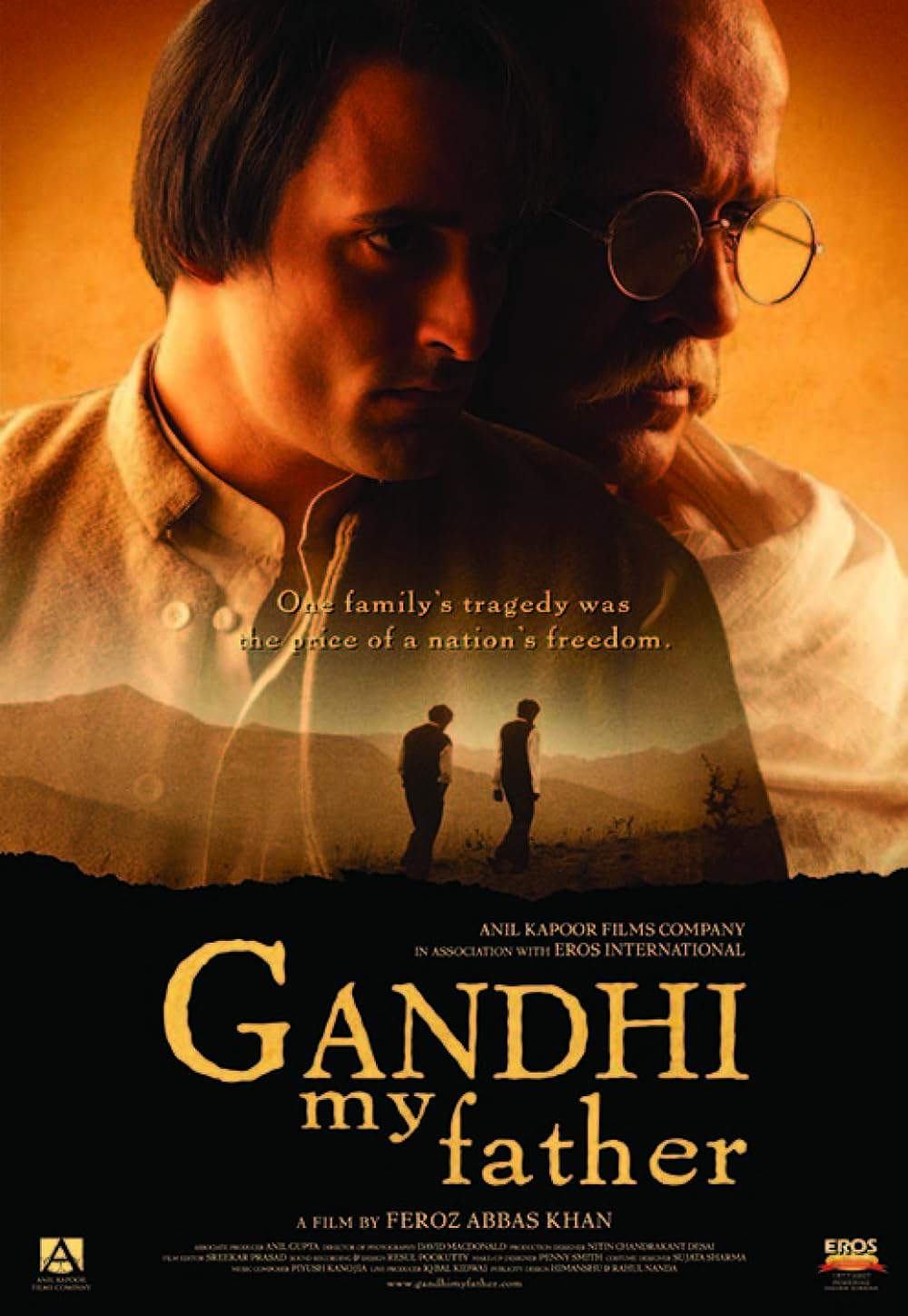
Gandhi, My Father (2007) Ending Explained & Film Insights
Jawan (2023) Detailed Story Recap
India’s Most Wanted (2019) Detailed Story Recap
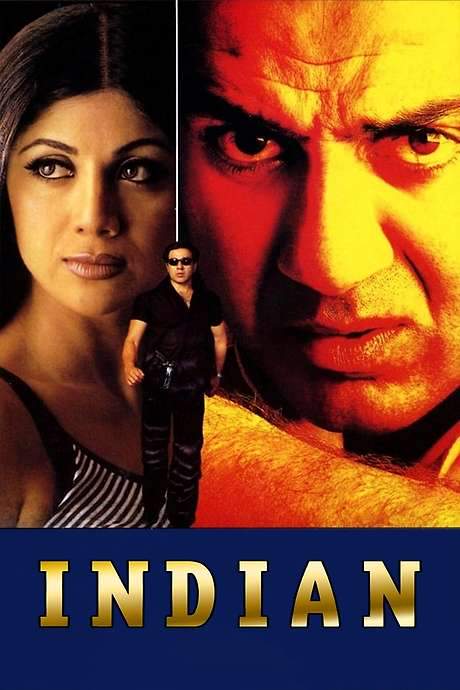
Indian (2001) Complete Plot Breakdown
Ghajini (2005) Spoiler-Packed Plot Recap
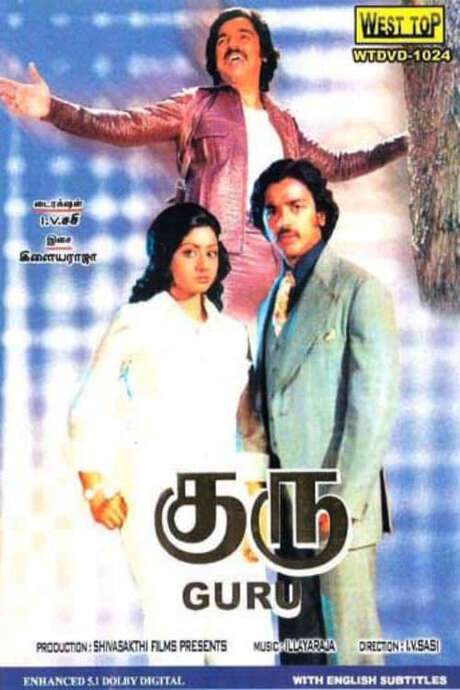
Guru (1980) Spoiler-Packed Plot Recap
The Greatest Man in the World (1932) Detailed Story Recap
The Greatest Plot (1977) Spoiler-Packed Plot Recap
Best of the Best (1992) Film Overview & Timeline
Bade Miyan Chote Miyan (2024) Plot Summary & Ending Explained
Indian (1996) Full Summary & Key Details