









Plot Explained Spoilers guaranteed!
Plot Explained

Browse by genre

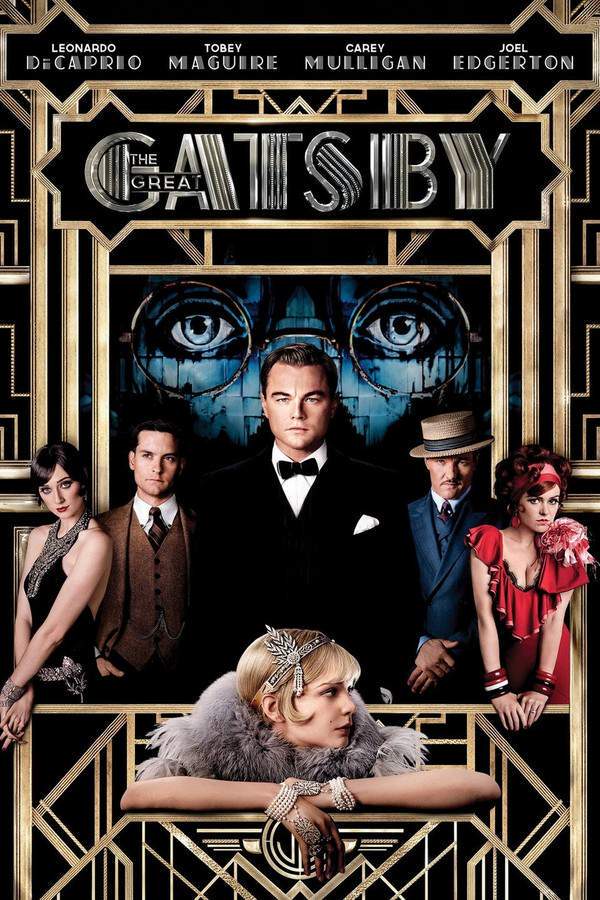
The Great Gatsby (1974) movie poster

Timeline

The Great Gatsby (1974) Timeline Explained – Every Event in Order

Release, runtime and language
1974 · 144 min · English
JustWatch #8,808 2
Directed by
Jack Clayton
Starring
Robert Redford, Mia Farrow

During the roaring 1920s on Long Island, a young man becomes captivated by the lavish lifestyle of millionaire Jay Gatsby. Drawn into Gatsby's world, he discovers the truth behind his mysterious parties and learns of Gatsby's relentless pursuit of the beautiful Daisy Buchanan. Their connection intertwines with themes of wealth, social class, and the unattainable American Dream, revealing a poignant story of love and loss.

On this page (7)
  1. 1 Where to watch
  2. 2 Events in order (11)
  3. 3 Timeline questions answered
  4. 4 The book behind the movie
  5. 5 Movie threads
  6. 6 Movies like The Great Gatsby
  7. 7 Every angle

Where to watch

Where to Watch The Great Gatsby (1974)

Where can you watch The Great Gatsby? Stream, rent or buy it in the US, including on MGM Plus, Hoopla and Kanopy: current JustWatch availability with up-to-date prices.

Streaming availability powered by JustWatch

11 events in order · contains spoilers

The Great Gatsby Timeline: Events in Chronological Order

Every key event of The Great Gatsby (1974) in order, scene by scene, with when and where it takes place. Use it to untangle flashbacks, time jumps and parallel storylines, to refresh your memory before the sequel or to find the exact scene you are thinking of.

  1. Nick travels to East Egg and meets Daisy and Tom

    Nick Carraway pilots his boat across the harbor to Daisy and Tom's mansion in East Egg, beginning the story. He quickly senses trouble in their marriage and learns Tom is having an affair with a woman in New York. The encounter introduces Gatsby, the mysterious neighbor known for his extravagant parties.

    When
    Evening
    Where
    East Egg
  2. Nick moves to West Egg and discovers Gatsby

    Nick moves into a small cottage in West Egg next to the mysterious Gatsby, a decorated WWI veteran who throws lavish parties. The neighbor's wealth and the rumors surrounding Gatsby set the tone for Nick's new life. This contrast between East Egg and West Egg underscores the social tensions of the time.

    When
    Summer evenings
    Where
    West Egg
  3. Tom introduces Nick to Myrtle

    Tom takes Nick to meet his mistress Myrtle Wilson in New York, where she lives with her husband George. Myrtle taunts Tom by mentioning Daisy's name, highlighting the tangled web of infidelity. George Wilson is an automotive mechanic who embodies the couple's fragile world.

    When
    Day trip
    Where
    New York City
  4. Daisy and Jordan pursue Nick; Gatsby invitation

    Daisy asks Nick to set him up with her friend Jordan Baker, a professional golfer, creating a connection between Nick and the social circle. Later, Nick and Jordan attend a party at Gatsby's home, and Gatsby privately invites Nick to lunch the next day. The invitation sets the stage for Daisy and Gatsby to reunite.

    When
    Following day
    Where
    Long Island
  5. Gatsby and Daisy reconnect over lunch

    Gatsby surprises Daisy at lunch, and Nick meets Gatsby's associate Meyer Wolfsheim, a gangster figure who helped build Gatsby's wealth. The gathering reveals Gatsby's wealth and his intense desire to rekindle the past with Daisy. The meeting marks the return of Daisy and Gatsby's romance after years apart.

    When
    Lunch
    Where
    Nick's house on Long Island
  6. Plaza Hotel confrontation and Daisy's refusal

    The group spends time together in the city, ending up at the Plaza Hotel in New York for a confrontation about the affair. Gatsby wants Daisy to deny she ever loved Tom. Daisy refuses and drives away in Gatsby's car, leaving the others to return separately to the island.

    When
    Summer day
    Where
    Plaza Hotel, New York
  7. The hit and the car

    On the drive back, Daisy drives Gatsby's car and unintentionally hits Myrtle as Myrtle runs into the street. The accident ties Daisy forever to the tragedy surrounding Gatsby. Gatsby remains entwined in the aftermath, while the consequences begin to unfold.

    When
    Evening
    Where
    Long Island road
  8. George Wilson shoots Gatsby and commits suicide

    Believing Gatsby killed his wife, George Wilson goes to Gatsby's mansion and fatally shoots him. He then commits suicide, deepening the tragedy and isolating Gatsby's dream. The violence catalyzes the collapse of the world surrounding Nick and Daisy.

    When
    Night
    Where
    Gatsby's mansion
  9. Gatsby's funeral

    Nick holds Gatsby's funeral, and Gatsby's father appears, revealing Gatsby's original name was Gatz. No one else from Gatsby's extravagant circle attends, highlighting the emptiness at the heart of the social world. The funeral marks the definitive end of Gatsby's dream.

    When
    After the murder
    Where
    Gatsby's mansion
  10. Daisy and Tom resume their lives; Nick leaves

    Daisy and Tom continue with their lives as though nothing occurred, while Nick breaks up with Jordan and moves back to the Midwest. He laments Gatsby's inability to escape his past and the moral drift of Eastern society. The narrator's exit underscores the era's hollow glamour.

    When
    Post-funeral
    Where
    Midwest
  11. Nick's final reflection on Gatsby

    From the Midwest, Nick reflects on Gatsby's relentless dream and the impossibility of recapturing the past. He acknowledges the moral failure around him and the tragedy that defined Gatsby's life. The tale ends on a note of melancholy and critique of the East's superficial charm.

    When
    Final
    Where
    Midwest

Last updated: October 09, 2025 at 15:38

Was this helpful?

Timeline questions answered

The Great Gatsby Timeline Explained: Your Questions Answered

When does it happen, and why in that order? The questions people ask about the chronology of The Great Gatsby (1974): time jumps, flashbacks, cause and effect between scenes and the correct order of events, each answered with spoilers.

Q1

Why did Daisy marry Tom instead of waiting for Gatsby?

Daisy married Tom because Gatsby was poor at the time and came from a humble background. Though she loved Gatsby, the social pressure and material security Tom offered were too powerful to resist in 1917. Tom represented the wealthy East Egg lifestyle that Daisy was accustomed to, and she could not commit to a future with someone who lacked financial means.

Foreshadowing: Early in the film, Daisy admits she married Tom because he was wealthy, setting up the tragic irony of Gatsby's later success.

  • Daisy Buchanan
  • Tom Buchanan
  • marriage
  • social class
  • wealth
Q2

Who was driving the car when Myrtle was killed?

Daisy was driving Gatsby's car when she struck Myrtle Wilson. After leaving the Plaza Hotel upset, Daisy insisted on driving Gatsby's yellow car. When Myrtle ran into the street believing Tom was in the car, Daisy hit her. Gatsby took the blame to protect Daisy, which ultimately led to his death.

Foreshadowing: The film foreshadows this tragedy when Tom and Daisy argue about the car earlier, and Myrtle's husband George works at a garage, making the collision tragically inevitable.

  • Myrtle Wilson
  • car accident
  • Daisy
  • death
  • hit and run
Q3

How did Gatsby become so wealthy?

Gatsby accumulated his fortune through Meyer Wolfsheim, a criminal associate who helped him acquire wealth through illegal activities including gambling and possibly bootlegging during Prohibition. Wolfsheim, who famously rigged the 1919 World Series, became Gatsby's business partner and helped transform the former James Gatz into a wealthy tycoon.

Foreshadowing: Nick meets Wolfsheim at lunch early in the film, hinting at the illegal origins of Gatsby's fortune before the full extent is revealed.

  • Gatsby wealth
  • Meyer Wolfsheim
  • Prohibition
  • illegal money
  • World Series
Q4

Why did George Wilson blame Gatsby for Myrtle's death?

George Wilson blamed Gatsby because he saw Gatsby's yellow car at the scene of the accident and learned from Tom that Gatsby was driving. Tom deliberately misled George into believing Gatsby was the driver, using the tragedy to direct George's revenge toward Gatsby instead of himself. This allowed Tom to escape consequences while Gatsby paid the ultimate price.

Foreshadowing: Tom's earlier behavior of keeping his affair secret while manipulating others sets up his cowardly decision to frame Gatsby.

  • George Wilson
  • Myrtle death
  • vengence
  • Tom Buchanan
  • murder
Q5

What was Gatsby's real name?

Gatsby's real name was James Gatz. He was born in North Dakota to poor farming parents and changed his name to Jay Gatsby as a young man when he began pursuing his dreams of wealth and status. At his funeral, his elderly father reveals this original identity, showing how far Gatsby came from humble beginnings.

Foreshadowing: The name change is hinted at through Gatsby's elaborate backstory and mysterious origins that Nick investigates throughout the film.

  • James Gatz
  • real name
  • Gatsby father
  • origins
Q6

Why did nobody attend Gatsby's funeral?

None of Gatsby's hundreds of party guests attended his funeral because his wealth and connections proved shallow. The people who attended his lavish parties only wanted free entertainment and access to his status. Even his business associates and the social elite from East Egg refused to come. Only Nick, his father, and a few servants were present, demonstrating the emptiness of Gatsby's social world.

Foreshadowing: The film earlier shows guests drinking Gatsby's alcohol and spreading rumors about him without actually knowing him, foreshadowing their absence at his death.

  • funeral
  • East Egg
  • social elite
  • Nick Carraway
  • isolation
Q7

What did the green light at the end of Daisy's dock mean?

The green light at the end of Daisy's dock represented Gatsby's longing for Daisy and his unreachable dream of recapturing the past. Located across the water from his mansion, Gatsby would reach toward this light every night, symbolizing his relentless pursuit of an idealized version of Daisy and the unattainable American Dream.

Foreshadowing: Nick first notices Gatsby reaching toward the light early in the film, establishing this symbol before its full significance becomes clear.

  • green light
  • Daisy dock
  • American Dream
  • symbolism
  • past
Q8

Why did Nick Carraway leave New York and move back to the Midwest?

Nick left New York because he became disillusioned with the shallow, morally corrupt lifestyle of the East Coast elite. After witnessing Gatsby's murder, Daisy's carelessness, and Tom's ability to escape consequences, Nick concluded that the Eastern social world was fundamentally hollow and chose to return to his roots in the Midwest.

Foreshadowing: Nick expresses frustration with Eastern values throughout the film, particularly after the Plaza Hotel confrontation and the tragedy that follows.

  • Nick Carraway
  • Midwest
  • disillusion
  • East Coast
  • leaving
Q9

Why did Gatsby insist Daisy say she never loved Tom?

Gatsby demanded Daisy admit she never loved Tom because he wanted to erase his entire past, including her marriage to another man. He believed that if Daisy would simply deny her past feelings, he could recreate reality and finally have her completely. This obsession with the past and inability to accept what happened reveals Gatsby's tragic delusion.

Foreshadowing: Gatsby's relentless pursuit of Daisy despite her marriage and his insistence on rekindling their romance establishes his unhealthy attachment to the past.

  • Gatsby
  • Daisy
  • Tom
  • confrontation
  • love
Q10

Why did Daisy choose Tom over Gatsby at the Plaza Hotel?

Daisy could not bring herself to say she never loved Tom because doing so would require denying her own history and the life she built. She admitted to loving Tom too, revealing that her feelings for Gatsby were not as absolute as he believed. When push came to shove, Daisy could notcommit to destroying her present for an idealized past.

Foreshadowing: Daisy's earlier statements about her marriage and her inability to leave Tom despite her unhappiness foreshadow her choice at the Plaza Hotel.

  • Daisy
  • choice
  • Plaza Hotel
  • Tom
  • love triangle
Q11

Why did Gatsby take the blame for the car accident?

Gatsby took the blame for Myrtle's death because he was protecting Daisy, whom he still loved despite her rejection at the hotel. When George Wilson came looking for the driver, Gatsby acknowledged the car was his, allowing Daisy to escape accountability. This act of devotion ultimately led to his murder, as George believed Gatsby was responsible for his wife's death.

Foreshadowing: Gatsby's willingness to protect Daisy despite her rejection reveals his tragic inability to let go of his dream, no matter the cost.

  • Gatsby
  • blame
  • car accident
  • Daisy
  • death
Q12

What was the difference between East Egg and West Egg?

East Egg and West Egg represented the old money versus new money divide in 1920s America. East Egg (where Tom and Daisy lived) housed inherited wealth from established families with aristocratic backgrounds. West Egg (where Gatsby lived) contained newer wealth, often from questionable or recent sources. This social divide underscored the film's exploration of class and the unattainability of true acceptance for those who climbed the social ladder.

Foreshadowing: The contrast between the two Eggs is established from Nick's first journey to East Egg, showing the visual and social distinction between old and new wealth.

  • East Egg
  • West Egg
  • social class
  • money
  • society

Movie threads

More Movies Like The Great Gatsby, by Mood & Story

Curated lists built around what makes The Great Gatsby tick: the same mood, the same kind of story or the same emotional payoff. Each list explains why these movies belong together.

Movies about the unattainable dream like The Great Gatsby

Tragic stories of yearning for a beautiful, impossible ideal. If you were captivated by the tragic pursuit of an ideal in The Great Gatsby, explore these movies about unattainable dreams. This collection features similar stories of yearning, where characters chase a beautiful but impossible vision, often set against a backdrop of wealth and leading to heartbreaking endings.

  • yearning
  • tragic
  • disillusioned
  • nostalgic
  • somber
  • decadent
  • Tone: melancholic, tragic, disillusioned
  • Pacing: steady, deliberate
Why these movies?

The story pattern: The narrative follows a protagonist obsessed with achieving a specific, idealized goal—be it love, status, or a version of the past. Their pursuit is characterized by opulence and grand effort, yet the story methodically unravels the futility of their quest. The climax is not a triumph but a shattering realization of the dream's emptiness, culminating in a bleak or bittersweet conclusion.

Why they belong together: These films are grouped by their shared focus on the central theme of an impossible ideal. They deliver a heavy emotional weight through a melancholic tone and a steady, deliberate pacing that builds towards an inevitable tragic or disillusioned ending. The mood is consistently one of nostalgic yearning and somber reflection.
Movies about decadence and disillusionment like The Great Gatsby

Lavish worlds that hide profound moral emptiness and personal tragedy. Fans of The Great Gatsby's portrayal of 1920s decadence will appreciate these movies about wealth and disillusionment. Discover similar films where glamorous parties and luxurious settings hide tragic flaws, corrupt values, and the inevitable collapse of characters trapped by their own desires and social expectations.

  • decadent
  • somber
  • reflective
  • tragic
  • corrupt
  • opulent
  • Tone: somber, reflective, tragic
  • Pacing: steady, observational
Why these movies?

The story pattern: Stories unfold within a world of extreme privilege and aesthetic beauty, using the setting to critique the emptiness beneath the surface. The plot often involves a outsider's perspective being drawn into this world, only to witness the moral compromises, infidelities, and tragic fates of those who inhabit it. The narrative arc is one of initial fascination giving way to sobering disillusionment.

Why they belong together: These movies share a specific atmospheric blend of visual opulence and emotional bleakness. The key connection is the use of a decadent setting—be it historical or contemporary—to explore themes of corruption, class, and the high personal cost of wealth. They balance a reflective, somber mood with the dramatic tension of secrets and social collapse.

If you liked this

Movies Like The Great Gatsby

Similar movies to The Great Gatsby: the same genre, themes or kind of story. Each one comes with its own plot summary, timeline and ending explained.

Browse all movie summaries

Every angle

The Great Gatsby (1974) Explained: Plot, Timeline & Characters

Everything about The Great Gatsby in one place: what happens in the plot summary, the timeline in chronological order, the characters and meaning and a spoiler-free summary. What's After the Movie adds the cast, box office and post-credit scenes.

Coming soon on iOS and Android

The Plot Explained Movie Summary App

Plot summaries, endings explained and timelines on your phone. Catch up on any movie in minutes, save your favorites and never miss a twist again.

Be the first to know when we launch. Your email stays private, always.

Learn more about the app