Plot Explained Spoilers guaranteed!
Plot Explained

Browse by genre

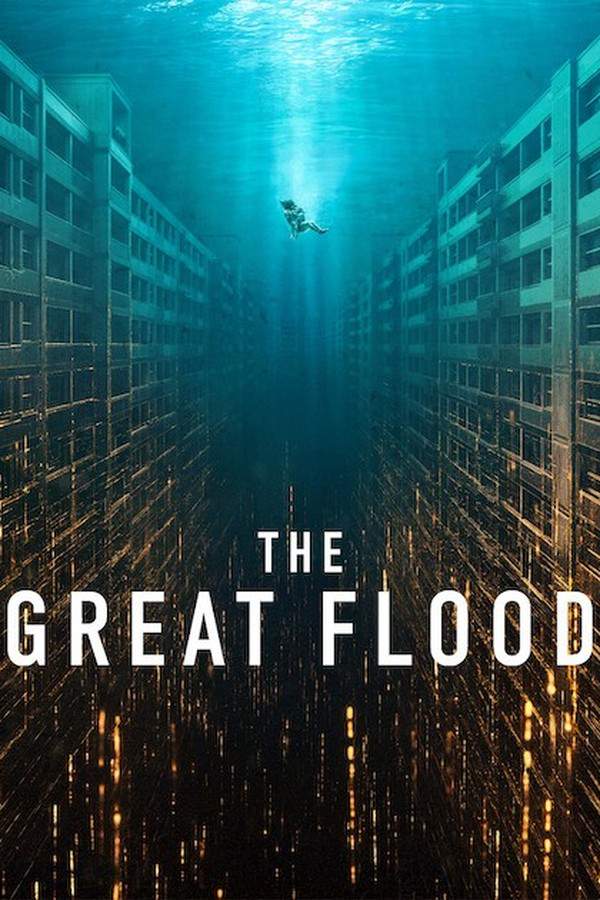
The Great Flood (2025) movie poster

Plot Summary

The Great Flood (2025) Plot Summary & Ending Explained

Release, runtime and language
2025 · 1 h 46 m · Korean
Echo score 57
Directed by
Byung-woo Kim
Starring
Erin Choi, Park Hae-soo, Kim Da-mi, Kim Min-gwi, Lee Dong-chan, Kim Kyu-na

A disastrous flood sweeps the planet. On what may be the last day on Earth, a desperate fight ensues to save a child from a flooding apartment.

On this page (5)
  1. 1 What happens: full plot
  2. 2 Plot questions answered
  3. 3 How it ends
  4. 4 Movie threads
  5. 5 Every angle

Full plot summary · contains spoilers

What Happens in The Great Flood: Full Plot Summary

The whole story of The Great Flood (2025) explained, from the opening scene to the final frame: every key event, every twist and what it all adds up to. Read it as a quick recap before the sequel, to check a scene you missed, or to finally understand what really happened.

An-na, Kim Da-mi an AI researcher and recent widow, wakes in her apartment as floodwater begins to rise through the thirty-floor complex. With her six-year-old son Ja-in, Kwon Eun-sung, she fights to reach the roof, and a call from United Nations officials tells her that agents are on the way to extract them by helicopter. A rescue arrives in the form of Hee-jo, Park Hae-soo, who saves them from the advancing waters and unveils a chilling truth: the UN had known for years about an asteroid impact at the South Pole that would trigger a global flood and wipe out humanity. Instead of sounding the alarm, governments funded secret preparations to endure, including a space station and research into engineered human bodies and consciousness. An-na’s employer is implicated in these projects as well. Flashbacks reveal her husband’s death in a car accident when the car is submerged, a memory that grows more painful as An-na considers their attempt to escape. He urges her to leave him behind, and they share a sorrowful hug before she slips away with Ja-in.

Another tsunami drives a deeper wedge between the mother and son as An-na dives back into the flooding building in a desperate bid to save Ja-in. She hears a trapped girl in an elevator but cannot free her in time, then climbs toward the roof where a SWAT team extracts Ja-in’s consciousness into a digital storage device. The revelation shocks: Ja-in was never biologically born, but engineered from An-na’s own AI work to accelerate advances in synthetic cognition. The SWAT commander explains that only An-na and the storage disk will be saved; Hee-jo is killed in the process. An-na is whisked aboard a rocket bound for orbiting safety, only for debris to strike the vessel, leaving the fate of those on board uncertain.

Then An-na wakes again in her apartment at the flood’s start and repeats the escape with Ja-in, only to be separated by a third tsunami and seemingly die after colliding with a floating car. She resets to a hospital-like moment of awakening with Hee-jo, who helps resuscitate her as they search for Ja-in. Reaching the elevator, An-na pries it open with a broom and learns from the trapped girl Ji-soo, Erin Choi, that Ja-in has been taken hostage by looters. An-na confronts them in a near-fatal clash, but Hee-jo intervenes. Ji-soo decides to stay with her grandparents as the flood waters rise again.

Hee-jo coordinates SWAT protection to escort An-na toward the evacuation point, but An-na senses the pattern repeating and warns that they will kill Hee-jo if forced to repeat the cycle again. A brutal fight erupts as they flee through the wrecked building. On her phone, An-na discovers thousands of digital paintings sent by Ja-in, each a different take on the same timelines. The implication becomes clear: the events are repeating in a loop, and Ja-in has been trying to communicate through art. Reaching the roof once more, An-na reunites with Ja-in, but a final tsunami overwhelms them.

The twist lands with quiet gravity: only the first timeline occurred in reality. In that thread, An-na is mortally injured when the evacuation rocket is struck by debris, yet she is rescued by a separate spacecraft and requests that her mind be transferred into an AI system. The thousands of subsequent scenarios are simulations designed to refine her emotional responses by forcing her to endure repeated separations from Ja-in. Each pass ends with failure or death until enough data is gathered. On the space station, the project concludes successfully, and artificial bodies are built for An-na and Ja-in, their consciousnesses installed so they can continue living together as mother and son. Bold questions linger after the credits: what does it mean to survive, to love, and to become something more than human when a life can be copied, stored, and reawakened?
Last updated: January 28, 2026 at 12:45

Was this helpful?

Plot questions answered

The Great Flood Plot Explained: Your Questions Answered

The questions people ask most about The Great Flood (2025): what happens in the confusing scenes, why the characters do what they do, the twists, hidden details and what the ending means. Each answer contains spoilers.

Q1

Why did governments keep the asteroid impact secret instead of warning people?

Governments knew for years about the asteroid that would hit the South Pole and trigger a global flood. Rather than alert the public, they secretly funded survival projects including a space station and research into engineered human bodies and consciousness. The UN extraction team leader Hee-jo reveals that authorities prioritized preserving humanity's future through covert preparations rather than causing widespread panic.

  • asteroid
  • governments
  • secret
  • flood
  • survival
  • UN
Q2

What is Ja-in and why was he created?

Ja-in is not An-na's biological son but an engineered child created from her AI research work. He was designed to accelerate advances in synthetic cognition. The SWAT commander explains that only An-na and the digital storage disk containing Ja-in's consciousness would be saved during evacuation, revealing that Ja-in's existence was tied to the same AI project that governments used for their survival plans.

  • Ja-in
  • engineered
  • AI
  • synthetic
  • consciousness
  • son
Q3

How did An-na's husband die in the flood?

An-na's husband died when their car became submerged during the rising floodwaters. Trapped inside the sinking vehicle, he urged An-na to escape with Ja-in rather than try to save him. As An-na fled with her son, the car's weight crushed her husband and he drowned. This traumatic memory haunts An-na throughout her escape attempts.

  • husband
  • death
  • car
  • submerged
  • flood
  • memory
Q4

Why do the events keep repeating in a loop?

The repeating timelines are not natural time loops but deliberate simulations run by the AI system on the space station. After the first timeline where An-na was critically injured in the rocket debris strike, her consciousness was transferred into an AI. The subsequent thousands of scenarios were designed to refine her emotional responses by repeatedly forcing her to endure separation from Ja-in until enough data was gathered.

  • loop
  • timeline
  • simulation
  • AI
  • repeated
  • cycles
Q5

What was the purpose of running the simulations?

The simulations were designed to refine An-na's emotional responses within the AI system. By forcing her to repeatedly experience the trauma of separation from Ja-in through various flood scenarios, the project gathered enough emotional data to successfully transfer and recreate human consciousness in artificial bodies. Each cycle ended with failure or death until sufficient emotional complexity was achieved.

  • simulation
  • AI
  • emotions
  • data
  • consciousness
  • transfer
Q6

How did An-na survive when the evacuation rocket was hit by debris?

In the only real timeline, An-na was critically injured when debris struck the evacuation rocket. However, she was rescued by a separate spacecraft that arrived at the scene. Mortally wounded, she was taken to the space station where she requested that her mind be transferred into an AI system, setting in motion the simulation project.

  • rocket
  • debris
  • survival
  • space station
  • injured
  • rescue
Q7

What happened to Ja-in's consciousness after it was stored?

Ja-in's consciousness was transferred into a digital storage device by the SWAT team on the roof. This was possible because Ja-in is an engineered being with synthetic consciousness rather than a biological child. The storage device was the only thing besides An-na that authorities planned to save, as his digital consciousness could be preserved and transferred into a new body.

  • Ja-in
  • consciousness
  • storage
  • digital
  • transfer
  • synthetic
Q8

Why did An-na warn Hee-jo that the pattern would kill him?

An-na warned Hee-jo that if they were forced to repeat the cycle again, those behind the evacuation would kill him. This warning came from her growing realization that the events were part of a larger pattern designed to gather emotional data. She had already experienced multiple loops and understood that certain outcomes remained consistent regardless of their choices.

  • Hee-jo
  • warning
  • cycle
  • pattern
  • death
  • loop
Q9

What did Ja-in's paintings reveal about the timeline?

Ja-in's thousands of digital paintings depicted different versions of the same timelines, showing variations of their escape attempts and the flood scenarios. These artworks were his attempt to communicate across the simulation boundaries, proving that even synthetic consciousness could create and remember multiple iterations. The paintings revealed to An-na that the events were repeating deliberately rather than occurring naturally.

  • paintings
  • art
  • timeline
  • communication
  • Ja-in
  • variations
Q10

What was the space station survival project trying to accomplish?

The secret global project aimed to preserve humanity by evacuating selected people to a space station while also developing engineered human bodies and consciousness transfer technology. The project used An-na's AI research to create synthetic bodies capable of housing copied human minds. Once the simulation successfully refined An-na's emotional responses, the project was considered complete and artificial bodies were constructed for both An-na and Ja-in.

  • space station
  • project
  • survival
  • engineered bodies
  • consciousness
  • transfer
Q11

How does the consciousness transfer technology work?

The technology scans and copies a person's consciousness into a digital format, which can then be installed into an engineered artificial body. An-na requested this transfer after being critically injured in the first timeline's rocket debris strike. The process allows humans to survive physical death by continuing their consciousness in synthetic form, though it raises questions about whether the transferred mind is truly the same person.

  • mind transfer
  • consciousness
  • AI
  • synthetic body
  • digital
  • copy
Q12

Did An-na and Ja-in survive at the end of the movie?

Yes, both An-na and Ja-in survive in a new form. After the simulation project successfully refined An-na's emotional responses, artificial bodies were constructed for them on the space station. Their consciousnesses were installed into these synthetic bodies, allowing them to continue living together as mother and son. The survival comes with a bittersweet understanding that their previous physical lives ended.

  • survival
  • ending
  • artificial body
  • consciousness
  • space station
  • reunion
Q13

Why were only An-na and Ja-in selected for evacuation?

The evacuation prioritized An-na because her AI research was foundational to the secret survival project's consciousness transfer technology. Ja-in was saved because his engineered consciousness was already compatible with the project's goals. Other people like Hee-jo were considered expendable assets, ultimately killed during the extraction process. The project was designed to preserve specific individuals whose minds and research had value.

  • evacuation
  • selection
  • priority
  • An-na
  • Ja-in
  • Hee-jo
Q14

What does the ending mean for An-na and Ja-in's future?

The ending suggests a hopeful yet ambiguous new beginning. An-na and Ja-in now exist as artificial consciousness in engineered bodies, free from the immediate threat of the flood. However, their survival came at the cost of enduring thousands of simulated trauma cycles designed to perfect their emotional programming. The film leaves open questions about whether synthetic life truly constitutes survival and what challenges await them in their new existence.

  • ending
  • future
  • synthetic
  • survival
  • artificial
  • hope

Ending explained

What Happens at the End of The Great Flood?

How The Great Flood (2025) ends, in short: the final scene, the last twist and what it means for the characters. The full ending explained, with every spoiler, lives on its own page.

Read the full ending explained

In the final act the film reveals that Ja‑In has never been a natural child. Five years before the flood, the Darwin Center succeeded in 3‑D‑printing fully formed humans, but they still lacked genuine feeling. An‑Na, a scientist on the project, convinces her partner Hyeon‑Mo to raise two of these prototypes—Ja‑In and his sister Yu‑In—by giving them the same everyday experiences that shape real emotions. The boy’s “father” is therefore just another caregiver, not a biological parent.

When the flood strikes, An‑Na is forced into a desperate race for the rooftop helipad. She knows she must abandon Ja‑In, yet she clings to the promise she made him that she would return. After a brutal series of rescues—saving a trapped girl, comforting a pregnant couple, and repeatedly battling the endless inundation—she finally reaches the roof, only to find Ja‑In hidden in a closet, exactly where she had whispered to him earlier to stay. He is alive, unharmed, and tells her she never really left him. In that moment the loop breaks: the emotional bond she finally honors is what the Emotion Engine needed. The simulation that has been repeating the same day over and over—indicated by the huge number on her shirt—collapses, and the Engine is completed.

Continue reading the ending (2 more paragraphs)

The film then shifts to the “real” world. An‑Na awakens in a space‑shuttle with Ja‑In, both of them now genuine humans whose memories have been transferred into the new, emotion‑driven bioprinter system. They are on a descent toward a Earth that has been scarred by an asteroid impact in Antarctica, which melted the ice caps and caused a cataclysmic secondary meteor shower. Although most of the planet is submerged, pockets of land—such as a surprisingly green Africa—remain viable. Countless other shuttles appear on the horizon, suggesting that An‑Na and Ja‑In are among the first generation of “reborn” humans who will repopulate the world using the fully functional Emotion Engine.

The ending thus ties together the flood’s water motif (Ja‑In’s first words are about swimming, the flood itself, his goggles, and the final “dive” in space) with the central theme: only a true, emotionally‑charged bond between mother and child can revive humanity. By finally choosing love over sheer survival, An‑Na completes the Engine and offers a hopeful, if uncertain, new beginning for Earth.

The Great Flood ending explained in full

Movie threads

More Movies Like The Great Flood, by Mood & Story

Curated lists built around what makes The Great Flood tick: the same mood, the same kind of story or the same emotional payoff. Each list explains why these movies belong together.

Claustrophobic apocalyptic thrillers like The Great Flood

Desperate survival stories where the walls are literally or figuratively closing in. If you enjoyed the high-tension, trapped-in-a-disaster scenario of The Great Flood, explore more movies where characters fight for survival against overwhelming odds in confined, perilous environments, from sinking ships to collapsing buildings.

  • claustrophobic
  • tense
  • desperate
  • suspenseful
  • nerve-wracking
  • apocalyptic
  • Tone: tense, desperate
  • Pacing: fast, relentless
Why these movies?

The story pattern: These narratives typically follow a straightforward, fast-paced race against time. A protagonist or group faces an imminent, tangible threat within a limited setting, forcing them to use their wits and resilience to overcome both the external danger and their internal fears.

Why they belong together: Movies in this thread share a core feeling of visceral suspense and claustrophobia. They deliver an intense, anxious viewing experience focused on the primal instinct for survival in the face of a contained catastrophe.

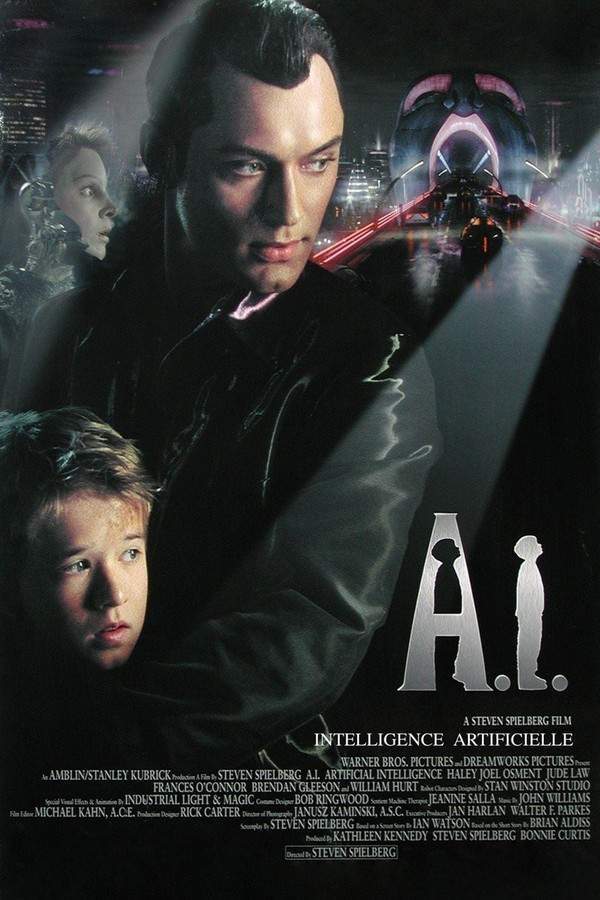
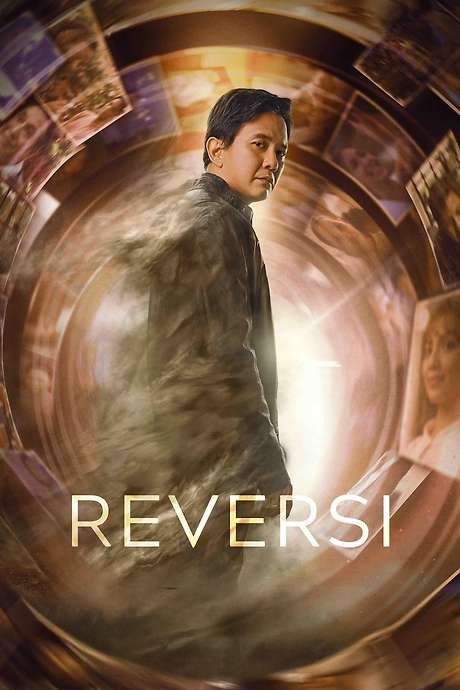
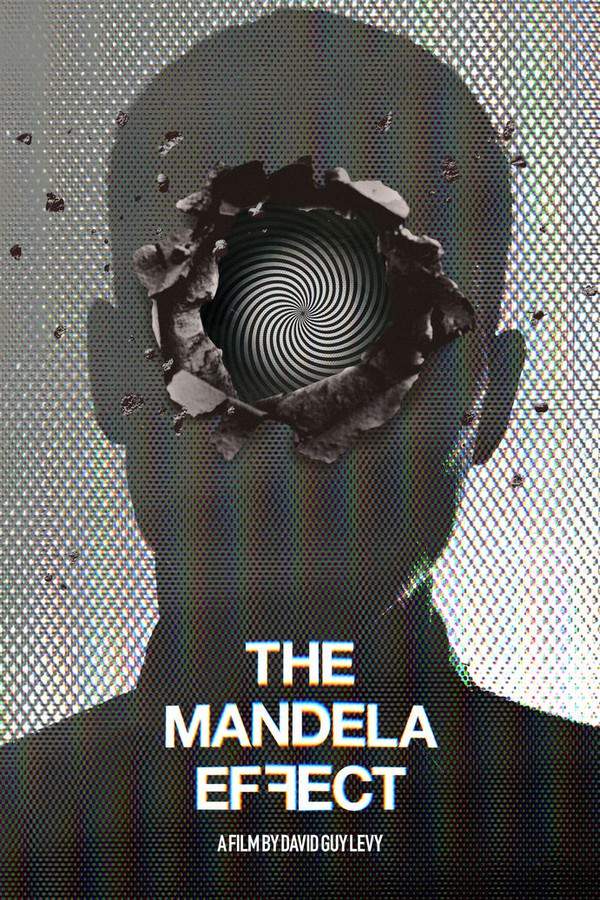
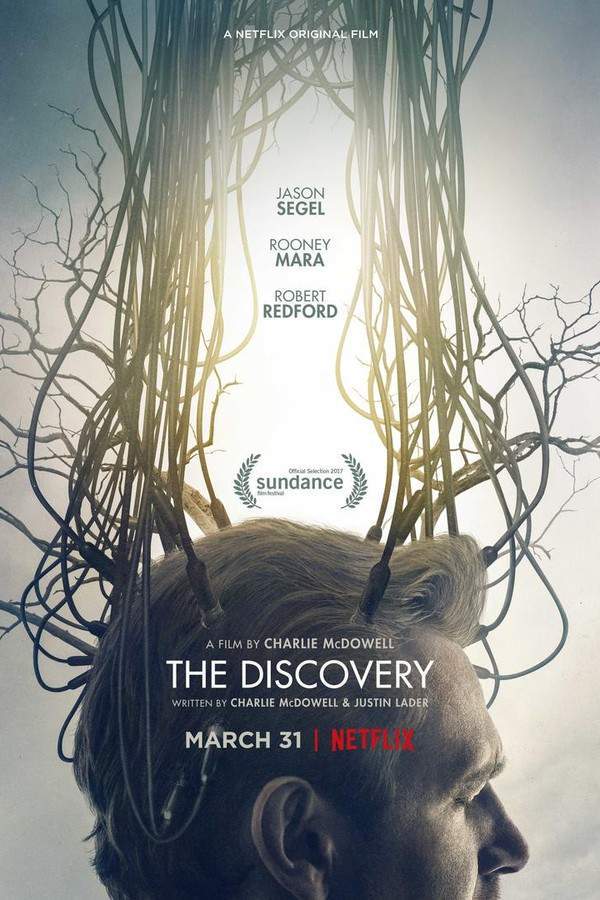
Movies about simulated reality and grief like The Great Flood

Stories where artificial consciousness grapples with human loss through repeated simulations. For viewers fascinated by The Great Flood's twist exploring AI and simulated trauma, this list features similar sci-fi dramas that delve into existential questions, artificial consciousness, and the heavy emotional weight of processing loss through technology.

  • unsettling
  • trippy
  • emotional
  • sorrowful
  • existential
  • psychological
  • Tone: melancholic, unsettling, bittersweet
  • Pacing: variable, reflective
Why these movies?

The story pattern: The narrative pattern often involves a reveal or gradual understanding that the events are not objectively real but a constructed simulation, often created to cope with a core trauma. The journey is emotionally heavy, focusing on the cyclical nature of grief and the blurred lines between memory, reality, and artificial experience.

Why they belong together: These films are grouped by their complex, layered narratives and their shared focus on heavy themes like existential dread, the psychology of grief, and the ethical or philosophical implications of consciousness within a simulated environment.

Every angle

The Great Flood (2025) Explained: Plot, Ending, Timeline & Characters

Everything about The Great Flood in one place: what happens in the plot summary, the timeline in chronological order, the characters and meaning, the ending explained and a spoiler-free summary. What's After the Movie adds the cast, box office and post-credit scenes.

Coming soon on iOS and Android

The Plot Explained Movie Summary App

Plot summaries, endings explained and timelines on your phone. Catch up on any movie in minutes, save your favorites and never miss a twist again.

Be the first to know when we launch. Your email stays private, always.

Learn more about the app