Year: 2011
Runtime: 103 mins
Language: German
Director: Markus Imboden
In 1955 Switzerland, orphan Max is placed as a foster child on the Bösiger farm, where he is used as labor and bullied by the son. His only solace is playing the accordion. When a new teacher defends him, the situation worsens. Max relies on his friendship with fellow farmhand Berteli, sharing daydreams of a silver‑forked Argentina.
Get a spoiler-free look at The Foster Boy (2011) with a clear plot overview that covers the setting, main characters, and story premise—without revealing key twists or the ending. Perfect for deciding if this film is your next watch.
In the quiet valleys of 1955 Switzerland, a modest farm becomes the unlikely backdrop for a tale of longing and resilience. The Bösiger household opens its doors to children without families, offering shelter and a strict routine that blurs the line between care and labor. Against this rustic rhythm, the world feels both timeless and tinged with the subtle unease of post‑war change, where every sunrise carries a promise of escape and every dusk holds whispered doubts.
Max, an orphan with a restless spirit, arrives clutching the only thing that makes the world audible to him: an accordion. Music is his private refuge, a way to shape the cold stone of his new life into something warm and personal. He quickly meets Berteli, another foster child whose quiet strength mirrors his own yearning. Their friendship blooms in the shadow of the farm’s demanding chores, and together they sketch vivid daydreams of a distant, silver‑forked Argentina—an imagined horizon where their talents might finally find a stage.
The farm’s atmosphere shifts when Miss Sigrist, a compassionate teacher, takes an interest in the children’s hidden gifts. Her encouragement hints at possibilities beyond the fields, while the presence of Jakob, the son of the household, adds an edge of tension that keeps the children’s hopes precarious. Within this blend of pastoral beauty, muted rebellion, and heartfelt ambition, the story sways between melancholy and the stubborn optimism of youth, inviting the audience to wonder how far a shared dream and a simple melody can carry two vulnerable souls.
Last Updated: September 26, 2025 at 04:39
Discover curated groups of movies connected by mood, themes, and story style. Browse collections built around emotion, atmosphere, and narrative focus to easily find films that match what you feel like watching right now.
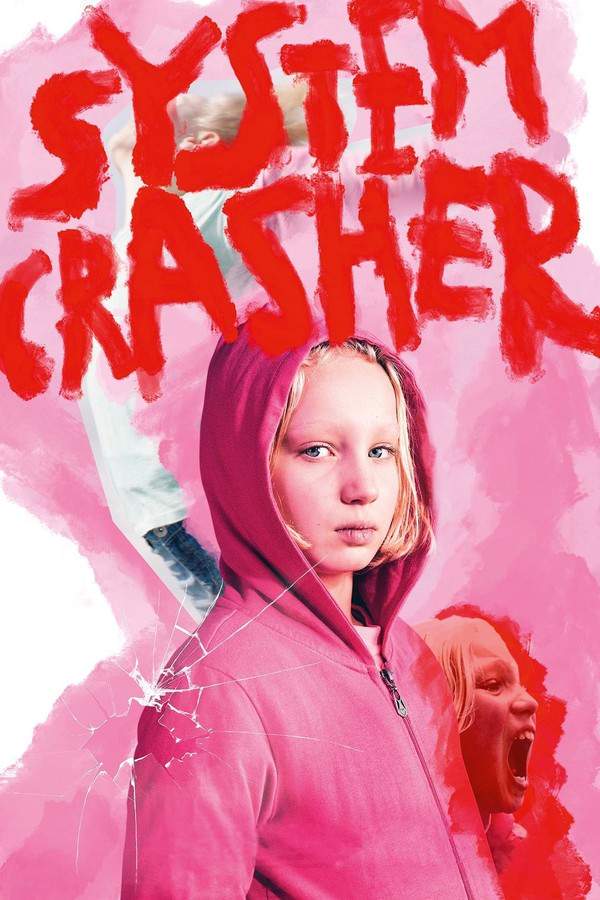
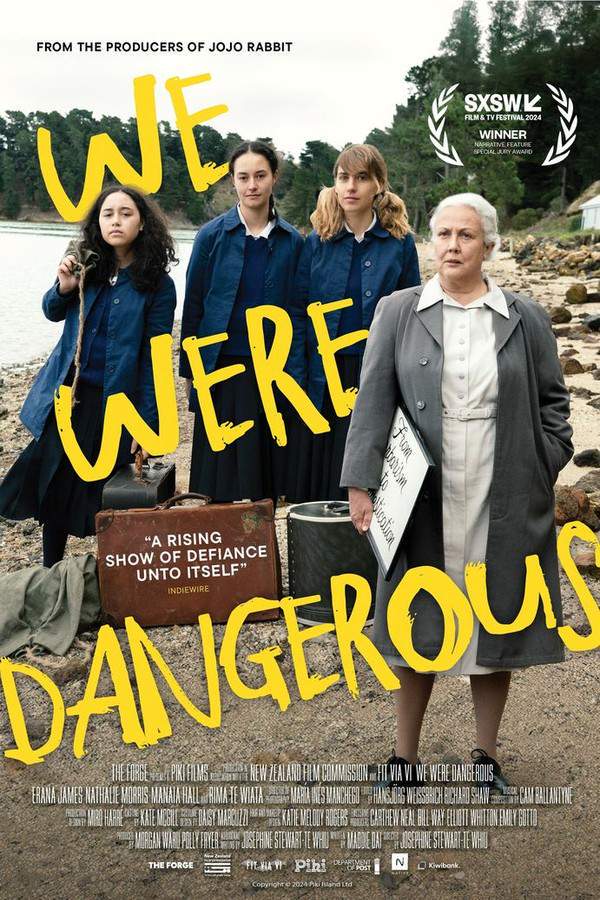
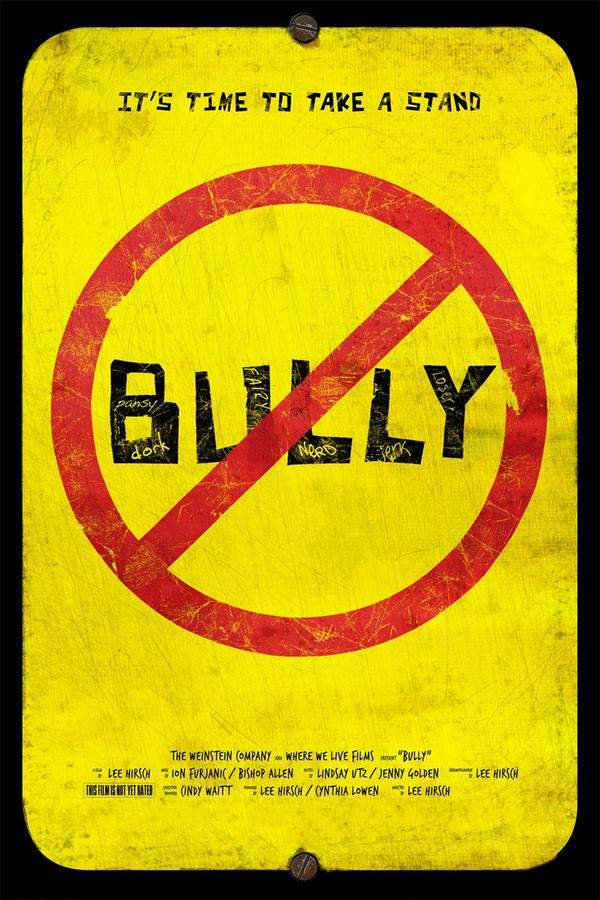
Stories of young protagonists surviving cruelty within a failing system.If you were moved by The Foster Boy's depiction of a child's struggle, explore more movies like it. These dramas showcase young protagonists surviving oppressive systems, finding solace in friendship, and clinging to hope against overwhelming odds.
These narratives typically follow a young protagonist placed in a hostile environment—be it an orphanage, a brutal foster home, or a repressive institution. The plot is a linear accumulation of hardships, where the central conflict is the struggle to maintain one's humanity and spirit in the face of relentless cruelty, often with a bittersweet or tragic resolution.
Movies are grouped here for their shared focus on a child's perspective of suffering, the heavy emotional weight of their journey, and the theme of institutional failure. They create a similar viewing experience of somber empathy and a deep investment in the protagonist's survival.
Where characters find solace in dreams, but freedom comes with a cost.Fans of The Foster Boy's themes of dreams and escape will appreciate these similar movies. Discover stories where characters use imagination and friendship to cope with a harsh world, often leading to a victory that is poignant and mixed with sadness.
The narrative pattern involves a protagonist using a specific form of escapism—music, a promised land, a fantasy world—as a coping mechanism for an unbearable reality. The climax often involves achieving the dream, but the conclusion is bittersweet, as the escape is achieved only after significant personal tragedy or the loss of a crucial relationship.
These films share a specific emotional mix: the crushing weight of a dark reality contrasted with the luminous hope of an escape fantasy. They are united by a bittersweet ending feel, where victory is real but deeply stained by the cost required to attain it.
Don't stop at just watching — explore The Foster Boy in full detail. From the complete plot summary and scene-by-scene timeline to character breakdowns, thematic analysis, and a deep dive into the ending — every page helps you truly understand what The Foster Boy is all about. Plus, discover what's next after the movie.
Read a complete plot summary of The Foster Boy, including all key story points, character arcs, and turning points. This in-depth recap is ideal for understanding the narrative structure or reviewing what happened in the movie.
Track the full timeline of The Foster Boy with every major event arranged chronologically. Perfect for decoding non-linear storytelling, flashbacks, or parallel narratives with a clear scene-by-scene breakdown.
Discover the characters, locations, and core themes that shape The Foster Boy. Get insights into symbolic elements, setting significance, and deeper narrative meaning — ideal for thematic analysis and movie breakdowns.
Visit What's After the Movie to explore more about The Foster Boy: box office results, cast and crew info, production details, post-credit scenes, and external links — all in one place for movie fans and researchers.