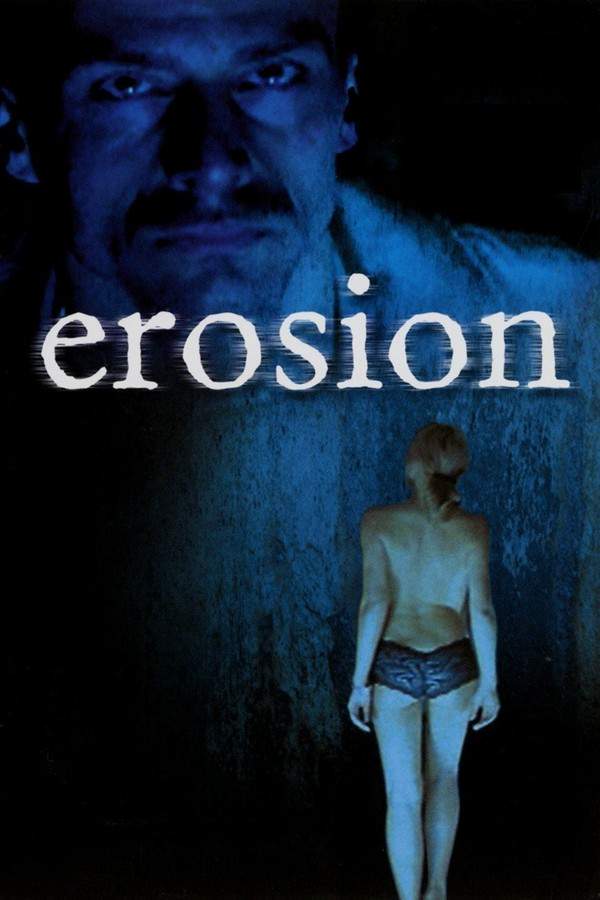
Set in modern Kaohsiung, Taiwan, the film centers on Ah Jie, Lee Kang-sheng, a former stockbroker who has just lost his job and is scraping by by selling off his designer furniture. The notorious opening sequence lingers on the protagonist as he reclines on a designer sofa in his apartment, watching a cookery segment where a carp is swiftly scaled, gutted, cooked and served alive, its mouth still rhythmically opening and closing. He survives on instant noodles, tends a closet nursery full of marijuana plants, and reaches out to counselor Chyi, Liao Hui-jen, on a suicide hotline.
On the line, Jie longs for more than the routine conversation and begins to picture Chyi in a more intimate light, a fantasy that haunts his days. In the real world, Chyi is a young, somewhat overwhelmed counselor who guides callers from a bustling hotline center. She is cautious about crossing boundaries, yet Jie’s insistence and loneliness push the connection into increasingly personal territory. Meanwhile, Jie’s life at home is fraying: his former status and possessions feel hollow, and the tension at the hotline bleeds into his attempts to reach out to someone who might listen. The narrative threads weave between his fragile mental state and the stark, unglamorous reality of his marital home, where Chyi’s own life—her husband, a social circle, and the pressures of a routine existence—offers a counterpoint to Jie’s escalating desperation.
In the street below the apartment, Shin, Ivy Yin, the newest betel nut girl at the busy kiosk, struggles to find her footing among the more established workers. Jie crosses paths with Shin, paying for cigarettes with an out‑of‑circulation coin and eventually asking her to drive him somewhere. The two strike up a transactional, tentative bond, culminating in a spontaneous night out: they slip into a used-car lot, Jie unlocks a car with a spare key, and the pair roam the city, photographing themselves with a speed camera and sharing a joint of Jie’s homegrown marijuana. What begins as a momentary companionship deepens into an intimate connection as Jie cradles Shin’s face with his hands to let her breathe in his exhaled smoke, and the two drift into a charged, almost choreographed bout of closeness.
That closeness leads to a cascade of dramatic moments. After their night together, Chyi contacts Jie via MSN, her profile showing a thinner coworker who Jie assumes is the one in the photo. Chyi plays along, and Jie’s fixation on this imagined image intensifies, sparking a hunt as he shadows the real Chyi’s itinerary around the city. The kiosk’s atmosphere darkens as a more established girl faces danger after a violent incident with a client; Jie brings his marijuana to share with the betel nut girls, a moment that hints at how his plants have become a kind of magical lure in a world of lackluster routine. The scene tops with Jie and Shin sharing a hazy rooftop moment where the city’s brand logos flash across their entwined bodies, a surreal aside that underscores Jie’s waning grip on reality.
The morning after, Shin returns to Jie’s apartment with water, only to discover the place deprived of power and water because Jie has fallen behind on bills. She offers to help, hinting at a possible future, but Jie rejects the idea of discussing his debts. Enraged by her misreading of his needs, Shin confronts him and shatters his marijuana plants, smashing the pots and scattering the greens across the floor. The incident seeds a new turn in Jie’s desperation: he sells the rest of his possessions—his TV, his sofa—and uses the proceeds to buy lottery tickets, clinging to a lottery‑dream as a last lifeline.
Jie’s sense of isolation intensifies and he uses the hotline to reach out to Chyi once more. Meanwhile, the sequence at a roadside restaurant is framed by Chyi watching a cooking program that replays the film’s opening scene of the carp, a meta‑layer that unsettles her as she receives a text: Jie has called to say he intends to kill himself and has left an address. She hurries to his apartment building as the story follows Jie’s mounting crisis. In the apartment, Jie tries to end his life by turning on the stove’s gas canister and lying on the floor; he wakes later to find the canister empty, and he crawls toward the windows, stepping onto the sill as Chyi rushes up the stairs. Simultaneously, Shin reappears at the street kiosk, unaware of the exact circumstances unfolding inside. When Chyi bursts into the apartment, she finds it empty; looking down from the street, Shin is suddenly showered with a rain of lottery tickets, and Jie seems to have vanished somewhere between the window and the street, leaving the film with a haunting image of disappearance and unresolved longing.