Plot Explained Spoilers guaranteed!
Plot Explained

Browse by genre

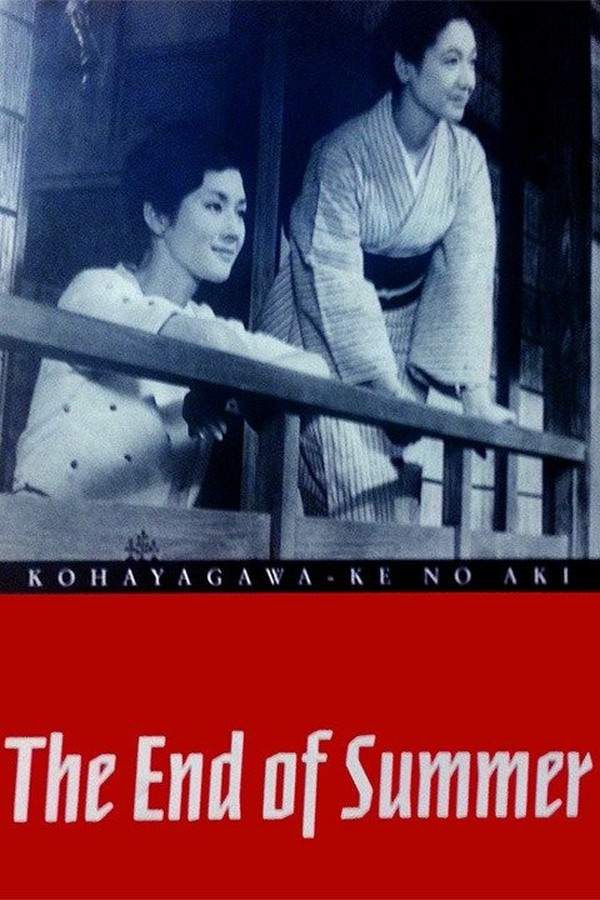
The End of Summer (1962) movie poster

Characters & Themes

The End of Summer (1962) Characters, Setting & Themes Explained

Release, runtime and language
1962 · 103 min · Japanese
Directed by
Yasujiro Ozu
Starring
Keiju Kobayashi, Yôko Tsukasa, Reiko Dan, Haruko Sugimura, Setsuko Hara, Chieko Naniwa

A widowed sake brewer's quiet life is disrupted when his three daughters return to their family home. As Manbei explores a new romance, the reunion stirs up buried secrets and long-held truths. The daughters’ return challenges family dynamics and exposes complex relationships, testing the strength of love and loyalty among them.

On this page (6)
  1. 1 Characters explained (5)
  2. 2 Where & when it takes place
  3. 3 Themes & meaning (3)
  4. 4 Character & meaning questions
  5. 5 Movie threads
  6. 6 Every angle

5 main characters · contains spoilers

The End of Summer Characters Explained: Who Is Who

The main characters of The End of Summer (1962), heroes and villains: what drives them, how they change over the course of the story and what each of them reveals about the film's bigger ideas.

  • Manbei Kohayagawa

    played by Ganjirô Nakamura

    The patriarch of the Kohayagawa family, Manbei is a traditional man resistant to change yet deeply cares for his family. His quest to see his daughters settled reflects his values and the pressure of familial expectations. His moral struggles and personal choices significantly impact the family's fate.

    • 👴 Patriarch
    • 🍶 Brewery Owner
    • 💔 Romantic
  • Akiko

    played by Setsuko Hara

    Akiko, Manbei's daughter-in-law, is actively involved in the arts and carries the weight of her family’s expectations. Her hesitation in romantic endeavors illustrates her internal conflict between independence and societal pressures. She is a pivotal character whose choices affect family harmony.

    • 👩‍🎨 Artist
    • ❤️ Romantic Interest
    • 💼 Career-driven
  • Noriko

    played by Yôko Tsukasa

    Manbei's younger daughter, Noriko, works in an office and grapples with her feelings for Teramoto. Her character embodies the youthful longing for love and the struggle against the constraints of her environment. She wishes to pursue her heart but is often stifled by tradition.

    • 💼 Office Worker
    • 💘 Unrequited Love
    • 🌹 Hopeful
  • Fumiko

    played by Michiyo Aratama

    Fumiko, Manbei's daughter, is caught between her loyalty to family and her father's past choices. Her character showcases the clash between tradition and modern values, as she navigates the complexities of her father's relationships while safeguarding her family’s honor.

    • 👩‍👧 Protector
    • 💔 Discontented
    • 🔍 Truth-seeker
  • Isomura Ei'ichiro

    played by Hisaya Morishige

    A widower introduced to Akiko as a potential romantic match, Isomura represents the theme of second chances in love. His earnest approach adds tension to Akiko's narrative, showcasing the struggles of moving on while addressing unresolved feelings.

    • 👨‍🦰 Widower
    • 💖 Hopeful
    • 🎨 Art Enthusiast

Last updated: October 22, 2024 at 21:52

Was this helpful?

Setting

Where and When Does The End of Summer Take Place?

The setting of The End of Summer (1962): the year and time period, the places and locations, and how they shape the characters, the mood and the tension of the story.

Time period

The film reflects post-war Japan, a time when family dynamics were shifting and societal roles were evolving. The challenges faced by the characters illustrate the tension between tradition and modernity, focusing on familial obligations and personal desires.

Location

Kyoto, Osaka, Sapporo, Arashiyama

The movie takes place in various locations significant to Japanese culture and history. Kyoto, known for its classical architecture and gardens, is home to the modest sake brewery where the family resides. Osaka, a bustling city known for its modern urban lifestyle, serves as the home of Akiko and Noriko, while Arashiyama provides a serene backdrop for important family gatherings.

  • 🏯 Historical
  • 🌆 Urban
  • ⛰️ Scenic

Last updated: October 22, 2024 at 21:52

Was this helpful?

3 major themes

The End of Summer Meaning: Themes & Message Explained

What is The End of Summer (1962) really about? The emotional, social and philosophical themes the film keeps returning to, its symbolism and the message beneath the surface.

  • Love & Loss

    The complexities of love are at the forefront, as characters navigate romantic relationships, familial responsibilities, and the loss of loved ones. Manbei's relationships and the resulting consequences highlight the fragility of happiness and connection within a family. The theme of longing resonates as characters grapple with their unacknowledged feelings and ambitions.

  • Family Dynamics

    The film poignantly explores family ties, emphasizing the importance of legacy and tradition. The interactions among the Kohayagawa family reveal deep emotional bonds but also underlying conflicts. As they confront their shared history, the family's unity is tested by personal choices and external pressures.

  • Heritage

    Set against the backdrop of a sake brewery, the movie emphasizes themes of cultural heritage and the significance of preserving family traditions. The brewery symbolizes not only the family's livelihood but also their connection to past generations, illustrating how heritage influences present decisions and relationships.

Last updated: October 22, 2024 at 21:52

Was this helpful?

Character & theme questions

The End of Summer Characters & Meaning: Your Questions Answered

The questions people ask about The End of Summer (1962): who the characters really are, their relationships, what the symbols mean, where it takes place and what the movie is really about. Each answer contains spoilers.

Q1

What is the significance of the sake brewery setting in the film?

The sake brewery in Kyoto serves as the symbolic heart of the Kohayagawa family, representing their heritage and connection to past generations. It embodies the family's livelihood and cultural legacy, illustrating how tradition shapes present decisions and relationships. The brewery's presence grounds the film in Japanese artisanal heritage and provides the backdrop for the family's emotional dynamics.

  • kyoto
  • sake brewery
  • family heritage
  • tradition
Q2

How do the different locations reflect the story's themes?

The contrast between Kyoto's traditional sake brewery and Osaka's modern urban environment mirrors the film's exploration of tradition versus modernity. Kyoto represents the family's roots, legacy, and established social expectations, while Osaka embodies the younger generation's pursuit of independence and personal desires. Arashiyama provides a serene middle ground where family gatherings occur, highlighting moments of unity amid these cultural tensions.

  • kyoto
  • osaka
  • arashiyama
  • tradition vs modernity
Q3

What does the post-war setting reveal about the characters' struggles?

Set in post-war Japan, the film captures a period when traditional family structures were being challenged by changing social norms. The characters navigate the tension between honoring familial obligations and pursuing personal desires, reflecting broader societal shifts in Japanese family dynamics. This era provides context for the characters' internal conflicts between maintaining legacy and embracing new ways of living.

  • post-war japan
  • family dynamics
  • tradition
  • modernity
Q4

How does the film explore love and loss?

The film places love and loss at its core, showing characters grappling with romantic relationships, familial responsibilities, and grief. Manbei's romantic pursuits and the daughters' emotional journeys highlight the fragility of happiness within family bonds. Characters experience longing for unacknowledged feelings and ambitions, creating a poignant examination of how love intersects with duty and personal growth.

  • love
  • loss
  • longing
  • family bonds
Q5

What makes the family dynamics in the film complex?

The Kohayagawa family's interactions reveal deep emotional bonds alongside underlying conflicts. As characters confront their shared history, personal choices and external pressures test the family's unity. The daughters' return to the family home challenges existing relationships and exposes buried secrets, demonstrating how love and loyalty exist in tension with individual desires and past grievances.

  • family dynamics
  • conflict
  • unity
  • loyalty
Q6

Why is heritage an important theme in the movie?

Heritage permeates the film through the sake brewery, which symbolizes the family's livelihood and connection to ancestors. The brewery's fate, whether to continue or merge, represents the broader question of preserving cultural traditions in a changing world. Characters' decisions are influenced by their sense of duty to past generations, making heritage a driving force behind many of the film's emotional conflicts.

  • heritage
  • tradition
  • sake brewery
  • legacy
Q7

What defines Manbei as the family patriarch?

Manbei Kohayagawa is portrayed as a traditional patriarch who resists change yet deeply cares for his family. His primary concern is seeing his daughters settled, reflecting both paternal love and the pressure of familial expectations. His moral struggles and personal choices significantly impact the family's fate, embodying the tension between individual desires and family obligations that defines the film.

  • manbei
  • patriarch
  • family expectations
  • tradition
Q8

What internal conflict does Akiko face?

Akiko, Manbei's daughter-in-law who is involved in the arts, carries the weight of her family's expectations while grappling with her own desires. Her hesitation in romantic endeavors illustrates her struggle between independence and societal pressures. Her pivotal choices affect family harmony, making her a central figure in exploring how personal desires collide with traditional roles.

  • akiko
  • independence
  • societal pressure
  • art
Q9

What motivates Noriko's emotional journey?

Noriko, Manbei's younger daughter who works in an office, embodies youthful longing for love while constrained by traditional expectations. Her feelings for Teramoto represent her desire to pursue her heart against environmental pressures. Her character illustrates the younger generation's struggle to balance personal happiness with familial and societal obligations during a time of cultural transition.

  • noriko
  • teramoto
  • love
  • tradition
Q10

How does Fumiko navigate tradition and modernity?

Fumiko, Manbei's daughter, is caught between loyalty to her family and her father's past choices. Her character showcases the clash between tradition and modern values as she navigates her father's relationships while safeguarding her family's honor. Her journey reflects the broader theme of how past actions ripple through generations and impact present family dynamics.

  • fumiko
  • tradition
  • modernity
  • family honor
Q11

What role does Isomura play in the story's themes?

Isomura Ei'ichiro, a widower introduced as a potential match for Akiko, represents the theme of second chances in love. His earnest approach introduces tension to Akiko's narrative and showcases the struggles of moving on while addressing unresolved feelings. His character adds depth to the film's exploration of love after loss and the possibility of new beginnings.

  • isomura
  • second chances
  • love
  • moving on
Q12

What contributes to the film's melancholic tone?

The film's melancholic tone stems from its deliberate, slow pacing and focus on emotional nuance rather than plot events. A pervasive sense of quiet sadness and reflection defines the narrative, dealing with themes of mortality, family strife, and the passage of time. This autumnal quality creates an atmosphere of reflective sorrow that permeates the family's interactions and individual struggles.

  • melancholy
  • tone
  • reflection
  • emotional nuance

Movie threads

More Movies Like The End of Summer, by Mood & Story

Curated lists built around what makes The End of Summer tick: the same mood, the same kind of story or the same emotional payoff. Each list explains why these movies belong together.

Autumnal family stories like The End of Summer

Gentle stories of family secrets and emotional shifts as seasons change. If you liked the gentle, melancholic family dynamics of The End of Summer, you'll find similar movies here. These dramas explore buried secrets and complex relationships against a nostalgic, reflective backdrop, often with a bittersweet emotional tone and a focus on legacy.

  • autumnal
  • melancholic
  • nostalgic
  • family-centered
  • reflective
  • gentle
  • Tone: melancholic, bittersweet, reflective
  • Pacing: slow, deliberate, character-driven
Why these movies?

The story pattern: Narratives typically revolve around a family reunion or gathering that acts as a catalyst, bringing hidden tensions, past romances, and generational conflicts to the surface. The story unfolds through quiet conversations and poignant reflections rather than dramatic events, leading to a resolution that acknowledges both loss and the continuity of life.

Why they belong together: They are grouped by their shared autumnal atmosphere, which mirrors the emotional themes of change, maturity, and letting go. The combination of a slow pace, melancholic tone, and focus on family legacy creates a coherent, deeply reflective viewing experience.

Movies about quiet family secrets like The End of Summer

Stories where a tranquil surface hides complex truths that slowly emerge. Discover films similar to The End of Summer that focus on the gentle uncovering of family secrets. These stories feature moderate complexity, a slow-burn pacing, and a medium emotional weight, delivering a poignant look at how buried truths reshape relationships.

  • quiet
  • somber
  • reflective
  • melancholic
  • family dynamics
  • buried secrets
  • Tone: melancholic, somber, reflective
  • Pacing: slow, deliberate unfolding
Why these movies?

The story pattern: The narrative pattern involves a catalyst—often a return home or a family event—that disrupts a fragile peace. Secrets related to romance, parental figures, or legacies are revealed not through grand confrontation, but through implication, withheld glances, and quiet dialogue, forcing characters to reassess their past and present.

Why they belong together: They share a specific narrative engine: the slow, deliberate revelation of a secret that reconfigures familial understanding. The similarity lies in the pacing of the reveal and the focus on the emotional aftermath rather than the secret's dramatic potential, creating a consistently thoughtful and melancholic vibe.

Every angle

The End of Summer (1962) Explained: Plot, Timeline & Characters

Everything about The End of Summer in one place: what happens in the plot summary, the timeline in chronological order, the characters and meaning and a spoiler-free summary. What's After the Movie adds the cast, box office and post-credit scenes.

Coming soon on iOS and Android

The Plot Explained Movie Summary App

Plot summaries, endings explained and timelines on your phone. Catch up on any movie in minutes, save your favorites and never miss a twist again.

Be the first to know when we launch. Your email stays private, always.

Learn more about the app