








Plot Explained Spoilers guaranteed!
Plot Explained

Browse by genre

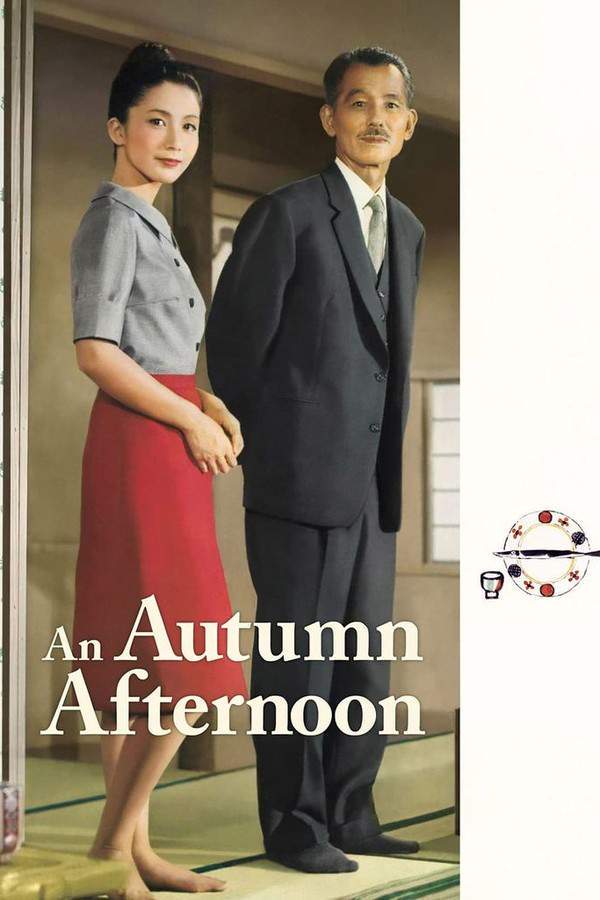
An Autumn Afternoon (1964) movie poster

Characters & Themes

An Autumn Afternoon (1964) Characters, Setting & Themes Explained

Release, runtime and language
1964 · 113 min · Japanese
JustWatch #24,194 4
Directed by
Yasujiro Ozu
Starring
Eijirô Tôno, Chishû Ryû, Kuniko Miyake, Nobuo Nakamura, Shima Iwashita, Keiji Sada

A respected businessman reflects on his family relationships as autumn arrives. Shuhei Hirayama grapples with the challenges of raising his sons, particularly his eldest, while also supporting his middle daughter’s romantic aspirations. He also attempts to mend the emotional distance with his youngest child, who carries a history of trauma. The season of change mirrors the shifting dynamics within his household, prompting introspection and a search for understanding among his loved ones.

On this page (7)
  1. 1 Where to watch
  2. 2 Characters explained (4)
  3. 3 Where & when it takes place
  4. 4 Themes & meaning (3)
  5. 5 Character & meaning questions
  6. 6 Movie threads
  7. 7 Every angle

Where to watch

Where to Watch An Autumn Afternoon (1964)

Where can you watch An Autumn Afternoon? Stream, rent or buy it in the US, including on HBO Max, Plex and Amazon Video: current JustWatch availability with up-to-date prices.

Streaming availability powered by JustWatch

4 main characters · contains spoilers

An Autumn Afternoon Characters Explained: Who Is Who

The main characters of An Autumn Afternoon (1964), heroes and villains: what drives them, how they change over the course of the story and what each of them reveals about the film's bigger ideas.

  • Shūhei Hirayama (Chishū Ryū)

    played by Chishû Ryû

    Shūhei Hirayama is a reflective elderly widower balancing the complexities of his present with memories of the past. He grapples with the responsibilities of fatherhood while contemplating his own loneliness and desires for his children's futures. His character represents the struggles of older generations adapting to societal changes.

    • 👴 Elderly
    • ❤️ Fatherhood
    • 🤔 Reflective
  • Kōichi (Keiji Sada)

    Kōichi, Hirayama's married son, is portrayed as somewhat irresponsible and conflicted, showcasing the struggles of balancing his family life with personal desires. His character partly embodies the younger generation's challenges in post-war Japan, navigating between familial duty and individual aspirations. Kōichi's choices also emphasize the impact of parental influence.

    • 👨 Son
    • 🎓 Responsibility
    • 💸 Conflict
  • Michiko (Shima Iwashita)

    Michiko represents the challenges faced by young women in post-war Japan, caught between traditional expectations and personal desires. Her character evolves from a dutiful daughter into a woman confronting the prospects of marriage and independence, reflecting broader societal changes regarding women's roles during this era.

    • 💃 Woman
    • 💔 Independence
    • 📅 Tradition
  • Sakuma (Eijirō Tōno)

    played by Eijirô Tôno

    Sakuma, affectionately known as the *Gourd*, is a former teacher who reflects the impact of past choices on the present. His struggles highlight the theme of unfulfilled dreams, as he navigates a modest life running a noodle shop. The bond he shares with his former students emphasizes the enduring influence of mentorship and friendship.

    • 👨‍🏫 Teacher
    • 🍜 Struggle
    • 👬 Friendship

Last updated: October 22, 2024 at 21:27

Was this helpful?

Setting

Where and When Does An Autumn Afternoon Take Place?

The setting of An Autumn Afternoon (1964): the year and time period, the places and locations, and how they shape the characters, the mood and the tension of the story.

Time period

1962, Post-War Era

The film is set in 1962, during Japan's post-war recovery, a period marked by societal transformation and familial restructuring. This time saw the rise of modern Japanese culture while grappling with the lingering effects of World War II. The characters' memories of the war significantly shape their present lives and relationships.

Location

Tokyo, Wakamatsu Restaurant

Tokyo in 1962 serves as a vibrant backdrop for the movie, showcasing the complexities of post-war family life. The Wakamatsu Restaurant, known as 'Young Pine,' is a gathering place for Hirayama and his former classmates, providing a sense of nostalgia and camaraderie. The city reflects a society navigating change and the aftermath of war, influencing characters' lives deeply.

  • 🏙️ City
  • 🍜 Restaurant

Last updated: October 22, 2024 at 21:27

Was this helpful?

3 major themes

An Autumn Afternoon Meaning: Themes & Message Explained

What is An Autumn Afternoon (1964) really about? The emotional, social and philosophical themes the film keeps returning to, its symbolism and the message beneath the surface.

  • Family Dynamics

    The theme of family dynamics is central to the film, exploring the tensions and bonds between an elderly father and his adult children. As Hirayama navigates his responsibilities as a father, he confronts complexities in his children's lives, particularly his daughter's unfulfilled potential and loneliness. The film presents a poignant reflection on familial love and duty amidst changing societal expectations.

  • Loneliness

    Loneliness permeates the narrative, especially through the character of Hirayama and his former teacher. As they reflect on lost opportunities and unfulfilled dreams, the film illustrates the emotional isolation that can arise within familial relationships. Hirayama’s journey towards arranging his daughter’s marriage highlights the struggle against loneliness both for himself and for his children.

  • Nostalgia

    Nostalgia is a recurring theme, as the characters reminisce about their past at gatherings filled with laughter and camaraderie. The presence of music, particularly the *Warship March*, evokes memories of their youth and wartime experiences. This longing for the past serves as a backdrop to the characters’ current lives, revealing how history shapes their identities.

Last updated: October 22, 2024 at 21:27

Was this helpful?

Character & theme questions

An Autumn Afternoon Characters & Meaning: Your Questions Answered

The questions people ask about An Autumn Afternoon (1964): who the characters really are, their relationships, what the symbols mean, where it takes place and what the movie is really about. Each answer contains spoilers.

Q1

Where does the movie take place?

The film is set in Tokyo in 1962, primarily in the city's everyday surroundings and the Wakamatsu Restaurant, a gathering spot where the characters connect over food and memories.

  • tokyo
  • setting
  • wakamatsu restaurant
  • location
Q2

What time period is shown in the film?

The movie is set in 1962, during Japan's post-war recovery period. This era was marked by significant societal transformation as Japan navigated the aftermath of World War II while embracing modern cultural changes.

  • 1962
  • post-war japan
  • era
  • historical context
Q3

What is the Wakamatsu Restaurant in the story?

Wakamatsu Restaurant, nicknamed 'Young Pine,' is a beloved gathering place where Hirayama meets his former classmates. It serves as a space of nostalgia and camaraderie, connecting the characters to their past and to each other.

  • wakamatsu restaurant
  • young pine
  • gathering place
  • classmates
Q4

What are the main themes of the movie?

The film explores three interconnected themes: family dynamics between a father and his adult children, loneliness felt by characters reflecting on unfulfilled lives, and nostalgia for youth and past connections, all set against the backdrop of post-war Japanese society.

  • family dynamics
  • loneliness
  • nostalgia
  • themes
Q5

What does the film say about family dynamics?

The film examines the tensions and bonds between Hirayama and his children as he confronts their complexities, especially his daughter's loneliness and his son's irresponsibility, while grappling with his own role as a father navigating changing societal expectations.

  • family
  • father
  • children
  • relationships
  • generational
Q6

How is loneliness portrayed in the story?

Loneliness permeates the narrative through Hirayama himself and his former teacher Sakuma. Both men reflect on lost opportunities and unfulfilled dreams, illustrating how emotional isolation can exist even within family relationships.

  • loneliness
  • isolation
  • Hirayama
  • Sakuma
  • emotional
Q7

What role does nostalgia play in the film?

Nostalgia appears through gatherings where characters reminisce about their past, with the Warship March particularly evoking memories of youth and wartime experiences. This longing for the past reveals how history shapes the characters' identities and relationships.

  • nostalgia
  • memories
  • warship march
  • past
  • youth
Q8

Who is Shūhei Hirayama?

Shūhei Hirayama is a reflective elderly widower who balances present responsibilities with memories of the past. He grapples with fatherhood challenges and his own loneliness while seeking his children's happiness, representing older generations adapting to societal changes.

  • Shūhei Hirayama
  • father
  • widower
  • protagonist
Q9

Who is Michiko and what does she represent?

Michiko is Hirayama's daughter who represents the challenges faced by young women in post-war Japan. Her journey from dutiful daughter to woman confronting marriage prospects reflects broader societal changes regarding women's roles during this era.

  • Michiko
  • daughter
  • women
  • marriage
  • independence
Q10

Who is Sakuma in the story?

Sakuma, affectionately called 'Gourd,' is Hirayama's former teacher who now runs a modest noodle shop. His character reflects on past choices and unfulfilled dreams, embodying the theme of how earlier decisions shape one's later life.

  • Sakuma
  • teacher
  • gourd
  • noodle shop
  • mentor
Q11

What does autumn symbolize in the movie?

Autumn serves as a metaphor for life's late stages and the season of change mirroring the shifting dynamics within Hirayama's household. The film's title reflects this sense of transition, decay, and impending loss that comes with time's passage.

  • autumn
  • metaphor
  • season
  • change
  • transition
Q12

How does the post-war setting affect the story?

The post-war setting shapes the characters' lives through collective memories of the war, influencing their present relationships and choices. The era's transformation from traditional to modern Japan creates the backdrop for the family's evolving dynamics and individual struggles.

  • post-war
  • world war 2
  • japan
  • societal change
  • context

Movie threads

More Movies Like An Autumn Afternoon, by Mood & Story

Curated lists built around what makes An Autumn Afternoon tick: the same mood, the same kind of story or the same emotional payoff. Each list explains why these movies belong together.

Quiet family dramas of generational change like An Autumn Afternoon

Subtle stories about families navigating the inevitable shifts of time and age. For viewers who liked the gentle, reflective pace of An Autumn Afternoon, this section features movies like it that explore family relationships and the quiet melancholy of aging. These similar drama films capture the bittersweet feeling of generational change.

  • melancholic
  • reflective
  • family
  • quiet
  • bittersweet
  • nostalgic
  • Tone: melancholic, bittersweet, reflective
  • Pacing: slow, deliberate, observational
Why these movies?

The story pattern: Stories in this thread typically follow a parent, often in the autumn of their life, as they come to terms with their children's independence. The narrative is driven by everyday interactions and conversations rather than major plot twists, building towards a poignant resolution that acknowledges both loss and continuity.

Why they belong together: These films are grouped together for their shared focus on the emotional landscape of family life, their melancholic and reflective tone, and their use of a slow, deliberate pace to let character and atmosphere take precedence over plot.


Meditative character studies in atmospheric settings like An Autumn Afternoon

Films where mood and introspection are the main events, unfolding slowly. If you enjoyed the reflective, atmospheric quality of An Autumn Afternoon, this list highlights movies with a similar vibe. These films share a slow pacing and a focus on mood and character introspection, creating a quietly powerful viewing experience.

  • contemplative
  • atmospheric
  • slow burn
  • introspective
  • quiet
  • subtle
  • Tone: reflective, melancholic, subtle
  • Pacing: slow, atmospheric, immersive
Why these movies?

The story pattern: The narrative pattern is less about a traditional plot and more about a character's emotional journey, often prompted by their environment or a season. The story unfolds through quiet moments and subtle details, allowing the audience to absorb the character's feelings and reflections directly.

Why they belong together: These movies are connected by their meditative quality, their use of a specific atmosphere (often tied to a season or time of day) as a central element, and a pacing that invites the audience to contemplate along with the characters.

Every angle

An Autumn Afternoon (1964) Explained: Plot, Timeline & Characters

Everything about An Autumn Afternoon in one place: what happens in the plot summary, the timeline in chronological order, the characters and meaning and a spoiler-free summary. What's After the Movie adds the cast, box office and post-credit scenes.

Coming soon on iOS and Android

The Plot Explained Movie Summary App

Plot summaries, endings explained and timelines on your phone. Catch up on any movie in minutes, save your favorites and never miss a twist again.

Be the first to know when we launch. Your email stays private, always.

Learn more about the app