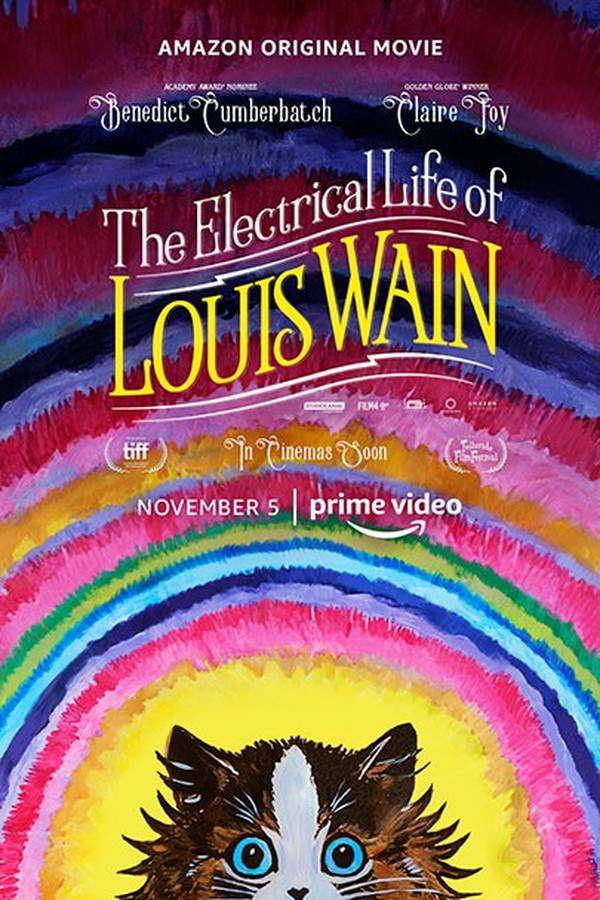
During the late 1800s in Britain, eccentric artist Louis Wain gains recognition for his unique and playful depictions of cats. The film follows his life through the Victorian era and into the 1930s, exploring his artistic evolution and his relationship with his wife, Emily Richardson. It reveals the story of an unconventional man whose work profoundly changed how cats were perceived and celebrated.
Find where to stream, rent, or buy The Electrical Life of Louis Wain (2021) in the US with current JustWatch availability, up-to-date pricing, and platform listings for subscription, rental, and digital purchase options.
Warning: spoilers below!
Haven’t seen The Electrical Life of Louis Wain yet? This summary contains major spoilers. Bookmark the page, watch the movie, and come back for the full breakdown. If you're ready, scroll on and relive the story!
Still thinking about how The Electrical Life of Louis Wain (2021) ended? Here’s a full breakdown of the ending, key final moments, major twists, and the deeper meaning behind the film’s conclusion.
In the end, Louis Wain is shown as an old man lying in a mental hospital, seemingly lost in his own world of memories and visions. His life, marked by brilliance and tragedy, appears to have culminated in this quiet, isolated state. The person who visits him is an old acquaintance, Dan Rider, who was once a fan and supporter. Seeing Louis in such a fragile condition, Dan is struck by the contrast from the lively artist he once knew. Louis’s belief in “electricity” as a force connecting everything—cats, humans, and memories—remains central to his understanding of life. However, Dan offers a different perspective, suggesting that what Louis called “electricity” was really love—the love he shared with Emily, who encouraged him to keep painting and find solace in his art. This reinterpretation adds emotional depth to the story, implying that love, rather than some mysterious energy, was the true driving force behind Louis Wain’s life. As he sits quietly, lost in his thoughts, it becomes clear that Louis’s pursuit of this electric life was ultimately a quest for connection, meaning, and the enduring power of love. His journey ends in introspection, with a reminder that sometimes the most profound forces are found not in the external world but within our hearts. Through his art and his struggles, Louis Wain’s story emphasizes resilience, the importance of love, and the lingering impact of creativity even in the face of mental and emotional pain.
Last updated: June 25, 2025 at 08:44
Read frequently asked questions about the ending of The Electrical Life of Louis Wain (2021), including final-scene interpretation, twist explanations, character outcomes, and the deeper meaning behind the conclusion. This ending explained FAQ is designed for viewers searching for clear spoiler-heavy answers and ending breakdown insights.
Dan Rider, an old acquaintance who was once a fan and supporter of Louis's work, visits him in the mental hospital. Dan is struck by the contrast between the lively artist he once knew and the fragile old man lying in the institution, which serves as the catalyst for his reinterpretation of Louis's life and beliefs.
Earlier in the film, Dan Rider is shown as one of Louis's early supporters who believed in his artistic vision.
Dan suggests that what Louis called "electricity", the force he believed connected cats, humans, and memories, was actually the love he shared with Emily Richardson. This reinterpretation implies that Emily's encouragement, emotional support, and belief in his art were the true driving forces behind Louis's creativity and artistic evolution, not some mysterious external energy.
Throughout the film, Emily is shown encouraging Louis to keep painting, particularly after his cat Peter introduced his distinctive style.
In his final moments, Louis's vision shifts from his current reality in the mental hospital to a reunion with his deceased wife Emily. This final image suggests that despite his mental decline and institutionalization, his deepest connection, to the love of his life, remains his most profound emotional anchor.
Emily's death earlier in the film left Louis devastated, and her memory continues to influence his work and thoughts throughout the narrative.
The film shows Louis lying in the mental hospital in his final state, but the ending focuses on his vision of reunion with Emily rather than the moment of death itself. While physically alone in the institution, the final image emphasizes emotional connection through his vision of his wife, suggesting his story ends with love rather than isolation.
The film establishes that Louis's mental state deteriorated after years of personal tragedies, leading to his institutionalization.
The reunion vision emphasizes that love, not electricity, was the true source of Louis's meaning and creativity. It frames his entire life's pursuit of an "electric" existence as ultimately a quest for connection, and suggests that he finds that connection, in death or in spirit, with the woman who first encouraged his art.
Emily's early encouragement was pivotal in Louis developing his signature cat painting style.
The ending reframes Louis's lifelong belief in "electricity" as a metaphorical misunderstanding of love. Dan Rider's explanation suggests that the energy Louis felt connecting all things was actually the love he experienced, particularly from Emily, which was the real force behind his artistic inspiration and his understanding of life.
Louis's belief in electricity as a connecting force is established early in the film as his central philosophy.
The ending suggests Louis's creativity came from love rather than mystical electricity. Emily's encouragement to keep painting after their cat Peter died, and her belief in his unconventional talent, was the true catalyst for his artistic evolution. This reframes his entire career as stemming from emotional connection rather than external forces.
Emily specifically encouraged Louis to paint after Peter's death, which led to his breakthrough cat illustrations.
The ending shows Louis in a mental hospital to acknowledge the tragic reality of his life, he suffered from mental illness and was institutionalized for years. However, rather than ending on that tragic note, the film offers a bittersweet resolution by showing his final vision of reunion with Emily, suggesting love provided meaning despite his suffering.
The film chronicles Louis's gradual decline through multiple tragedies: Emily's death, his mother's death, his sisters' deaths, and the loss of his patron.
The ending is bittersweet. Louis dies in a mental institution after years of tragedy and mental decline, which is sad. However, his final vision of reunion with Emily and Dan's reinterpretation of his life philosophy suggest that love provided genuine meaning. The public support that improved his care in his final years also adds a note of redemption.
The film balances Louis's playful, revolutionary cat art against the dark tragedies of his personal life throughout.
The final scene maintains the connection between Louis and his lifelong subject matter. His belief that electricity connected all things, including cats and humans, remains central to his worldview. The cats in his final vision represent both his artistic legacy and his belief in the interconnectedness of all life, linking his artistic journey to his philosophical convictions.
Louis's cat paintings revolutionized how cats were perceived in Victorian society and beyond.
Discover curated groups of movies connected by mood, themes, and story style. Browse collections built around emotion, atmosphere, and narrative focus to easily find films that match what you feel like watching right now.
Biopics of visionary creators whose brilliant minds are shadowed by personal tragedy.Discover films that, like The Electrical Life of Louis Wain, chronicle the lives of creative geniuses whose artistic triumphs are intertwined with profound personal suffering. If you were moved by this story of beauty born from pain, you'll find similar biographical dramas here.
These stories typically follow a linear biographical path, charting the rise to acclaim of a unique individual. The central conflict often lies within the protagonist's own mind or circumstances, as external success is juxtaposed with internal turmoil, loss, or mental health struggles, leading to a bittersweet or deeply saddening conclusion.
This thread groups movies that share a focus on the creative process, the burden of genius, and the emotional toll of a life lived outside conventional norms. They are connected by their melancholic tone, heavy emotional weight, and the recurring theme of legacy forged through suffering.
Intimate period dramas where love and loss intertwine amidst societal constraints.If you enjoyed the historical setting and bittersweet romance of The Electrical Life of Louis Wain, explore this collection of period dramas. These movies capture a similar feel of tragic love and personal struggle within the beautiful but constrained world of the past.
Narratives often center on an unconventional individual or couple navigating the rigid structures of their society. A tender romance or passionate pursuit is challenged by illness, loss, or social disapproval, leading to a poignant, emotionally heavy journey that acknowledges the pain of the past while honoring the beauty that existed within it.
Movies in this thread are united by their specific historical atmosphere, a core theme of tragic romance, and a consistent melancholic mood. They share a steady, character-driven pace and use their period setting to amplify the emotional weight of personal dramas.
Don't stop at just watching - explore The Electrical Life of Louis Wain in full detail. From the complete plot summary and scene-by-scene timeline to character breakdowns, thematic analysis, and a deep dive into the ending - every page helps you truly understand what The Electrical Life of Louis Wain is all about. Plus, discover what's next after the movie.
Read a complete plot summary of The Electrical Life of Louis Wain, including all key story points, character arcs, and turning points. This in-depth recap is ideal for understanding the narrative structure or reviewing what happened in the movie.
Track the full timeline of The Electrical Life of Louis Wain with every major event arranged chronologically. Perfect for decoding non-linear storytelling, flashbacks, or parallel narratives with a clear scene-by-scene breakdown.
Discover the characters, locations, and core themes that shape The Electrical Life of Louis Wain. Get insights into symbolic elements, setting significance, and deeper narrative meaning - ideal for thematic analysis and movie breakdowns.
Discover movies like The Electrical Life of Louis Wain that share similar genres, themes, and storytelling elements. Whether you’re drawn to the atmosphere, character arcs, or plot structure, these curated recommendations will help you explore more films you’ll love.
The Electrical Life of Louis Wain (2021) Plot Summary & Movie Recap
The Electrical Life of Louis Wain (2021) Scene-by-Scene Movie Timeline
The Electrical Life of Louis Wain (2021) Movie Characters, Themes & Settings
The Electrical Life of Louis Wain (2021) Spoiler-Free Summary & Key Flow
Movies Like The Electrical Life of Louis Wain – Similar Titles You’ll Enjoy
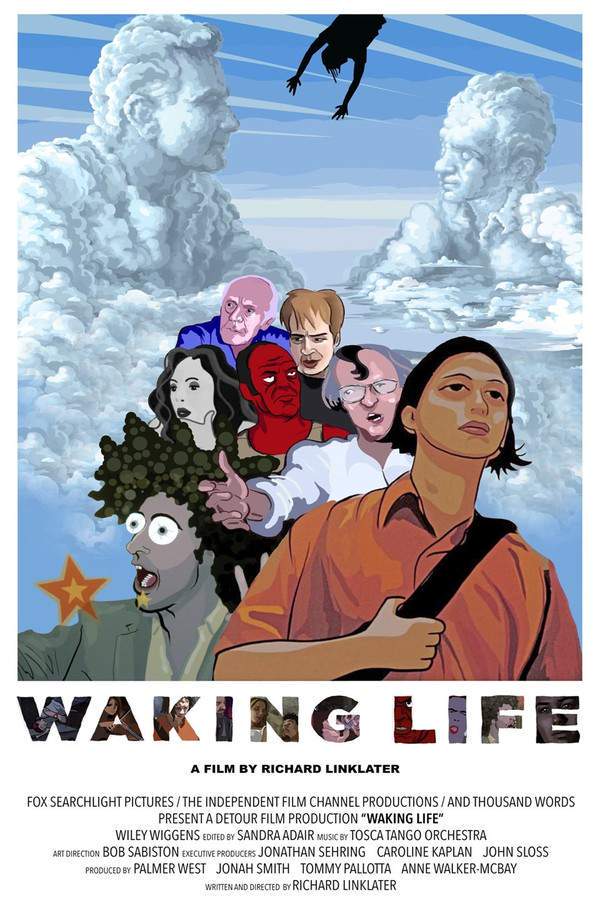
Waking Life (2001) Film Overview & Timeline
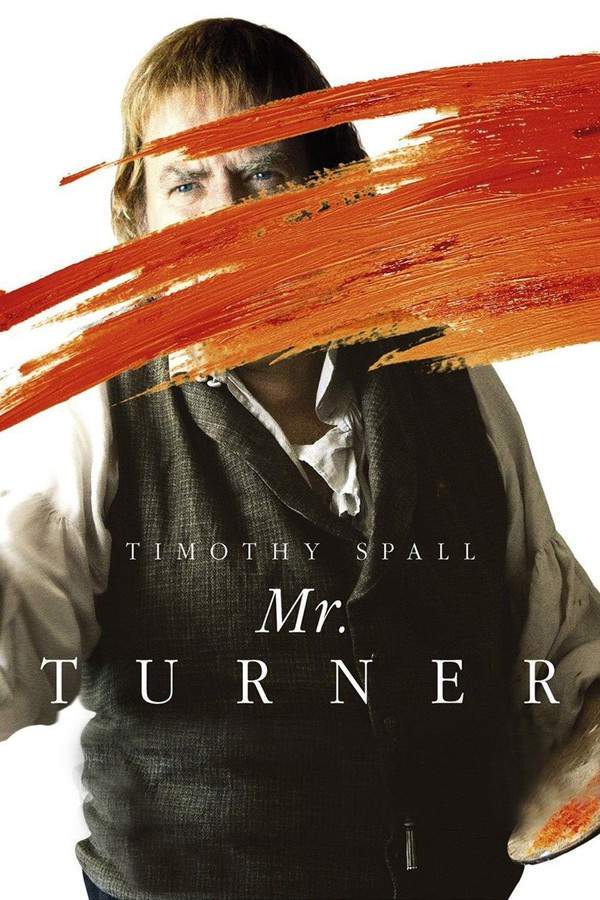
Mr. Turner (2014) Full Summary & Key Details
The Personal History of David Copperfield (2020) Story Summary & Characters
The Woodmans (2011) Detailed Story Recap
At Eternity's Gate (2018) Story Summary & Characters
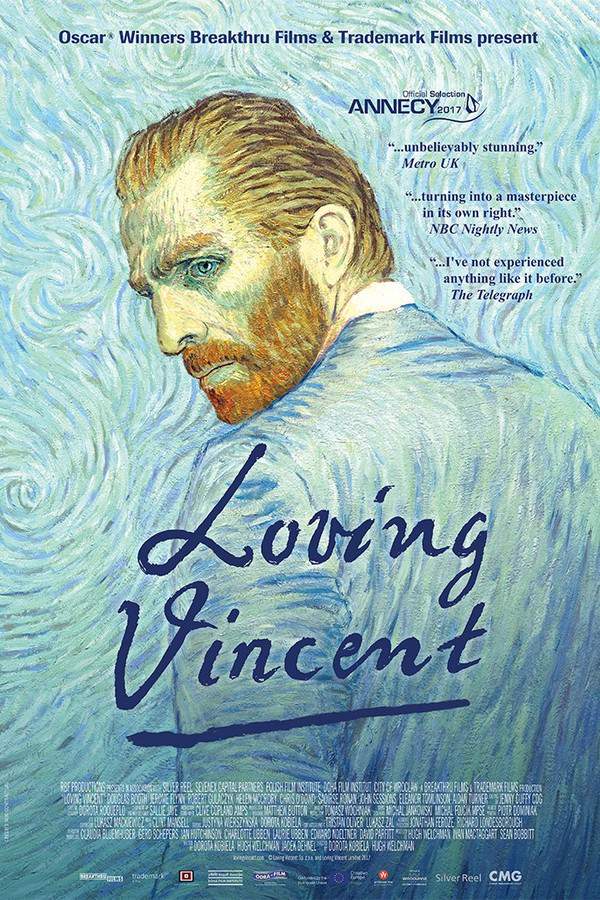
Loving Vincent (2017) Movie Recap & Themes
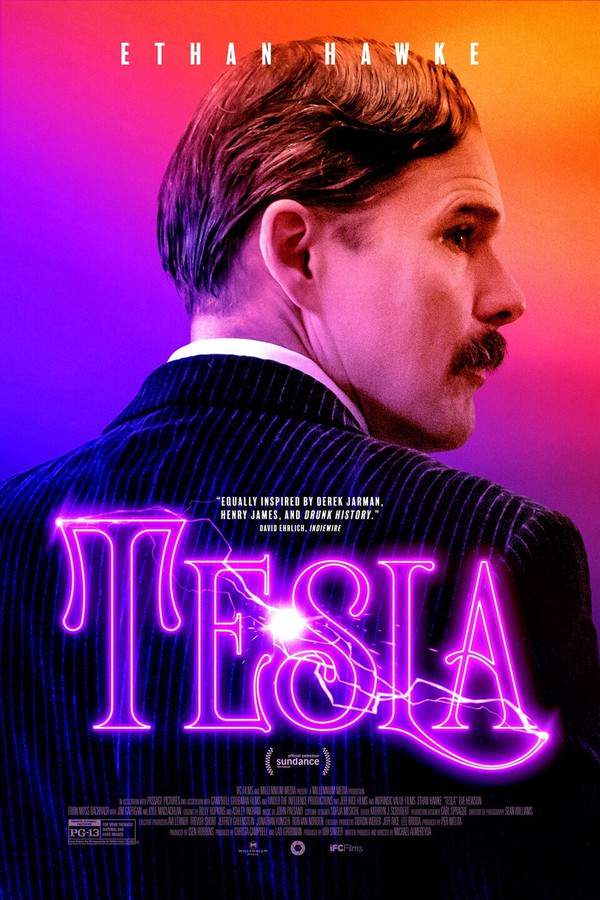
Tesla (2020) Full Movie Breakdown
Awakenings (1990) Ending Explained & Film Insights
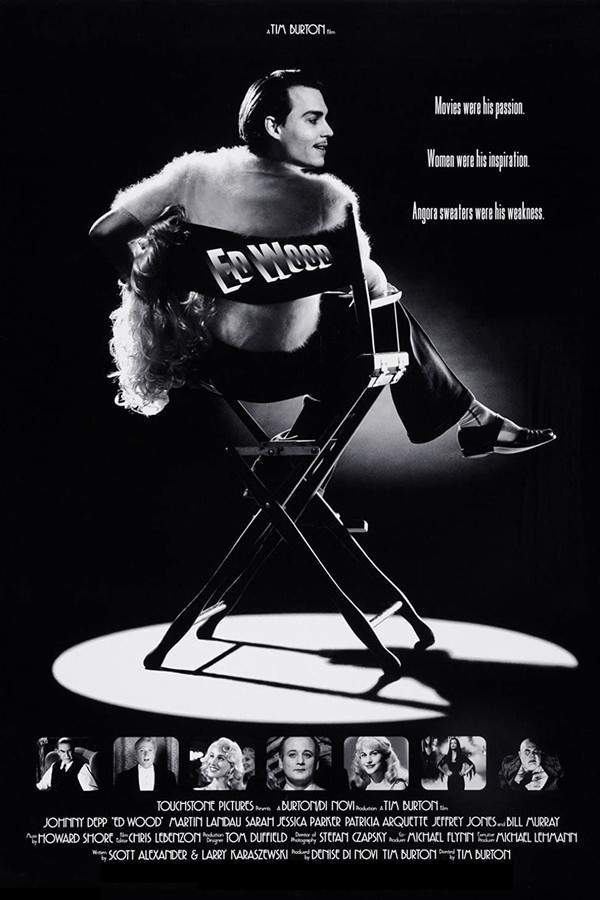
Ed Wood (1994) Complete Plot Breakdown
Vincent (1987) Story Summary & Characters
A British Picture: Portrait of an Enfant Terrible (1989) Full Movie Breakdown
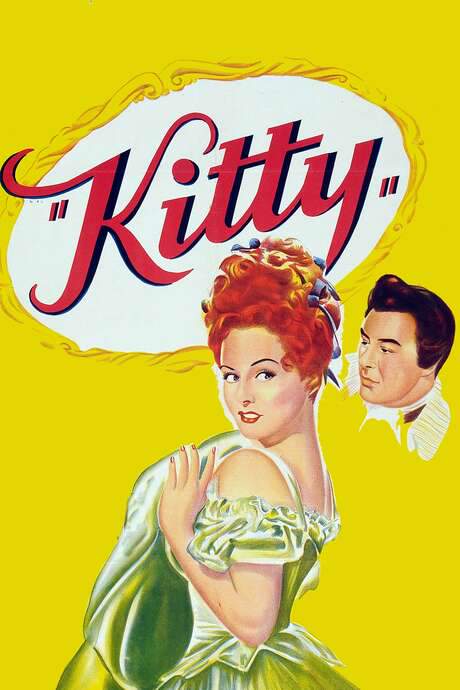
Kitty (1945) Story Summary & Characters
The Magic Box (1951) Spoiler-Packed Plot Recap
The Cat (1971) Complete Plot Breakdown
Lightning Over Water (1980) Plot Summary & Ending Explained