






Plot Explained Spoilers guaranteed!
Plot Explained

Browse by genre

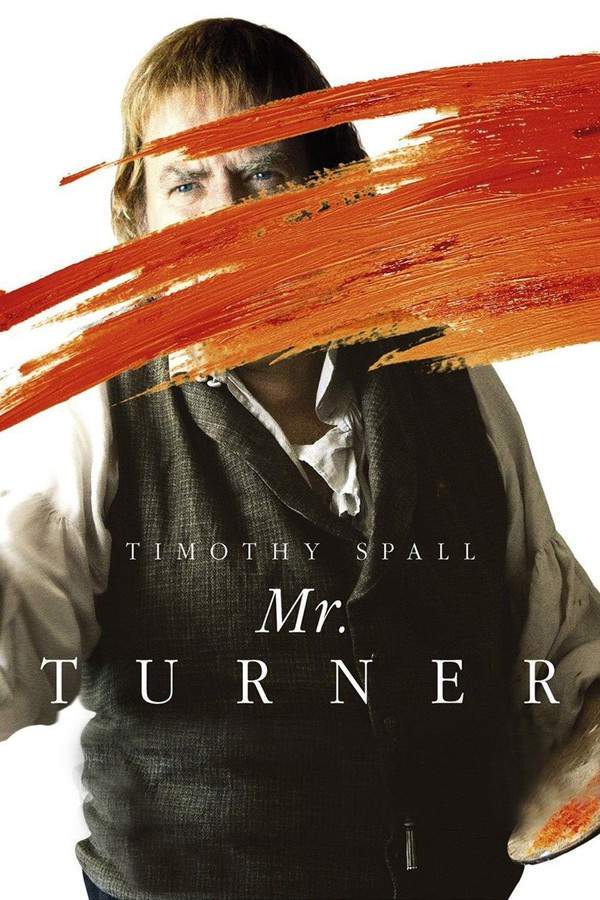
Mr. Turner (2014) movie poster

Plot Summary

Mr. Turner (2014) Plot Summary Explained

Release, runtime and language
2014 · 150 min · English
Directed by
Mike Leigh
Starring
Lesley Manville, Ruth Sheen, Timothy Spall, Karl Johnson, Amy Dawson, Dorothy Atkinson

The film portrays the later years of the renowned painter J.M.W. Turner, depicting his growing eccentricities and the personal struggles that accompanied his artistic obsession. As his fame grows, Turner forms close, unconventional relationships with a landlady and housekeeper while grappling with questions of morality and the inevitability of death. The story explores the complexities of his creative genius and the vulnerability of the man behind the iconic paintings.

On this page (7)
  1. 1 Where to watch
  2. 2 What happens: full plot
  3. 3 Plot questions answered
  4. 4 Movie threads
  5. 5 Movies like Mr. Turner
  6. 6 Categories
  7. 7 Every angle

Where to watch

Where to Watch Mr. Turner (2014)

Where can you watch Mr. Turner? Stream, rent or buy it in the US, including on Amazon Video, Apple TV Store and Fandango At Home: current JustWatch availability with up-to-date prices.

Streaming availability powered by JustWatch

Full plot summary · contains spoilers

What Happens in Mr. Turner: Full Plot Summary

The whole story of Mr. Turner (2014) explained, from the opening scene to the final frame: every key event, every twist and what it all adds up to. Read it as a quick recap before the sequel, to check a scene you missed, or to finally understand what really happened.

The film beautifully explores the final twenty-five years of the life of the renowned British painter, J. M. W. Turner. Deeply impacted by the passing of his father, Turner struggles with his emotions while navigating his complex relationships. Among those is Hannah Danby, his housekeeper, portrayed by Lesley Manville, who remains devoted to him despite often being taken for granted and occasionally objectified. In contrast, he finds solace in a more profound connection with Mrs. Booth, a seaside landlady who eventually becomes his companion, leading a more private life together in Chelsea until his death.

Throughout this period, Turner embarks on numerous adventures—traveling extensively, painting evocatively, and mingling with aristocrats. He even engages in a visit to a brothel and becomes a somewhat erratic yet celebrated figure at the Royal Academy of Arts. In one notable scene, he even straps himself to the mast of a ship to capture the fury of a snowstorm on canvas. Turner experiences the highs of public admiration as well as the lows of critique, receiving mixed feelings from both the elite and the general populace.

One significant event depicted in the film is the memorable Royal Academy salon of 1832, where Turner's seascape, Helvoetsluys, was displayed beside Constable's masterpiece, The Opening of Waterloo Bridge seen from Whitehall. Overwhelmed by the vibrant colors of Constable’s work, Turner's ingenious response was to swiftly add a stroke of red paint to represent a buoy in his own piece, showcasing his innate talent. In a moment of recognition, Constable, played by Timothy Spall, acknowledges Turner's brilliance with the remark, > "He's been here and fired a gun." This interaction encapsulates the tension and respect between two titans of the art world.

Last updated: November 16, 2024 at 16:56

Was this helpful?

Plot questions answered

Mr. Turner Plot Explained: Your Questions Answered

The questions people ask most about Mr. Turner (2014): what happens in the confusing scenes, why the characters do what they do, the twists, hidden details and what the ending means. Each answer contains spoilers.

Q1

Why did Turner strap himself to the mast of a ship?

Turner strapped himself to the mast of a ship during a snowstorm to experience the raw power of nature firsthand. This daring act was driven by his obsessive commitment to capturing authentic weather conditions on canvas. He believed that to paint the fury of a storm realistically, he needed to witness it directly rather than imagine or reference others' descriptions.

Foreshadowing: Earlier scenes show Turner obsessively studying weather patterns and light conditions, demonstrating his relentless pursuit of visual truth in his art.

  • turner
  • ship mast
  • storm painting
  • nature
  • artistic obsession
  • snowstorm
Q2

What happened between Turner and Constable at the 1832 Royal Academy?

At the 1832 Royal Academy exhibition, Turner's seascape Helvoetsluys was displayed alongside Constable's masterpiece The Opening of Waterloo Bridge. Overwhelmed by the vibrant colors of Constable's work, Turner responded by quickly adding a stroke of red paint to represent a buoy in his own painting. Constable then acknowledged Turner's genius with the remark, "He's been here and fired a gun," recognizing how Turner had made a bold artistic statement.

Foreshadowing: The film establishes Turner's competitive nature with other artists throughout his career.

  • turner
  • constable
  • 1832
  • royal academy
  • helvoetsluys
  • waterloo bridge
  • painting rivalry
Q3

Why did Turner add a stroke of red paint to his painting at the exhibition?

Turner added the red buoy stroke in response to seeing Constable's vibrant color palette at the 1832 exhibition. The quick addition was both an impulsive reaction and a strategic move, turning what could have been seen as artistic weakness into a bold statement. This moment showcased Turner's ability to think and react instantly, transforming his work in real-time to compete with a rival artist's brilliance.

Foreshadowing: Earlier scenes demonstrate Turner's quick thinking and willingness to take risks with his compositions.

  • turner
  • red buoy
  • painting
  • constable
  • 1832 salon
  • artistic response
Q4

How did the death of Turner's father impact him?

The death of Turner's father deeply impacted him emotionally and set the tone for his complex relationships in the years that followed. Having relied on his father as both an emotional anchor and practical assistant in his studio, Turner struggled to process this loss. The grief manifested in his growing eccentricities and complicated dynamics with those closest to him, particularly his housekeeper Hannah Danby.

Foreshadowing: The film opens with this pivotal loss, establishing the emotional foundation for Turner's later behavior.

  • turner
  • father death
  • grief
  • emotional impact
  • relationships
Q5

Why did Turner form a relationship with Mrs. Booth?

Turner formed a relationship with Mrs. Booth, a seaside landlady, because she offered him a kind of companionship and solitude that his chaotic life in London couldn't provide. Unlike his complicated dynamic with Hannah Danby, his connection with Mrs. Booth was more profound and private. Together in Chelsea, Turner could escape the demands of his public life and find emotional solace as he aged.

Foreshadowing: The film contrasts Turner's different relationships, showing his need for both emotional connection and creative space.

  • turner
  • mrs booth
  • chelsea
  • relationship
  • companionship
  • landlady
Q6

What was Turner's relationship with his housekeeper Hannah Danby like?

Turner's relationship with Hannah Danby was deeply complicated and one-sided. Despite her unwavering loyalty and devotion, Turner often took her for granted and occasionally objectified her. Hannah remained devoted to him throughout his tumultuous years, tolerating his eccentricities and emotional distance. This dynamic reflected Turner's difficulty with intimate emotional connections, even with those closest to him.

Foreshadowing: Early scenes establish Hannah's patient devotion, which continues unchanged throughout the film.

  • turner
  • hannah danby
  • housekeeper
  • relationship
  • loyalty
Q7

Why did Turner visit a brothel in the film?

Turner's visit to a brothel reflects his complex character and his pursuit of both artistic inspiration and lived experience. As a man who sought authentic sensory experiences to inform his art, visiting the brothel represented his willingness to engage with all aspects of life, including those society considered taboo. This scene illustrates Turner's defiance of social conventions and his belief that art should encompass the full range of human experience.

Foreshadowing: Earlier moments show Turner challenging social norms and pursuing unconventional experiences.

  • turner
  • brothel
  • artistic inspiration
  • society norms
Q8

Why did Turner's behavior become more erratic?

Turner's behavior became increasingly erratic as he grappled with the dual pressures of growing fame, intense creative ambition, and unresolved grief over his father's death. His eccentricities, such as his bizarre interactions at the Royal Academy and his extreme artistic stunts, were outward manifestations of his internal emotional turmoil. This combination of factors, along with the inevitable approach of mortality, contributed to his increasingly unconventional conduct.

Foreshadowing: The father's death early in the film establishes the emotional groundwork for Turner's later behavioral changes.

  • turner
  • eccentricity
  • erratic behavior
  • fame
  • mental state
Q9

Why did Turner become more reclusive in his final years?

In his final years, Turner became more reclusive as he retreated to Chelsea with Mrs. Booth, focusing on his art while dealing with declining health and increasing reflection on his legacy. His reclusiveness wasn't complete withdrawal but rather a shift toward a quieter life that allowed him to concentrate on his most personal work. This period produced some of his most poignant paintings as he contemplated mortality and his place in art history.

Foreshadowing: Turner's earlier travels and public life contrast sharply with his later retreat, showing the natural arc of his life.

  • turner
  • final years
  • chelsea
  • reclusion
  • retirement
  • health decline
Q10

What was Turner's relationship with the Royal Academy of Arts?

Turner had a complex and often contentious relationship with the Royal Academy of Arts. Despite his growing fame and celebrated status within its halls, his behavior could be erratic and his relationships with fellow members strained. He oscillated between being a celebrated figure and facing harsh critique from both critics and peers. Yet the Academy remained central to his career, providing the platform where his most significant works were displayed and where pivotal moments like the 1832 salon occurred.

Foreshadowing: The film establishes Turner's complicated standing at the Academy from his early exhibitions.

  • turner
  • royal academy
  • fame
  • critique
  • exhibitions
  • membership

Movie threads

More Movies Like Mr. Turner, by Mood & Story

Curated lists built around what makes Mr. Turner tick: the same mood, the same kind of story or the same emotional payoff. Each list explains why these movies belong together.

Melancholic artist biopics like Mr. Turner

Intimate studies of brilliant, isolated minds wrestling with art and mortality. Explore films similar to Mr. Turner, focusing on movies about real or fictional artists. If you enjoyed the quiet, introspective study of J.M.W. Turner's life and work, you'll find more biographical dramas here that delve into the creative process, eccentric personalities, and melancholic tones.

  • contemplative
  • melancholic
  • lonely
  • obsessive
  • somber
  • reflective
  • Tone: melancholic, reflective, somber
  • Pacing: slow, deliberate, character-driven
Why these movies?

The story pattern: These films are character-driven explorations, often with a loose, episodic structure that mirrors a life remembered. The central conflict is typically internal—the struggle between the artist's public persona and private vulnerabilities, their drive to create, and the personal sacrifices that entails. The journey is less about external achievement and more about understanding the complex person behind the art.

Why they belong together: They share a similar contemplative and often somber mood, a deliberate pacing that allows for reflection, and a thematic focus on the intersection of genius, obsession, and isolation. The emotional weight is consistently heavy, stemming from a deep dive into a singular, complex life.

Slow, melancholic movies about mortality like Mr. Turner

Atmospheric films that meditate on life, loss, and the passage of time. Find movies like Mr. Turner that share its slow, contemplative pacing and heavy focus on themes of death and legacy. If you appreciated the film's atmospheric, melancholic meditation on an artist facing his own mortality, this collection offers similar thoughtful and emotionally weighty dramas.

  • somber
  • contemplative
  • melancholic
  • atmospheric
  • reflective
  • pensive
  • Tone: melancholic, somber, pensive
  • Pacing: slow burn, meditative, atmospheric
Why these movies?

The story pattern: The narrative pattern is one of a quiet reckoning. A character, often in their later years, reflects on their life, relationships, and accomplishments in the face of impending death or a significant loss. The plot is secondary to the emotional and philosophical journey, which unfolds through nuanced performances and a carefully crafted atmosphere.

Why they belong together: They are united by a shared SLOW pacing, a MELANCHOLIC or bittersweet tone, and a HEAVY emotional weight derived from a central focus on mortality, grief, or the passage of time. The viewing experience is intentionally meditative and atmospheric rather than thrilling or fast-paced.

If you liked this

Movies Like Mr. Turner

Similar movies to Mr. Turner: the same genre, themes or kind of story. Each one comes with its own plot summary, timeline and ending explained.

Browse all movie summaries

Categories

Movie Lists Featuring Mr. Turner

Mr. Turner appears in these hand-built movie categories. Each one groups movies by a specific mood, theme or story type, with their plot summaries and endings explained.

View all movie categories

Every angle

Mr. Turner (2014) Explained: Plot, Timeline & Characters

Everything about Mr. Turner in one place: what happens in the plot summary, the timeline in chronological order, the characters and meaning and a spoiler-free summary. What's After the Movie adds the cast, box office and post-credit scenes.

Coming soon on iOS and Android

The Plot Explained Movie Summary App

Plot summaries, endings explained and timelines on your phone. Catch up on any movie in minutes, save your favorites and never miss a twist again.

Be the first to know when we launch. Your email stays private, always.

Learn more about the app