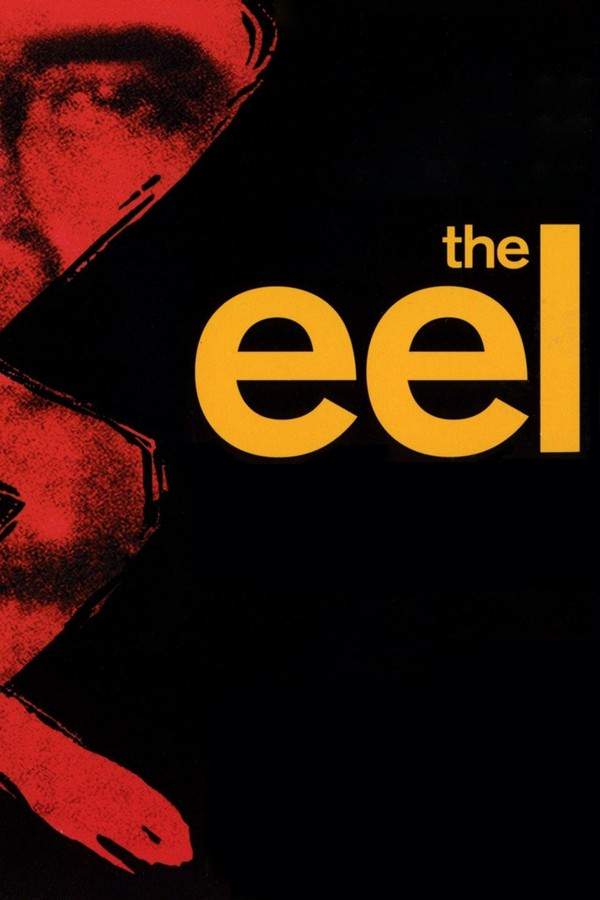
The Eel
Year: 1998
Runtime: 117 min
Language: Japanese
Director: Shohei Imamura
After eight years of seclusion, Takuro Yamashita seeks refuge in a quiet barbershop, finding comfort in a pet eel that represents his journey toward redemption. He forms a connection with Keiko Hattori, rescuing her from her own struggles, and their relationship deepens. However, the lingering effects of his past threaten to disrupt the fragile hope they've discovered together, forcing him to confront the darkness within.
Where to Watch The Eel?
Find where to stream, rent, or buy The Eel (1998) in the US with current JustWatch availability, up-to-date pricing, and platform listings for subscription, rental, and digital purchase options.

Streaming availability powered by 
Warning: spoilers below!
Haven’t seen The Eel yet? This summary contains major spoilers. Bookmark the page, watch the movie, and come back for the full breakdown. If you're ready, scroll on and relive the story!
Timeline & Setting – The Eel (1998)
Explore the full timeline and setting of The Eel (1998). Follow every major event in chronological order and see how the environment shapes the story, characters, and dramatic tension.
Last updated: October 04, 2025 at 08:03
Main Characters – The Eel (1998)
Meet the key characters of The Eel (1998), with detailed profiles, motivations, and roles in the plot. Understand their emotional journeys and what they reveal about the film’s deeper themes.
Last updated: October 04, 2025 at 08:03
Major Themes – The Eel (1998)
Explore the central themes of The Eel (1998), from psychological, social, and emotional dimensions to philosophical messages. Understand what the film is really saying beneath the surface.
Last updated: October 04, 2025 at 08:03
The Eel (1998) Character & Theme Questions Answered – Info FAQ
Browse frequently asked questions about The Eel (1998) focused on characters, relationships, themes, symbols, setting, and story context. This movie info FAQ gives spoiler-aware explanations for character arcs, world details, and thematic interpretation so readers can better understand what the film is really about.
Where is The Eel set?
The Eel is set in Chiba Prefecture, Japan, specifically in a quiet coastal region centered around a local barber shop. The story unfolds in a small urban community where everyday life and social relationships deeply influence the characters' choices and struggles.
What kind of community does the story take place in?
The story takes place in a small coastal town in Japan where reputation and social ties shape characters' decisions. The setting emphasizes ordinary urban life, with the local barber shop serving as a central hub where personal turmoil unfolds against the backdrop of everyday community interactions.
What time period does The Eel take place in?
The Eel is set in the late 1990s, reflecting a modern era in Japan. The film's contemporary setting allows it to explore themes of crime, business pressure, and personal redemption within a recognizable, everyday urban environment.
What is the main theme of guilt and redemption in The Eel?
The Eel's central theme revolves around guilt and redemption, focusing on Takuro Yamashita, who committed murder in a moment of jealousy. After eight years in prison, he seeks quiet reconciliation with the world he harmed. His pet eel becomes a symbolic representation of his desire for forgiveness and his difficult choices about the future.
How does The Eel explore love and obsession?
The Eel explores love and obsession through the complex relationship between Takuro and Keiko Hattori. Their bond is tender but strained by fear, secrecy, and external threats. Keiko's pregnancy with another man's child and the danger from loan sharks test their growing affection, showing how love can coexist with danger and dependence.
What role does crime and money play in The Eel?
Crime and money play a significant role in The Eel through Eiji Dojima's loan shark operation. His financial pressures and control over people drive much of the conflict. The stolen funds and manipulation surrounding Keiko's future reveal how money fuels violence and exposes the corrupt undercurrent of the business world in the story.
Who is Takuro Yamashita in The Eel?
Takuro Yamashita is the protagonist of The Eel, portrayed by Kōji Yakusho. He is a man who committed a violent act in a moment of passion and spent eight years in prison. Now living quietly as a barber, he speaks little, keeps others at arm's length, and cares for a pet eel with ritual-like regard, all while harboring deep guilt and longing for an ordinary life.
Who is Keiko Hattori in The Eel?
Keiko Hattori is a former executive who works at Takuro's barber shop in The Eel, played by Misa Shimizu. She shows resilience and care, having rescued Takuro from a suicide attempt. Her complicated attachment to him is tested by her pregnancy with Dojima's child and the threats from loan sharks, challenging her loyalty and agency.
Who is Eiji Dojima in The Eel?
Eiji Dojima is the main antagonist in The Eel, portrayed by Tomorowo Taguchi. He is a ruthless loan shark whose business pressures intensify as his control over money and people is challenged. He brings henchmen and confrontation into Takuro's life, representing the themes of power, leverage, and the consequences of crime.
What does the eel symbolize in The Eel?
The eel in The Eel symbolizes Takuro's desire for quiet reconciliation with the world he harmed. His strange, almost ritual care for the eel reflects his internal struggle with guilt and his longing for forgiveness. The eel becomes a metaphorical vehicle for exploring redemption and the possibility of starting over.
What is the tone and atmosphere of The Eel?
The Eel has a melancholic tone dominated by quiet sadness and reflection, though it is punctuated by hopeful moments of potential connection. The pacing is slow, emphasizing the protagonist's deliberate isolation and gradual steps toward rebuilding a life. The atmosphere blends ordinary urban scenes with personal turmoil, creating a bittersweet emotional landscape.
What is the ending of The Eel like?
The ending of The Eel is bittersweet. Takuro achieves a measure of peace by freeing his eel and accepting a future with Keiko. However, this hope is deferred because he must return to prison, creating a mix of resolution and sacrifice. The film concludes with a sense of tentative hope tempered by the reality of his past actions.

Explore Movie Threads
Discover curated groups of movies connected by mood, themes, and story style. Browse collections built around emotion, atmosphere, and narrative focus to easily find films that match what you feel like watching right now.
Quiet Redemption Stories Like The Eel
Character-driven tales of finding peace after a heavy past.Explore movies like The Eel that focus on characters seeking a second chance. If you enjoyed the theme of quiet redemption and social reintegration after a dark past, these melancholic and reflective dramas will appeal to you.

Drive My Car
2021
The Quiet Girl
2022

I've Loved You So Long
2008

All Is Forgiven (2007)
2021
Rabbit Hole
2010
Moonlight Mile
2002

Strange Weather
2017

David
2013

Red Dirt
2000

The Bitter Orange
2007

Welcome to the Quiet Room
2007

Dark Illness
1990

Dark Blue Almost Black
2006

The Browning Version
1994
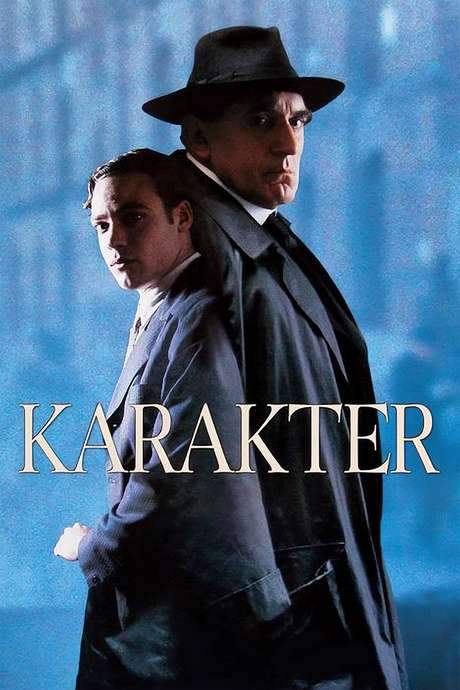
Character
1997
Narrative Summary
These narratives typically follow an isolated protagonist grappling with guilt from a specific past act. Their journey involves tentative steps back into society, often through a new job or a key relationship that tests their readiness for change, leading to a bittersweet but hopeful resolution.
Why These Movies?
They share a deeply melancholic and reflective tone, a slow, deliberate pacing that allows for character introspection, and a central theme of earning redemption through quiet daily acts rather than grand gestures.
Slow Burn Melancholic Dramas Like The Eel
Atmospheric dramas where mood and introspection take precedence over plot.Discover more movies with a similar feel to The Eel. If you appreciated its slow, melancholic pacing and heavy emotional weight, these character-focused dramas explore similar themes of trauma, isolation, and quiet resilience.





Narrative Summary
The plot is often secondary to atmosphere and character psychology. Stories unfold gradually, focusing on small moments and subtle shifts in relationships. Conflict is often internal or arises from the lingering threat of a painful past resurfacing.
Why These Movies?
They are grouped by a shared melancholic tone, slow pacing that builds atmosphere, a focus on heavy emotional themes like trauma and isolation, and a generally bittersweet or reflective resolution.
Unlock the Full Story of The Eel
Don't stop at just watching - explore The Eel in full detail. From the complete plot summary and scene-by-scene timeline to character breakdowns, thematic analysis, and a deep dive into the ending - every page helps you truly understand what The Eel is all about. Plus, discover what's next after the movie.
The Eel Summary
Read a complete plot summary of The Eel, including all key story points, character arcs, and turning points. This in-depth recap is ideal for understanding the narrative structure or reviewing what happened in the movie.

The Eel Timeline
Track the full timeline of The Eel with every major event arranged chronologically. Perfect for decoding non-linear storytelling, flashbacks, or parallel narratives with a clear scene-by-scene breakdown.


