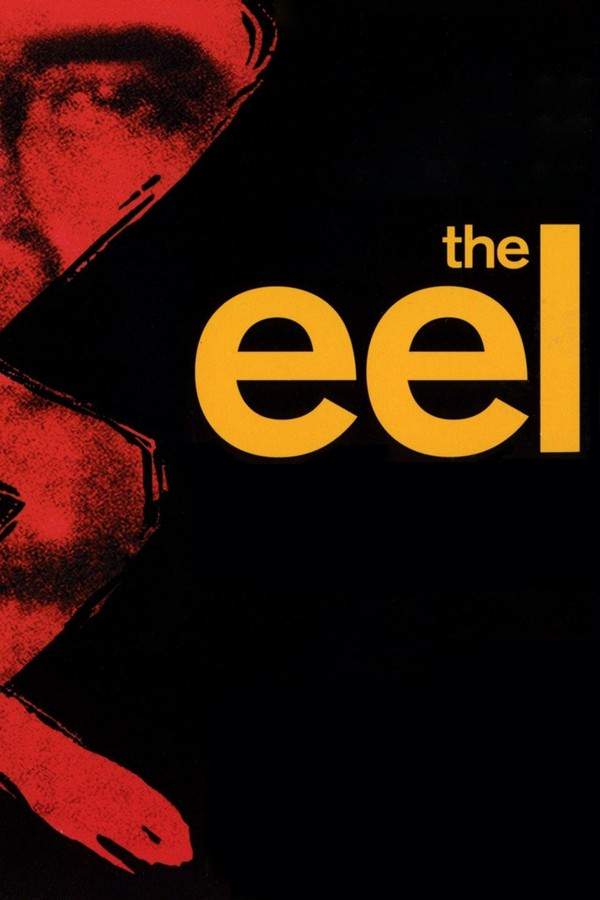
The Eel
Year: 1998
Runtime: 117 min
Language: Japanese
Director: Shohei Imamura
After eight years of seclusion, Takuro Yamashita seeks refuge in a quiet barbershop, finding comfort in a pet eel that represents his journey toward redemption. He forms a connection with Keiko Hattori, rescuing her from her own struggles, and their relationship deepens. However, the lingering effects of his past threaten to disrupt the fragile hope they've discovered together, forcing him to confront the darkness within.
Where to Watch The Eel?
Find where to stream, rent, or buy The Eel (1998) in the US with current JustWatch availability, up-to-date pricing, and platform listings for subscription, rental, and digital purchase options.

Streaming availability powered by 
Warning: spoilers below!
Haven’t seen The Eel yet? This summary contains major spoilers. Bookmark the page, watch the movie, and come back for the full breakdown. If you're ready, scroll on and relive the story!
The Eel (1998) – Full Plot Summary & Ending Explained
Read the complete plot breakdown of The Eel (1998), including all key story events, major twists, and the ending explained in detail. Discover what really happened, and what it all means.
In Chiba Prefecture, Japan, acting on the advice of an anonymous note, Takuro Yamashita returns home one night to find his wife with another man. He kills her and then surrenders to the police. After serving his time, he is released and starts a small barber shop, bringing along a pet eel that he talks to while largely keeping others at a distance.
He soon helps save Keiko Hattori from a suicide attempt, and she begins working at the shop. She begins developing romantic feelings for him, but he remains emotionally aloof, even turning down the boxed lunches she prepares for him after he goes eel-hunting with the local fisherman. The fragile balance of their relationship is strained as Takuro tries to maintain his isolation.
Takuro recognizes the garbageman who appears to have known him from prison, and the man starts to stalk both Takuro and Keiko, convinced that Takuro hasn’t shown genuine remorse. He tries to rape Keiko and leaves a letter detailing Takuro’s past on the barber shop door, though it is removed by Takada. Keiko learns she is pregnant with the baby of Eiji Dojima, a loan shark, making abortion no longer an option.
One night, the garbageman confronts Takuro at the shop, delivering a stern lecture about jealousy and guilt, and the two clash until Takuro can fend him off. Keiko returns to her former company as vice-president and retrieves her mother's bankbook, prompting Dojima to arrive with henchmen to accuse her of theft in a bid to reinvest the funds elsewhere. Dojima’s group and Keiko’s fight culminates in a tense moment of deception—the false revelation that Keiko is pregnant with Takuro’s child. The authorities reveal that Keiko’s mother never signed power of attorney papers for Dojima, and a parole-violation meeting for Takuro sends him back to prison for a year. In the end, Takuro frees the eel, and Keiko, holding onto hope, accepts a boxed lunch from him and promises to wait for him with their baby.
Last updated: October 09, 2025 at 15:46
The Eel (1998) Plot Questions Answered – Summary FAQ
Explore frequently asked questions about The Eel (1998) with spoiler-rich answers covering the full plot summary, major story beats, character motivations, hidden details, and ending meaning. This movie summary FAQ helps explain confusing scenes, plot twists, and narrative decisions in clear, searchable detail.
Why does Takuro kill his wife?
Takuro kills his wife after discovering her in bed with another man. He had returned home after receiving an anonymous note that led him to the affair, and the sight of the betrayal overwhelmed him with rage. After the murder, he immediately surrenders to the police, accepting the consequences of his actions.
Why does Takuro keep a pet eel?
Takuro uses the eel as his sole companion and confidant after being released from prison. The eel represents his own sense of isolation and self-imposed exile from human connection. He talks to it while keeping others at a distance, making the pet a physical manifestation of his emotional withdrawal from society.
Why does Takuro remain emotionally aloof toward Keiko despite her feelings?
Takuro maintains emotional distance because he believes he does not deserve happiness after his crime. He sees himself as unworthy of Keiko's love and fears that getting close to her would only bring her harm. His isolation is both self-punishment and a misguided attempt to protect her from his dark past.
Who is the garbageman and why does he stalk Takuro and Keiko?
The garbageman is a former prison inmate who recognizes Takuro from their time together behind bars. He becomes convinced that Takuro has not shown genuine remorse for his crime and views Takuro's new life with Keiko as undeserved happiness. His stalking is driven by a sense of moral judgment and jealousy over what he sees as Takuro's lack of proper penance.
Earlier in the film, Takuro recognizes the garbageman watching him at the shop, establishing the stalker's presence.
Why does the garbageman attempt to rape Keiko?
The garbageman attempts to rape Keiko as a way to punish Takuro by destroying the one thing that seems to bring him peace. He also leaves a letter on the barber shop door revealing Takuro's past murder, attempting to expose his crimes to Keiko and ruin his new relationship. His actions are driven by resentment and the belief that Takuro hasn't truly atoned for his sins.
The garbageman's earlier conviction that Takuro is unrepentant sets up his escalating violent actions.
Why does Keiko claim to be pregnant with Takuro's child?
When Dojima and his henchmen confront Keiko at the barbershop, she falsely claims to be pregnant with Takuro's child to protect herself and deflect their demands. The false pregnancy claim creates a momentary standoff, buying her time and shifting the power dynamic during the confrontation. This deception highlights her desperation and growing connection to Takuro despite his emotional walls.
Why does Takuro return to prison at the end?
Takuro returns to prison because a parole violation meeting determines he has violated the terms of his release. The exact violation isn't fully detailed in the summary, but it appears connected to the various disruptions caused by the garbageman's stalking and the conflicts surrounding Keiko. He is sentenced to serve another year, cutting short the fragile new life he had begun to build.
The buildup of external conflicts throughout the film creates the circumstances for his reimprisonment.
What does Takuro freeing the eel symbolize?
By releasing the eel back into the water, Takuro symbolically lets go of his self-imposed isolation and the guilt that has kept him imprisoned even while free. The act represents his acceptance of connection with Keiko and his willingness to embrace a future together, even though that future requires him to serve more time in prison. The eel's freedom mirrors his own emotional release.
Why does Keiko return to her former company as vice-president?
Keiko returns to her former company as vice-president to regain financial stability and independence, especially after discovering her pregnancy complicates her situation with Dojima. By reclaiming her position and retrieving her mother's bankbook, she attempts to take control of her life back from the loan shark who had leverage over her. This decision reflects her growing strength and willingness to fight for her future.
What is the significance of the power of attorney papers?
The police discover that Keiko's mother never signed the power of attorney papers that Dojima was using to control her finances and property. This revelation undermines Dojima's legal claim over Keiko's assets and weakens his ability to manipulate her. The discovery shifts the power balance in Keiko's favor and exposes Dojima's fraudulent tactics.
Why does Takuro go eel hunting with the fisherman?
Takuro goes eel hunting with Jukichi Takada as a rare departure from his isolated routine, showing a tentative opening to human connection. During these trips, Keiko prepares boxed lunches for him, which he initially refuses, demonstrating his reluctance to accept kindness. The eel hunting scenes illustrate the gradual, hesitant steps Takuro takes toward engaging with the world around him.

Explore Movie Threads
Discover curated groups of movies connected by mood, themes, and story style. Browse collections built around emotion, atmosphere, and narrative focus to easily find films that match what you feel like watching right now.
Quiet Redemption Stories Like The Eel
Character-driven tales of finding peace after a heavy past.Explore movies like The Eel that focus on characters seeking a second chance. If you enjoyed the theme of quiet redemption and social reintegration after a dark past, these melancholic and reflective dramas will appeal to you.

Drive My Car
2021

The Quiet Girl
2022

I've Loved You So Long
2008

All Is Forgiven (2007)
2021

Rabbit Hole
2010

Moonlight Mile
2002

Strange Weather
2017

David
2013

Red Dirt
2000

The Bitter Orange
2007

Welcome to the Quiet Room
2007

Dark Illness
1990

Dark Blue Almost Black
2006

The Browning Version
1994

Character
1997
Narrative Summary
These narratives typically follow an isolated protagonist grappling with guilt from a specific past act. Their journey involves tentative steps back into society, often through a new job or a key relationship that tests their readiness for change, leading to a bittersweet but hopeful resolution.
Why These Movies?
They share a deeply melancholic and reflective tone, a slow, deliberate pacing that allows for character introspection, and a central theme of earning redemption through quiet daily acts rather than grand gestures.
Slow Burn Melancholic Dramas Like The Eel
Atmospheric dramas where mood and introspection take precedence over plot.Discover more movies with a similar feel to The Eel. If you appreciated its slow, melancholic pacing and heavy emotional weight, these character-focused dramas explore similar themes of trauma, isolation, and quiet resilience.







Narrative Summary
The plot is often secondary to atmosphere and character psychology. Stories unfold gradually, focusing on small moments and subtle shifts in relationships. Conflict is often internal or arises from the lingering threat of a painful past resurfacing.
Why These Movies?
They are grouped by a shared melancholic tone, slow pacing that builds atmosphere, a focus on heavy emotional themes like trauma and isolation, and a generally bittersweet or reflective resolution.
Unlock the Full Story of The Eel
Don't stop at just watching - explore The Eel in full detail. From the complete plot summary and scene-by-scene timeline to character breakdowns, thematic analysis, and a deep dive into the ending - every page helps you truly understand what The Eel is all about. Plus, discover what's next after the movie.
The Eel Timeline
Track the full timeline of The Eel with every major event arranged chronologically. Perfect for decoding non-linear storytelling, flashbacks, or parallel narratives with a clear scene-by-scene breakdown.

Characters, Settings & Themes in The Eel
Discover the characters, locations, and core themes that shape The Eel. Get insights into symbolic elements, setting significance, and deeper narrative meaning - ideal for thematic analysis and movie breakdowns.


