Year: 1986
Runtime: 119 min
Language: English
Director: Martin Scorsese
A seasoned pool hustler, Fast Eddie Felson, takes on a young protégé, Vincent Lauria, hoping to teach him the tricks of the trade. As they travel the country, Eddie imparts his knowledge of deception and strategy, but their relationship becomes strained by ambition and conflicting approaches to the game. The pursuit of money and recognition tests their partnership and leads to a confrontation that changes both their lives.
Find where to stream, rent, or buy The Color of Money (1986) in the US with current JustWatch availability, up-to-date pricing, and platform listings for subscription, rental, and digital purchase options.
Warning: spoilers below!
Haven’t seen The Color of Money yet? This summary contains major spoilers. Bookmark the page, watch the movie, and come back for the full breakdown. If you're ready, scroll on and relive the story!
Explore the full timeline and setting of The Color of Money (1986). Follow every major event in chronological order and see how the environment shapes the story, characters, and dramatic tension.
Last updated: October 22, 2024 at 20:08
Meet the key characters of The Color of Money (1986), with detailed profiles, motivations, and roles in the plot. Understand their emotional journeys and what they reveal about the film’s deeper themes.
Last updated: October 22, 2024 at 20:08
Explore the central themes of The Color of Money (1986), from psychological, social, and emotional dimensions to philosophical messages. Understand what the film is really saying beneath the surface.
Last updated: October 22, 2024 at 20:08
Browse frequently asked questions about The Color of Money (1986) focused on characters, relationships, themes, symbols, setting, and story context. This movie info FAQ gives spoiler-aware explanations for character arcs, world details, and thematic interpretation so readers can better understand what the film is really about.
The movie is primarily set in Atlantic City, a city renowned for its vibrant nightlife, casinos, and gambling culture. This setting serves as more than just a backdrop, it amplifies the high-stakes tension and moral ambiguity that define the world of competitive pool the characters inhabit.
The Color of Money is set in the contemporary 1980s, reflecting the era's gambling culture and competitive pool scene. The film captures the gritty, road-trip lifestyle of traveling pool players during this period, where skill, deception, and high-stakes gambling defined the profession.
Deception is a central theme that drives the characters' relationships and the world of competitive pool. Fast Eddie Felson deliberately teaches Vincent the art of manipulation and trickery as essential skills for survival in high-stakes gambling. The movie explores how these deceptive tactics ultimately compromise personal integrity and strain the mentor-student bond.
Redemption serves as the emotional backbone of the film, specifically through Eddie Felson's arc. After years of questionable tactics, Eddie seeks to reclaim his integrity by mentoring Vincent, an opportunity to reflect on his younger self and make amends for past mistakes. His journey represents a sincere attempt to return to honest, passionate play.
Betrayal emerges as a pivotal theme when Vincent's actions ultimately conflict with Eddie's values, particularly regarding how to approach the game ethically. This rupture in their mentor-student relationship raises profound questions about trust, loyalty, and the corrupting influence of ambition. The betrayal forces both characters to confront the consequences of their choices.
Fast Eddie Felson, portrayed by Paul Newman, is a seasoned and skilled pool shark who once dominated the high-stakes pool circuit. He embodies a complex mix of arrogance and vulnerability, wrestling with his legacy in the professional pool world. As he takes on Vincent as a protégé, Eddie undergoes a transformation that challenges his moral compass.
Vincent, played by Tom Cruise, is a young and talented pool player with exceptional potential but a brash, overconfident demeanor. He serves as Eddie's protégé throughout the film, representing the reckless ambition and moral uncertainty that Eddie once possessed. Vincent's struggle to reconcile Eddie's teachings with his own ethical beliefs drives much of the story's tension.
Eddie is primarily motivated by a desire for redemption and reclaiming his integrity after years of morally questionable hustling. He seeks to prove that he can still compete at the highest level while maintaining honest play. Additionally, his mentorship of Vincent reflects his hope to guide a younger player toward success without repeating his own past mistakes.
Vincent is driven by ambition and a desire to prove himself as a top pool player. He possesses natural talent but struggles with impatience and the temptation to use the deceptive tactics Eddie teaches him. His internal conflict between following Eddie's morally ambiguous guidance and charting his own path ultimately leads to the story's central betrayal.
The Color of Money explores whether success achieved through deception can ever truly be satisfying. Through Eddie's redemption arc and Vincent's betrayal, the film suggests that while tactical skill matters, compromising one's integrity for victory leads to hollow outcomes. The bittersweet ending shows that winning without honor leaves both characters emotionally diminished.
Atlantic City's casino culture serves as a perfect metaphor for the film's thematic concerns with deception, high stakes, and moral ambiguity. The city's association with gambling, risk-taking, and flashy competition mirrors the world Eddie and Vincent navigate. The glamorous yet morally hazy atmosphere of Atlantic City reinforces the characters' struggles between honest skill and manipulative tactics.
Discover curated groups of movies connected by mood, themes, and story style. Browse collections built around emotion, atmosphere, and narrative focus to easily find films that match what you feel like watching right now.
Stories where seasoned veterans take on promising but difficult apprentices.If you liked the strained teacher-student relationship in The Color of Money, explore more movies about cynical mentors and unruly protégés. This collection features similar dramas focused on the transfer of skill, the burden of experience, and the conflicts that arise from ambition and differing worldviews.
These narratives typically follow a seasoned, often jaded, professional who sees potential in a younger, undisciplined individual. The journey involves training, testing boundaries, and a push-pull relationship where loyalty is challenged by ego. The arc often leads to a pivotal moment where the protégé either embraces or rebels against the mentor's teachings, altering their bond forever.
Movies in this thread are grouped by their central focus on a high-stakes mentorship. They share a bittersweet tone, medium dramatic intensity, and explore themes of ambition, the corrupting influence of success, and the personal cost of passing on a legacy, creating a coherent and compelling character-driven experience.

Older characters finding their fire again for one last shot at glory.Fans of Eddie Felson's quest for a comeback in The Color of Money will enjoy these stories of seasoned veterans seeking redemption. Discover similar movies about older characters finding their passion and skill again, often through complex new partnerships or one final high-stakes challenge.
The narrative follows a character who was once great but has lost their edge or passion. A catalyst—often a young rival or a final opportunity—forces them to confront their past and re-engage with their craft. The journey is less about pure triumph and more about a bittersweet reconciliation with their abilities and legacy, resulting in a victory that feels earned but complicated.
These films are united by the core arc of a veteran's redemption. They share a steady pace, a medium emotional weight, and a consistently bittersweet tone that balances the excitement of a comeback with the realities of age and regret, creating a satisfying and grounded viewing experience.
Don't stop at just watching - explore The Color of Money in full detail. From the complete plot summary and scene-by-scene timeline to character breakdowns, thematic analysis, and a deep dive into the ending - every page helps you truly understand what The Color of Money is all about. Plus, discover what's next after the movie.
Read a complete plot summary of The Color of Money, including all key story points, character arcs, and turning points. This in-depth recap is ideal for understanding the narrative structure or reviewing what happened in the movie.
Track the full timeline of The Color of Money with every major event arranged chronologically. Perfect for decoding non-linear storytelling, flashbacks, or parallel narratives with a clear scene-by-scene breakdown.
Discover movies like The Color of Money that share similar genres, themes, and storytelling elements. Whether you’re drawn to the atmosphere, character arcs, or plot structure, these curated recommendations will help you explore more films you’ll love.
The Color of Money (1986) Plot Summary & Movie Recap
The Color of Money (1986) Scene-by-Scene Movie Timeline
The Color of Money (1986) Spoiler-Free Summary & Key Flow
Movies Like The Color of Money – Similar Titles You’ll Enjoy
The Hustler (1961) Full Summary & Key Details
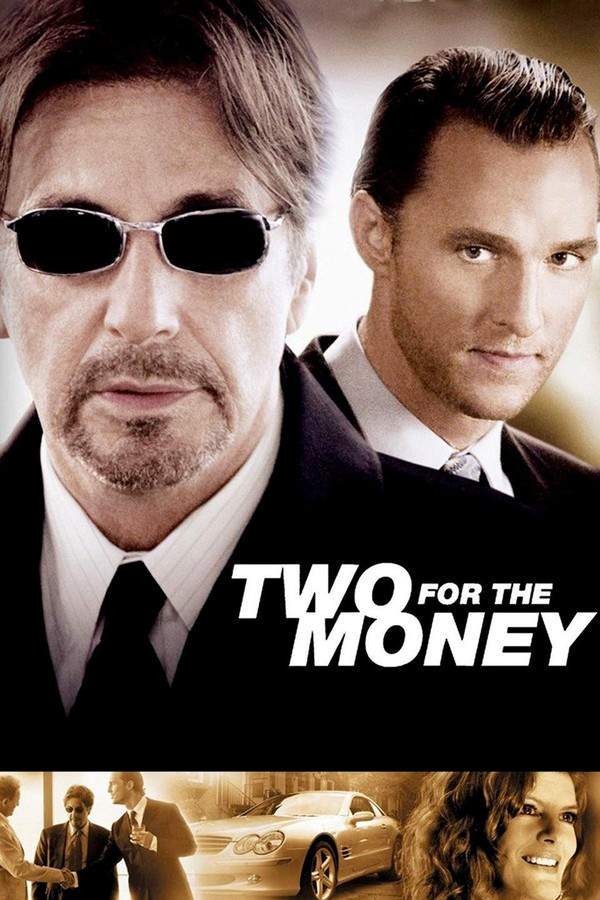
Two for the Money (2005) Detailed Story Recap
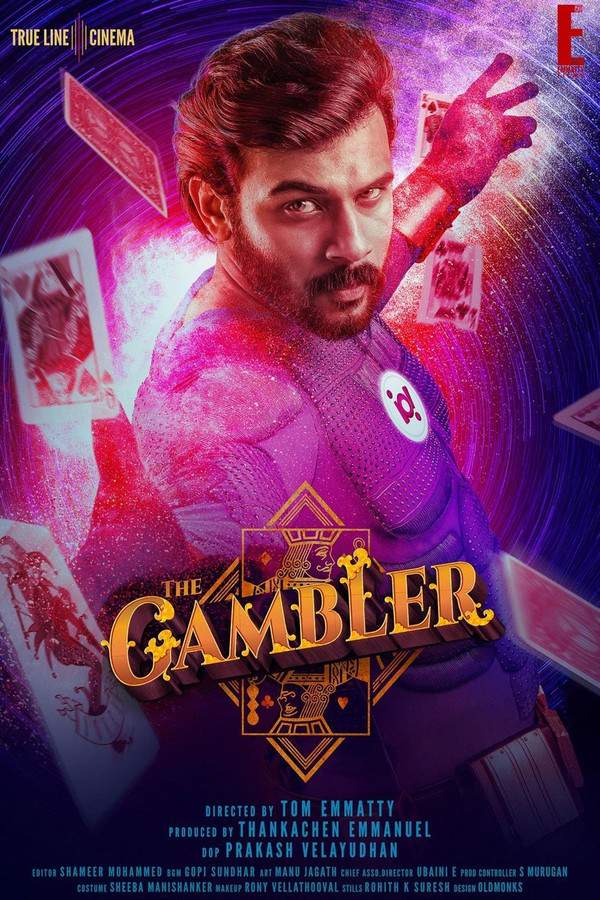
The Gambler (2014) Story Summary & Characters
The Grifters (1990) Ending Explained & Film Insights
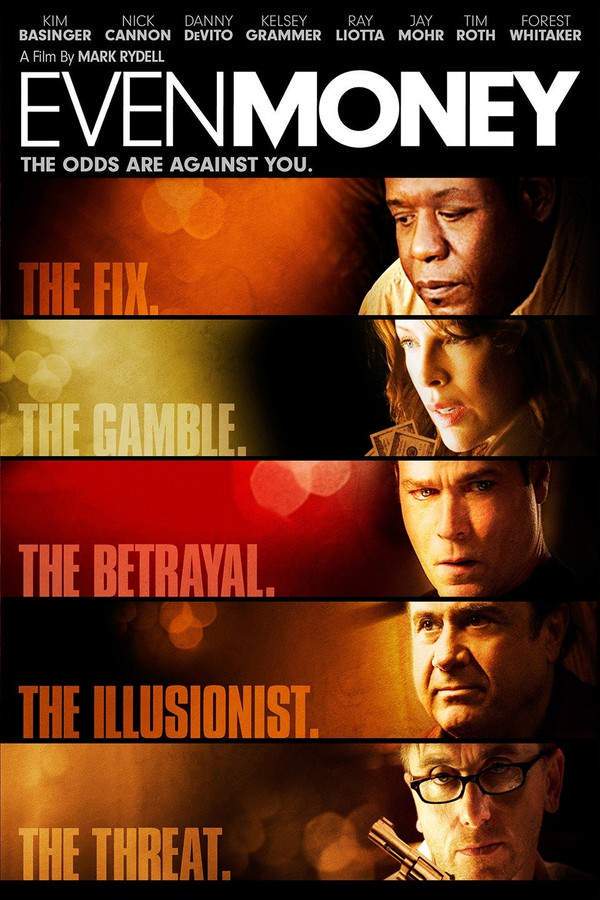
Even Money (2007) Ending Explained & Film Insights
The Gambler (1974) Full Summary & Key Details
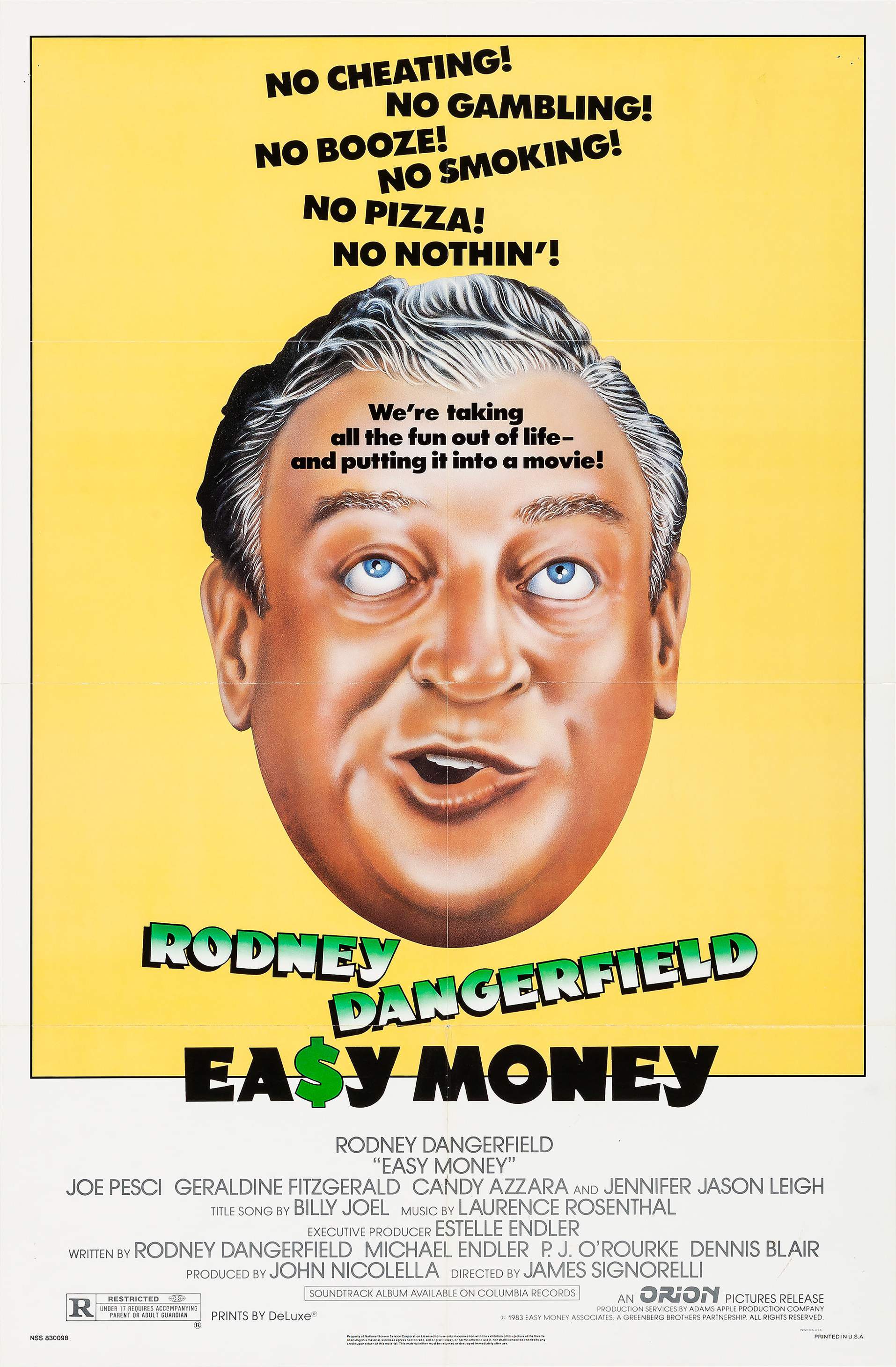
Easy Money (1983) Movie Recap & Themes
All About the Money (2017) Story Summary & Characters
Mo’ Money (1992) Film Overview & Timeline
Smart Money (1931) Full Summary & Key Details
Money Kings (1998) Plot Summary & Ending Explained
Blood Money (1933) Full Movie Breakdown
Money for Nothing (1993) Story Summary & Characters
The Money Trap (1965) Story Summary & Characters
Easy Money (1948) Plot Summary & Ending Explained