The Circle
Year: 2014
Runtime: 102 min
Language: English
Director: Stefan Haupt
Charismatic podcast host Deadman Dave investigates four unsettling stories, exploring the darker aspects of human nature. While delving into these eerie narratives, he finds the lines between reality and madness increasingly blurred. As he pursues his investigations, his own obsessions and inner demons begin to emerge, creating a complex interplay between the host and his audience.
Warning: spoilers below!
Haven’t seen The Circle yet? This summary contains major spoilers. Bookmark the page, watch the movie, and come back for the full breakdown. If you're ready, scroll on and relive the story!
The Circle (2014) – Full Plot Summary & Ending Explained
Read the complete plot breakdown of The Circle (2014), including all key story events, major twists, and the ending explained in detail. Discover what really happened—and what it all means.
Mae Holland enters The Circle as a hopeful, under-the-radar call center intern, pursuing a steady job through a friend named Annie to help support her parents, especially her father who battles multiple sclerosis. The Circle is more than a tech company; it’s a cultural force that blends social networking with inescapable transparency, and Mae quickly finds herself drawn into its orbit. Early on, she encounters Ty Lafitte, a charismatic yet wary innovator who hints that there are deeper currents at work beneath the company’s gleaming surface. As Mae settles in, she witnesses the company’s bold push toward real-time, everywhere video through SeeChange cameras, devices small enough to be placed anywhere to stream constant surveillance. The idea captivates Mae and many others, who see it as a means to accountability and a way to stay connected to people they care about.
The Circle’s growth is not merely technical; it reshapes personal relationships. Mae’s world intersects with her mother’s discovery of a deer-antler chandelier made by Mercer, a man in Mae’s wider circle of acquaintances. When Mae posts a photo of the chandelier on her Circle profile, the internet mob erupts, casting suspicion and blaming Mercer for a crime he didn’t intentionally commit. This tension intensifies when Mercer confronts Mae at work, urging her to stop posting—an appeal she struggles to honor as the lines between private life and public performance blur. In a late-night moment, Mae experiences a crisis of pressure and self-doubt, taking to the water for a kayak trip that ends with a dangerous capsize. The Coast Guard rescues her after SeeChange cameras capture the distress, underscoring how the company’s technology has the power to document and supposedly protect even in moments of vulnerability.
At a pivotal company gathering, Mae’s personal experiences become professional signals. She is celebrated as the first employee to explore the path of becoming fully transparent, a title that means she would wear a small camera and reveal her life to the world twenty-four hours a day. This transformation strains Mae’s ties to her family, particularly her parents and Annie, who begin to distance themselves as private aspects of their lives are disclosed without their consent. The shift sits at the heart of The Circle’s mission—endless connection—yet creates a breeding ground for conflict as Mae’s revelations spill into every corner of her relationships, forcing them to adapt to a world where privacy is no longer guaranteed.
As leadership navigates the company’s ambitions, Mae’s influence grows. In a boardroom moment, Eamon Bailey and Tom Stenton push forward with the idea of broad civic participation through Circle accounts tied to voting, a move Mae eventually champions with growing conviction. She even proposes that voting could be limited to Circle users, a suggestion that alarms Annie and adds tension to the evolving organizational dynamic. In a subsequent company-wide address, Mae declares that The Circle can locate anyone on the planet in a matter of minutes and unveils a program to identify wanted felons. The room erupts in applause as Mae frames transparency as a force for good, and the eyes of the audience settle on Mercer as a potential test case. Although Mae hesitates at first, a persuasive nudge from Eamon pushes her to press forward.
The program’s reach becomes terrifyingly concrete when Mercer is located at an isolated cabin. Circle users descend on his location, and a camera is placed on his car without his knowledge, triggering a frantic pursuit that culminates in a deadly crash off a bridge after a drone-assisted chase. The tragedy deepens Mae’s introspection and forces her to confront the human cost of the company’s omnipresence. In the days that follow, Mae speaks with Annie, who has left The Circle and relocated to Scotland, where she experiences renewed well-being. Mae, meanwhile, discovers that staying connected can be a balm in the face of loss, and she begins to question whether the price of such connection is too high for the people she loves.
Reflexively drawn back to The Circle, Mae reaches out to Ty for a favor, and what Ty reveals changes the scope of her understanding. In a climactic company-wide moment, Mae speaks about how genuine connection has helped her endure the grief of Mercer’s death. She invites Tom Stenton onstage and extends the invitation to both Eamon Bailey and Tom to go fully transparent. Ty’s discovery—that The Circle has access to all their email accounts and that those private lines are now exposed—shifts the tone from idealism to a confrontation with the reality of pervasive surveillance. Eamon and Tom scramble to save face as the room absorbs the revelation, and power is cut from the stage to hinder the presentation. Yet the audience activates their devices, and Mae stands resolute in advocating transparency, turning the moment into a powerful, if controversial, testament to her beliefs.
In the end, Mae returns to a quieter cadence, finding solace in activities like kayaking while drones continue to shadow her. The film leaves behind a resonant question about the balance between connection and privacy, showing a world where the allure of constant visibility can uplift or devastate, depending on how carefully people guard the lines between public performance and private life. Between Mae’s personal losses, her ascent within The Circle, and the moral ambiguities that accompany every new layer of technological reach, the story remains a thoughtful meditation on our society’s appetite for openness—and the human costs that can accompany it.
Last Updated: October 09, 2025 at 16:20

Explore Movie Threads
Discover curated groups of movies connected by mood, themes, and story style. Browse collections built around emotion, atmosphere, and narrative focus to easily find films that match what you feel like watching right now.
Movies about investigative obsession like The Circle
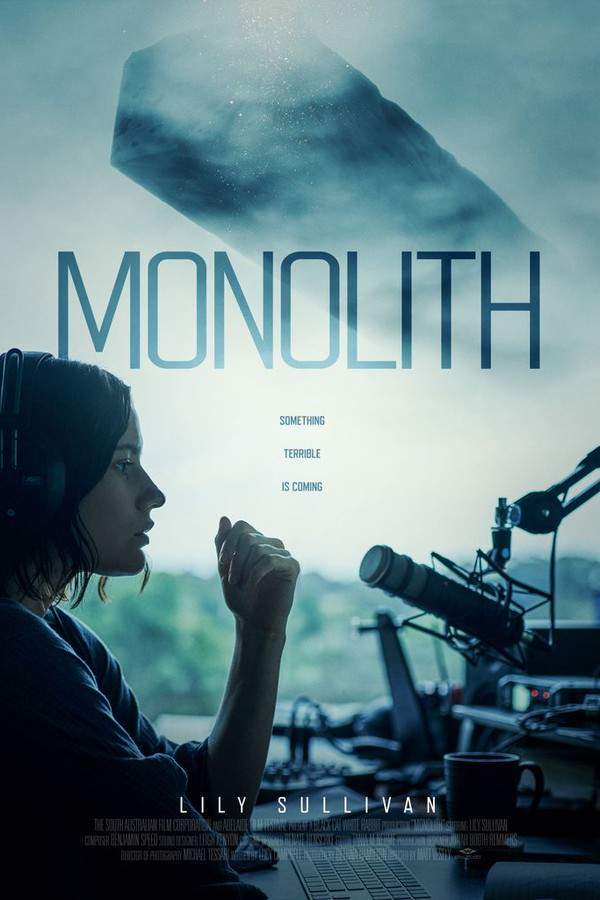
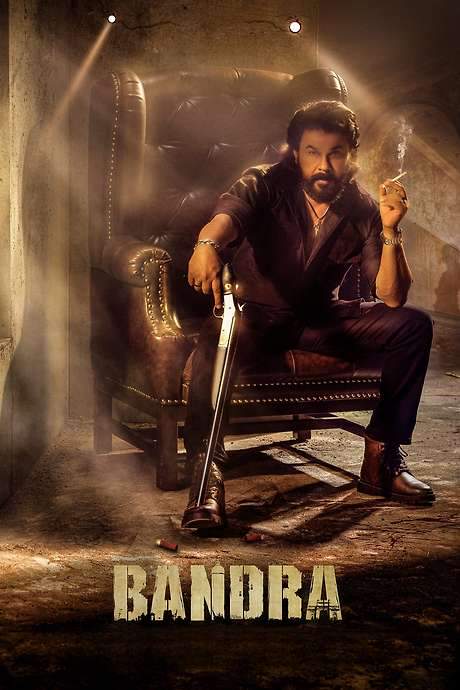
Stories where the search for truth blurs the lines between curiosity and madness.If you liked the way The Circle explores a host's descent through his own investigations, you'll find similar movies here. These films feature protagonists whose quest for answers leads them down a path of personal unraveling, blending the narrative with their psychological state.


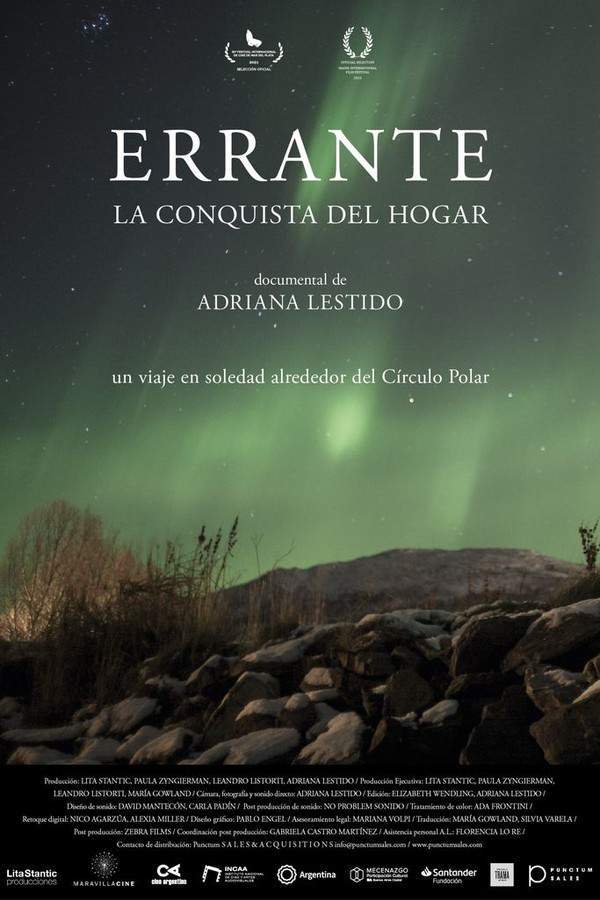
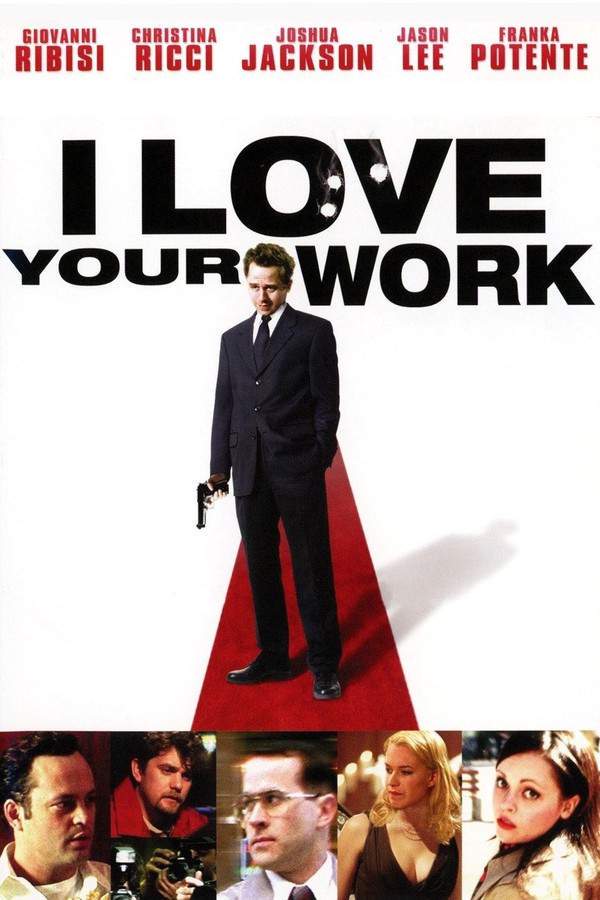
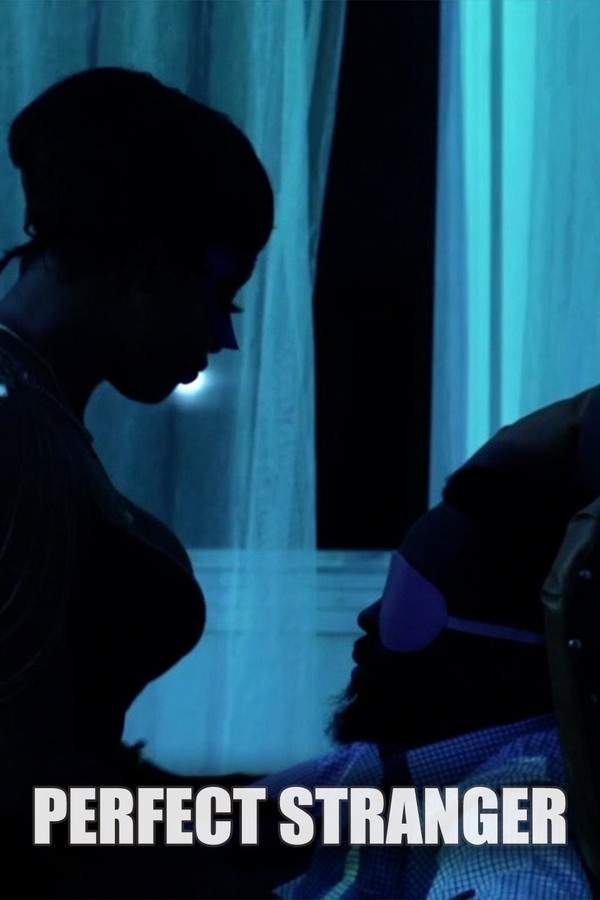

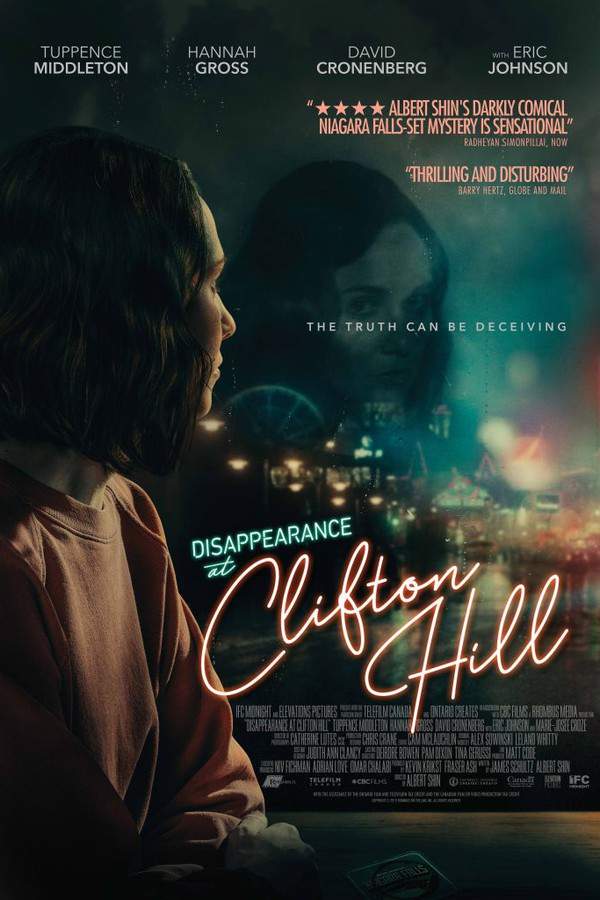



Narrative Summary
Narratives in this thread typically follow a character-driven arc where an initial professional or intellectual inquiry gradually becomes a personal obsession. The story structure often mirrors the protagonist's mental state, with the boundary between the subject of their investigation and their own psyche becoming increasingly blurred, leading to an ambiguous or unsettling conclusion.
Why These Movies?
Movies are grouped here for their shared focus on the psychological transformation of an investigator. They share a dark tone, steady pacing that builds unease, and a heavy emotional weight derived from the protagonist's internal conflict and the morally complex nature of their quest.
Movies about technology and ethics like The Circle
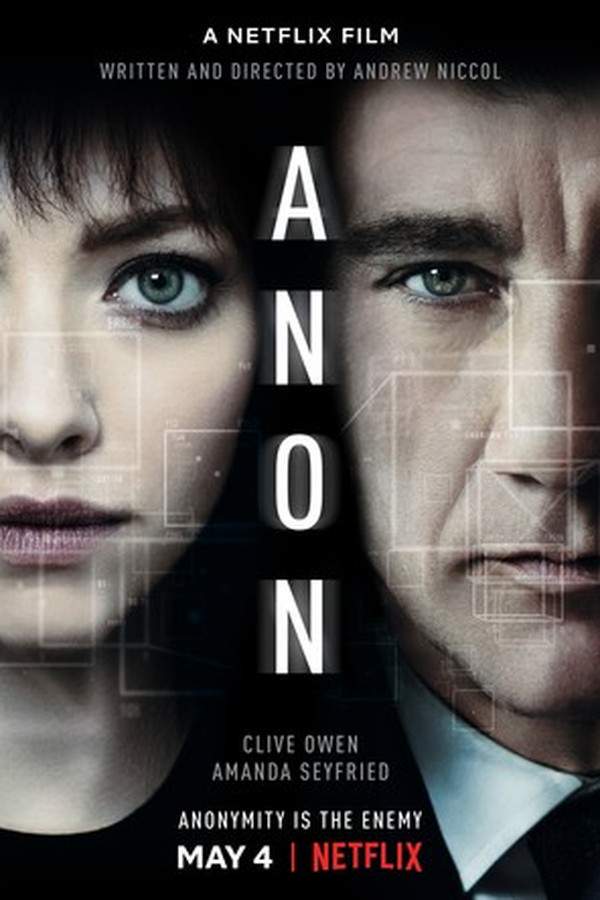
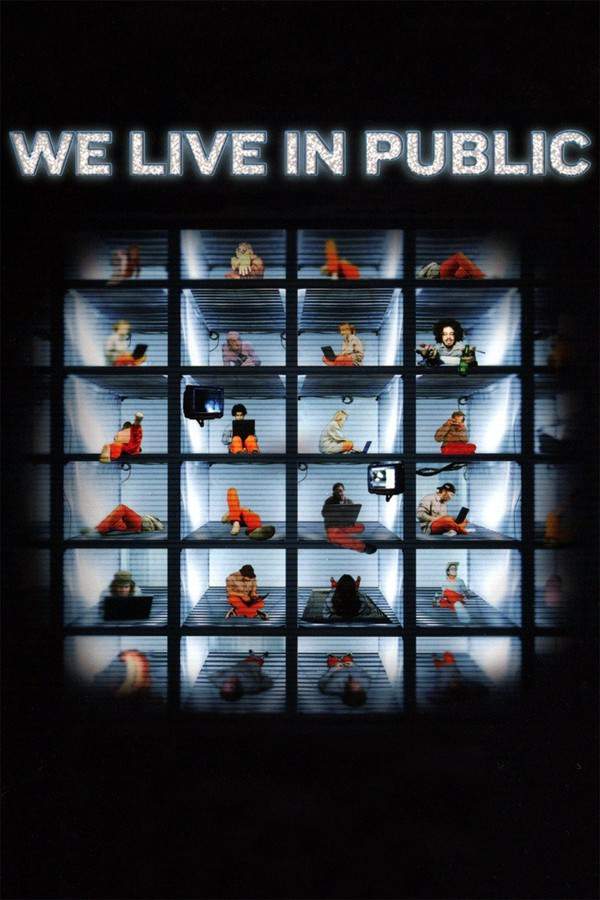
Dramas exploring the heavy personal cost of technological progress and surveillance.For viewers seeking movies like The Circle that delve into the dark side of technology and its impact on society. These films explore themes of surveillance, loss of privacy, and corporate overreach through heavy, dramatic stories with serious moral questions.

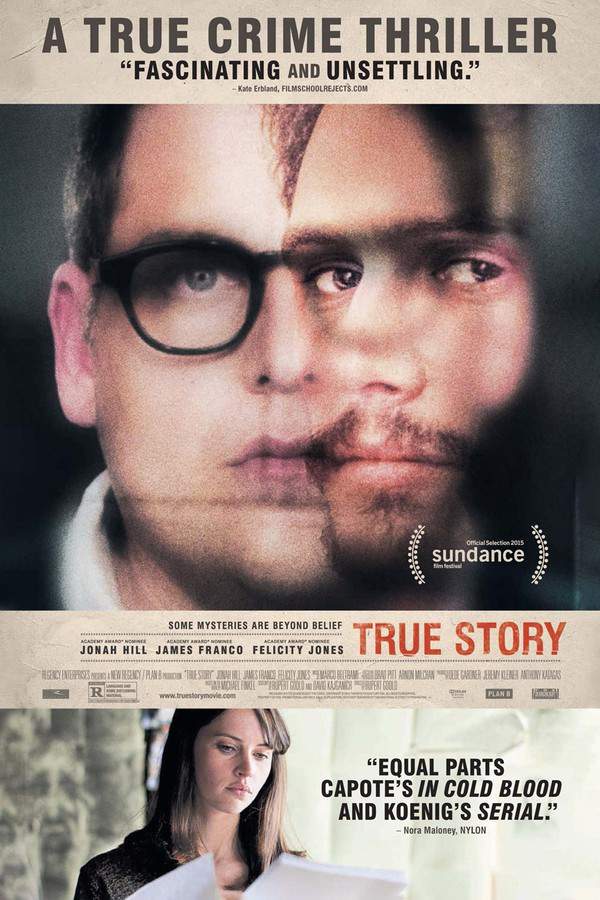
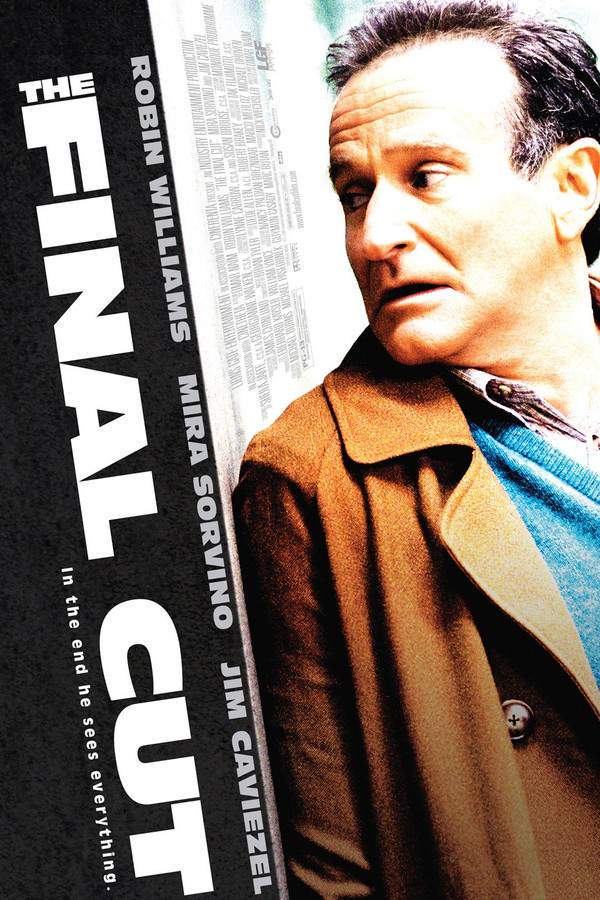

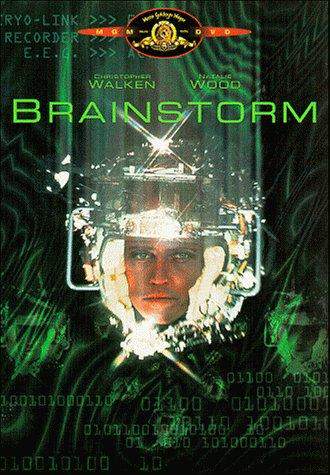

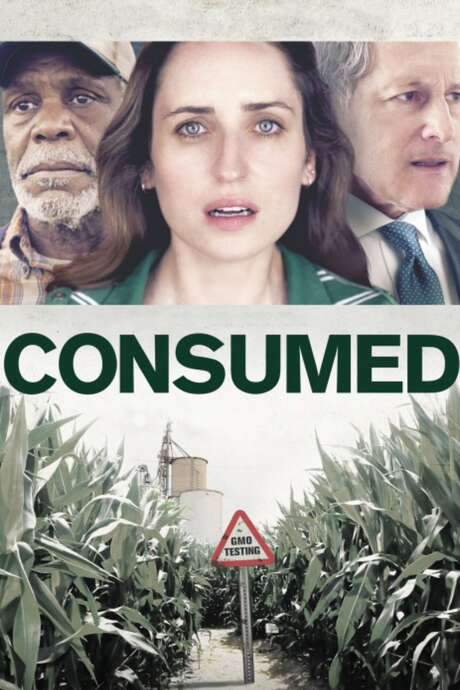


Narrative Summary
The narrative pattern involves a protagonist, often initially optimistic, confronting the unintended consequences of a pervasive technological system. The story builds steadily as they grapple with the ethical implications, leading to a climax that highlights a significant personal or societal cost, often with an ending that offers no easy answers.
Why These Movies?
These films are united by their dark tone and focus on the thematic conflict between technological advancement and human values. They share a high intensity derived from moral weight, a steady pacing that builds tension, and a heavy emotional impact centered on loss and responsibility.
Unlock the Full Story of The Circle
Don't stop at just watching — explore The Circle in full detail. From the complete plot summary and scene-by-scene timeline to character breakdowns, thematic analysis, and a deep dive into the ending — every page helps you truly understand what The Circle is all about. Plus, discover what's next after the movie.
The Circle Timeline
Track the full timeline of The Circle with every major event arranged chronologically. Perfect for decoding non-linear storytelling, flashbacks, or parallel narratives with a clear scene-by-scene breakdown.

Characters, Settings & Themes in The Circle
Discover the characters, locations, and core themes that shape The Circle. Get insights into symbolic elements, setting significance, and deeper narrative meaning — ideal for thematic analysis and movie breakdowns.