Plot Explained Spoilers guaranteed!
Plot Explained

Browse by genre

The Chinese Widow (2017) movie poster

Timeline

The Chinese Widow (2017) Timeline Explained – Every Event in Order

Release, runtime and language
2017 · 97 mins · Chinese
Directed by
Bille August
Starring
Vincent Riotta, Emile Hirsch, Vivian Wu, Fangcong Li, Lambert Houston, Tiankuo Gong

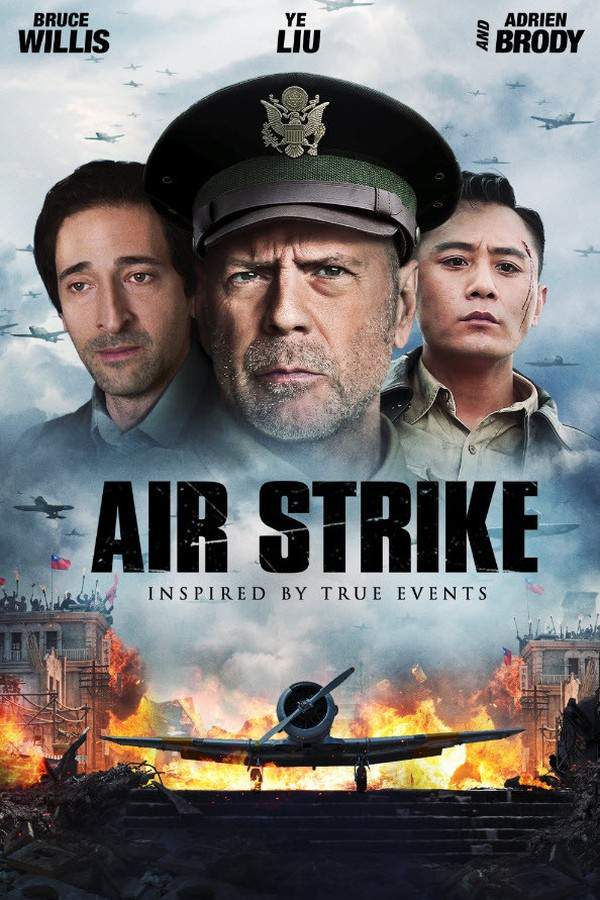
In 1941, following the attack on Pearl Harbor, President Franklin D. Roosevelt authorizes a risky bombing mission targeting Tokyo to bolster American morale. After the mission, a damaged US Air Force unit makes an emergency landing in China. Commander Jack Turner (Emilie Hirsch) is rescued by Ying (Crystal Liu), a courageous local widow. Determined to protect him, Ying shelters Turner from the occupying Japanese forces, risking everything in the process.

On this page (5)
  1. 1 Events in order (12)
  2. 2 Timeline questions answered
  3. 3 Movie threads
  4. 4 Movies like The Chinese Widow
  5. 5 Every angle

12 events in order · contains spoilers

The Chinese Widow Timeline: Events in Chronological Order

Every key event of The Chinese Widow (2017) in order, scene by scene, with when and where it takes place. Use it to untangle flashbacks, time jumps and parallel storylines, to refresh your memory before the sequel or to find the exact scene you are thinking of.

  1. Mission sets off to bomb Tokyo

    Jack is assigned to the United States Army Air Forces' first bombing run on Tokyo. The mission is completed, but bad weather forces him to break away from the squadron. He heads toward Zhejiang Province in search of safety.

    When
    During first bombing run on Tokyo
    Where
    Over Tokyo, Japan
  2. Autopilot failure and forced manual descent

    During the flight toward Zhejiang, the autopilot malfunctions, forcing Jack to take manual control. With the crew parachuting out for safety, he remains at the controls. He jumps from the plane just before it crashes in Zhejiang Province.

    When
    During the flight toward Zhejiang
    Where
    Zhejiang Province, China
  3. Jack is discovered by Ying

    The next day, Ying finds Jack unconscious near her village. She hides him in a nearby cave with the help of her childhood friend Kai, the village head. They keep him concealed as Japanese patrols draw near.

    When
    The day after the crash
    Where
    Cave near Ying's village, Zhejiang Province
  4. Village under IJA search; Kai is executed

    The Imperial Japanese Army captures Ying's village and questions Kai about the pilot. Kai refuses to reveal his location and is executed. Ying and Nunu worry about the consequences of harboring a missing American airman.

    When
    Soon after Jack is found
    Where
    Ying's village, Zhejiang Province
  5. Ying keeps the secret; food is found in the cave

    The next day Ying brings food to the cave but leaves it there, not confronting Jack directly. She remembers Kai's advice not to tell anyone about the pilot. Nunu remains curious about the mysterious visitor.

    When
    The next day
    Where
    Cave near Ying's village
  6. Jack moves into Ying's house; plan to contact guerrillas

    Japanese patrols press harder, and Ying brings Jack into her house for safety. Jack begins forming a bond with Nunu by whistling Yankee Doodle, and the group works to contact Chinese guerrillas for a safe passage to Chongqing.

    When
    Shortly after hiding him
    Where
    Ying's house, Zhejiang Province
  7. Captain Shimamoto's assault and aftermath

    Captain Shimamoto arrives at Ying's house intending to assault Ying. Jack shoots him dead and hides the body in the basement. He consoles Ying, and their bond deepens as they navigate the danger together.

    When
    During the confrontation
    Where
    Ying's house, basement
  8. The teacher uncovers Jack's guerrilla ties; escape planned

    In school, Nunu whistles Yankee Doodle, drawing attention from a vigilant teacher. The teacher rushes to Ying's house and confronts Jack, then learns of his guerrilla ties. He urges them to escape with the Chinese guerrillas to avoid capture.

    When
    Later that day
    Where
    Ying's house; Nunu's school
  9. Village torched; sacrifice to buy time

    As they attempt to flee, the Japanese torch the village to slow pursuit. The teacher stays behind with a small guerrilla contingent to delay them and is killed. Jack, Ying, Nunu, and the surviving guerrillas push toward the escape route.

    When
    During the escape
    Where
    Village outskirts / jungle near Ying's village
  10. Nunu is wounded; sniper killed; escape boat reached

    Moments before boarding the escape boat, Ying is shot in the chest by a sniper. Jack kills the sniper and leads the group onward, escaping with Nunu and the remaining guerrillas toward safety.

    When
    Moments before boarding
    Where
    Near the escape boat
  11. Chongqing reunion with General Doolittle

    In Chongqing, Jack reports to General Jimmy Doolittle and expresses a wish to adopt Nunu. Doolittle refuses, stating that Jack cannot be both soldier and father. Nunu is to be placed with a Chinese family living in Los Angeles.

    When
    After the rescue
    Where
    Chongqing, China
  12. Goodbye and the long memory

    Jack reluctantly bids Nunu farewell, accepting the decision to separate. Fifty years later, an elderly Jack writes a letter to a grown-up Nunu, confessing that he was truly in love with her mother and has found peace with himself. The envelope bears a San Diego, California address for Nunu.

    When
    Fifty years later

Last updated: October 01, 2025 at 13:06

Was this helpful?

Timeline questions answered

The Chinese Widow Timeline Explained: Your Questions Answered

When does it happen, and why in that order? The questions people ask about the chronology of The Chinese Widow (2017): time jumps, flashbacks, cause and effect between scenes and the correct order of events, each answered with spoilers.

Q1

Why was Jack forced to separate from his squadron during the Tokyo bombing mission?

Jack's plane was forced to break away from the squadron due to sudden bad weather. While the mission was technically successful, the weather conditions created a dangerous path that separated him from the other aircraft. With limited fuel and no autopilot functioning, Jack had to make a desperate choice to reach Zhejiang Province in China for an emergency landing.

  • jack turner
  • tokyo bombing
  • squadron
  • weather
  • doolittle raid
Q2

Why did Jack stay in the plane instead of parachuting with his crew?

Jack remained at the controls because the autopilot had malfunctioned. With the aircraft spiraling toward a crash and the crew having already parachuted to safety, Jack had to manually fly the plane to keep it from crashing into populated areas. He only jumped at the last possible moment before the crash.

  • jack turner
  • parachute
  • autopilot
  • crash
  • crew
Q3

Why did the Japanese execute Kai?

Kai was the village head and Ying's childhood friend who helped hide Jack in the cave. When Japanese forces swept through the region searching for the missing American pilot, they captured and questioned Kai. Despite torture and threats, Kai refused to reveal Jack's location and was executed for his loyalty.

  • kai
  • japanese army
  • execution
  • village head
  • betrayal
Q4

Why did Ying decide to bring Jack into her house?

Ying moved Jack from the cave to her home because Japanese patrols were intensifying their search of the surrounding jungle and caves. The cave was becoming too dangerous as the enemy drew closer. Bringing him inside her house was risky but offered better concealment and allowed her to better care for him.

  • ying
  • jack
  • house
  • japanese patrol
  • hiding
Q5

Why did Jack kill Captain Shimamoto?

Captain Shimamoto arrived at Ying's house with predatory intentions toward her. When Jack confronted him, Shimamoto threatened both Jack and Ying. Jack shot and killed him to protect Ying from assault, then hid the body in the basement. This act marked a turning point that forced Jack and Ying deeper into their dangerous situation.

  • captain shimamoto
  • jack
  • ying
  • killed
  • assault
Q6

Why was Nunu's whistling so dangerous for the family?

Nunu whistled "Yankee Doodle," an American tune that Jack had taught her. When her teacher heard this distinctly American melody, he realized there was an American pilot hiding in the village. This discovery triggered the Japanese attack on the village and forced the family to flee immediately.

Foreshadowing: Jack had earlier connected with Nunu by whistling Yankee Doodle together, creating a moment of warmth that would later expose them.

  • nunu
  • yankee doodle
  • teacher
  • discovery
  • american
Q7

Why did General Doolittle refuse Jack's request to adopt Nunu?

General Doolittle refused because he believed Jack could not effectively be both a soldier and a father figure to a child who would be waiting far from home during wartime. The military decision was that Nunu would be placed with a Chinese family living in Los Angeles, where she would have stability rather than waiting for a soldier who might never return.

  • general doolittle
  • nunu
  • adoption
  • jack
  • chongqing
Q8

What happened to Ying during the escape from the village?

Ying was shot in the chest by a Japanese sniper just moments before they reached the escape boat. Jack killed the sniper in response, but the summary does not make clear whether Ying survived the wound or died from it. The story shifts to Jack's arrival in Chongqing without explicitly stating Ying's fate.

  • ying
  • sniper
  • wounded
  • escape
  • nunu
Q9

Why did Jack wait fifty years to write to Nunu?

Jack wrote the letter fifty years later as an elderly man reflecting on his life. In the letter, he confessed that he had been truly in love with Ying, Nunu's mother, and that this love had shaped his entire life. The long delay suggests he needed time and distance to process his feelings and find peace before reaching out.

  • jack
  • nunu
  • letter
  • 50 years
  • love
  • ying
Q10

Where did Nunu end up living after leaving China?

After being separated from Jack in Chongqing, Nunu was sent to live with a Chinese family that had relocated to Los Angeles, United States. The letter fifty years later was addressed from San Diego, California, suggesting Nunu eventually settled in the San Diego area.

  • nunu
  • los angeles
  • san diego
  • china
  • adoption

Movie threads

More Movies Like The Chinese Widow, by Mood & Story

Curated lists built around what makes The Chinese Widow tick: the same mood, the same kind of story or the same emotional payoff. Each list explains why these movies belong together.

Movies with forbidden wartime romances like The Chinese Widow

Love stories that blossom in the shadow of conflict, defying boundaries. If you enjoyed the heartfelt and desperate connection in The Chinese Widow, explore these similar movies about love that defies the boundaries of war. This list features powerful stories of interracial romance, cultural barriers, and profound sacrifice set against the backdrop of historical conflict.

  • heartfelt
  • tense
  • desperate
  • tragic
  • melancholic
  • resilient
  • Tone: bittersweet, heartfelt, tense
  • Pacing: steady, character-driven
Why these movies?

The story pattern: Stories in this thread typically follow characters from different worlds brought together by the chaos of war. Their relationship evolves from necessity to deep affection, facing constant external threats. The narrative is driven by the tension between their private connection and the public dangers of discovery, often culminating in a bittersweet or tragic separation.

Why they belong together: These movies are grouped by their shared exploration of love as an act of resistance. They blend heavy emotional weight with high-intensity survival scenarios, creating a specific vibe of heartfelt connection amidst despair. The tone is consistently bittersweet, balancing moments of tenderness with the grim reality of war.

Bittersweet historical survival stories like The Chinese Widow

Stories of resilience in the face of historical tragedy, marked by loss. Viewers who liked the resilient and somber mood of The Chinese Widow will find similar movies here. These dramas are based on true stories or grounded historical events, featuring characters who show immense courage while facing tragic circumstances and enduring profound personal loss.

  • somber
  • resilient
  • tragic
  • hopeful
  • melancholic
  • tense
  • Tone: somber, melancholic, resilient
  • Pacing: steady, suspenseful
Why these movies?

The story pattern: The narrative pattern follows ordinary people thrust into extraordinary circumstances, often during war or occupation. Their journey is one of resilience and desperate attempts to protect others, leading to significant personal sacrifice. The stories are straightforward yet powerful, ending with a reflective, bittersweet acknowledgment of what was lost and what was saved.

Why they belong together: These films share a coherent mix of a steady, suspenseful pace, high intensity from constant threat, and a profoundly bittersweet tone. They are united by their serious historical grounding, exploration of grief and loss, and the emotional impact of characters making impossible choices for survival.

If you liked this

Movies Like The Chinese Widow

Similar movies to The Chinese Widow: the same genre, themes or kind of story. Each one comes with its own plot summary, timeline and ending explained.

Browse all movie summaries

Every angle

The Chinese Widow (2017) Explained: Plot, Timeline & Characters

Everything about The Chinese Widow in one place: what happens in the plot summary, the timeline in chronological order, the characters and meaning and a spoiler-free summary. What's After the Movie adds the cast, box office and post-credit scenes.

Coming soon on iOS and Android

The Plot Explained Movie Summary App

Plot summaries, endings explained and timelines on your phone. Catch up on any movie in minutes, save your favorites and never miss a twist again.

Be the first to know when we launch. Your email stays private, always.

Learn more about the app