Plot Explained Spoilers guaranteed!
Plot Explained

Browse by genre

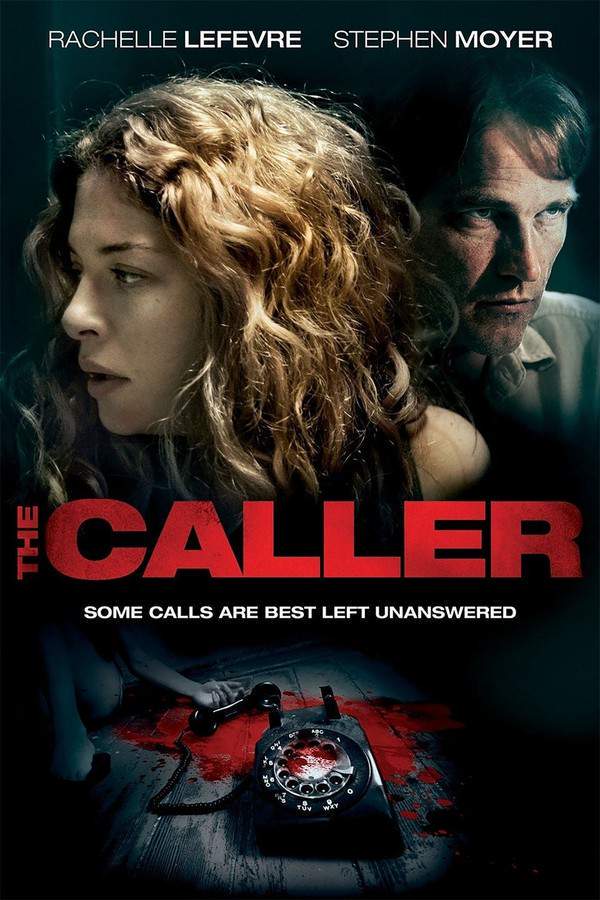
The Caller (2011) movie poster

Timeline

The Caller (2011) Timeline Explained – Every Event in Order

Release, runtime and language
2011 · 95 min · English
Loading streaming availability…
Directed by
Matthew Parkhill

Mary Kee seeks a fresh start, finding comfort in an old telephone. However, mysterious calls from a woman named Rose disrupt her peace, pulling her into a perplexing situation. As the calls continue, Mary struggles to decipher Rose's identity and the connection to her own past, blurring the boundaries of what is real.

On this page (6)
  1. 1 Where to watch
  2. 2 Events in order (9)
  3. 3 Timeline questions answered
  4. 4 Movie threads
  5. 5 Movies like The Caller
  6. 6 Every angle
Loading streaming availability…

9 events in order · contains spoilers

The Caller Timeline: Events in Chronological Order

Every key event of The Caller (2011) in order, scene by scene, with when and where it takes place. Use it to untangle flashbacks, time jumps and parallel storylines, to refresh your memory before the sequel or to find the exact scene you are thinking of.

  1. Mary Moves Into a New Apartment

    Troubled divorcee Mary Kee settles into her new apartment while trying to escape her abusive ex-husband. She finds an antique rotary telephone and places it in her home, developing a fondness for its charm. Shortly after, she begins experiencing strange occurrences related to the phone.

    Where
    Apartment
  2. First Strange Phone Call

    Mary receives mysterious phone calls from a woman named Rose, who claims to be calling from the past in 1979. She is intrigued and curious, establishing an unusual friendship with Rose despite the odd nature of the calls. The calls become more frequent and unsettling over time.

    Where
    Apartment
  3. Rose Leaves a Rose in the Past

    Rose proves her connection to the past by leaving Mary a painted rose in her pantry, confirming her claim of being from 1979. Mary begins to question Rose's motives as the timeline and her knowledge of the past seem increasingly accurate. She learns more about Rose's tragic history from the handyman George.

    Where
    Apartment
  4. Discovering Rose's Past

    Mary uncovers that Rose was also a victim of domestic abuse and had apparently committed suicide. She learns that Rose had killed her abusive husband, who is now bricked up in the apartment's pantry, a secret Mary inadvertently discovers. The horror of the situation deepens her fears.

    Where
    Apartment Pantry
  5. Rose Turns Violent

    As Rose's calls grow more disturbing, Mary cuts all contact, feeling haunted in her own home. Rose, sensing her withdrawal, reveals she has identified Mary as the 'tattletale' and escalates her violence, killing George and a young John, and hiding their bodies in the pantry. Mary finds their skeletons.

    Where
    Apartment
  6. Struggling with the Past and Present

    Mary tries to use her knowledge of Rose's future to outsmart her, leading to a failed attempt at causing a traffic accident. Meanwhile, Rose's presence in the past threatens Mary’s life, as she begins to target her childhood self to exact revenge. Mary realizes she must stop Rose from changing history.

    Where
    Apartment
  7. Final Confrontation and Sacrifice

    In a desperate bid to save her future self, young Mary is convinced to stab Rose with a broken glass, killing her in the past. This act causes Rose to vanish from the present. Mary then learns her past has been altered, leading to a tense confrontation with her abusive ex-husband.

    Where
    Apartment
  8. Mary Kills Her Ex-Husband

    In a twist, Mary, now aware of her power, kills her abusive ex-husband after he strikes her, and bricks up his body in the pantry. This act of self-defense signifies her taking control over her past and present, ending her cycle of violence in her own way.

    Where
    Apartment Pantry
  9. Epilogue with New Tenants

    In the deleted bonus ending, Mary has moved away, and a new young couple moves into the apartment. The vintage rotary phone begins ringing again, suggesting that the cycle or the haunting may continue for future inhabitants.

    Where
    Apartment

Last updated: August 19, 2025 at 05:13

Was this helpful?

Timeline questions answered

The Caller Timeline Explained: Your Questions Answered

When does it happen, and why in that order? The questions people ask about the chronology of The Caller (2011): time jumps, flashbacks, cause and effect between scenes and the correct order of events, each answered with spoilers.

Q1

Why does Rose want to hurt Mary?

Rose believes Mary is the 'tattletale' who reported her to the authorities in 1979, leading to her institutionalization. When Rose discovers Mary is receiving her calls, she becomes convinced that Mary is interfering with her life across time, fueling her rage and motivating her to seek revenge not just on adult Mary but on her as a child.

Foreshadowing: Early phone conversations show Rose becoming increasingly agitated when Mary asks too many questions about her life.

  • rose
  • mary
  • tattletale
  • revenge
  • institutionalized
Q2

How does Rose call from 1979?

The movie suggests the antique rotary phone serves as a supernatural conduit that somehow bridges time. Rose uses it to call Mary's apartment from decades earlier, though the exact mechanics remain mysterious. The phone itself seems to be the key object enabling this impossible communication.

Foreshadowing: Mary feels an immediate attraction to the vintage phone and places it prominently in her home, setting the supernatural events in motion.

  • rotary phone
  • time travel
  • 1979
  • supernatural calls
Q3

What is the connection between Rose and Mary's apartment?

Rose lived in the same apartment building in 1979. She was trapped in an abusive marriage, killed her husband by stabbing him, and then committed suicide. Her body was never found, and she remains spiritually tied to the location, using the phone to reach across time.

Foreshadowing: George, the handyman who has been in the building since 1979, provides crucial context about Rose's tragic history.

  • apartment
  • 1979
  • abusive husband
  • suicide
  • pantry
Q4

Why does Rose kill George and young John?

Rose kills George in the past because he knew about her husband's murder and was a threat to her freedom. She kills young John, Mary's future boyfriend as a child, because she sees anyone connected to Mary as complicit in her suffering. She bricks up both bodies in the pantry, the same location where her own husband's body was hidden.

Foreshadowing: Rose's threats escalate after Mary cuts off contact, warning she will target those Mary loves.

  • george
  • john
  • murder
  • pantry
  • bodies
Q5

What happens to Mary at the end of the movie?

After young Mary kills Rose in the past, the timeline shifts. Adult Mary finds herself back in the apartment with her abusive ex-husband, but now aware of her ability to change outcomes. When he attacks her, she kills him and bricks his body in the pantry, the same fate she originally discovered for Rose's husband.

Foreshadowing: Mary uses her knowledge of the future to attempt interfering with Rose's actions earlier in the film.

  • timeline
  • ex-husband
  • pantry
  • killed
  • altered past
Q6

Why does Mary kill her ex-husband in the ending?

In the altered timeline, Mary has gained foreknowledge of her abusive husband's violence. When he strikes her as he did in the original timeline, she defends herself by killing him. This act represents Mary finally breaking the cycle of abuse that trapped her, taking control rather than remaining a victim.

Foreshadowing: Mary's original reason for moving was escaping her abusive ex-husband, establishing the central threat she fled.

  • ex-husband
  • abuse
  • self-defense
  • cycle violence
Q7

What does the ringing phone at the end mean?

In the deleted ending, after Mary leaves the apartment, a new couple moves in. The vintage rotary phone begins ringing, suggesting the supernatural connection persists and the cycle of violence may continue with new victims. The ending implies Rose's spirit or the phone's power is not truly defeated.

Foreshadowing: Throughout the film, the phone serves as the gateway for Rose's malevolent communication.

  • phone ring
  • cycle
  • deleted ending
  • new tenants
  • haunting
Q8

Why does Rose target Mary's childhood self?

Rose plans to destroy Mary's entire timeline, not just her present-day self. By killing Mary as a child, Rose believes she can erase Mary's entire existence and remove the 'tattletale' who ruined her life. This motivates Rose to lure young Mary into the apartment with the promise of a phone call.

Foreshadowing: Rose explicitly warns Mary that she will take revenge on her as a child in the past.

  • childhood self
  • time travel
  • revenge
  • lure
  • scars
Q9

What is George's connection to the story?

George is the building's handyman who has lived there since 1979. He knew Rose when she was alive and witnessed her abusive situation. He is murdered by Rose in the past to silence him, but his past self's death creates a paradox since adult Mary interacts with him before discovering his skeleton.

Foreshadowing: George provides exposition about Rose's history and seems to know more than he initially reveals.

  • handyman
  • 1979
  • witness
  • skeleton
  • murdered
Q10

Why is the pantry significant in the movie?

The pantry serves as the building's dark secret, a place where bodies are hidden. Rose bricked up her own husband's body there, and later buried George and young John in the same location. Mary discovers these skeletonized remains, and ultimately bricks her ex-husband's body there as well, perpetuating the cycle.

Foreshadowing: Rose confirms her connection to the past by leaving a painted rose in the pantry for Mary to find.

  • pantry
  • bodies
  • skeleton
  • bricked up
  • secret

Movie threads

More Movies Like The Caller, by Mood & Story

Curated lists built around what makes The Caller tick: the same mood, the same kind of story or the same emotional payoff. Each list explains why these movies belong together.

Paranoid Supernatural Puzzle Movies like The Caller

Where a supernatural mystery becomes an intensely personal and threatening psychological trap. If you liked the mind-bending tension of The Caller, explore more movies where a supernatural mystery or time paradox becomes a personal psychological battle. These films, like Coherence or Timecrimes, trap characters in a logic puzzle that feels both intellectually stimulating and deeply threatening.

  • mind-bending
  • paranoid
  • anxious
  • cerebral
  • unsettling
  • claustrophobic
  • Tone: tense, paranoid, cerebral
  • Pacing: steady, puzzle-driven escalation
Why these movies?

The story pattern: The narrative typically begins with the discovery of an inexplicable phenomenon. The protagonist is drawn into investigating its rules, but the mystery soon turns hostile, actively threatening their life and sense of reality. The plot revolves around solving the puzzle before the anomaly consumes them, often with escalating personal stakes and a blurred perception of what is real.

Why they belong together: These films are grouped by their unique blend of a high-concept, rule-based mystery with intense psychological horror. They share a tense, cerebral tone where the 'aha' moment of understanding the paradox is often followed by a deeper sense of dread, creating a consistently anxious and unsettling viewing experience.


Claustrophobic Home Invasion Thrillers like The Caller

Stories where the safety of home turns into a psychological prison of past trauma. Fans of The Caller's trapped, anxious feeling will find similar dread in these 'haunted home' thrillers. These movies, such as The Boy or Hush, explore themes where a place of refuge becomes a prison, often linked to themes of trauma, revenge, and psychological siege.

  • claustrophobic
  • anxious
  • haunting
  • unsettling
  • desperate
  • paranoid
  • Tone: tense, unsettling, desperate
  • Pacing: steady, escalating dread
Why these movies?

The story pattern: These stories often feature a protagonist seeking shelter or a fresh start in a new home, only to find it is inextricably linked to a dark past. The narrative unfolds as the sanctuary is systematically violated, forcing the character to confront buried trauma while fighting for their sanity and survival within the increasingly oppressive confines of their own walls.

Why they belong together: This thread connects films that generate tension through spatial and psychological confinement. They share a heavy emotional weight, a steady, escalating pace, and a core theme of domestic safety being violently overturned, resulting in a deeply unsettling and anxious vibe centered on the concept of a 'haunted' home.

If you liked this

Movies Like The Caller

Similar movies to The Caller: the same genre, themes or kind of story. Each one comes with its own plot summary, timeline and ending explained.

Browse all movie summaries

Every angle

The Caller (2011) Explained: Plot, Timeline & Characters

Everything about The Caller in one place: what happens in the plot summary, the timeline in chronological order, the characters and meaning and a spoiler-free summary. What's After the Movie adds the cast, box office and post-credit scenes.

Coming soon on iOS and Android

The Plot Explained Movie Summary App

Plot summaries, endings explained and timelines on your phone. Catch up on any movie in minutes, save your favorites and never miss a twist again.

Be the first to know when we launch. Your email stays private, always.

Learn more about the app