Year: 2011
Runtime: 95 min
Language: English
Director: Matthew Parkhill
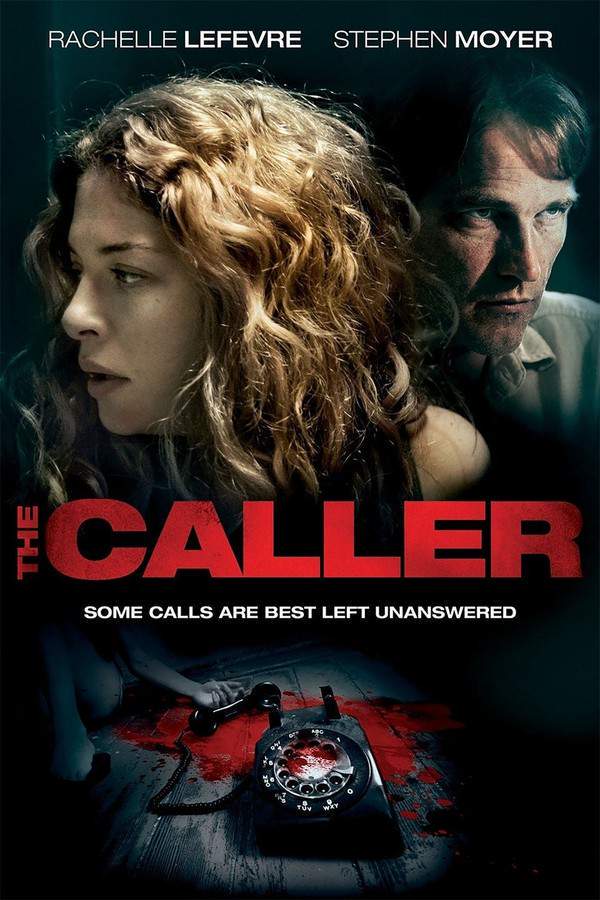
Mary Kee seeks a fresh start, finding comfort in an old telephone. However, mysterious calls from a woman named Rose disrupt her peace, pulling her into a perplexing situation. As the calls continue, Mary struggles to decipher Rose's identity and the connection to her own past, blurring the boundaries of what is real.
Warning: spoilers below!
Haven’t seen The Caller yet? This summary contains major spoilers. Bookmark the page, watch the movie, and come back for the full breakdown. If you're ready, scroll on and relive the story!
Read the complete plot breakdown of The Caller (2011), including all key story events, major twists, and the ending explained in detail. Discover what really happened—and what it all means.
After moving into a new apartment to escape her troubled past and an abusive ex-husband, Mary Kee begins to experience strange and unsettling events. She becomes fascinated with an old rotary phone she finds, feeling an immediate attraction to its vintage charm. She places it prominently in her home, unaware that this decision will set off a series of eerie and supernatural occurrences.
Soon after setting up the phone, Mary starts receiving mysterious calls from a woman named Rose. Over time, she learns that Rose claims to be calling from the past, specifically from the year 1979. An unlikely friendship develops between the two women, with Rose sharing details about her own life, including her abusive marriage and tragic death by suicide. As their conversations deepen, Rose reveals her own dark secrets and her connection to the apartment.
The situation takes a horrifying turn when Rose, driven by her own revenge, begins to kill others connected to Mary’s life, including her abusive ex-husband. Rose’s actions escalate as she murders the man, bricking up his body in the pantry where Mary eventually discovers it. Mary also learns from the handyman George, who has been in the apartment since 1979, that Rose had a similar abusive relationship and that she herself killed in her attempt to escape her torment. Rose’s influence extends beyond that, as she kills George in the past and later targets Mary’s current boyfriend, John, a teacher with a background in science and time. Tragically, Rose also kills John as a child and buries him in the same pantry, a fact no one else remembers except Mary.
As Rose’s phone calls become more disturbing and threatening, Mary feels increasingly haunted and frightened within her own home. She cuts off contact with Rose but soon regrets it, as Rose becomes enraged and begins to hunt her through time. Rose’s wrath culminates in her warning Mary that she plans to take revenge not just on the present-day Mary but on her as a child in the past. Rose finally lures young Mary into the apartment, attempting to burn her with hot water, leaving visible scars on adult Mary.
Realizing she must stop Rose before she destroys everything, Mary discovers that Rose had been institutionalized but has mysteriously disappeared after her release. As Rose’s threat grows more personal and deadly, adult Mary learns she must take drastic action. With her knowledge of the past and the future, she enlists her childhood self to defend her. In a desperate and heartbreaking act, little Mary stabs Rose with a shard of glass from a mirror, ending her reign of terror. After Rose’s demise, Mary hears her younger self sobbing over the loss, and she advises her to escape from the apartment immediately.
However, in a disturbing twist, the timeline seems altered. Mary finds herself back in the same apartment with her ex-husband, who becomes hostile. In a final act of desperation and justice, Mary kills her ex-husband and bricked-up body in the pantry, seemingly fixing the chaos but leaving lingering questions about her fate. In the deleted ending, a young couple moves into the apartment, and the now-quiet rotary phone begins to ring once again, hinting that the cycle may not be truly over.
Throughout the film, themes of trauma, revenge, and the supernatural blend into a haunting story about confronting one’s past and the dangerous power of unresolved anger. The supernatural elements, combined with the psychological horror, create an intense atmosphere that keeps viewers questioning what is real and what is supernatural, culminating in a chilling conclusion that leaves lingering doubts about whether the cycle of violence can ever truly be broken.
Last Updated: August 19, 2025 at 05:13
Discover curated groups of movies connected by mood, themes, and story style. Browse collections built around emotion, atmosphere, and narrative focus to easily find films that match what you feel like watching right now.
Where a supernatural mystery becomes an intensely personal and threatening psychological trap.If you liked the mind-bending tension of The Caller, explore more movies where a supernatural mystery or time paradox becomes a personal psychological battle. These films, like Coherence or Timecrimes, trap characters in a logic puzzle that feels both intellectually stimulating and deeply threatening.
The narrative typically begins with the discovery of an inexplicable phenomenon. The protagonist is drawn into investigating its rules, but the mystery soon turns hostile, actively threatening their life and sense of reality. The plot revolves around solving the puzzle before the anomaly consumes them, often with escalating personal stakes and a blurred perception of what is real.
These films are grouped by their unique blend of a high-concept, rule-based mystery with intense psychological horror. They share a tense, cerebral tone where the 'aha' moment of understanding the paradox is often followed by a deeper sense of dread, creating a consistently anxious and unsettling viewing experience.
Stories where the safety of home turns into a psychological prison of past trauma.Fans of The Caller's trapped, anxious feeling will find similar dread in these 'haunted home' thrillers. These movies, such as The Boy or Hush, explore themes where a place of refuge becomes a prison, often linked to themes of trauma, revenge, and psychological siege.
These stories often feature a protagonist seeking shelter or a fresh start in a new home, only to find it is inextricably linked to a dark past. The narrative unfolds as the sanctuary is systematically violated, forcing the character to confront buried trauma while fighting for their sanity and survival within the increasingly oppressive confines of their own walls.
This thread connects films that generate tension through spatial and psychological confinement. They share a heavy emotional weight, a steady, escalating pace, and a core theme of domestic safety being violently overturned, resulting in a deeply unsettling and anxious vibe centered on the concept of a 'haunted' home.
Don't stop at just watching — explore The Caller in full detail. From the complete plot summary and scene-by-scene timeline to character breakdowns, thematic analysis, and a deep dive into the ending — every page helps you truly understand what The Caller is all about. Plus, discover what's next after the movie.
Track the full timeline of The Caller with every major event arranged chronologically. Perfect for decoding non-linear storytelling, flashbacks, or parallel narratives with a clear scene-by-scene breakdown.
Discover the characters, locations, and core themes that shape The Caller. Get insights into symbolic elements, setting significance, and deeper narrative meaning — ideal for thematic analysis and movie breakdowns.
Get a quick, spoiler-free overview of The Caller that covers the main plot points and key details without revealing any major twists or spoilers. Perfect for those who want to know what to expect before diving in.
Visit What's After the Movie to explore more about The Caller: box office results, cast and crew info, production details, post-credit scenes, and external links — all in one place for movie fans and researchers.
Discover movies like The Caller that share similar genres, themes, and storytelling elements. Whether you’re drawn to the atmosphere, character arcs, or plot structure, these curated recommendations will help you explore more films you’ll love.
The Caller (2011) Scene-by-Scene Movie Timeline
The Caller (2011) Movie Characters, Themes & Settings
The Caller (2011) Spoiler-Free Summary & Key Flow
Movies Like The Caller – Similar Titles You’ll Enjoy
The Call (2020) Story Summary & Characters
The Call (2020) Movie Recap & Themes
The Call (2013) Movie Recap & Themes
When a Stranger Calls (1979) Film Overview & Timeline
One Missed Call (2005) Full Summary & Key Details
One Missed Call (2008) Film Overview & Timeline
The Caller (2009) Full Summary & Key Details
Close Calls (2017) Plot Summary & Ending Explained
Hotline (1982) Spoiler-Packed Plot Recap
Murder by Phone (1982) Film Overview & Timeline
The Caller (1987) Story Summary & Characters
Call Me (1988) Film Overview & Timeline
The Phone Call (1989) Movie Recap & Themes
Don’t Answer the Phone! (1980) Spoiler-Packed Plot Recap
Ringer (1996) Ending Explained & Film Insights