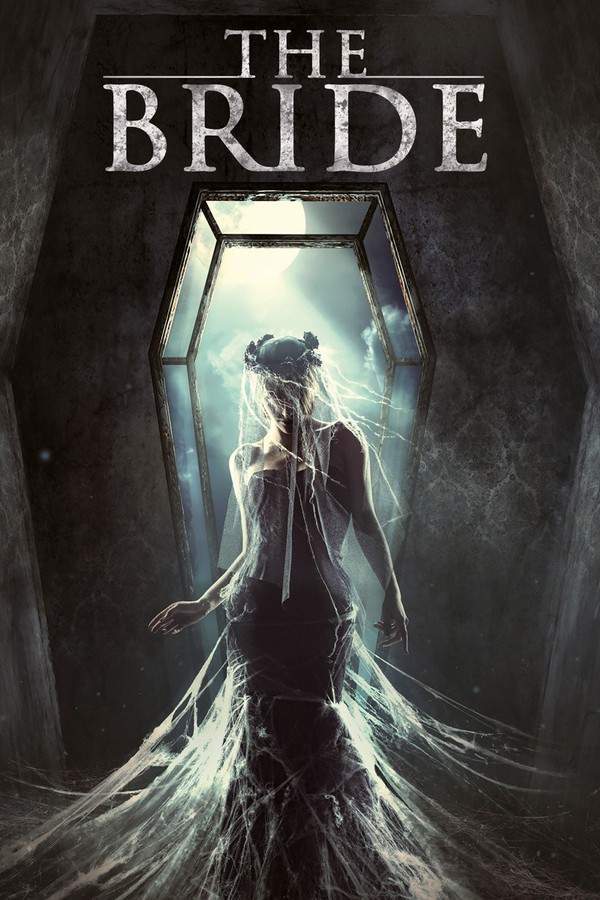
The Bride (La Novia)

The Bride (La Novia)

JustWatch#32,9482

Year: 2016

Runtime: 96 min

Language: Russian

Director: Paula Ortiz

Drama

Inspired by Federico García Lorca’s Blood Wedding, this film tells a mesmerizing story of forbidden love and devastating consequences. A young woman preparing for her wedding finds herself drawn to a man she cannot have, triggering a complex and dangerous game of desire and deceit. As tensions escalate, a tragic chain of events unfolds, leaving a lasting impact on all involved.

Where to Watch The Bride (La Novia)?

Find where to stream, rent, or buy The Bride (La Novia) (2016) in the US with current JustWatch availability, up-to-date pricing, and platform listings for subscription, rental, and digital purchase options.

Warning: spoilers below!

Haven’t seen The Bride (La Novia) yet? This summary contains major spoilers. Bookmark the page, watch the movie, and come back for the full breakdown. If you're ready, scroll on and relive the story!

The Bride (La Novia) (2016) – Full Plot Summary & Ending Explained

Read the complete plot breakdown of The Bride (La Novia) (2016), including all key story events, major twists, and the ending explained in detail. Discover what really happened, and what it all means.

Mary Shelley returns from the afterlife to tell a story she never finished, and she does so by possessing a woman named Ida in 1936 Chicago. Through Ida’s traces of memory and voice, the tale unfolds with a somber, almost mythic cadence: Shelley speaks of the criminal world around crime boss Lupino, whose henchmen, Clyde and James, quietly whisk Ida aside as the author’s tirades spill out, causing her to stumble to her death on a staircase. In this same city, a different drama takes shape around the revived dead and the endless ache of loneliness.

In another corner of Chicago, the Frankenstein creature—often called Frank—arrives at the doorstep of scientist Dr. Cornelia Euphronius. Frank, having learned from the old legends of reanimation, asks Euphronius to create a companion for him after more than a century of solitude. Together they select Ida’s corpse and succeed in reviving her, though the process steals Ida’s memory in the process. Frank seizes on this amnesia, presenting her as his bride and insisting that her lost memories are the accident that fractured her past.

Ida’s revived life begins with a shared night out: they attend a screening featuring Frank’s favorite actor, Ronnie Reed, and later dance in a club. A brutal turn comes when two men try to assault Ida; Frank kills them and, despite her pleas to be left behind, she chooses to flee with him. The couple slips away on a train bound for New York City, during which they murder a security officer who confronts them following Shelley’s destabilizing outburst. On the other side of the country, Detective Jake Wiles and his assistant Myrna Malloy start to connect a string of murders and disappearances to the lovers’ trail.

The fugitives land in New York, where, in a new identity, Frank tells Ida her name is Penelope Rogers. The alias is not enough to quiet the escalating chaos: at a screening of Revolt of the Zombies and later at a high-society party, Penelope disrupts the crowd with a fierce energy that crosses into mayhem. Frank participates in the revelry, even dancing as Reed does in his films, while partygoers fall under a strange, Shelley-possessed influence. When the police arrive, Penelope resists and holds Reed at gunpoint, condemning the men in attendance for abusing women. Detective Wiles recognizes her true identity as Ida, and the couple’s escape becomes a headline-grabbing spree that ends with a stolen car carrying them out of the city.

As Lupino notices the sensational crimes in the press, he orders harsher measures, executing James for failing to quiet Penelope and sending Clyde to finish the job. Malloy’s investigation—connecting sightings of the couple to films set in Ronnie Reed’s worlds—drives them toward Niagara Falls, where Wiles confronts Penelope and informs her of her true past. A tense moment leaves Wiles injured when Penelope shoots his foot, forcing the couple to flee again. They take shelter at a drive-in where Frank hints at the truth of their origins, prompting a moral reckoning in their fragile bond.

Wiles’s confession to Malloy—that he and Ida had once planned to take down Lupino but failed—introduces guilt into the pursuit. Malloy rises to replace the retiring Wiles, and the couple’s path converges with the law again at the drive-in. Frank seeks Penelope’s forgiveness, reaffirming his love for her, and she reclaims the identity of the Bride as they prepare for one final turn of events. In a brutal twist, Clyde shoots Frank, and the Bride escapes with his lifeless body back toward Euphronius’s laboratory, pursued by Malloy.

Euphronius herself refuses to reanimate the dead again after a traumatic attempt to save her husband, a decision that blocks the pair’s earlier fate. Clyde presses into the laboratory and fatally shoots the Bride, leaving Euphronius alone with the Bride’s and Frank’s corpses. Malloy arrives and orders the search for Clyde as the police take control of the scene; a glimmering sense of possibility returns as Malloy and the revived influence of Mary Shelley—who guides Euphronius—encourage a new experiment. Euphronius, moved by their voices, decides to attempt one final revival of the couple.

Clyde is soon captured by police, and the lab fills with the sign of something extraordinary: bright lights spill from the laboratory as the revived bodies of Penelope and Frank hold hands once more. In the ending credits, Lupino is finally apprehended by Wiles, while female rioters inspired by the Bride fill the streets, closing the tale on a note of renewed energy and eerie triumph.

  • This retelling preserves the film’s core arc: a supernatural intercession by Mary Shelley, the revival and trauma of Ida, the creation of Penelope, a relentless crime spree, uneasy confrontations with law enforcement, and a final, ominous revival that hints at a cycle renewed. The story stays faithful to its themes of memory, identity, power, and the perilous lure of reanimation, while delivering a richly detailed journey through love, murder, law, and the uncanny certainty that some corpses never stay buried.
Last updated: April 18, 2026 at 09:57

Was this helpful?

The Bride (La Novia) (2016) Plot Questions Answered – Summary FAQ

Explore frequently asked questions about The Bride (La Novia) (2016) with spoiler-rich answers covering the full plot summary, major story beats, character motivations, hidden details, and ending meaning. This movie summary FAQ helps explain confusing scenes, plot twists, and narrative decisions in clear, searchable detail.

Q1

Why does Mary Shelley possess Ida at the beginning of the film?

A.

Mary Shelley possesses Ida to tell her own unfinished story from the afterlife. She uses Ida's body as a vessel to recount the crimes of crime boss Lupino, and her presence causes Ida to stumble to her death on a staircase, essentially using Ida's death as the starting point for the narrative she wants to tell.

Early on, Shelley's narration establishes that she has returned from the dead to finish a story she never completed.

mary shelley possessionidaafterlifesupernatural narrator
Q2

Why does Ida lose her memory after being revived?

A.

The reanimation process performed by Dr. Euphronius successfully brings Ida back to life, but it strips away all her memories. Frank deliberately exploits this amnesia, presenting himself as her husband and insisting her lost memories are simply the result of an accident that fractured her past.

The memory loss is a direct consequence of the reanimation procedure, which the film establishes as an imperfect science.

ida memory lossreanimationdr euphroniusfrank bride
Q3

Why does Frank lie to Ida about her true identity?

A.

Frank deliberately tells Ida that her name is Penelope Rogers and that she is his wife, using her memory loss to create a false history. His motivation is possessive, he wants Ida to belong only to him and cannot bear the thought of her remembering a life before him. He views the amnesia as an opportunity to shape her identity entirely.

Frank's desire for companionship after a century of loneliness drives his decision to control her identity completely.

frankida identitypenelope rogersmemory losscontrol
Q4

Why does Penelope shoot Detective Wiles at Niagara Falls?

A.

When Detective Wiles confronts Penelope at Niagara Falls and reveals her true past as Ida, she panics and shoots him in the foot to escape. Despite learning the truth about her identity, she chooses to flee with Frank rather than surrender, showing her commitment to the new life Frank created for her.

Earlier scenes establish Penelope's pattern of using violence to escape difficult situations.

penelope shoots wilesniagara fallsida identitydetective wilesescape
Q5

Why does Clyde kill Frank at the drive-in theater?

A.

Clyde is sent by crime boss Lupino to assassinate the Bride (Penelope) after Lupino executes James for failing to stop her. When Clyde arrives at the drive-in, he shoots Frank致命ally, but the Bride escapes with Frank's body, leaving Clyde's actual target untouched.

Lupino's earlier order to silence the Bride for good sets this fatal confrontation in motion.

clyde kills frankdrive-inlupinobride escapeassassination
Q6

Why does Dr. Euphronius finally agree to revive the couple at the end?

A.

After refusing to reanimate the dead again following her husband's failed revival, Euphronius changes her mind when encouraged by Malloy and the lingering voice of Mary Shelley from the afterlife. Moved by their urging and the tragic fate of the couple, she attempts one final revival, bringing Frank and the Bride back to life together.

Euphronius's earlier trauma about her husband's failed reanimation makes her final decision more significant.

euphronius revivalfrank bride revivedmary shelley influencehappy ending
Q7

Why does the Bride hold Ronnie Reed at gunpoint at the high-society party?

A.

At the party, the Bride, possessed by Mary Shelley's influence, holds Ronnie Reed at gunpoint and condemns the men present for abusing women. This violent outburst is driven by Shelley's spirit acting through her, turning the glamorous event into chaos.

Mary Shelley's influence manifests periodically throughout the film, particularly during key confrontations.

bride holds reed hostageronnie reedhigh society partymary shelley possession
Q8

Why does Lupino send Clyde to kill the Bride?

A.

Lupino orders Clyde to kill the Bride after reading newspaper reports about her violent crimes and growing notoriety. He previously executes James for failing to stop her, so sending Clyde represents his final, desperate attempt to eliminate the loose end before her actions bring heat on his criminal operation.

Newspaper coverage of the Bride's crimes draws dangerous attention to Lupino's underworld.

lupino sends clydecrime bossbride notorietynewspaper
Q9

Why does Penelope cause chaos at the Revolt of the Zombies screening?

A.

Penelope disrupts the screening of Revolt of the Zombies with a fierce, violent energy that crosses into mayhem. This outbreak is partially fueled by Mary Shelley's lingering influence, which amplifies her destructive impulses and creates a public spectacle.

The film title itself echoes the reanimation theme that runs through the entire story.

penelope disruptsrevolt of the zombiesscreening chaosmary shelley influence
Q10

Why does Detective Wiles feel guilty about pursuing the Bride?

A.

Wiles confesses to Malloy that he and the original Ida had once planned to take down crime boss Lupino together, but their plan failed. This personal connection to Ida's past, and his failure to protect her, creates guilt that drives his complicated pursuit of the Bride.

Earlier scenes hint at Wiles's personal stake in the case beyond professional duty.

wiles guiltida pastlupino conspiracydetective malloy
Q11

Why does Frank kill the two men who attack Penelope at the club?

A.

When two men attempt to assault Penelope at the club, Frank eliminates the threat by killing them both. This violent protective response establishes Frank's dangerous devotion and sets the couple on their path of crime, as Penelope, despite being frightened, chooses to stay with him and flee together.

This event marks the first major violent act that launches their crime spree.

frank kills attackersclub attackPenelopeviolent escapecrime spree
Q12

Why does the ending feel hopeful despite both main characters dying?

A.

The film ends with Euphronius successfully reviving both Frank and the Bride, who hold hands in a silent, eerie promise of renewed life together. Combined with Lupino's arrest and rioters inspired by the Bride taking to the streets, the conclusion suggests that love transcends death and justice eventually prevails, even in a dark, bittersweet way.

The cyclical theme of reanimation runs throughout, suggesting some corpses never stay buried.
hopeful endingrevivalfrank and bride togetherjusticebittersweet
Mobile App Preview

Coming soon on iOS and Android

The Plot Explained Mobile App

From blockbusters to hidden gems - dive into movie stories anytime, anywhere. Save your favorites, discover plots faster, and never miss a twist again.

Sign up to be the first to know when we launch. Your email stays private, always.

Explore Movie Threads

Discover curated groups of movies connected by mood, themes, and story style. Browse collections built around emotion, atmosphere, and narrative focus to easily find films that match what you feel like watching right now.

Gothic Tragedies of Forbidden Love like The Bride (La Novia)

Where doomed passion collides with a dark, atmospheric fate.If you liked the tragic romance and gothic atmosphere of The Bride (La Novia), you'll find more movies here with similar themes of doomed love, dark fate, and heavy emotional consequences. Discover other films where passion leads to violence and melancholy reigns.

tragicromanticgothicmelancholicatmospherictenseunsettlingdoomed

Narrative Summary

These narratives typically follow characters who are drawn into a powerful, often illicit love that defies social or supernatural boundaries. This passion acts as a catalyst for a chain of tragic events, leading to violence, loss, and a bittersweet or bleak resolution. The journey is one of overwhelming desire clashing with a cruel fate.

Why These Movies?

They are grouped by their shared dark, romantic tone, gothic aesthetic, and focus on a central love story that is both intense and tragically doomed. The mood is consistently tense, melancholic, and atmospheric, with a high emotional weight and a pacing that drives relentlessly toward a devastating climax.

Complex Supernatural Thrillers like The Bride (La Novia)

When otherworldly forces trigger a violent and morally complex chain of events.Find movies similar to The Bride (La Novia) that blend supernatural themes with crime thriller tension and complex narratives. If you enjoyed the high-stakes action, moral dilemmas, and heavy consequences, this thread will guide you to your next watch.

tenseviolentunsettlingatmosphericsupernaturalcomplexthrillingmoral dilemma

Narrative Summary

The plot often begins with a supernatural inciting incident—like a reanimation or possession—that throws the protagonist's life into chaos. This triggers a violent crime spree or a desperate investigation, forcing characters to confront profound ethical questions and their own fractured identity. The story unfolds at a breakneck pace towards a consequential, often bittersweet, ending.

Why These Movies?

They share a specific mix of high intensity, fast pacing, and dark tone, driven by a supernatural premise that leads to violent, real-world action. The experience is defined by complex plotting, heavy emotional weight, and a consistent feeling of tension and unease, making the viewer grapple with disturbing themes alongside the characters.

Unlock the Full Story of The Bride (La Novia)

Don't stop at just watching - explore The Bride (La Novia) in full detail. From the complete plot summary and scene-by-scene timeline to character breakdowns, thematic analysis, and a deep dive into the ending - every page helps you truly understand what The Bride (La Novia) is all about. Plus, discover what's next after the movie.

The Bride (La Novia) Timeline

Track the full timeline of The Bride (La Novia) with every major event arranged chronologically. Perfect for decoding non-linear storytelling, flashbacks, or parallel narratives with a clear scene-by-scene breakdown.

The Bride (La Novia) Timeline

Characters, Settings & Themes in The Bride (La Novia)

Discover the characters, locations, and core themes that shape The Bride (La Novia). Get insights into symbolic elements, setting significance, and deeper narrative meaning - ideal for thematic analysis and movie breakdowns.

Characters, Settings & Themes in The Bride (La Novia)

The Bride (La Novia) Spoiler-Free Summary

Get a quick, spoiler-free overview of The Bride (La Novia) that covers the main plot points and key details without revealing any major twists or spoilers. Perfect for those who want to know what to expect before diving in.

The Bride (La Novia) Spoiler-Free Summary

More About The Bride (La Novia)

Visit What's After the Movie to explore more about The Bride (La Novia): box office results, cast and crew info, production details, post-credit scenes, and external links - all in one place for movie fans and researchers.

More About The Bride (La Novia)