Plot Explained Spoilers guaranteed!
Plot Explained

Browse by genre

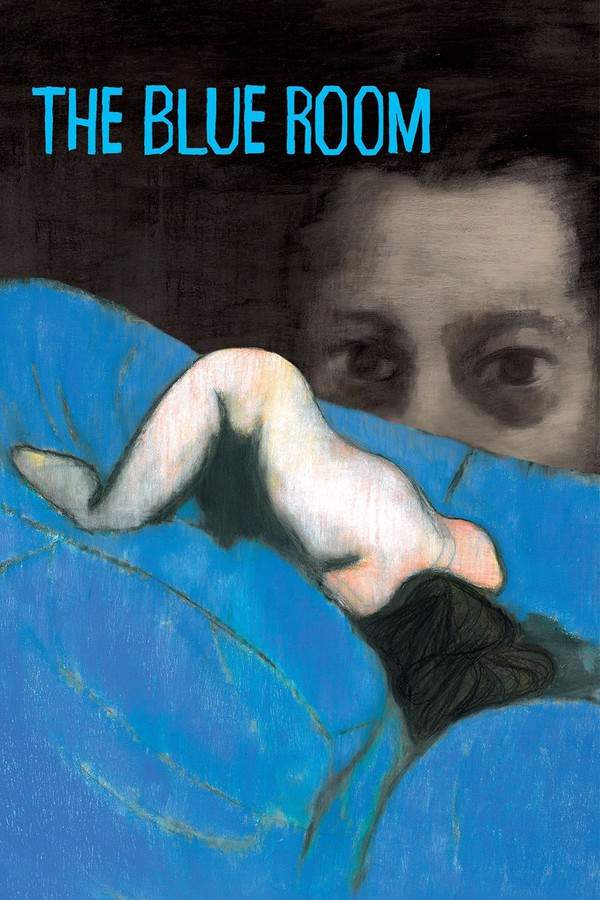
The Blue Room (2014) movie poster

Plot Summary

The Blue Room (2014) Plot Summary Explained

Release, runtime and language
2014 · 76 min · French
Loading streaming availability…
Starring
Léa Drucker, Mathieu Amalric, Blutch, Laurent Poitrenaux, Mona Jaffart, Paul Kramer

A man and woman engage in a passionate affair within a secluded room, leading to a thrilling and dangerous encounter. As the intensity fades, Julien finds himself under police investigation, struggling to piece together the events that transpired and grappling with the consequences of his actions. The investigation unravels his world, blurring the lines between reality and memory as he fights to understand what truly happened.

On this page (6)
  1. 1 Where to watch
  2. 2 What happens: full plot
  3. 3 Plot questions answered
  4. 4 The book behind the movie
  5. 5 Movie threads
  6. 6 Every angle
Loading streaming availability…

Full plot summary · contains spoilers

What Happens in The Blue Room: Full Plot Summary

The whole story of The Blue Room (2014) explained, from the opening scene to the final frame: every key event, every twist and what it all adds up to. Read it as a quick recap before the sequel, to check a scene you missed, or to finally understand what really happened.

Julien works as a sales representative for farming machinery, and his domestic life centers on his wife Delphine and their young daughter Suzanne. Their quiet routine is upended when Julien runs into Esther Despierre at the local pharmacy, a woman he knew from school. Esther’s husband, Nicolas, is gravely ill and spends most of his time in the hospital, his health marked by repeated seizures. What begins as a familiar encounter soon slips into something illicit as Julien and Esther embark on a fervent, secret affair, meeting irregularly in the blue room of a nearby hotel.

As their affair deepens, Esther asks a stark question about a future together, and Julien’s answer—an unconditional yes—cements a dangerous turn in his life. Their romance becomes more precarious; at one point Julien almost gets caught by Nicolas, forcing him to cut off contact for months. He starts receiving a string of letters from Esther, short and increasingly ominous in tone, which makes him unsettled and wary.

The turning point arrives with the news that Nicolas has died. Although his prognosis had seemed poor, Julien suspects foul play, a possibility that shadows every subsequent event. Esther sends another missive, simply reading “À toi!” which shocks Julien to the core. He burns that letter and disposes of it along with the others, trying to erase the trail of a relationship that now feels perilous and out of control.

Time passes, and Delphine asks Julien to pick up a prescription for Suzanne at the pharmacy. There he encounters Esther again, who not only fills the prescription but also hands over a box of plum jam that Nicolas’ mother had been sending—an item that becomes a symbol of the entwined fates around them. Julien delivers the jam to Delphine and heads to a work appointment, only to return home to a house filled with police and to find Delphine dead, the plum jam the likely cause of her poisoning. Julien is arrested on the spot.

The investigation widens to reveal a crucial detail: a FedEx package was acquired by Julien on the way home from picking up Suzanne’s prescription and the jam. Eyewitnesses at the FedEx facility describe him spending up to ten minutes in a secluded area of the parking lot between collecting the package and driving home, a window prosecutors argue he used to poison the jam. The charges grow heavier as both Julien and Esther are tried and eventually sentenced to life in prison for the deaths of Nicolas and Delphine.

As they leave the blue courtroom, Esther gives Julien a knowing smile and says, “See, Julien, they haven't parted us.” The final note of the story rests on the haunting intersection of passion, suspicion, and consequence, a quiet tragedy that turns on whether desire can ever be separated from responsibility and guilt. The film drifts through intimate moments and procedural details, building a mood of claustrophobic tension that lingers long after the verdict.

> À toi!
Last updated: October 09, 2025 at 16:25

Was this helpful?

Plot questions answered

The Blue Room Plot Explained: Your Questions Answered

The questions people ask most about The Blue Room (2014): what happens in the confusing scenes, why the characters do what they do, the twists, hidden details and what the ending means. Each answer contains spoilers.

Q1

Why does Julien suspect Nicolas was murdered?

Julien becomes suspicious of Nicolas' death because he knows Esther wanted a future with him and had previously asked if he could be with her forever. When Nicolas dies after being gravely ill, Julien connects the dots, Esther had both motive and opportunity to end her husband's life so they could be together. This suspicion haunts him throughout the story.

Foreshadowing: Earlier in the affair, Esther asks Julien about a future together, showing her willingness to end her marriage by any means.

  • nicolas death
  • esther despierre
  • murder suspicion
  • affair motive
Q2

How was Delphine poisoned?

Delphine was poisoned by eating plum jam that Julien brought home from the pharmacy. The jam had been given to Julien by Esther, who had access to it because it was sent by Nicolas' mother through the same pharmacy. Prosecutors argued Julien poisoned the jam during his 10-minute stop at a secluded parking area after leaving the FedEx facility.

Foreshadowing: The jam was a gift from Nicolas' mother, passed through Esther's hands at the pharmacy, a detail that becomes incriminating.

  • delphine poisoning
  • plum jam
  • poison method
  • jam murder
Q3

What was the FedEx parking lot evidence against Julien?

After picking up Suzanne's prescription and the plum jam, Julien stopped at a FedEx facility to collect a package. Eyewitnesses placed him in a remote area of the parking lot for up to ten minutes between collecting the package and driving home. Prosecutors argued this window gave him enough time to poison the jam before delivering it to Delphine.

Foreshadowing: Julien's routine stop at FedEx becomes the critical gap in his timeline that investigators exploit.

  • fedex facility
  • parking lot evidence
  • julien arrest
  • poisoning timeline
Q4

Why did Esther give Julien the plum jam?

Esther handed Julien the box of plum jam at the pharmacy, explaining it was from Nicolas' mother who also received it from another pharmacist. This seemingly innocent exchange becomes sinister in retrospect, Esther had access to the jam and could have poisoned it before giving it to Julien, framing him for Delphine's murder while eliminating her rival.

Foreshadowing: The jam came from Nicolas' mother, a connection that links Esther directly to the poison.

  • esther jam
  • plum jam
  • pharmacy meeting
  • poison frame
Q5

What does the 'À toi!' letter signify?

The letter reading simply 'À toi!' (meaning 'To you!') shocks Julien because it arrives shortly after Nicolas' death. The timing suggests Esther is reaching out to claim Julien as her own now that her husband is gone. Julien is terrified by this escalation and burns the letter along with all previous ones, trying to destroy evidence of their affair.

Foreshadowing: The letter arrives immediately after Nicolas dies, suggesting Esther's hand in his death.

  • a toi letter
  • esther message
  • julien fear
  • letter burning
Q6

Why is Julien convicted of both Nicolas and Delphine's deaths?

Julien is sentenced to life in prison for both murders. For Nicolas, the prosecution argues he conspired with Esther or killed him directly to be with her. For Delphine, the evidence includes his access to the poisoned jam, his 10-minute window in the FedEx parking lot, and his affair motive. The circumstantial evidence and his destroyed letters paint a damning picture.

Foreshadowing: Julien's destruction of the letters removes his ability to prove his innocence.

  • life sentence
  • julien conviction
  • trial evidence
  • double murder
Q7

What does Esther's final smile mean when leaving the courtroom?

Esther smiles and tells Julien, 'See, Julien, they haven't parted us,' implying she orchestrated the entire situation. Whether she poisoned Nicolas herself, framed Julien, or they were complicit in both murders, the outcome keeps them together in prison. The smile suggests she achieved her goal of binding Julien to her forever, regardless of the consequences.

Foreshadowing: Esther's earlier question about a future together takes on horrifying meaning.

  • esther smile
  • courtroom ending
  • together forever
  • twisted bond
Q8

Why does Julien burn all of Esther's letters?

Julien burns the letters, including the 'À toi!' note, to erase evidence of his affair with Esther. The burning occurs in a canal after Nicolas' death, when Julien realizes the relationship has become dangerous and incriminating. However, destroying the letters also removes any proof that could have defended him during the investigation.

Foreshadowing: The letters represent the trail of the affair that becomes his downfall.

  • letter burning
  • evidence destruction
  • affair secrets
  • julien panic
Q9

Why is Julien arrested at his home?

Julien returns home to find police already there and Delphine dead from the poisoned jam. The police arrest him immediately because he was the last person who had access to the jam, had a clear motive (the affair), and his story immediately places him at the scene with the poisoned product. The timing and evidence make him the prime suspect.

Foreshadowing: Julien's delivery of the jam directly links him to the murder weapon.

  • julien arrest
  • police raid
  • immediate suspicion
  • jam evidence
Q10

What happens to Suzanne after Delphine's death?

Suzanne is left orphaned when Delphine dies from the poisoned jam. As a child, she represents the innocent victim destroyed by her father's affair. The film does not specify her ultimate fate, but she is undoubtedly affected by losing her mother and having her father imprisoned for murder.

Foreshadowing: Delphine asks Julien to pick up Suzanne's prescription, the same trip that leads to her death.

  • suzanne orphan
  • delphine daughter
  • child aftermath
  • family destruction

Movie threads

More Movies Like The Blue Room, by Mood & Story

Curated lists built around what makes The Blue Room tick: the same mood, the same kind of story or the same emotional payoff. Each list explains why these movies belong together.

Movies about deadly affairs like The Blue Room

Ill-fated romances that lead to crime, investigation, and tragic ruin. If you liked the dangerous liaison and grim consequences in The Blue Room, explore more movies where a passionate affair leads to crime and investigation. These similar thrillers feature high-stakes betrayal, legal peril, and a heavy emotional weight.

  • fatalistic
  • suspenseful
  • melancholic
  • anxious
  • somber
  • oppressive
  • Tone: dark, fatalistic
  • Pacing: steady, methodical
Why these movies?

The story pattern: These narratives typically follow a linear but fractured path, beginning with an intense, secret romance. The central relationship soon becomes the catalyst for a crime, triggering a methodical investigation that forces the protagonists to confront their actions and unreliable memories, culminating in a bleak, life-altering conclusion.

Why they belong together: They are grouped by their core premise of a romance that turns deadly, creating a consistent mood of fatalistic suspense. They share a dark tone, a steady pacing that builds towards inevitable doom, and a heavy emotional focus on guilt, betrayal, and irreversible consequences.

Thrillers with unreliable memory like The Blue Room

Thrillers where a protagonist's fragmented memory obscures a grim truth. For viewers who enjoyed the memory unraveling in The Blue Room, this list features similar crime stories and psychological thrillers. Discover movies where a protagonist under investigation struggles to separate reality from a traumatic past.

  • claustrophobic
  • psychological
  • suspenseful
  • somber
  • anxious
  • unreliable narrator
  • Tone: dark, suspenseful, melancholic
  • Pacing: steady, psychological
Why these movies?

The story pattern: The narrative pattern involves a protagonist being investigated for a crime, often one they may have committed. The story structure is non-linear or fractured, juxtaposing the present-day investigation with hazy, emotional flashbacks. The central conflict is internal as the character grapples with guilt and a distorted perception of events.

Why they belong together: These films share a specific psychological tension, built on the protagonist's confusion and the audience's uncertainty. The similarity comes from a claustrophobic, introspective mood, a moderate narrative complexity centered on an unreliable perspective, and a tone that is both suspenseful and deeply melancholic.

Every angle

The Blue Room (2014) Explained: Plot, Timeline & Characters

Everything about The Blue Room in one place: what happens in the plot summary, the timeline in chronological order, the characters and meaning and a spoiler-free summary. What's After the Movie adds the cast, box office and post-credit scenes.

Coming soon on iOS and Android

The Plot Explained Movie Summary App

Plot summaries, endings explained and timelines on your phone. Catch up on any movie in minutes, save your favorites and never miss a twist again.

Be the first to know when we launch. Your email stays private, always.

Learn more about the app