Year: 2016
Runtime: 120 min
Language: English
Budget: $8.5M
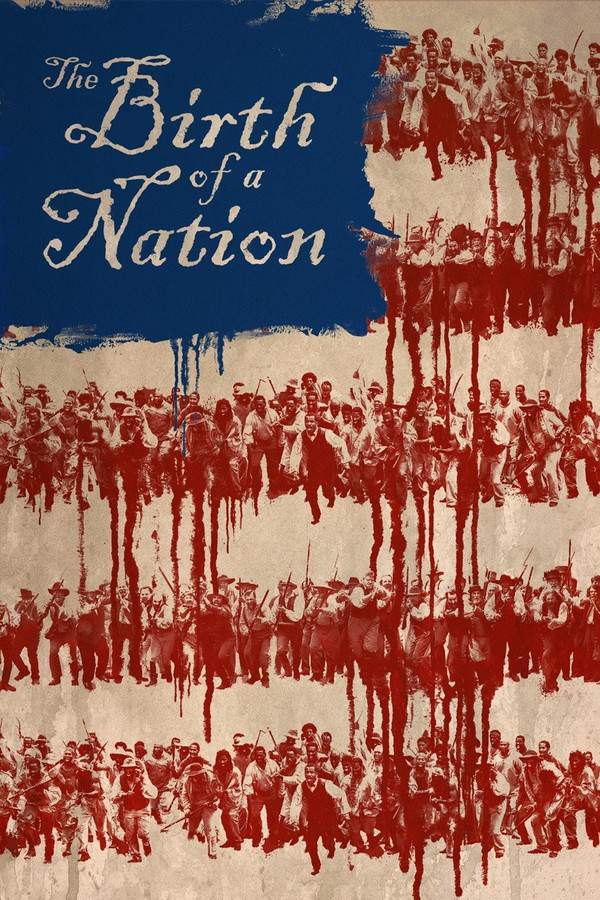
Nat Turner, an enslaved Baptist preacher, resides on a Virginia plantation under the ownership of Samuel Turner. Hoping to prevent unrest, a cleric persuades Samuel to have Nate preach to other enslaved people. However, witnessing the brutal mistreatment of his fellow man, Nat realizes preaching alone is not enough. Fueled by a desire for justice and freedom, he leads a violent and historic rebellion in Southampton County on August 21, 1831, forever changing the landscape of the South.
Find where to stream, rent, or buy The Birth of a Nation (2016) in the US with current JustWatch availability, up-to-date pricing, and platform listings for subscription, rental, and digital purchase options.
Warning: spoilers below!
Haven’t seen The Birth of a Nation yet? This summary contains major spoilers. Bookmark the page, watch the movie, and come back for the full breakdown. If you're ready, scroll on and relive the story!
Read the complete plot breakdown of The Birth of a Nation (2016), including all key story events, major twists, and the ending explained in detail. Discover what really happened, and what it all means.
The film begins with a vivid dream sequence featuring a young Nat Turner (Tony Espinosa), who is led into the woods to meet a native tribe. The tribe's leader reveals that children with distinct birthmarks, like Nat's three vertical scars on his chest, are destined for significant purposes.
Set in Southampton County, Virginia, in 1809, Nat lives in enslavement alongside his mother, Nancy (Aunjanue Ellis), father Isaac (Dwight Henry), and grandmother Bridget (Esther Scott). They serve the Turner family, where Nat often plays with their young son Samuel (Armie Hammer). One day, while his mother Elizabeth (Penelope Ann Miller) calls him inside, Nat notices a book resting on the porch's rocking chair.
One fateful night, Isaac is caught pilfering food by a trio of white men led by Raymond Cobb (Jackie Earle Haley). In a tense confrontation, Isaac seizes Cobb's gun, and in the chaos, a man is fatally shot. Isaac manages to escape and returns to find Nat hidden in the woods, recognizing he must leave for safety. When Cobb and his accomplices come to inquire about Isaac's whereabouts, Nat remains silent while Nancy and Bridget insist they know nothing.
In conversation with Nancy while hanging laundry, Elizabeth discloses that Nat possesses the ability to read, which surprises his mother. Elizabeth kindly offers to teach him, introducing him to reading through the Bible. Nat later takes to the pulpit at church, captivating the congregation with his sermons.
With the passing of Benjamin Turner, Nat is absorbed into family labor in the fields. Time leaps to 1831, and Nat, now portrayed by Nate Parker (Nate Parker), shares a ride with Samuel as they pass a slave auction. Captivated by a woman named Cherry (Aja Naomi King), Nat persuades Samuel to purchase her for $275.
On their return home, Nat attempts to fetch a toy for a white boy, but this kindness leads to violence when the boy's father beats Nat for speaking to his wife. Samuel intervenes, promising retaliation if the father doesn't back off. Back at home, Nat has a rough encounter with Cherry, who lashes out at him, and later she is groomed to be presented to Samuel's sister.
Reverend Walthall (Mark Boone Junior) suggests that Nat embark on a preaching tour of local plantations, with Samuel's family set to benefit financially. As Nat builds a bond with Cherry, whose true name is Madison, the two marry in secret with Bridget officiating. Eventually, they welcome a daughter named Joanna into their lives.
During Nat's preaching journeys, he bears witness to the brutal treatment of slaves by their masters. Disturbing scenes unfold as he watches a man brutally torture a slave, and another sap a married woman's spirit. Following a horrific event where Cherry is assaulted by Cobb's men, Nat returns to find her badly injured in bed.
With his spirit ignited, Nat's sermons grow increasingly fervent, leading to a clash with Samuel when he refuses subservience. After a brutal punishment, Nat’s pent-up anger boils over, and he rallies fellow slaves to rise against their oppressors. The rebellion sees Nat attack Samuel fatally before unleashing chaos upon the community. They face a shocking retaliation as a mob seeks vengeance for the uprising, and in the ensuing violence, Nat engages in a fierce battle with Cobb, ultimately killing him.
The aftermath sees Nat being captured, and in a desperate act of bravery, he turns himself in to a furious mob, receiving a harsh beating before being detained at the gallows. Amidst a crowd of jeers and threats, he stands resolute. When asked for final words, he proclaims, “I’m ready,” before he is hanged, his last vision being Cherry appeared to him as an angel. The scene shifts to the young boy who had betrayed Nat, now grown up and fighting valiantly alongside fellow black soldiers in the civil war.
The film concludes with stark text revealing the brutal legacy of Nat Turner's 1831 rebellion, which lasted nearly 48 hours, resulting in over 60 white deaths and an even greater toll on the black community. Nat’s own body was treated with grotesque cruelty, flayed and dismembered, all to extinguish the enduring legacy of resistance.
Last updated: November 03, 2024 at 23:39
Explore frequently asked questions about The Birth of a Nation (2016) with spoiler-rich answers covering the full plot summary, major story beats, character motivations, hidden details, and ending meaning. This movie summary FAQ helps explain confusing scenes, plot twists, and narrative decisions in clear, searchable detail.
Nat's decision to rebel stems from years of witnessing brutal oppression. After Cherry is sexually assaulted by Raymond Cobb's men and left severely injured, Nat's sermons turn from spiritual salvation to calls for freedom. He confronts Samuel, refuses further subservience, and rallies fellow enslaved people to fight back against their captors.
Earlier scenes of Nat witnessing torture and cruelty during his preaching tours build his growing realization that preaching alone cannot save his people.
Cherry, whose real name is Madison, is assaulted by Raymond Cobb's men while Nat is away preaching. She returns badly injured and traumatized, which becomes the pivotal moment that transforms Nat's passive resistance into violent rebellion.
The film shows escalating tensions between Nat and Cobb throughout, with Cobb's men threatening the enslaved community.
Nat kills Samuel as the first act of the rebellion. After years of internal conflict and being publicly humiliated, Nat attacks Samuel as the symbolic and literal head of the oppressive plantation system he serves. This marks the beginning of the uprising on August 21, 1831.
Tensions between Nat and Samuel escalate after Nat's confrontational sermons and refusal to show subservience.
In the opening dream sequence, a Native American tribe leader tells young Nat that children with distinctive birthmarks like his three vertical scars on his chest are destined for significant purposes. This mystical framing sets up Nat's belief that he is meant for a greater calling.
The prophecy echoes the film's title and frames Nat's rebellion as a predestined act of historical significance.
After the rebellion is crushed, Nat is captured and surrenders himself to avoid further bloodshed. He is beaten by a mob and taken to the gallows. Before being hanged, he proclaims "I'm ready," and his final vision is of Cherry appearing as an angel.
The steady escalation of violence and the film's tragic tone foreshadow Nat's ultimate fate.
After the rebellion fails and his fellow fighters are killed or scattered, Nat chooses to surrender rather than continue fighting. He turns himself in to prevent further bloodshed and likely to protect his surviving family and community from retaliation.
Earlier dialogue about Nat wanting to protect his people suggests this sacrificial decision.
Nat begins as a pastor who believes in spiritual salvation, preaching to enslaved communities. However, after witnessing countless brutalities during his preaching tours and experiencing personal trauma through Cherry's assault, he concludes that physical resistance is necessary. His sermons shift from hope to revolution.
Each witnessed atrocity visibly affects Nat, building his resolve toward violent action.
The rebellion lasts approximately 48 hours. It begins on August 21, 1831, in Southampton County, Virginia, and is quickly crushed by local militias and mobs. The film ends with text stating over 60 white deaths and a devastating toll on the black community.
The film's title and historical framing establish this as a brief but historically significant uprising.
Nat learns to read when Elizabeth Turner, Samuel's mother, discovers he can already read and offers to teach him using the Bible. This literacy becomes foundational to his role as a preacher and his ability to interpret religious texts for the enslaved community.
The discovery of the book on the porch in childhood sets up Nat's path toward literacy and preaching.
The final scene shows the boy who betrayed Nat as a child, now grown, fighting as a black soldier in the Civil War. This connects Nat's 1831 rebellion to the eventual Civil War nearly 30 years later, suggesting his resistance planted seeds for the larger fight for freedom.
The film earlier shows the boy revealing information to white men, enabling Nat's capture.
Nat sees Cherry at the slave auction and is captivated by her. He persuades Samuel to purchase her for $275, believing he can protect her from worse treatment elsewhere. Nat and Cherry later develop a relationship and secretly marry.
This act of trying to protect someone he loves becomes tragically undone when Cherry is assaulted.
Discover curated groups of movies connected by mood, themes, and story style. Browse collections built around emotion, atmosphere, and narrative focus to easily find films that match what you feel like watching right now.
Unflinching depictions of systemic oppression and its tragic human costs.If you were moved by the unflinching portrayal of slavery in The Birth of a Nation, these movies offer similar experiences. They are powerful, historically-grounded dramas that tackle themes of systemic cruelty, resistance, and the heavy toll of fighting for freedom, leaving viewers with a profound sense of tragedy and reflection.
Narratives typically follow a character or group facing overwhelming systemic oppression, building steadily towards a pivotal act of defiance or rebellion. The journey is often tragic, culminating in bleak endings that underscore the immense cost of fighting unjust power structures, with the primary conflict being between humanity and an inhuman system.
Movies are grouped together based on their shared dark tone, heavy emotional weight, and focus on historical tragedies. They create a similar viewing experience of righteous anger and profound sadness, built on a foundation of steady pacing and straightforward, impactful storytelling about resistance and its consequences.
Stories where righteous anger leads to a violent, ultimately tragic uprising.For viewers seeking movies with the intense, grievous feel of The Birth of a Nation's rebellion arc. These films feature protagonists pushed to violence by extreme injustice, resulting in high-stakes, brutal conflicts that end in despair. They share a high intensity, dark tone, and a focus on the tragic futility or heavy price of armed resistance.
The narrative pattern involves a protagonist suffering under tyranny until a breaking point triggers a planned, violent insurrection. The build-up is steady, leading to an explosive, high-intensity conflict. However, the rebellion is ultimately doomed or comes at an unbearable cost, concluding with a bleak resolution that emphasizes the devastating consequences for all involved.
These films are connected by their core plot structure of a tragic uprising, their uniformly high intensity and tension scores, and their bleak, heavy endings. The shared mood is a mix of infuriating injustice and somber hopelessness, creating a coherent vibe of devastating, action-driven tragedy.
Don't stop at just watching - explore The Birth of a Nation in full detail. From the complete plot summary and scene-by-scene timeline to character breakdowns, thematic analysis, and a deep dive into the ending - every page helps you truly understand what The Birth of a Nation is all about. Plus, discover what's next after the movie.
Track the full timeline of The Birth of a Nation with every major event arranged chronologically. Perfect for decoding non-linear storytelling, flashbacks, or parallel narratives with a clear scene-by-scene breakdown.
Discover the characters, locations, and core themes that shape The Birth of a Nation. Get insights into symbolic elements, setting significance, and deeper narrative meaning - ideal for thematic analysis and movie breakdowns.
Discover movies like The Birth of a Nation that share similar genres, themes, and storytelling elements. Whether you’re drawn to the atmosphere, character arcs, or plot structure, these curated recommendations will help you explore more films you’ll love.
The Birth of a Nation (2016) Scene-by-Scene Movie Timeline
The Birth of a Nation (2016) Movie Characters, Themes & Settings
The Birth of a Nation (2016) Spoiler-Free Summary & Key Flow
Movies Like The Birth of a Nation – Similar Titles You’ll Enjoy
Beasts of No Nation (2015) Full Movie Breakdown
12 Years a Slave (2013) Complete Plot Breakdown
Amistad (1997) Ending Explained & Film Insights
Free State of Jones (2016) Plot Summary & Ending Explained
Native Son (1951) Full Movie Breakdown
Revolution (1985) Ending Explained & Film Insights
Birth of a Movement (2017) Full Summary & Key Details
Nat Turner: A Troublesome Property (2003) Film Overview & Timeline
The Birth of a Nation (1915) Spoiler-Packed Plot Recap
The Birth of a Race (1918) Film Overview & Timeline
Birth of a Nation (1983) Movie Recap & Themes
Slaves (1969) Film Overview & Timeline
Freedom Road (1979) Detailed Story Recap
Birthright (1938) Ending Explained & Film Insights
Roots (1000) Plot Summary & Ending Explained