During the Civil War, Newt Knight, a Southern farmer, challenges the Confederate cause by forming an independent state with freed slaves and fellow rebels. This courageous act of defiance establishes a community striving for equality and challenging the established order. Their resistance extends beyond the battlefield, impacting the region long after the war’s official conclusion and leaving a lasting legacy of rebellion and hope.
Find where to stream, rent, or buy Free State of Jones (2016) in the US with current JustWatch availability, up-to-date pricing, and platform listings for subscription, rental, and digital purchase options.
Warning: spoilers below!
Haven’t seen Free State of Jones yet? This summary contains major spoilers. Bookmark the page, watch the movie, and come back for the full breakdown. If you're ready, scroll on and relive the story!
Read the complete plot breakdown of Free State of Jones (2016), including all key story events, major twists, and the ending explained in detail. Discover what really happened, and what it all means.
In October 1862, amidst the backdrop of Jones County, Mississippi, the Confederate soldiers are rallying for the impending Battle of Corinth. A confronting struggle begins as they face the Union army, igniting a conflict that results in intense bloodshed. Among the Confederate ranks is medic Newton Knight, portrayed by Matthew McConaughey, who tirelessly carries the wounded to safety while tending to their injuries. This grim exposure to war has left Newton deeply disillusioned by the brutality he witnesses.
As the fight rages on, Newton discovers an unsettling truth: owners of over 20 slaves are exempt from fighting, leading him to question the moral validity of the war he’s enduring on behalf of those who are comfortably at home. One evening, a distraught teenage farm boy named Daniel (Jacob Lofland) seeks him out, revealing that his family’s possessions have been seized, and he has been forced into service. Newton provides comfort to the young boy, showcasing his compassion amidst the chaos.
The next day, as they fight side by side, tragedy strikes when Daniel is shot. Newton, desperate to save him, carries him away in a futile attempt to reassure him, but sadly, Daniel passes away. After this heart-wrenching experience, Newton returns home to his wife Serena (Keri Russell), sharing his growing frustrations about the conflict. Unfortunately, he soon learns about another family facing the confiscation of their assets by Confederate troops. Meanwhile, his own infant son is ill, prompting him to seek medical assistance at a local road house. There, Aunt Sally (Jill Jane Clements) directs him to Rachel (Gugu Mbatha-Raw), a slave who helps nurse the child back to health.
Fast forward 85 years to 1947, where Newton’s great-grandson, Davis (Brian Lee Franklin) faces a trial. Davis’s mixed heritage, being 1/8th black due to Newton and Rachel’s union, puts him in legal jeopardy for marrying a white woman – a forbidden act of that era.
Amidst these events, Newton visits a family suffering under the oppressive weight of war, arming the mother and her daughters with rifles and teaching them to defend themselves. As Confederate officers arrive, they are met with resistance as Newton and the family stand united, rifles aimed at their oppressors. Soon after, Newton finds himself being hunted down by the Confederates, but with the aid of Aunt Sally, he narrowly escapes to a swamp where he encounters Moses Washington (Mahershala Ali) and a group of runaway slaves who offer him sanctuary and camaraderie.
As the narrative unfolds leading into July 1863, tensions mount with the fall of Vicksburg to Union forces, prompting more soldiers to desert the Confederate ranks. Newton and the runaways band together, forming a militia determined to resist their captors while creating a small community in the swamp, where they share resources and cultivate their own crops.
Their journey is riddled with conflict, as they face the threat of Confederate soldiers who resort to violent tactics like burning down barns and punishing deserters. After a harrowing series of events, Newton galvanizes his community to retaliate, leading to a significant confrontation that marks their resilience. As this militia grows in strength, they manage to overpower their former oppressors, ushering in a moment of victory and celebration as they raise the American flag in triumph.
By June 1865, as the war comes to a close, freedmen begin cultivating land for themselves, only to face new challenges as unfulfilled promises of land and resources arise. During this tumultuous time, relationships evolve—Serena reappears alongside Newton, and the couple welcomes a reunion that speaks to their resilience and enduring love.
Tragedy strikes again when Moses’s protests lead to his murder, underscoring the continued threats against their community. In a powerful climax, Newton courageously marches to the polls on Election Day, highlighting the stark realities of racial tensions during the tumultuous aftermath of the Civil War.
Davis’s case reaches a critical point, leading to legal battles and societal upheaval. Rachel, giving birth to Newton’s child, faces scrutiny that entwines their collective fate with the ongoing struggles for justice and equality, leading each character back to the themes of love, sacrifice, and the relentless pursuit of freedom.
Ultimately, unable to marry Rachel due to the prevailing laws of the time, Newton deeds her 160 acres of land, securing her status as one of the few African-American women landowners, thus ensuring they can build a life together on that farm for years to come.

Last updated: November 03, 2024 at 13:28
Explore frequently asked questions about Free State of Jones (2016) with spoiler-rich answers covering the full plot summary, major story beats, character motivations, hidden details, and ending meaning. This movie summary FAQ helps explain confusing scenes, plot twists, and narrative decisions in clear, searchable detail.
Newton deserts after witnessing the brutal reality of war, including the death of a young soldier named Daniel he tried to save. The final breaking point comes when he discovers that slave owners with more than 20 slaves are exempt from military service, meaning those who profit from slavery are safely at home while poor men like him fight and die. This revelation exposes what he sees as the true moral failure of the Confederate cause.
After escaping Confederate bounty hunters with help from Aunt Sally, Newton hides in a swamp where he meets Moses Washington and a group of runaway slaves. When more Confederate soldiers desert following the fall of Vicksburg in July 1863, Newton bands together with these men to form a militia. They build a community in the swamp, share resources, grow crops, and train to defend themselves against Confederate reprisals.
Newton deeds Rachel 160 acres of land because they cannot legally marry under the racial laws of the time. Despite having a child together and building a life on the farm, anti-miscegenation laws prevent their union. The land transfer ensures Rachel becomes one of the few African-American women landowners in Mississippi, securing her legal status and providing economic stability for their family.
Davis Knight, Newton's great-grandson, faces trial in 1947 for marrying a white woman. Due to Newton's relationship with Rachel, Davis possesses 1/8th Black heritage, making him legally classified as Black under Mississippi's anti-miscegenation laws. His marriage to a white woman violates these laws, resulting in criminal charges that threaten his freedom and highlight the enduring legacy of racial discrimination long after the Civil War.
The 1947 trial threads back to Newton's forbidden relationship with Rachel, showing how the past directly impacts future generations.
Moses Washington is killed after leading protests for the rights of newly freedmen. His murder occurs despite the end of the Civil War, demonstrating that the Black community continues to face violent retaliation when asserting their rights. Moses's death underscores the ongoing dangerous reality of racial oppression during the Reconstruction era.
Confederate soldiers employ brutal tactics to maintain control as the war worsens and desertion rates increase. They burn barns belonging to families suspected of supporting deserters or the Union cause, using collective punishment to intimidate communities. Deserters face severe flogging or execution as examples to discourage others from leaving the army.
Newton provides rifles to a family suffering under Confederate oppression after their possessions have been seized. He teaches them to defend themselves when Confederate officers arrive, standing with them as they aim weapons at the soldiers. This act represents Newton's shift from passive observer to active resistance against Confederate authority.
After the war, newly freed slaves encounter broken promises regarding land and resources. While they begin cultivating land for themselves, the government fails to redistribute the acres promised to them under Reconstruction policies. This leaves many freedmen without the economic foundation needed to achieve true independence, creating the conditions for continued poverty and dependence.
Newton meets Rachel when he seeks medical help for his ill infant son at a local roadhouse. Aunt Sally directs him to Rachel, a slave who helps nurse the child back to health. This initial act of compassion forms the foundation of their relationship, which later develops into a romantic partnership despite the social and legal barriers against interracial relationships.
Newton marches to the polls to vote in person, an act of profound courage given the volatile racial climate of the post-Civil War South. His public participation in the electoral process represents the fight for civil rights and political power, even as threats of violence against Black voters remain pervasive during Reconstruction.
Newton and Rachel cannot marry because of anti-miscegenation laws that prohibit interracial marriages in Mississippi and across the South. Despite their genuine relationship and child together, the law classifies Rachel as Black and Newton as white, making their union illegal. This legal barrier persists even after the Civil War ends, forcing Newton to find alternative ways to protect Rachel's future.
Daniel, a teenage farm boy who comes to Newton after his family possessions are seized, is shot and killed while fighting alongside Newton in battle. Newton desperately carries the wounded boy away in an attempt to save him, but Daniel dies in his arms. This tragedy profoundly affects Newton, hardening his disillusionment with the war and accelerating his decision to abandon the Confederate cause.
Daniel's death marks the personal turning point that transforms Newton from a reluctant soldier into an active rebel.
Discover curated groups of movies connected by mood, themes, and story style. Browse collections built around emotion, atmosphere, and narrative focus to easily find films that match what you feel like watching right now.
Stories of ordinary people risking everything to challenge oppressive systems.If you admired the defiant spirit of 'Free State of Jones,' explore these movies about rebellion and resistance. These films feature characters who stand up against overwhelming systemic injustice, often at great personal risk, showcasing themes of courage, community, and the heavy price of freedom.
The narrative follows a protagonist who undergoes a moral awakening, transforming from a bystander into a leader of a grassroots resistance. The conflict escalates as they build a community of allies, facing intense opposition and violence from the established power structure. The story explores the sacrifices required for change and the bittersweet nature of hard-won victories.
These movies are grouped by their shared focus on a singular, morally driven rebellion. They possess a high intensity and dark tone due to the life-or-death stakes, a steady pacing that allows for the development of the resistance movement, and a heavy emotional weight centered on themes of sacrifice and the fight for human dignity.
Gritty period pieces where personal conscience clashes with brutal societal norms.For viewers who appreciated the weighty moral questions in 'Free State of Jones,' this collection features similar historical dramas. These movies delve into complex ethical conflicts set against authentic period backdrops, offering a steady-paced, intense, and thought-provoking viewing experience focused on character and conscience.
The story centers on a character's internal and external struggle against the injustices sanctioned by their society. The plot unfolds at a steady pace, allowing depth of character and theme, as the protagonist's actions create ripples that challenge the status quo. The ending often reflects the complexity of the fight, leaving a lasting emotional impact.
These films share a specific combination of a historical setting, a dark and heavy tone, and a central theme of moral conflict. They are characterized by steady pacing that fosters immersion, high emotional weight, and a narrative that prioritizes ethical exploration over sheer action, resulting in a deeply resonant and thoughtful experience.
Don't stop at just watching - explore Free State of Jones in full detail. From the complete plot summary and scene-by-scene timeline to character breakdowns, thematic analysis, and a deep dive into the ending - every page helps you truly understand what Free State of Jones is all about. Plus, discover what's next after the movie.
Track the full timeline of Free State of Jones with every major event arranged chronologically. Perfect for decoding non-linear storytelling, flashbacks, or parallel narratives with a clear scene-by-scene breakdown.
Discover the characters, locations, and core themes that shape Free State of Jones. Get insights into symbolic elements, setting significance, and deeper narrative meaning - ideal for thematic analysis and movie breakdowns.
Discover movies like Free State of Jones that share similar genres, themes, and storytelling elements. Whether you’re drawn to the atmosphere, character arcs, or plot structure, these curated recommendations will help you explore more films you’ll love.
Free State of Jones (2016) Scene-by-Scene Movie Timeline
Free State of Jones (2016) Movie Characters, Themes & Settings
Free State of Jones (2016) Spoiler-Free Summary & Key Flow
Movies Like Free State of Jones – Similar Titles You’ll Enjoy
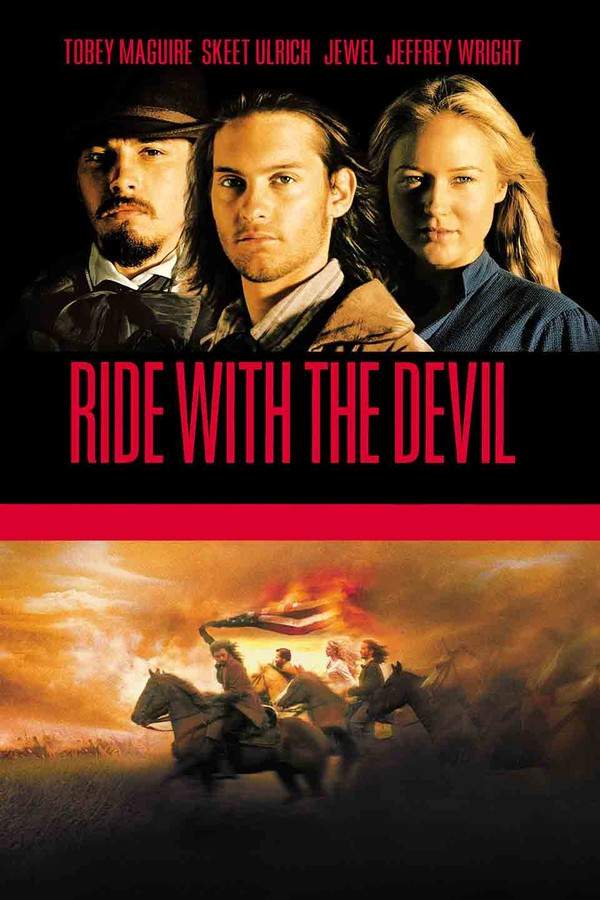
Ride with the Devil (1999) Film Overview & Timeline
Emancipation (2022) Detailed Story Recap
One Man's Hero (1999) Complete Plot Breakdown
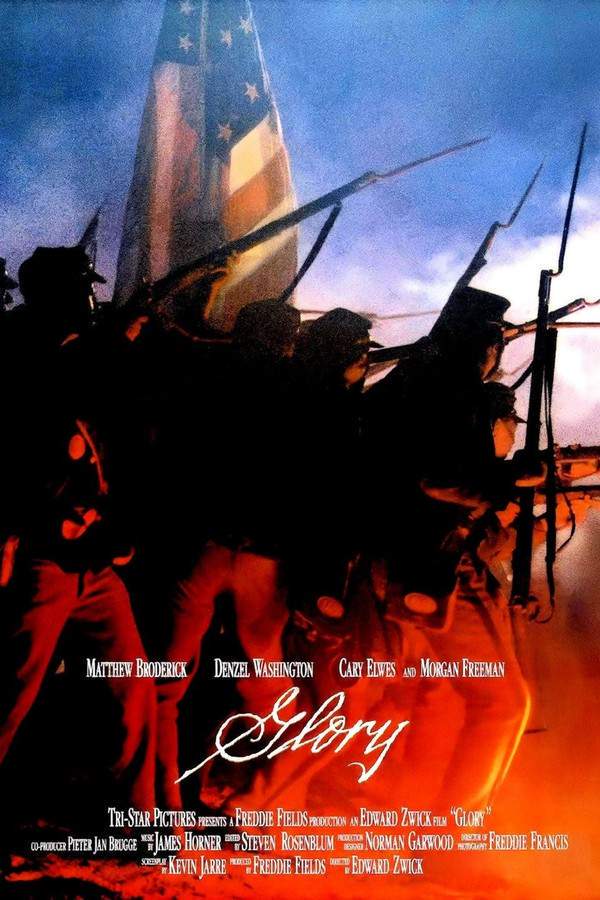
Glory (1990) Ending Explained & Film Insights
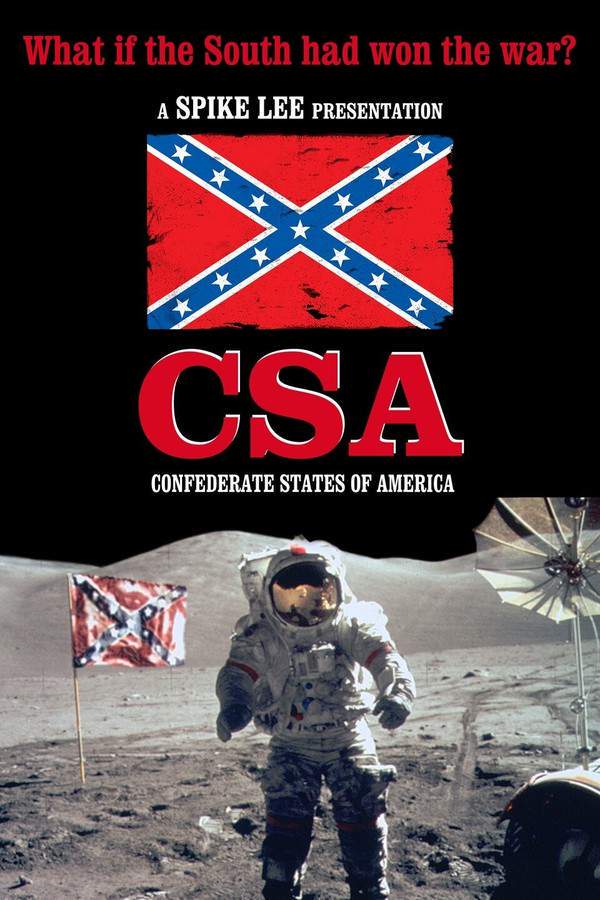
C.S.A.: The Confederate States of America (2006) Plot Summary & Ending Explained
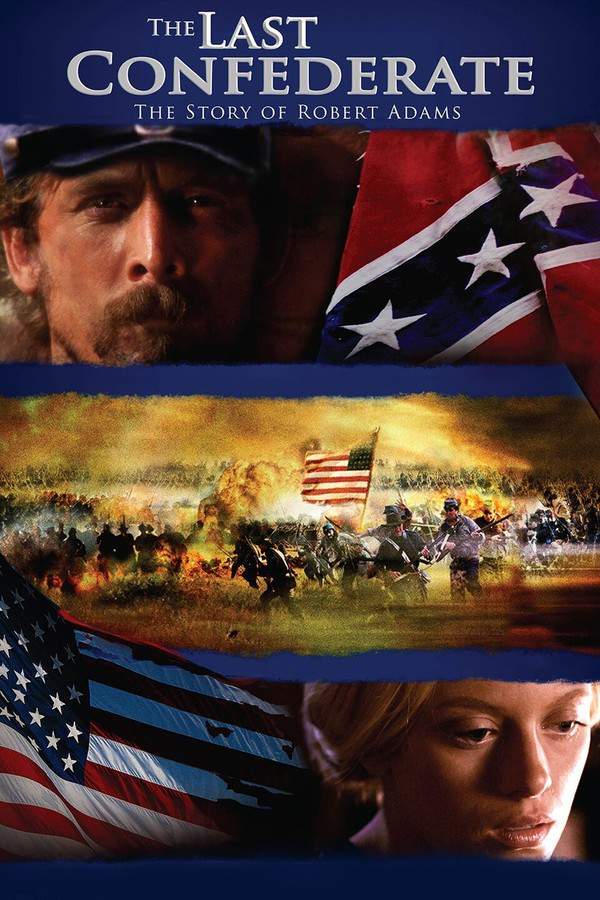
The Last Confederate: The Story of Robert Adams (2007) Spoiler-Packed Plot Recap
Running Free (2000) Complete Plot Breakdown
Field of Lost Shoes (2014) Full Movie Breakdown
Revolution (1985) Movie Recap & Themes
Freedom Song (2000) Movie Recap & Themes
The Birth of a Nation (1915) Plot Summary & Ending Explained
Jones Plantation (2023) Plot Summary & Ending Explained
Freedom Road (1979) Plot Summary & Ending Explained
The Liberation of L.B. Jones (1970) Movie Recap & Themes
Sangaree (1953) Film Overview & Timeline