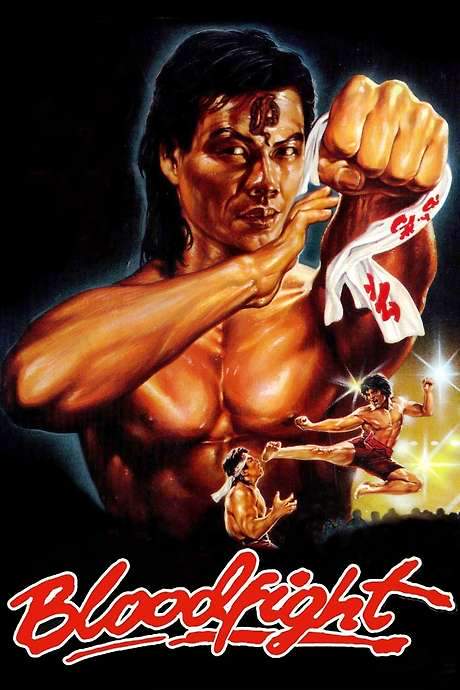
In 1930s Chicago, Chinese immigrant Jerry Kwan, Jackie Chan leads a laid-back life with his white girlfriend, Nancy, Kristine DeBell and his family who run a neighborhood restaurant. The quiet rhythm of their days is a fragile veneer, because the area’s mob pressure is always just around the corner, threatening to skim a share of their hard-earned profits and undermine the safety of their small community. Jerry’s easygoing demeanor masks a fierce capability, a talent for combat that shines when he’s provoked, and he earns the mob’s attention not only for his quick temper but for his unusual fighting style that looks almost effortless in its speed and precision.
That style comes from an unlikely source: his eccentric chiropractor uncle Herbert, MAKO, who has quietly taught Jerry to move with lightning-fast reflexes and surprising agility. When a confrontation erupts, Jerry answers back with a disciplined, almost dance-like flow that makes him a blur to onlookers and a threat to anyone who underestimates him. The mob—led by Dominici, José Ferrer—sees in Jerry a potential ace to topple their rival Morgan, a ruthless power broker whose reach extends beyond the neighborhood into the brutal underbelly of the city’s streets. The tension ratchets up quickly when Dominici’s gang kidnaps Jerry’s brother’s fiancée to coerce Jerry into stepping into a brutal arena where the rules don’t apply: Battle Creek Brawl, a no-rules, all-in street fighting tournament staged in Texas.
The promise is simple and stark: if Jerry wins the Brawl, the mob will return the kidnapped fiancée and share the prize money. If he refuses, she remains in their grip, and his family’s future—along with his own—hangs in the balance. A failed rescue attempt quickly makes clear that any hope of a clean, straightforward fight will rely on something more than brute strength. Uncle Herbert steps forward with a plan that leverages speed, cunning, and the element of surprise, reframing Jerry’s advantages into a weapon that can outpace much larger, stronger opponents.
So begins a perilous journey to Battle Creek, where the city’s clang of metal, the roar of crowds, and the raw tension of a no-holds-barred tournament create a pressure cooker of adrenaline. The path to victory unfolds through a massive battle royale elimination round, a grueling gauntlet that whittles the field down to the fighters who can endure the chaos and chaos that comes with it. From there, Jerry faces a succession of single combats, each challenge more punishing than the last, yet each one sharpening his instincts and refining his technique. He moves with the speed and precision learned from Herbert, using swift footwork and rapid timing to dodge heavier blows and to land his own sharp counters.
As the rounds mount, the stakes grow more personal and more brutal. Jerry’s training pays off as he maneuvers through the crowd, exploiting openings and exploiting the crowd’s energy, turning every clash into a display of speed over size. The climactic confrontation pits him against Billy Kiss, the rival champion backed by the mob, and the final duel tests every fiber of his resolve, his resilience, and his refined reflexes. The fight ends with Jerry’s hard-won victory, a culmination that not only secures the prize but also begins to dismantle the mob’s grip on the community.
With the tournament behind him, the mob returns the kidnapped fiancée to her fiancé’s family, signifying a fragile, hard-won justice and a turning point for those who have lived in fear. The story closes on a note of cautious optimism: Jerry, Jackie Chan and his allies have proven that skill, courage, and loyalty can tilt the scales, even in the face of organized crime. And in the end, the bonds that bind families and friends—the love of Nancy, the guidance of Herbert, and the shared resilience of the neighborhood—offer a sense of renewal and hope, suggesting that a more peaceful life might finally be within reach for this resilient Chicago community.