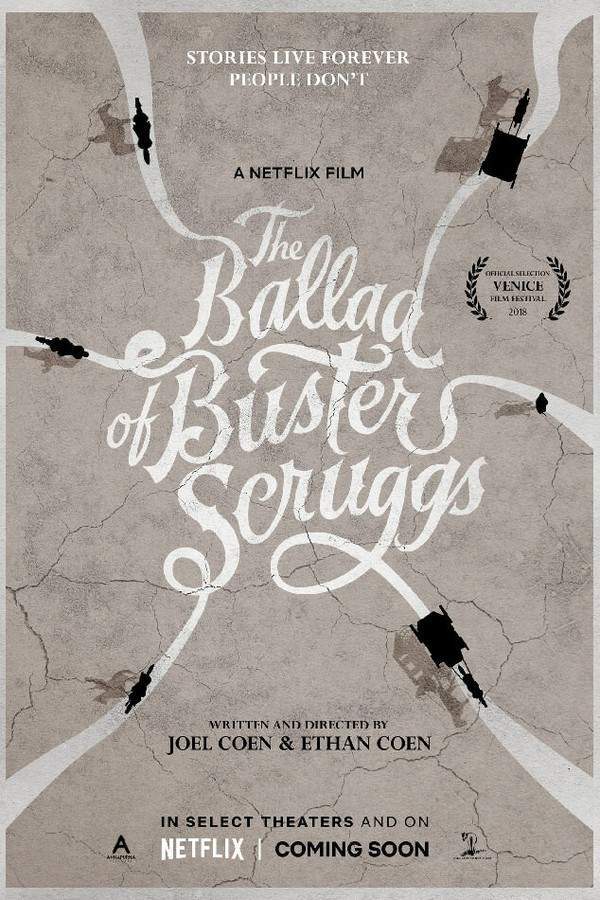
The Ballad of Buster Scruggs concludes not with a singular twist, but with a philosophical meditation that recontextualizes the five preceding chapters. The final segment, The Mortal Remains, serves as the thematic anchor for the entire anthology. In this story, a group of strangers shares a stagecoach ride, engaging in conversations about life, morality, and human nature. As they approach a hotel at Fort Morgan, it becomes increasingly clear that this is no ordinary journey. The two bounty hunters aboard refer to themselves as "reapers" who "harvest souls," heavily implying that the passengers—including a trapper, a lady, and a Frenchman—are already dead. The destination, therefore, is not a physical location but the afterlife. This surreal conclusion highlights the film's pervasive preoccupation with mortality, suggesting that death is the one great equalizer that renders all earthly arguments and distinctions moot.
When viewed as a complete work, the film uses these six distinct tales to deconstruct the mythology of the Old West and the concept of the American Dream. The earlier stories present a variety of grim realities: The Ballad of Buster Scruggs shows the fleeting nature of fame and skill, where the "top dog" is inevitably replaced; Near Algodones illustrates the futility of luck, as a bank robber escapes one hanging only to fall victim to another; and Meal Ticket offers a brutal critique of capitalism, where art is discarded the moment it ceases to be profitable. Even The Gal Who Got Rattled, perhaps the most emotionally resonant chapter, ends in a tragedy born of pragmatic misunderstanding, emphasizing how fragile life is in the face of unforgiving circumstances. The only outlier is All Gold Canyon, where a prospector survives and finds fortune, though even this triumph is tempered by the violence required to secure it.
Ultimately, the ending of The Mortal Remains suggests that regardless of whether one is a singing cowboy, a bank robber, a limbless actor, or a prospector, the destination is the same. The Coen brothers use the anthology format to present a multifaceted view of human nature—our greed, our humor, our cruelty, and our occasional kindness—but strip away the romanticism often found in Westerns. The final moments of the film, where the book of stories closes, serve as a definitive statement: these are tall tales and legends, but they all share a common truth. In the world of the Coens' West, violence is random, justice is often absent, and death arrives for everyone, regardless of their virtue or vice.