Year: 1970
Runtime: 121 mins
Language: English
Director: Sam Peckinpah
Cable Hogue lives by the golden rule, but after being double‑crossed and left without water in the desert, he discovers a spring perfectly placed on a stagecoach route. He builds a house, turns it into a rest stop and profits from the travelers, while Hildy, a prostitute from the nearby town, moves in with him. Their thriving venture endures until the automobile replaces the stagecoach, signaling the end of the era.
Find where to stream, rent, or buy The Ballad of Cable Hogue (1970) in the US with current JustWatch availability, up-to-date pricing, and platform listings for subscription, rental, and digital purchase options.
Warning: spoilers below!
Haven’t seen The Ballad of Cable Hogue yet? This summary contains major spoilers. Bookmark the page, watch the movie, and come back for the full breakdown. If you're ready, scroll on and relive the story!
Read the complete plot breakdown of The Ballad of Cable Hogue (1970), including all key story events, major twists, and the ending explained in detail. Discover what really happened, and what it all means.
Cable Hogue is isolated in the desert around 1905, waiting for his partners, Taggart and Bowen, who are scouting for water. The two hatch a ruthless scheme to seize the little water that remains to save themselves, and Cable, wary of conflict, is disarmed and abandoned to a fate that looks almost certain to end him.
The harsh desert tests him with sandstorms and searing heat, and in a moment of desperate faith, Cable bargains with God. Four days later, near death, he stumbles on a muddy pit, digs, and discovers a plentiful supply of water. He learns that this well is the sole lifeline between two towns along a stagecoach route, a discovery that inspires him to stay, stake a claim, and build a business around the spring. His first paying customer is the Rev. Joshua Duncan Sloane, a wandering minister with his own revelation. Joshua doubts Cable’s claim to the spring, prompting Cable to race into the town of Dead Dog to file at the land office.
Despite the mockery that greets his bold claim, Cable presses on, purchasing two acres around the spring and setting out to drum up business. He’s soon at the stage office, only to be rejected by a skeptical owner, and then pitches the venture to a bank president who is dubious at first but is won over by Cable’s grit, granting him a modest stake of $100.
Cable, who hasn’t bathed since his desert wanderings, decides to treat himself to a night with Hildy, a prostitute in the town saloon. They forge a lighthearted, evolving understanding, but before they can consummate anything, Cable remembers that boundary markers must be set and rushes out, much to Hildy’s chagrin. She chases him through a chaotic scene that unsettles the town.
Back at the spring, Cable and Joshua begin to dig in earnest, dubbing the place Cable Springs. The two visit the town and arrive drunk, sharing a sense of rebellion against convention. Cable reconciles with Hildy and spends the night with her, while Joshua pursues his own version of love, indulging in relationships with emotionally vulnerable women.
Joshua decides he must return to town, while Hildy—having been asked to leave by the changing townsfolk who can’t tolerate open prostitution—tells Cable she’ll leave for San Francisco in the morning, only to stay with him for three weeks in a tender montage that marks the end of an era. Joshua later wanders back to Cable Springs, getting into trouble with a married woman in Dead Dog, but leaves again as Hildy continues toward San Francisco. Cable continues to run Cable Springs alone.
Then Taggart and Bowen ride in again on the stagecoach. Cable lets them believe he bears no ill will, hinting at a hidden stash of cash they might return for. When they do, Cable outwits them by dumping rattlesnakes into the pit they’ve dug. Bowen grovels, while Taggart is ready to draw his gun, only to be shot dead by Hogue.
A motorcar suddenly roars past Cable Springs, indifferent to the relic of frontier life. “Went right on by,” Cable mutters in disbelief. “Well, that’s gonna be the next fella’s worry.” Cable shows mercy to Bowen, even giving him Cable Springs as he sets off to San Francisco in search of Hildy. A stagecoach arrives, and a black motorcycle with a sidecar pulls up, carrying Joshua, who delivers a funeral oration for Cable as he dies. The scene shifts to a mournful funeral, with the cast paying tribute to the man and the era he represents. The stagecoach and the motorcar drift away in opposite directions, while a coyote with a collar wanders into Cable Springs, a quiet symbol of a wilderness that’s been tamed, at least for now.
Last updated: October 07, 2025 at 08:46
Explore frequently asked questions about The Ballad of Cable Hogue (1970) with spoiler-rich answers covering the full plot summary, major story beats, character motivations, hidden details, and ending meaning. This movie summary FAQ helps explain confusing scenes, plot twists, and narrative decisions in clear, searchable detail.
Taggart and Bowen abandoned Cable because they were desperate to survive. With their water supply running critically low, they plotted to seize what little water remained for themselves. When Cable refused to go along with their scheme, they disarmed him and left him in the desert, reasoning that one man sacrificed was better than all three dying.
Early in the film, Cable is shown as wary of conflict and trusting of his partners, making his abandonment even more of a betrayal.
After four days of near-death experiences including sandstorms and dehydration, Cable bargained with God for his life and stumbled upon a muddy pit. When he dug into it, he discovered a plentiful underground spring that would become his salvation and the foundation of his future business.
Cable's desperate prayer while dying establishes the theme of divine intervention that leads to his discovery.
Cable realized the spring was the only reliable water source between two towns along a stagecoach route. This strategic location meant constant demand from travelers, making it a perfect spot to build a profitable rest stop and charging station.
The spring's placement along the stagecoach route was established when Rev. Joshua Sloane arrived as Cable's first customer.
After being mocked at the stage office and purchasing two acres around the spring, Cable pitched his business plan to a local bank president. Though initially dubious, the banker was won over by Cable's determination and gave him $100 in seed money to get started.
Cable's persistence in filing his land claim in Dead Dog despite mockery set the stage for his later financial success.
Hildy had been asked to leave Dead Dog because the town's changing values could no longer tolerate open prostitution. She told Cable she would leave for San Francisco the next morning but ended up staying for three weeks in a tender relationship that represented a brief period of happiness for both of them.
Earlier scenes showed the growing connection between Cable and Hildy during their nights together in town.
When Taggart and Bowen returned to steal his money, Cable outwitted them by dumping rattlesnakes into the pit they were digging. When Taggart reached for his gun, Cable shot him dead. Bowen, however, groveled and showed genuine remorse, so Cable spared him and even gave him Cable Springs as a gift.
Cable's hint about a hidden stash of cash was a setup to draw them into a confrontation on his terms.
Hildy returns to Cable Springs in a motorcar, now wealthy after marrying a rich man who died. As they prepare to leave together, Cable accidentally trips the brake while loading the car and is crushed beneath it. Joshua Duncan Sloane arrives on a black motorcycle to deliver a funeral oration for his friend.
Earlier, a motorcar had driven past Cable Springs, with Cable noting that the automobile would replace the stagecoach, foreshadowing both his business decline and his ironic death.
The film uses a narrative device where Joshua arrives on a black motorcycle to deliver a funeral oration for Cable as he dies, blending the moment of death with the mourning that follows. This creates a poetic closing to Cable's story, with Joshua's presence at both his rise and fall representing the circle of their friendship.
Joshua's character has been established as a wandering minister with his own dramatic flair throughout the film.
The motorcar symbolizes the arrival of modernity and the end of the Old West era that Cable represents. When the first motorcar drives past Cable Springs, travelers laugh at the archaic scene, showing how the frontier way of life is becoming obsolete. Cable's final death beneath a motorcar underscores this theme of progress making the old ways irrelevant.
The first motorcar appearance triggers Cable's realization that the automobile will replace the stagecoach.
The coyote that wanders into Cable Springs at the end represents the untamed wilderness that once defined the frontier. As the era of stagecoaches and frontier outposts gives way to automobiles and modernization, the coyote remains, a last symbol of the wild, uncivilized world that Cable both embodied and survived.
The desert and frontier setting have been central to Cable's journey throughout the film.
Discover curated groups of movies connected by mood, themes, and story style. Browse collections built around emotion, atmosphere, and narrative focus to easily find films that match what you feel like watching right now.
Personal triumphs haunted by the melancholic arrival of sweeping change.If you liked the bittersweet feeling of The Ballad of Cable Hogue, you'll appreciate these films. They are stories where personal victories are shadowed by the larger, unstoppable march of progress, often set in worlds on the verge of disappearing.
Narratives in this thread typically follow a character who finds purpose and prosperity within a niche or dying way of life. Their personal arc is one of success, but the overarching story is about the encroachment of modernity, leading to a final, symbolic confrontation with change that results in a bittersweet or melancholic conclusion.
These films are grouped by their shared emotional core: the poignant mix of individual triumph and collective loss. They share a steady, reflective pace that allows the audience to soak in the atmosphere of a fading world, and a tone that balances wit and warmth with a deep-seated fatalism.
Outcast survivors building a new life against all odds on the frontier.Find movies similar to The Ballad of Cable Hogue that feature stubborn, independent protagonists. If you liked Cable Hogue's story of being left for dead and triumphantly building a life from the desert, you'll enjoy these tales of survival and defiant self-reliance.
The narrative pattern involves a loner facing a dire situation, often betrayal or abandonment in a wilderness setting. Through sheer determination, they discover a unique opportunity or resource. The plot follows their methodical efforts to build a new life and business, facing external threats but ultimately defined by their internal resilience and connection to their isolated domain.
These movies share a focus on a specific character archetype: the gritty, pragmatic loner. They combine themes of survival, revenge, and rags-to-riches within a frontier setting. The tone often mixes dark humor with the solemnity of isolation, creating a picaresque feel around a single, compelling journey.
Don't stop at just watching - explore The Ballad of Cable Hogue in full detail. From the complete plot summary and scene-by-scene timeline to character breakdowns, thematic analysis, and a deep dive into the ending - every page helps you truly understand what The Ballad of Cable Hogue is all about. Plus, discover what's next after the movie.
Track the full timeline of The Ballad of Cable Hogue with every major event arranged chronologically. Perfect for decoding non-linear storytelling, flashbacks, or parallel narratives with a clear scene-by-scene breakdown.
Discover the characters, locations, and core themes that shape The Ballad of Cable Hogue. Get insights into symbolic elements, setting significance, and deeper narrative meaning - ideal for thematic analysis and movie breakdowns.
Discover movies like The Ballad of Cable Hogue that share similar genres, themes, and storytelling elements. Whether you’re drawn to the atmosphere, character arcs, or plot structure, these curated recommendations will help you explore more films you’ll love.
The Ballad of Cable Hogue (1970) Scene-by-Scene Movie Timeline
The Ballad of Cable Hogue (1970) Movie Characters, Themes & Settings
The Ballad of Cable Hogue (1970) Spoiler-Free Summary & Key Flow
Movies Like The Ballad of Cable Hogue – Similar Titles You’ll Enjoy
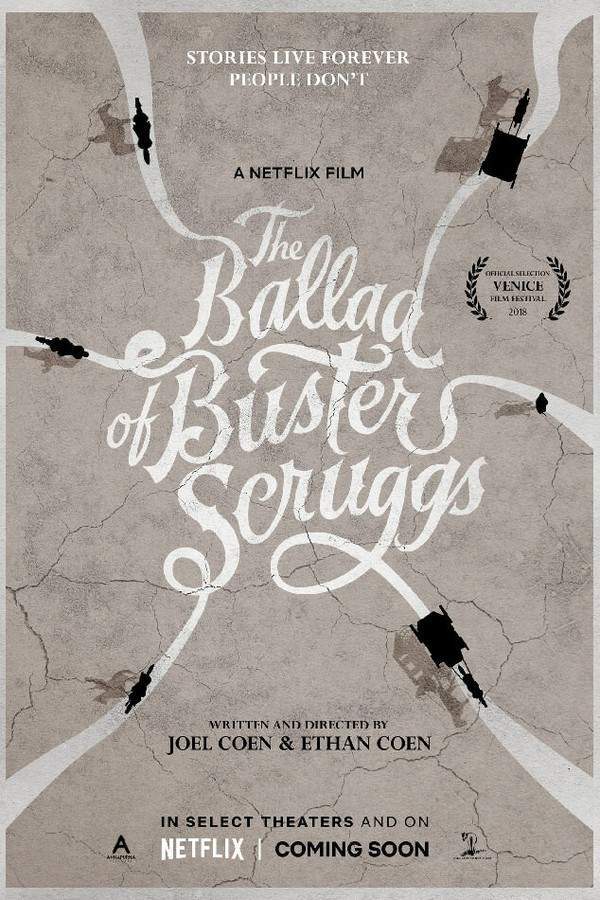
The Ballad of Buster Scruggs (2018) Plot Summary & Ending Explained
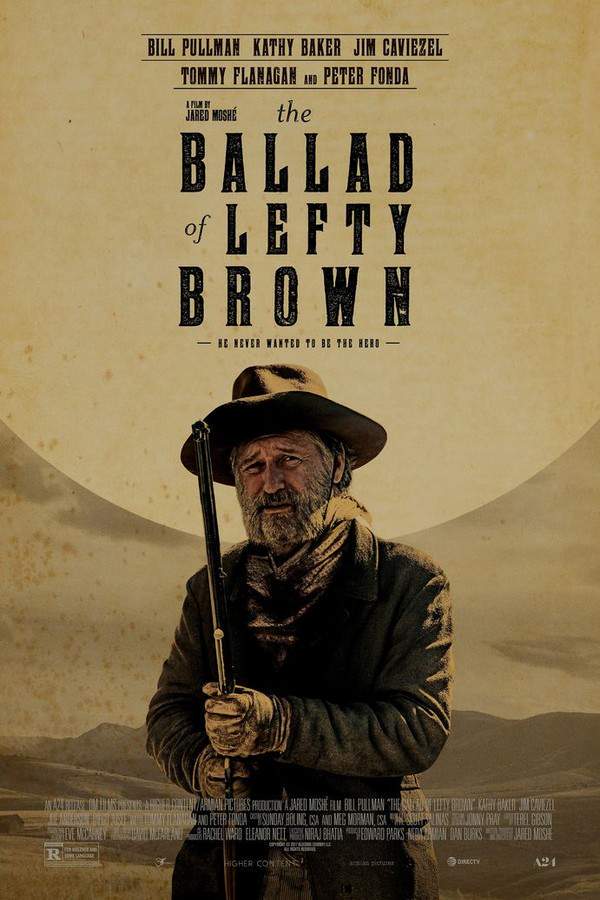
The Ballad of Lefty Brown (2017) Ending Explained & Film Insights
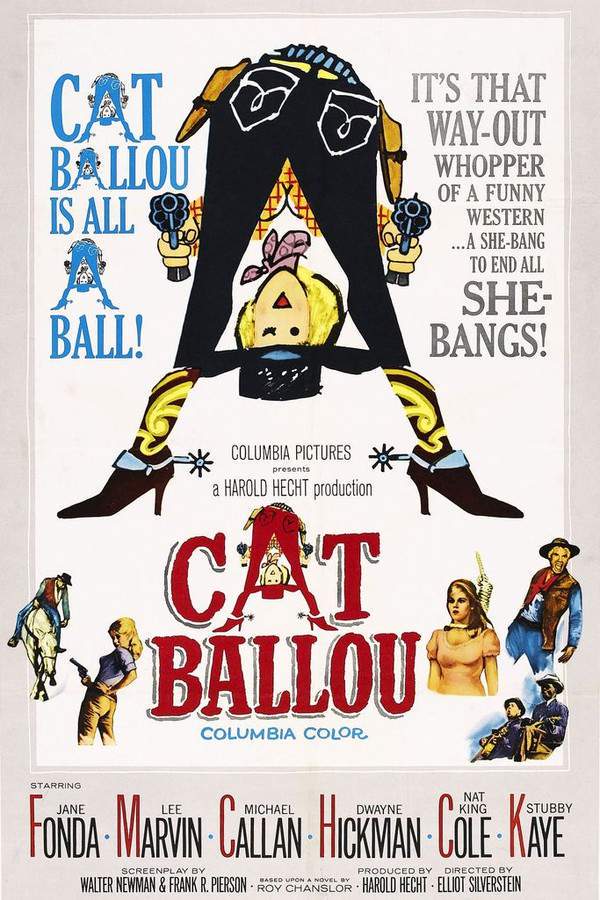
Cat Ballou (1965) Film Overview & Timeline
The Ball Player and the Bandit (1912) Story Summary & Characters
Hangman’s Knot (1952) Ending Explained & Film Insights
The Ballad of a Gunfighter (1964) Full Movie Breakdown
The Ballad of Josie (1968) Detailed Story Recap
The Ox-Bow Incident (1943) Plot Summary & Ending Explained
Way Out West (1930) Full Movie Breakdown
Bandolero! (1968) Ending Explained & Film Insights
Wild Rovers (1971) Story Summary & Characters
Bad Company (1972) Film Overview & Timeline
Ballad of a Gunman (1967) Movie Recap & Themes
Blood on the Moon (1948) Detailed Story Recap
Waterhole #3 (1967) Movie Recap & Themes