















Plot Explained Spoilers guaranteed!
Plot Explained

Browse by genre

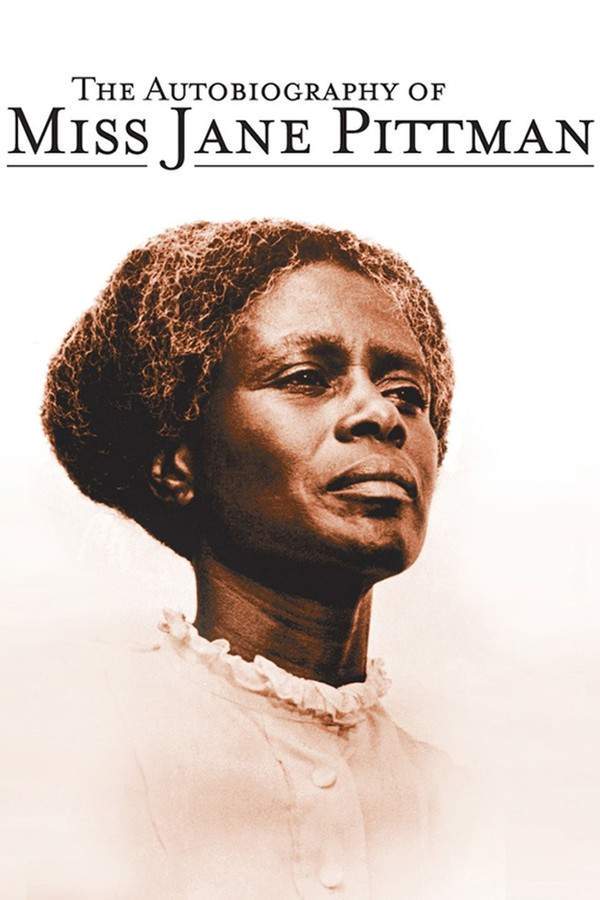
The Autobiography of Miss Jane Pittman (1974) movie poster

Timeline

The Autobiography of Miss Jane Pittman (1974) Timeline Explained – Every Event in Order

Release, runtime and language
1974 · 110 min · English
JustWatch #21,868 1
Directed by
John Korty
Starring
Richard Dysart, Katherine Helmond, Cicely Tyson, Will Hare, Eric Brown, Joel Fluellen

Through the eyes of 110-year-old Jane Pittman, this powerful story traces a life spanning over a century, from the era of slavery to the Civil Rights Movement. Witnessing firsthand the injustices of the 1960s and the hope for a brighter future, Jane's experiences reveal a profound journey of survival, courage, and unwavering hope in the face of unimaginable hardship and systemic oppression. Her recollections offer a poignant reflection on American history and the enduring strength of the human spirit.

On this page (7)
  1. 1 Where to watch
  2. 2 Events in order (15)
  3. 3 Timeline questions answered
  4. 4 The book behind the movie
  5. 5 Movie threads
  6. 6 Movies like The Autobiography of Miss Jane Pittman
  7. 7 Every angle

Where to watch

Where to Watch The Autobiography of Miss Jane Pittman (1974)

Where can you watch The Autobiography of Miss Jane Pittman? Stream, rent or buy it in the US, including on Amazon Prime Video, fuboTV and Darkroom: current JustWatch availability with up-to-date prices.

Streaming availability powered by JustWatch

15 events in order · contains spoilers

The Autobiography of Miss Jane Pittman Timeline: Events in Chronological Order

Every key event of The Autobiography of Miss Jane Pittman (1974) in order, scene by scene, with when and where it takes place. Use it to untangle flashbacks, time jumps and parallel storylines, to refresh your memory before the sequel or to find the exact scene you are thinking of.

  1. Miss Jane's Birthday Celebration

    In February 1962, a small group of friends gathers to celebrate Miss Jane Pittman's 110th birthday. Surrounded by loved ones, Jane blows out the candles on her cake and reflects on her long life, sharing a moment of hope with Lena about the future.

  2. The Call to Protest

    Miss Jane is approached by Jimmy and a group of young men who are organizing a protest. They plan for a young girl to drink from a 'White only' fountain, seeking Jane's presence for inspiration despite her reluctance to participate until she receives divine confirmation.

  3. The Journalist Arrives

    Quentin Lerner, a White journalist, visits Miss Jane to offer to write her life story for a magazine. He learns about her past as a slave and the profound significance of her experiences, which will eventually unravel through her memories.

  4. Flashback to the Civil War Era

    The story flashes back to the Civil War when young Ticey is ordered to fetch water for Confederate soldiers. After a tense standoff, Union soldiers arrive and Ticey is given the name Jane, marking the beginning of her journey towards freedom.

  5. Freedom and Departure

    After the emancipation proclamation is read, Jane decides to leave the plantation for Ohio. Guided by an elder's directions, she sets off for freedom, determined to make her own path despite the dangers ahead.

  6. The Journey to Ohio

    Jane and a young boy named Ned walk through the swamps to avoid capture. After sheltering in an abandoned barn, they experience a harrowing attack by patrolers, leaving Jane to take only two stones with her as symbols of resilience.

  7. Life at Colonel Dye's Plantation

    After struggling to cross a river, Jane works for twelve years at Colonel Dye's plantation where she witnesses both progress and setbacks during the Reconstruction era. The KKK terrorizes the community, and Jane must protect her loved ones amidst growing tensions.

  8. Ned's Activism

    As a young man, Ned becomes a leader in the Black community, forming the 'Negro Rights Committee.' Jane fears for his safety as he stands up for education and equality, ultimately convincing him to leave to protect his future.

  9. Jane Meets Joe Pittman

    In the 1870s, Jane finds love with Joe Pittman, a horse breaker. Their life together faces challenges, especially when a menacing horse leads to tragedy, resulting in Joe’s death, which profoundly impacts Jane’s spirit.

  10. Reunion with Ned

    Years later, Jane reunites with Ned, now a soldier who has returned from Cuba after fighting in the Spanish-American War. Their bond grows as he resumes teaching, defying the ongoing threats from those who oppose Black education.

  11. The Threat to Ned

    Ned faces imminent danger from a man named Cluveau, who has been ordered to kill him for his activism. Despite Jane's pleas for him to leave, Ned refuses to back down, believing in the importance of his cause.

  12. Tragic Death of Ned

    The inevitability of violence manifests as Ned is ambushed and shot by Cluveau. His sacrifice is a devastating blow to Jane, who must confront the realities of racial violence and injustice in their community.

  13. Civil Rights Movement and New Hope

    As the Civil Rights Movement gains momentum, young Jimmy inspires the local community to take action. He passionately urges his peers to join the fight for equality, highlighting the changing tides of the struggle for civil rights.

  14. Miss Jane Stands Up

    After receiving the news of Jimmy’s murder, Miss Jane decides to take action. Ignoring warnings and barriers, she boldly walks to the 'White Only' fountain, reclaiming her dignity and asserting her right to equality in a powerful act of resistance.

  15. Miss Jane's Legacy

    After another journey of hardship, Miss Jane reflects on her life and the significant loss she has endured. Her strength culminates in a poignant moment as she faces the future, embodying resilience as she walks toward the sun, representing hope and the enduring fight for freedom.

Last updated: January 18, 2025 at 14:36

Was this helpful?

Timeline questions answered

The Autobiography of Miss Jane Pittman Timeline Explained: Your Questions Answered

When does it happen, and why in that order? The questions people ask about the chronology of The Autobiography of Miss Jane Pittman (1974): time jumps, flashbacks, cause and effect between scenes and the correct order of events, each answered with spoilers.

Q1

Why did the Union soldier give Ticey the name Jane?

Corporal Lewis Brown gave the slave girl the name Jane after the Civil War ended, insisting it offered her dignity beyond the shackles of slavery. This moment marks her transition from property to a person with a name of her own, symbolizing the beginning of her journey toward freedom and selfhood.

Foreshadowing: Earlier, Jane is seen fetching water for Confederate soldiers, establishing her as someone without agency or identity.

  • Ticey
  • Jane name
  • Corporal Lewis Brown
  • freedom
  • dignity
Q2

How did Joe Pittman die?

Joe Pittman, Jane's husband and a horse breaker, was killed in a tragic accident involving an untamed horse. This devastating loss left an indelible mark on Jane that she carried with her for the rest of her life, representing another instance of violence stealing someone she loved.

Foreshadowing: Earlier scenes establish Joe's skill with horses, making the accident feel both sudden and tragically ironic.

  • Joe Pittman
  • horse accident
  • death
  • husband
Q3

Why did Jane keep the two stones from the barn?

After Jane and Ned shelter in an abandoned barn during their journey to Ohio, patrolers attack the community. In the chaos, Jane grabs two stones that were used to ignite their last warmth, symbolizing resilience and remembrance. These stones become lasting symbols of survival and the hardships she endured.

Foreshadowing: The attack occurs suddenly in the darkness, showing the ever-present danger of the journey north.

  • stones
  • barn attack
  • patrolers
  • resilience
  • journey to Ohio
Q4

What happened to Ned and why was he killed?

Ned, who grew up with Jane and became a leader in the Black community forming the 'Negro Rights Committee,' was ambushed and shot by a man named Cluveau. Ned was targeted for his activism defending Black education and equality. Despite Jane's pleas for him to leave to protect himself, Ned refused to back down from his cause.

Foreshadowing: Jane convinces Ned to leave earlier due to threats, but he returns and continues his teaching despite the danger.

  • Ned
  • Cluveau
  • killed
  • activism
  • Negro Rights Committee
Q5

Why did Miss Jane initially refuse to join the protest?

When Jimmy and the young men asked Jane to accompany them to the courthouse where a young girl would drink from the White folks' fountain, she refused, stating she would wait for a divine sign from God. This reflects her deep faith and cautious approach to direct action, though she eventually finds her own moment of spiritual conviction.

Foreshadowing: Jane's lifelong patience and reliance on faith are established throughout her earlier struggles.

  • divine sign
  • protest
  • faith
  • Jimmy
  • fountain
Q6

What motivated Miss Jane to finally drink from the fountain?

After receiving news of Jimmy's murder, Miss Jane decides to take action despite all warnings. Ignoring barriers and the risk of arrest or worse, she walks to the 'White Only' fountain and drinks from it in a bold act of defiance. Her decision represents the culmination of a century of resistance, transforming personal grief into a powerful public statement against segregation.

Foreshadowing: Jane's earlier refusal to join the protest contrasts sharply with her ultimate act, showing her personal transformation.

  • Jimmy's murder
  • fountain
  • defiance
  • Civil Rights
  • final act
Q7

How does the film connect Jane's past to the Civil Rights Movement?

The film uses a flashback structure to show that the struggles Jane faced during slavery, Reconstruction, and the Jim Crow era directly inform the Civil Rights Movement of the 1960s. Her life story becomes a living link between generations, showing that the fight for equality has persisted for over a century. Young activists like Jimmy draw inspiration from elders like Jane who survived the worst of racial violence.

Foreshadowing: The film opens in 1962 with the Civil Rights Movement already underway, with Jane's story providing historical context.

  • Civil Rights Movement
  • history
  • slavery
  • flashback
  • generations
Q8

What happened to Jimmy at the end of the film?

Jimmy was murdered. The film reveals that after organizing the protest at the courthouse, Jimmy became a target of racial violence. His death motivates Miss Jane to take her own stand at the fountain, transforming her grief into the symbolic act of defiance that defines the film's climax.

Foreshadowing: The earlier scenes show the danger of protest, with deputies arresting activists and the radio calling them 'Negro agitators.'

  • Jimmy
  • murder
  • protest
  • death
  • catalyst
Q9

Why does the film use flashbacks to tell Jane's story?

The film opens in 1962 on Jane's 110th birthday and uses flashbacks to trace her life from the Civil War era through key historical periods including Reconstruction, the KKK violence, and the early 20th century. This structure allows viewers to understand how over a century of racial injustice shaped Jane and why her presence in the 1960s Civil Rights Movement carries such weight. Her past directly informs the present-day struggle.

Foreshadowing: The film literally begins at the end of Jane's life, creating dramatic irony about how she arrived at this moment.

  • flashback structure
  • narrative
  • chronology
  • Civil War to 1960s
Q10

What does Miss Jane drinking from the fountain symbolize?

Jane's act of drinking from the 'White Only' fountain represents the culmination of a hundred-year struggle for dignity and equality. It symbolically reclaims the basic human rights denied to Black Americans throughout her lifetime. By performing this act in her final years, she transforms her personal suffering into a universal statement about the right to exist with dignity, making her a living monument to resistance.

Foreshadowing: The entire film builds toward this moment, with Jane refusing to join the earlier protest until she found her own reason to act.

  • fountain
  • symbolism
  • dignity
  • defiance
  • equality
  • final scene

Movie threads

More Movies Like The Autobiography of Miss Jane Pittman, by Mood & Story

Curated lists built around what makes The Autobiography of Miss Jane Pittman tick: the same mood, the same kind of story or the same emotional payoff. Each list explains why these movies belong together.

Epic biographical chronicles like The Autobiography of Miss Jane Pittman

Personal stories that unfold across decades of profound social change. Discover movies like The Autobiography of Miss Jane Pittman that trace a character's journey across decades of American history. These similar drama stories use a personal lens to explore major social changes, offering powerful reflections on endurance and legacy.

  • epic
  • historical
  • reflective
  • somber
  • inspiring
  • gritty
  • Tone: reflective, somber, hopeful
  • Pacing: steady, episodic
Why these movies?

The story pattern: The narrative pattern follows a protagonist's life from youth to old age, structured chronologically to highlight key historical events. The story connects personal milestones like love, loss, and growth with public events like wars, civil rights movements, or economic shifts, creating a tapestry of an individual's life within a nation's story.

Why they belong together: Movies are grouped here for their shared structure of a long-form biographical narrative set against a historical backdrop. They share a reflective mood, a steady pacing that accommodates the passage of time, and a thematic focus on how individuals are shaped by, and sometimes shape, the world around them.
Movies with bittersweet triumph like The Autobiography of Miss Jane Pittman

Stories where victory is meaningful because the cost was so high. If you liked the heavy but hopeful journey in The Autobiography of Miss Jane Pittman, explore these similar drama stories. They feature characters overcoming great adversity, leading to endings that are bittersweet yet affirming of the human spirit.

  • resilient
  • hopeful
  • somber
  • poignant
  • inspiring
  • gritty
  • Tone: hopeful, somber, bittersweet
  • Pacing: steady, character-driven
Why these movies?

The story pattern: The narrative follows a protagonist enduring relentless hardship, often stemming from societal injustice. The conflict is external and systemic, creating a high-intensity experience. The arc culminates not in a clean victory, but in a poignant, symbolic act of defiance or a moment of hard-won personal freedom that acknowledges the scars of the journey.

Why they belong together: This thread groups films that balance a heavy emotional weight with a fundamentally hopeful tone. They share a high-intensity viewing experience, a bittersweet ending feel, and a core theme of resilience. The pacing is often steady, allowing the weight of the struggle to build authentically.

If you liked this

Movies Like The Autobiography of Miss Jane Pittman

Similar movies to The Autobiography of Miss Jane Pittman: the same genre, themes or kind of story. Each one comes with its own plot summary, timeline and ending explained.

Browse all movie summaries

Every angle

The Autobiography of Miss Jane Pittman (1974) Explained: Plot, Timeline & Characters

Everything about The Autobiography of Miss Jane Pittman in one place: what happens in the plot summary, the timeline in chronological order, the characters and meaning and a spoiler-free summary. What's After the Movie adds the cast, box office and post-credit scenes.

Coming soon on iOS and Android

The Plot Explained Movie Summary App

Plot summaries, endings explained and timelines on your phone. Catch up on any movie in minutes, save your favorites and never miss a twist again.

Be the first to know when we launch. Your email stays private, always.

Learn more about the app