Year: 1977
Runtime: 215 mins
Language: English
Director: William A. Graham
The Amazing Howard Hughes is a 1977 television film that dramatizes the life of American aviation pioneer and filmmaker Howard Hughes. Adapted from the book by his longtime business partner Noah Dietrich, the biopic features performances by Tommy Lee Jones, Ed Flanders and Tovah Feldshuh.
Find where to stream, rent, or buy The Amazing Howard Hughes (1977) in the US with current JustWatch availability, up-to-date pricing, and platform listings for subscription, rental, and digital purchase options.
Warning: spoilers below!
Haven’t seen The Amazing Howard Hughes yet? This summary contains major spoilers. Bookmark the page, watch the movie, and come back for the full breakdown. If you're ready, scroll on and relive the story!
Read the complete plot breakdown of The Amazing Howard Hughes (1977), including all key story events, major twists, and the ending explained in detail. Discover what really happened, and what it all means.
Howard Hughes, Tommy Lee Jones, emerges on screen as a figure of dazzling talent and growing isolation. The film traces a life built on relentless pursuit—first a wealthy heir who could afford ambitious bets, then a Hollywood mover who reshaped the era’s cinema with a knack for pushing boundaries. He shows a genius for spotting potential and a willingness to bankroll projects that would become enduring milestones, from the thrill of the sky to the allure of the screen. The narrative follows his evolution from an energetic producer who could assemble big-scale productions to a man whose insistence on perfection borders on compulsion, colorfully illustrating how brilliance can coexist with fragility.
As a producer, Hughes helps launch some of the era’s most memorable films, weaving a path through early aviation-infused cinema and pushing the limits of what could be achieved on screen. The story highlights his hands-on approach to filmmaking, where every frame, every crew decision, and every budgetary choice reflects his uncompromising standards. The result is a portrait of a man who could see a shot or a flight in his head and demand it be realized, no matter the cost. Alongside the film world’s triumphs, the camera captures the silhouette of his aviation obsession, a second, equally consuming dream that would shape his company’s future and his own legend. He becomes a driving force at Hughes Aircraft Company, pursuing design innovations and ventures that turn him into a pioneer in the air as well as on the screen.
The personal dimension of his life is sketched through the famous women who appear in his orbit. Katharine Hepburn, Tovah Feldshuh, and Jane Russell, Marla Carlis, among others, are presented as vivid figures who intersect with Hughes’s public ambitions and private obsessions. The film also anchors these relationships with the era’s broader cultural touchstones, including the notable connection to Jean Harlow, Susan Buckner, offering a glimpse into how romance and fame braided together in Hughes’s world. The result is a layered tapestry that shows how his personal life could be as dramatic and carefully choreographed as his films and flights.
A turning point arrives in the mid-1940s with the XF-11 test flight. The sequence is depicted with gravity and precision: a high-stakes experiment that ends in a catastrophic crash, leaving Hughes with a concussion and consequential brain damage. The accident sets in motion a slow and difficult transformation, as his health and mental state change in ways that ripple through every subsequent decision. The portrayal maintains a steady, neutral tone, detailing how the injury compounds an already intricate personality—shaping a life that grows increasingly reclusive as years pass.
The film’s mood shifts as Hughes retreats from the public eye, spending long days in isolation while continuing to chase ambitious projects. The narrative does not sensationalize his decline; instead, it presents a careful, humanized arc that shows how a man who once moved mountains of film stock and metal can become haunted by memory, fear, and the need to maintain control. Even in withdrawal, the instinct to push forward persists, whether in refining a private air program, chasing a new invention, or revisiting old ideas with tenacious stubbornness. The result is a portrait that remains faithful to the complexities of a man who navigated immense success and deep personal struggle in parallel.
In the end, the story returns to the image of a private traveler, someone who could command the most daring aircraft and the most ambitious film projects, yet could not fully escape the consequences of his own eccentric, meticulous nature. Hughes dies while aboard a private flight to Houston, closing a life that the film has chronicled with nuance, empathy, and a steady eye for detail. What lingers is not only a legend of wealth and invention but a portrait of a man whose relentless pursuit, flaws, and triumphs left an indelible mark on both Hollywood and aviation.
Last updated: February 18, 2026 at 23:46
Explore frequently asked questions about The Amazing Howard Hughes (1977) with spoiler-rich answers covering the full plot summary, major story beats, character motivations, hidden details, and ending meaning. This movie summary FAQ helps explain confusing scenes, plot twists, and narrative decisions in clear, searchable detail.
The XF-11 test flight crash in 1946 gave Hughes a concussion and brain damage that changed his cognitive function. Combined with his existing hypochondria and obsession with control, the injury accelerated his withdrawal from public life. He spent his final years increasingly isolated, avoiding the film studios and public appearances that had once defined his persona.
Earlier scenes establish his meticulous, controlling nature, which intensified after the injury.
The XF-11, a top-secret experimental aircraft Hughes was testing, crashed catastrophically in 1946 near Los Angeles. Hughes suffered a concussion and permanent brain damage from the accident. This event became the turning point that triggered his physical and mental decline, leading to the reclusive lifestyle that defined his later years.
The timeline shows his secret test flights were already high-risk ventures.
Hughes faced intense censorship battles with the Production Code Administration over The Outlaw, which depicted the story of Billy the Kid. The film's release was delayed for years (1943-1946) due to disputes over content and public controversy surrounding its stars. Hughes financed the project himself and refused to compromise his vision, exemplifying his willingness to challenge Hollywood studios and regulatory bodies.
Earlier films like Scarface showed Hughes's appetite for controversial, boundary-pushing content.
The H-4 Hercules, commonly called the Spruce Goose, was a massive wooden flying boat with a 320-foot wingspan that Hughes built through his Hughes Aircraft Company. Designed during World War II to transport troops, the project exemplified Hughes's grand engineering ambitions. Though famously controversial and criticized as a publicity stunt, the aircraft successfully flew once in 1947, validating Hughes's engineering vision.
The timeline shows his aviation obsession was already consuming significant resources throughout the 1940s.
Hughes grew up wealthy and sheltered, developing an early fixation on precision and control that shaped his entire career. His perfectionism manifested in filmmaking, where he demanded absolute authority over every frame, and in aviation, where he pushed aircraft design beyond conventional limits. This drive produced remarkable achievements but also bordered on compulsion, ultimately contributing to his personal isolation.
The opening establishes his restless, detail-oriented nature from childhood.
Hughes died in 1976 while aboard a private flight traveling to Houston. His death marked the end of a life that had seen him transform from a Hollywood powerhouse and aviation pioneer into a reclusive figure haunted by failing health. The circumstances of his death, dying aloft, as he had spent so much of his life, underscored his lifelong connection to private air travel.
His retreat into private aircraft throughout his later years foreshadows this ending.
Hughes had a notable romantic relationship with Jean Harlow, one of Hollywood's biggest stars of the 1930s. The relationship reflected Hughes's ability to attract leading actresses and became part of the media fascination surrounding his larger-than-life persona. Harlow's presence in his life illustrated how his personal and professional worlds intertwined with the era's biggest celebrities.
The film establishes his pattern of pursuing ambitious, high-profile projects and women.
Hell's Angels (1930) and Scarface (1932) established Hughes as a daring Hollywood producer willing to spend enormous sums for spectacle and technical innovation. Hell's Angels required massive aerial stunt work, while Scarface pushed boundaries with its violent content. These projects demonstrated his willingness to clash with studios and regulatory bodies while pushing cinematic limits, building his reputation as a relentless, money-driven force in Hollywood.
The timeline shows his transition from wealthy heir to serious film producer.
Yes, both Katharine Hepburn and Jane Russell were part of Hughes's circle of famous women. Hepburn represented his enduring appeal to leading Hollywood stars, while Russell became closely associated with him and his productions. These relationships, along with others like Ginger Rogers, contributed to the public mythos surrounding Hughes as a powerful, enigmatic figure who attracted the era's most prominent actresses.
The narrative establishes early that his personal life was as dramatic as his professional ventures.
Discover curated groups of movies connected by mood, themes, and story style. Browse collections built around emotion, atmosphere, and narrative focus to easily find films that match what you feel like watching right now.
Stories exploring the sharp decline of a great but troubled genius.For viewers who liked the dramatic arc of The Amazing Howard Hughes, this section features movies about the tragic downfall of brilliant minds. These films explore the psychological toll of genius, obsession, and fame, often ending with a somber reflection on a life marked by both incredible achievement and deep personal loss.
The narrative follows a predictable but powerful arc: a period of ambitious rise and monumental success, followed by a gradual or sudden decline fueled by internal demons, obsession, or external pressures. The story structure is often linear, methodically tracing the path from ambition to isolation, emphasizing the tragic cost of brilliance.
These films are grouped together because they share a core narrative of tragic genius, a melancholic tone, and a focus on the psychological cost of obsession. They provide a similarly reflective and somber viewing experience centered on the fall of a great figure.
Quiet films about the profound loneliness that can accompany wealth and genius.If you were captivated by the portrayal of Howard Hughes's reclusive isolation, discover more movies that delve into the lives of solitary figures. These films share a melancholic tone and explore themes of wealth and loneliness, genius and mental health, capturing the quiet tragedy of being utterly alone despite great success.
The narrative is less about a traditional plot and more about a state of being. It follows a character's gradual retreat from society into a self-imposed or psychologically enforced isolation. The conflict is often internal, pitting the character's mind against itself, leading to a poignant, sometimes bleak, conclusion about the human condition.
These movies are connected by their dominant melancholic mood, their thematic focus on isolation and reclusiveness, and their steady, contemplative pacing. They offer a similar vibe of quiet sadness and psychological depth.
Don't stop at just watching - explore The Amazing Howard Hughes in full detail. From the complete plot summary and scene-by-scene timeline to character breakdowns, thematic analysis, and a deep dive into the ending - every page helps you truly understand what The Amazing Howard Hughes is all about. Plus, discover what's next after the movie.
Track the full timeline of The Amazing Howard Hughes with every major event arranged chronologically. Perfect for decoding non-linear storytelling, flashbacks, or parallel narratives with a clear scene-by-scene breakdown.
Discover the characters, locations, and core themes that shape The Amazing Howard Hughes. Get insights into symbolic elements, setting significance, and deeper narrative meaning - ideal for thematic analysis and movie breakdowns.
Discover movies like The Amazing Howard Hughes that share similar genres, themes, and storytelling elements. Whether you’re drawn to the atmosphere, character arcs, or plot structure, these curated recommendations will help you explore more films you’ll love.
The Amazing Howard Hughes (1977) Scene-by-Scene Movie Timeline
The Amazing Howard Hughes (1977) Movie Characters, Themes & Settings
The Amazing Howard Hughes (1977) Spoiler-Free Summary & Key Flow
Movies Like The Amazing Howard Hughes – Similar Titles You’ll Enjoy
Uncle Howard (2016) Spoiler-Packed Plot Recap
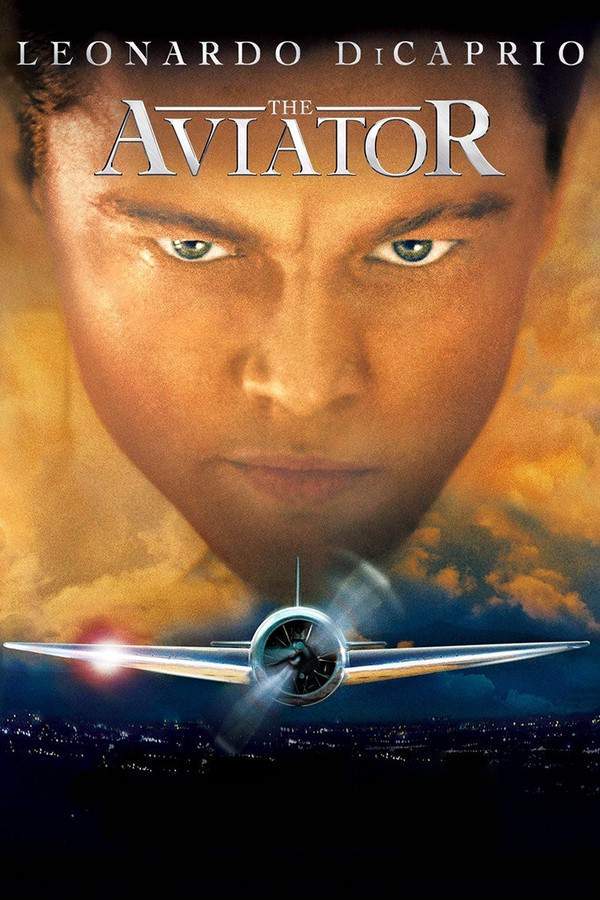
The Aviator (2004) Ending Explained & Film Insights
The Hoax (2007) Full Movie Breakdown
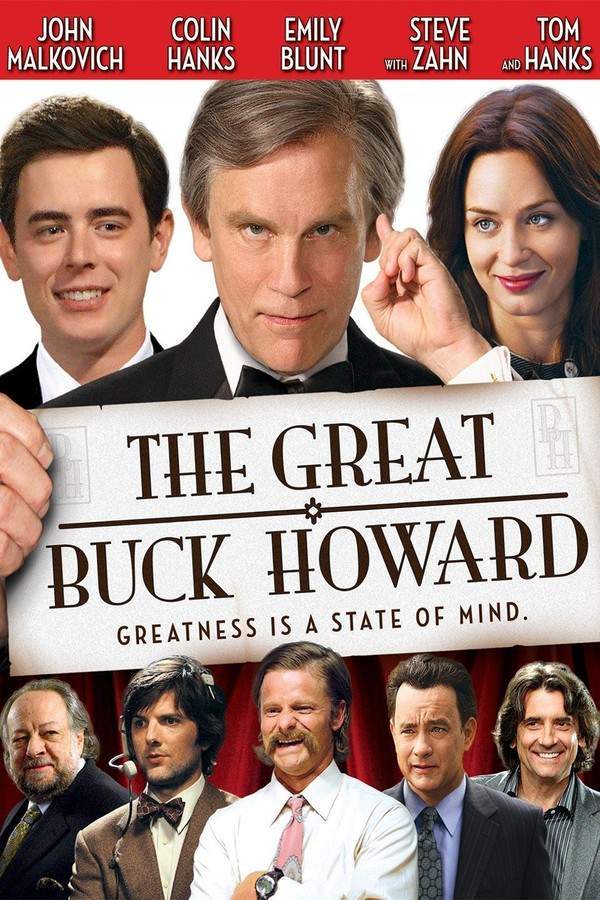
The Great Buck Howard (2009) Plot Summary & Ending Explained
The Untameable Kirk Douglas (2017) Full Movie Breakdown
Stewart & Mitchum: The Two Faces of America (2017) Ending Explained & Film Insights
Howard (2018) Ending Explained & Film Insights
Commemoration: Howard Hawks’ ‘Rio Bravo’ (2007) Spoiler-Packed Plot Recap
Howard Hawks: A Hell of a Good Life (1978) Full Movie Breakdown
Harlow (1965) Ending Explained & Film Insights
Howard Hawks: American Artist (1997) Full Summary & Key Details
The Tarnished Angels (1957) Full Movie Breakdown
The Howards of Virginia (1940) Spoiler-Packed Plot Recap
Howard in Particular (1979) Full Movie Breakdown
Amelia Earhart (1976) Ending Explained & Film Insights