Plot Explained Spoilers guaranteed!
Plot Explained

Browse by genre

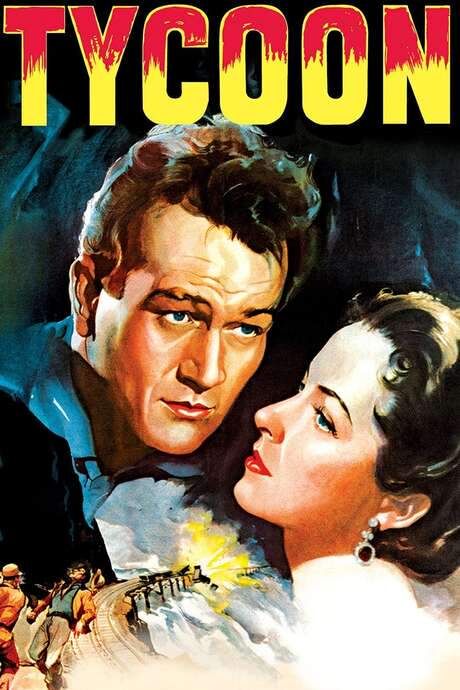
The Last Tycoon (1976) movie poster

Plot Summary

The Last Tycoon (1976) Plot Summary Explained

Release, runtime and language
1976 · 123 min · Chinese
Directed by
Elia Kazan
Starring
Robert De Niro, Jeanne Moreau, Jack Nicholson, Robert Mitchum, Donald Pleasence, Dana Andrews

Set in 1930s Shanghai, this film follows Cheng Daqi’s rise to power within the city’s criminal underworld. As he establishes himself as a dominant gangster, his ambition leads him into a complex situation involving forbidden romance and dangerous betrayals. Cheng’s ruthless pursuit of power ultimately results in a dramatic and devastating downfall.

On this page (7)
  1. 1 Where to watch
  2. 2 What happens: full plot
  3. 3 Plot questions answered
  4. 4 The book behind the movie
  5. 5 Movie threads
  6. 6 Movies like The Last Tycoon
  7. 7 Every angle

Where to watch

Where to Watch The Last Tycoon (1976)

Where can you watch The Last Tycoon? Stream, rent or buy it in the US, including on Hoopla, Kanopy and Amazon Video: current JustWatch availability with up-to-date prices.

Streaming availability powered by JustWatch

Full plot summary · contains spoilers

What Happens in The Last Tycoon: Full Plot Summary

The whole story of The Last Tycoon (1976) explained, from the opening scene to the final frame: every key event, every twist and what it all adds up to. Read it as a quick recap before the sequel, to check a scene you missed, or to finally understand what really happened.

Monroe Stahr is the young production chief and one of the most creative executives at a major studio during the Golden Age of Hollywood. His talent and ambition put him in the crosshairs of Pat Brady, an older producer who craves public recognition as much as success. From a distance, Stahr oversees the film’s progress while watching Didi, an older actress, clash with director Red Ridingwood. As Stahr critiques the dailies, an earthquake strikes, rupturing a water pipe inside the water tower and flooding a nearby set. In the chaos, he notices two women clinging to the head of a statue; one of them is Kathleen Moore. He returns to his mansion and asks his secretary to identify the women.

Back at the studio, Stahr is greeted by Cecilia Brady, Pat’s college-aged daughter. After Cecilia leaves, Stahr confides his support for Rodriguez, an actor who is in the midst of separating from his wife. Later that day, he attends a studio luncheon where the board discusses a potential writers’ strike and the studio’s profitability. He plans to meet Kathleen later that night, and he consoles Didi in her dressing room.

As Stahr leaves the studio, he meets Edna, an aspiring actress, though she isn’t the girl he hoped to see. Edna asks to be dropped off at her Westwood home, where Stahr meets Kathleen, an Anglo-Irish aspiring actress. The next day, Stahr consults with George Boxley, an English novelist under contract to the studio who believes movies are beneath him. To inspire Boxley, Stahr tells an impromptu story in which a woman enters a room and empties her purse onto a table. Boxley asks about the unresolved element—the nickel spilled from the purse—and Stahr explains that the nickel is for the movies.

At a screenwriters’ dinner party, Stahr unexpectedly sees Kathleen again and dances with her. Kathleen leaves, but they agree to see each other the following morning. They walk around the construction site of Stahr’s unfinished beachfront house, return to the beach that night, and, as they share intimate moments, Kathleen realizes she resembles Minna Davis, Stahr’s deceased wife. After he brings her home, he discovers that Kathleen has mailed a letter saying she is engaged to another man.

At the studio, Stahr confronts Boxley and has him escorted off the lot. Despite Kathleen’s note urging him not to see her, she and Stahr return to the beach, where she declares her intention to marry an engineer who saved her life. Back in the projection room, Stahr is unhappy with a newly filmed scene between Didi and Rodriguez and rewrites it after learning that Boxley has died by suicide. Didi’s new film premieres, and Stahr receives a telegram from Kathleen stating that she is marrying at noon.

Meanwhile, Cecilia arranges a meeting between Stahr and Brimmer, a communist labor organizer hoping to unionize Hollywood screenwriters. Stahr disagrees with the idea of unionization, arguing that they can share money but not power. During dinner, Stahr drinks heavily as Brimmer and Cecilia flirt. They return to Cecilia’s place, where Stahr and Brimmer engage in a tense, revealing game of ping-pong. Brimmer knocks Stahr out, and Cecilia cares for him through the night.

The next morning, Brady informs Stahr that an emergency meeting has been called. Stahr arrives with a bruised eye and learns from the New York office that he has been relieved from further labor negotiations and should take a vacation. He returns to his office, but memories flood back of Kathleen as the girl in the story he told Boxley, with the nickel slipping from her purse. As Brady and the studio executives drive away, Stahr walks alone into a dark, silent sound stage, a man left to contend with the weight of his ambitions and the ghosts of a world that is changing around him.

Last updated: October 09, 2025 at 15:35

Was this helpful?

Plot questions answered

The Last Tycoon Plot Explained: Your Questions Answered

The questions people ask most about The Last Tycoon (1976): what happens in the confusing scenes, why the characters do what they do, the twists, hidden details and what the ending means. Each answer contains spoilers.

Q1

Why does Kathleen leave Stahr after their night together?

Kathleen leaves because she realizes she resembles Stahr's deceased wife Minna Davis, making her feel like a replacement. After their intimate night, she mails him a letter saying she is engaged to another man, an engineer who previously saved her life, and urges him not to see her.

Foreshadowing: At the beach earlier, Kathleen notices the resemblance to Minna Davis, creating an emotional tension that foreshadows her departure.

  • kathleen
  • minna davis
  • engagement letter
  • stahr love interest
Q2

What does the nickel represent in the story Stahr tells Boxley?

The nickel represents the magic and meaning that movies can create. When Boxley asks about the unresolved nickel that spilled from the purse, Stahr says it is 'for the movies', meaning cinema has the power to give significance to ordinary, trivial things.

Foreshadowing: The story prefigures Kathleen herself, as Stahr later realizes she was the woman in his story, with the nickel slipping from her purse.

  • nickel
  • boxley
  • symbolism
  • movies
  • creative process
Q3

Why does Boxley commit suicide?

Boxley kills himself after being publicly humiliated and escorted off the studio lot by Stahr. As an English novelist who considered movies beneath him, the dismissal represents a complete stripping of his dignity and identity as a writer.

Foreshadowing: Earlier tensions between Boxley and Stahr, along with Boxley's contempt for the studio system, build toward this tragic outcome.

  • boxley suicide
  • novelist
  • studio humiliation
Q4

What happens to Stahr at the end of the film?

Stahr is relieved from further labor negotiations by the New York office and told to take a vacation. He returns to his office haunted by memories of Kathleen, then walks alone into a dark, silent soundstage, symbolizing his professional downfall and emotional isolation.

Foreshadowing: The earlier earthquake scene foreshadows the instability in Stahr's life, with the flooding representing his impending collapse.

  • stahr ending
  • soundstage
  • studio downfall
  • isolation
Q5

Why is Kathleen engaged to the engineer?

Kathleen tells Stahr at the beach that she intends to marry an engineer who previously saved her life. She views this as a stable, safe choice compared to the complicated, grief-driven relationship with Stahr.

Foreshadowing: This revelation comes after Kathleen's realization that she resembles Minna Davis, making her seek a different life path.

  • kathleen engineer
  • safe choice
  • relationship
Q6

Why does Stahr get removed from labor negotiations?

Stahr is relieved from further involvement in labor negotiations after a tense dinner with communist organizer Brimmer. The studio's New York office decides he should take a vacation, effectively sidelining him during the writers' strike crisis.

Foreshadowing: Cecilia's meeting between Stahr and Brimmer sets up the conflict that leads to Stahr's removal.

  • stahr
  • brimmer
  • labor negotiations
  • writers strike
  • studio politics
Q7

Why does Cecilia arrange the meeting between Stahr and Brimmer?

Cecilia, Pat Brady's daughter, brings together Stahr and communist labor organizer Brimmer hoping to facilitate unionization of Hollywood screenwriters. The dinner becomes a power struggle where Brimmer and Cecilia flirt while Stahr grows increasingly antagonistic.

Foreshadowing: This meeting directly leads to the tension that results in Stahr's removal from negotiations.

  • cecilia brady
  • brimmer
  • union
  • hollywood politics
Q8

Why does Stahr have a bruised eye when he arrives at the emergency meeting?

Stahr receives a bruised eye during a brutal ping-pong game with Brimmer at Cecilia's place. After the physically and emotionally exhausting night, he is knocked out by Brimmer and cared for by Cecilia through the night.

Foreshadowing: The ping-pong match represents the political and personal battle Stahr is losing.

  • stahr bruised eye
  • brimmer
  • ping pong
  • cecilia
Q9

Why does Kathleen resemble Minna Davis?

The physical resemblance between Kathleen and Stahr's deceased wife Minna Davis is deliberate and central to the story. This likeness is what initially draws Stahr to Kathleen and ultimately drives her away, as she cannot accept being a substitute for his lost love.

Foreshadowing: The resemblance is first noticed during their beach encounter, adding emotional weight to their romance.

  • kathleen
  • minna davis
  • deceased wife
  • lookalike
Q10

Why does Stahr have Boxley escorted off the studio lot?

Stahr confronts Boxley and has him removed from the studio after their creative disagreements. Despite Boxley's talent as a novelist, Stahr's authority leads to the humiliating ejection, which contributes to Boxley's eventual suicide.

Foreshadowing: The confrontation stems from Boxley's refusal to take the film project seriously and his condescending attitude toward movies.

  • boxley
  • fired
  • studio lot
  • creative conflict
Q11

What is the significance of the earthquake scene at the water tower?

The earthquake that floods the studio lot serves as the inciting incident where Stahr first spots Kathleen Moore clinging to a statue. The chaos symbolizes the disruption about to enter Stahr's carefully controlled life and career.

Foreshadowing: This moment directly leads to Stahr seeking out the women he saw, ultimately finding Kathleen.

  • earthquake
  • water tower
  • kathleen
  • first meeting
Q12

Why does Stahr support Rodriguez despite his personal troubles?

Stahr backs actor Rodriguez during his separation from his wife because he values talent over personal conduct. This reveals Stahr's willingness to champion troubled artists, showing his belief in artistic merit above moral judgment.

Foreshadowing: This sets up Stahr's pattern of supporting unconventional or struggling talents in the studio system.

  • rodriguez
  • actor
  • stahr support
  • separation

Movie threads

More Movies Like The Last Tycoon, by Mood & Story

Curated lists built around what makes The Last Tycoon tick: the same mood, the same kind of story or the same emotional payoff. Each list explains why these movies belong together.

Dramas about ambitious downfalls like The Last Tycoon

Stories of powerful individuals undone by their own ambition and romantic losses. If you liked the melancholic story of Cheng Daqi's rise and fall in The Last Tycoon, explore other movies like it. These dramas follow charismatic, ambitious figures whose personal flaws, forbidden loves, and fatal choices lead to a poignant and tragic downfall, blending personal drama with a sense of a bygone era.

  • melancholic
  • tragic
  • contemplative
  • lonely
  • romantic
  • grim
  • Tone: melancholic, tragic
  • Pacing: slow, deliberate
Why these movies?

The story pattern: The narrative follows an arc of ascent to power, often within a specific world like business or the arts, followed by a gradual unraveling. The downfall is typically driven by a combination of hubris, a doomed romantic entanglement, and the shifting tides of the times, culminating in a somber and reflective ending.

Why they belong together: Movies in this thread are grouped by their shared focus on a melancholic tone, a slow, deliberate pacing that allows for character introspection, and a central narrative of a powerful individual's tragic arc. They create a similar feeling of witnessing a grand, yet deeply personal, collapse.

Movies with nostalgic atmosphere like The Last Tycoon

Atmospheric stories that mournfully capture the end of a glittering era. For viewers who appreciated the nostalgic, grim atmosphere of 1930s Shanghai in The Last Tycoon, this list highlights similar movies. Discover other slow-burn period dramas that capture the romantic regret and elegiac feeling of a beautiful world in decline, focusing on mood over fast-paced action.

  • nostalgic
  • melancholic
  • contemplative
  • atmospheric
  • romantic
  • elegiac
  • Tone: nostalgic, melancholic, contemplative
  • Pacing: slow, atmospheric
Why these movies?

The story pattern: These stories often unfold in a linear but unhurried manner, prioritizing mood, setting, and character introspection over complex plotting. The central conflict is often against the inevitability of change itself, with the narrative serving as a poignant elegy for a lost way of life or a golden age.

Why they belong together: These films share a cohesive vibe defined by a melancholic and nostalgic tone, a slow and atmospheric pacing, and a medium emotional weight. They are united by their ability to make the viewer feel a deep sense of longing and contemplation for a beautifully realized past.

If you liked this

Movies Like The Last Tycoon

Similar movies to The Last Tycoon: the same genre, themes or kind of story. Each one comes with its own plot summary, timeline and ending explained.

Browse all movie summaries

Every angle

The Last Tycoon (1976) Explained: Plot, Timeline & Characters

Everything about The Last Tycoon in one place: what happens in the plot summary, the timeline in chronological order, the characters and meaning and a spoiler-free summary. What's After the Movie adds the cast, box office and post-credit scenes.

Coming soon on iOS and Android

The Plot Explained Movie Summary App

Plot summaries, endings explained and timelines on your phone. Catch up on any movie in minutes, save your favorites and never miss a twist again.

Be the first to know when we launch. Your email stays private, always.

Learn more about the app