
That’s the Way of the World
Year: 1975
Runtime: 100 mins
Language: English
Record executives pressure a celebrated producer to devote his talents to a white pop act they believe embodies the sound America craves. Determined to protect his artistic integrity, Buckmaster begins to push back against the industry system that forged his reputation, fighting to stay true to his vision.
Where to Watch That’s the Way of the World?
Find where to stream, rent, or buy That’s the Way of the World (1975) in the US with current JustWatch availability, up-to-date pricing, and platform listings for subscription, rental, and digital purchase options.






Streaming availability powered by 
Warning: spoilers below!
Haven’t seen That’s the Way of the World yet? This summary contains major spoilers. Bookmark the page, watch the movie, and come back for the full breakdown. If you're ready, scroll on and relive the story!
Timeline & Setting – That’s the Way of the World (1975)
Explore the full timeline and setting of That’s the Way of the World (1975). Follow every major event in chronological order and see how the environment shapes the story, characters, and dramatic tension.
Last updated: February 18, 2026 at 23:33
Main Characters – That’s the Way of the World (1975)
Meet the key characters of That’s the Way of the World (1975), with detailed profiles, motivations, and roles in the plot. Understand their emotional journeys and what they reveal about the film’s deeper themes.
Last updated: February 18, 2026 at 23:33
Major Themes – That’s the Way of the World (1975)
Explore the central themes of That’s the Way of the World (1975), from psychological, social, and emotional dimensions to philosophical messages. Understand what the film is really saying beneath the surface.
Last updated: February 18, 2026 at 23:33
That’s the Way of the World (1975) Character & Theme Questions Answered – Info FAQ
Browse frequently asked questions about That’s the Way of the World (1975) focused on characters, relationships, themes, symbols, setting, and story context. This movie info FAQ gives spoiler-aware explanations for character arcs, world details, and thematic interpretation so readers can better understand what the film is really about.
What is the primary setting of the movie?
The story takes place mainly within A-Chord Records, a high-stakes music label with offices and recording studios. The setting emphasizes the glitzy, competitive world of the music industry where power and profit shape every decision, focusing on the tension between artistic integrity and commercial pressures.
When is the movie set?
The movie is set in the contemporary era of the 1970s, reflecting the music industry landscape of that decade. The setting captures the specific cultural moment when record labels wielded significant power over artists' careers and when the tension between artistic authenticity and commercial success was particularly pronounced in pop music.
What does the Power & Control theme explore?
The Power & Control theme centers on Buckmaster's dominance over the album's fate as he navigates contractual constraints to transform a simple demo into a hit. It reveals the economic calculus behind pop success, showing how the producer leverages relationships and deal structures to maximize profits for the label while maintaining artistic control.
What is the Value vs. Authenticity theme about?
The Value vs. Authenticity theme examines how the Pages embody wholesome family values while the story critiques the commercialization of art. The label's push for marketable images often clashes with artistic nuance, and Buckmaster's dynamic with Velour tests what genuine music means within a profit-driven business world.
How does the movie explore Creativity vs Commerce?
The Creativity vs Commerce theme highlights the tension between artistic vision and market demands throughout the plot. Decisions are guided by profit and exposure rather than pure creative exploration, and the evolving deals demonstrate how commerce can steer the creative course, ultimately questioning whether art and business can coexist harmoniously.
Who is Coleman Buckmaster and what is his role?
Coleman Buckmaster is A-Chord Records' celebrated producer, nicknamed 'the Golden Ear.' He is driven, shrewd, and skeptical of the Pages' wholesome image. His primary role is to shape Velour's demo into a hit while navigating contractual constraints, using every power play at his disposal to advance the label's interests and secure a lucrative outcome.
Who is Velour Page and what role does she play?
Velour Page is a member of the Pages, the musical group at the center of the label's commercial strategy. She embodies the group's wholesome, family-values image that the label promotes. Her presence becomes a strategic tool in Buckmaster's machinations, influencing contract updates and deal dynamics as the story unfolds.
Who is Carlton James in the story?
Carlton James is the head of A-Chord Records who champions the Pages as a wholesome commercial product. He recognizes the group's market potential and pushes to translate their demo into a hit while keeping close watch on revenue, contracts, and public perception. His stance often conflicts with Buckmaster's instincts about artistic risk and creative integrity.
What are the Pages and what do they represent?
The Pages are a musical trio managed by A-Chord Records who present a wholesome, traditional family-friendly image. They represent the commercialized, marketable side of the music industry, the product that labels create and sell. Their appealing image is leveraged by the label to maximize profits, becoming central to the film's critique of art as commodity.
What is the central conflict regarding artistic integrity?
The central conflict centers on producer Buckmaster being pressured by record executives to devote his talents to a white pop act that embodies the sound America craves. Determined to protect his artistic integrity, Buckmaster pushes back against the industry system that forged his reputation, fighting to stay true to his creative vision while navigating corporate expectations.

Explore Movie Threads
Discover curated groups of movies connected by mood, themes, and story style. Browse collections built around emotion, atmosphere, and narrative focus to easily find films that match what you feel like watching right now.
Movies about Artists Fighting the System like That’s the Way of the World
Protagonists fight for their vision against commercial pressures and industry expectations.Discover more films like That’s the Way of the World where protagonists defend their creative vision against commercial pressure. If you enjoyed Buckmaster's struggle for artistic integrity, you'll find similar inspiring stories here.
That’s the Way of the World
1975
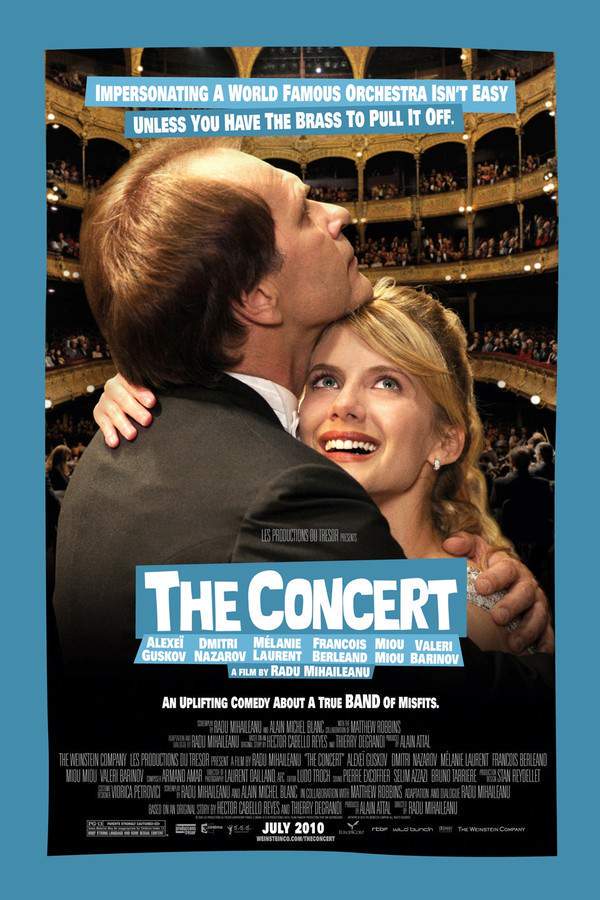
The Concert
2010
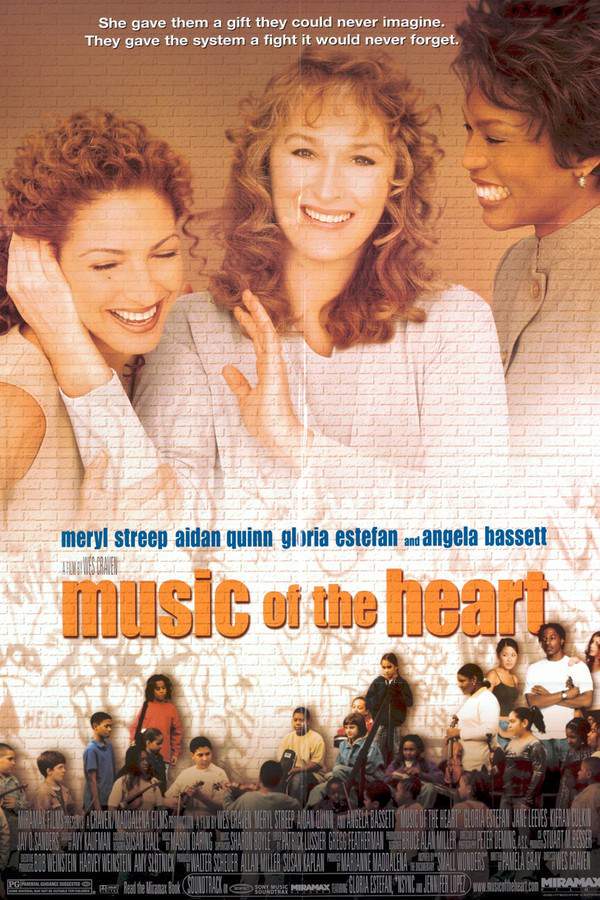
Music of the Heart
1999
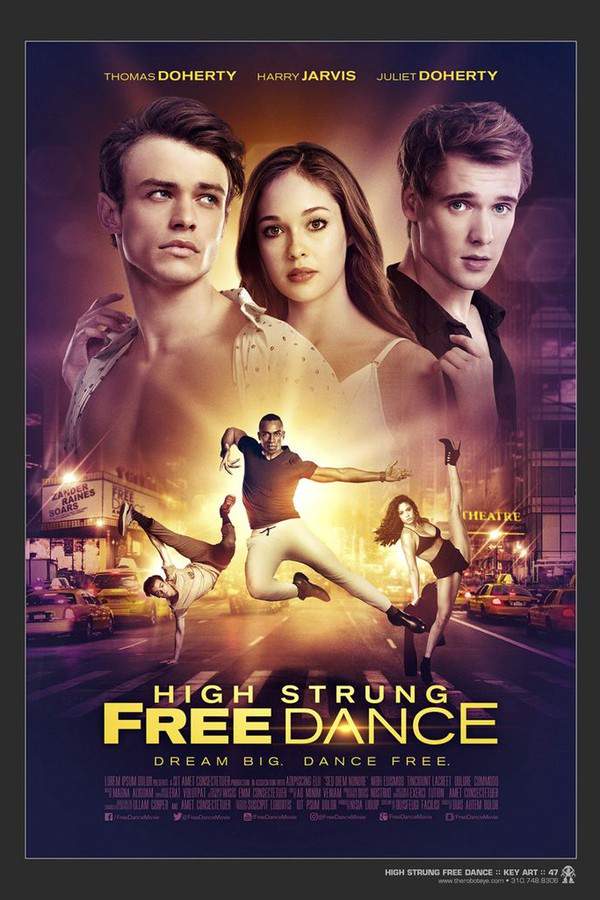
High Strung
2016

Knights of the City
1986
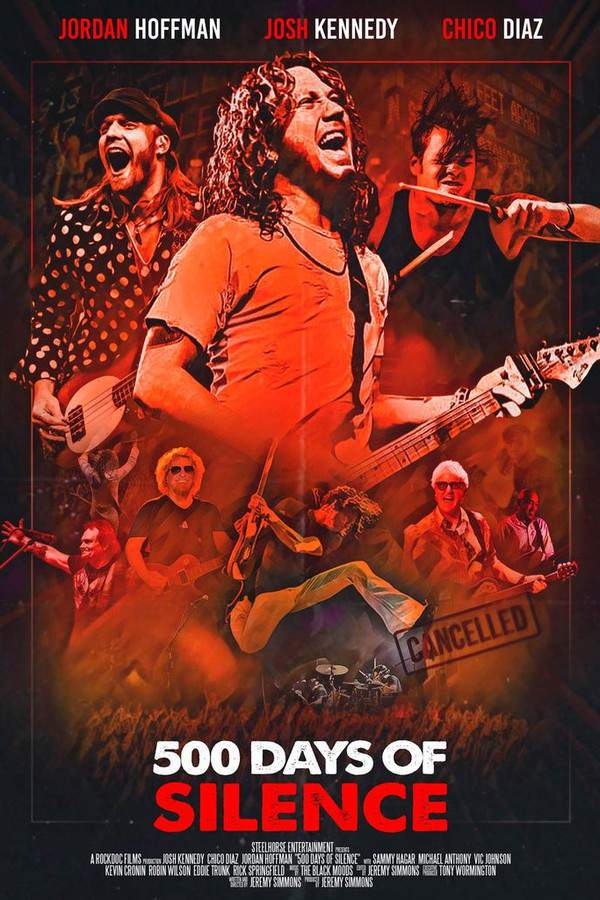
500 Days of Silence
2024

They Shall Have Music
1939
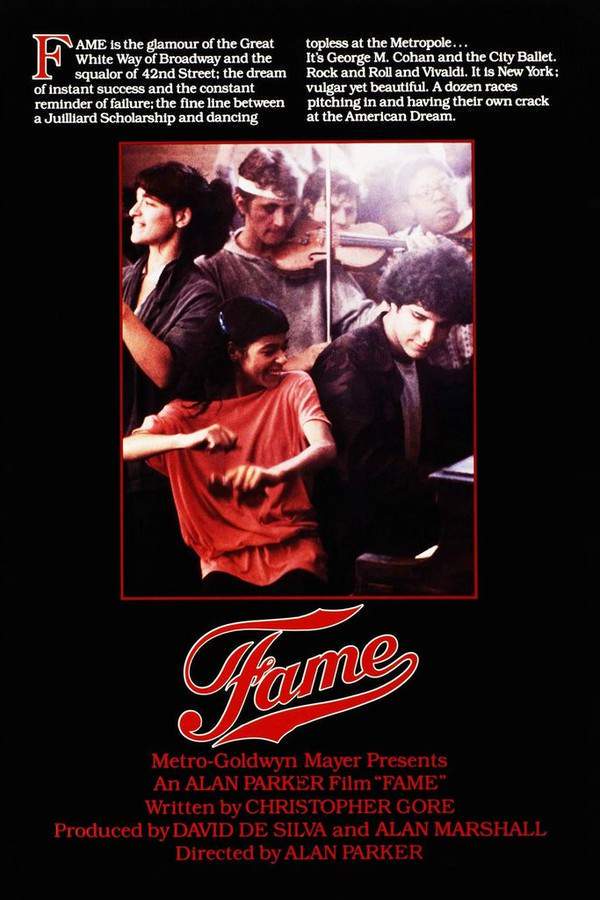
Fame
2009
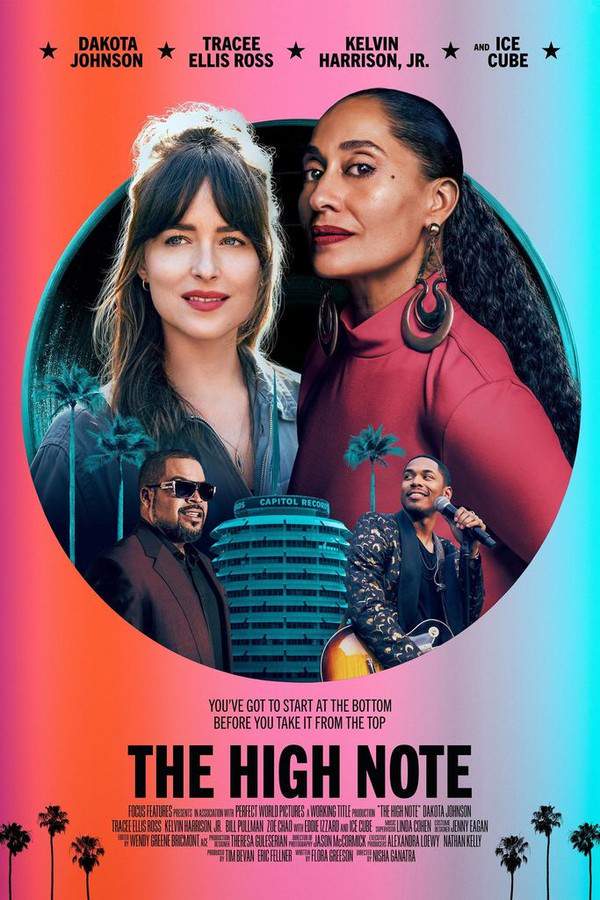
The High Note
2020
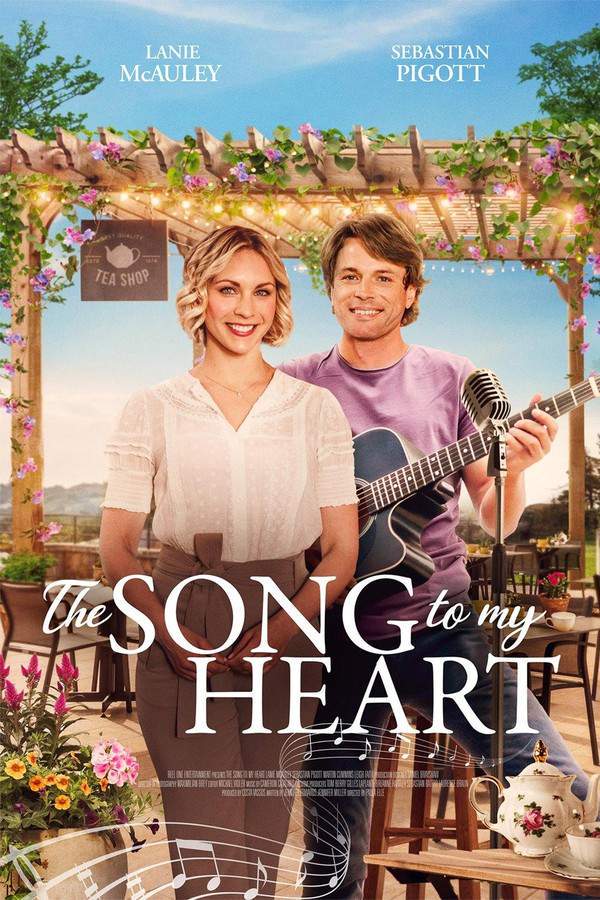
The Song
2014
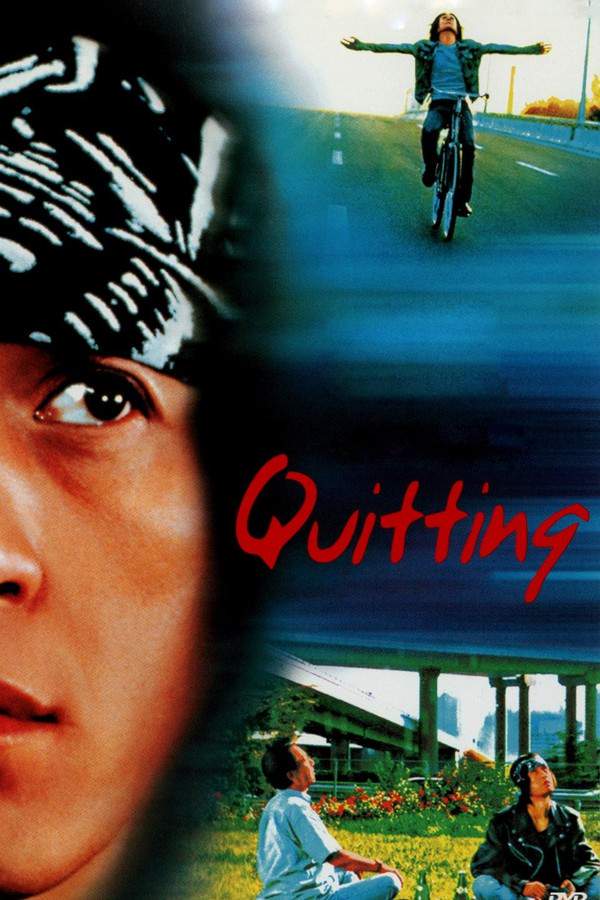
Quitting
2002
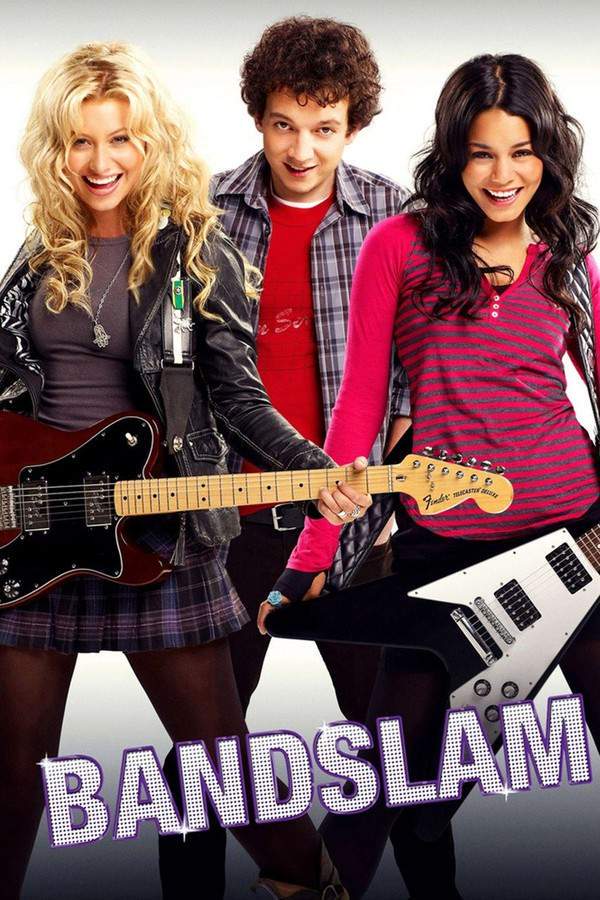
Bandslam
2009
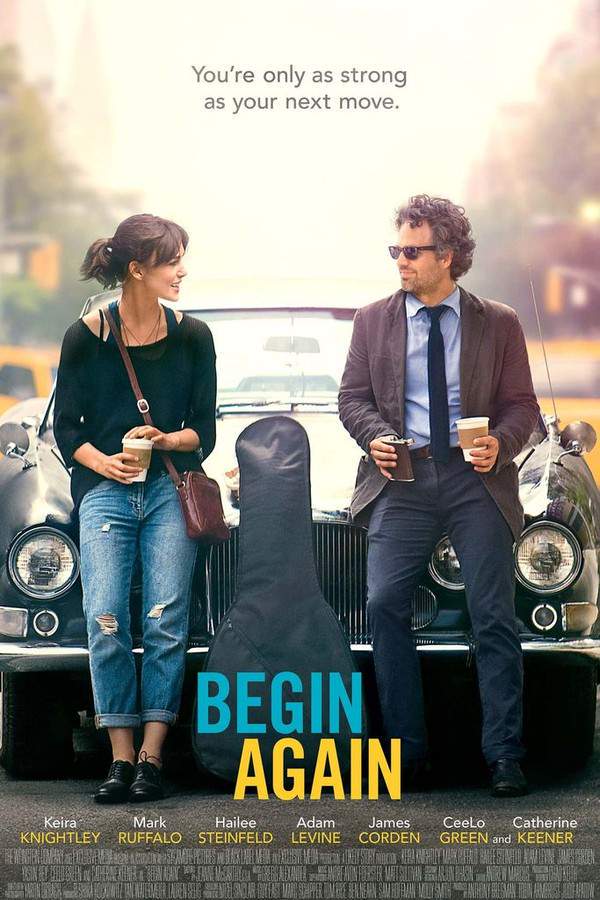
Begin Again
2014
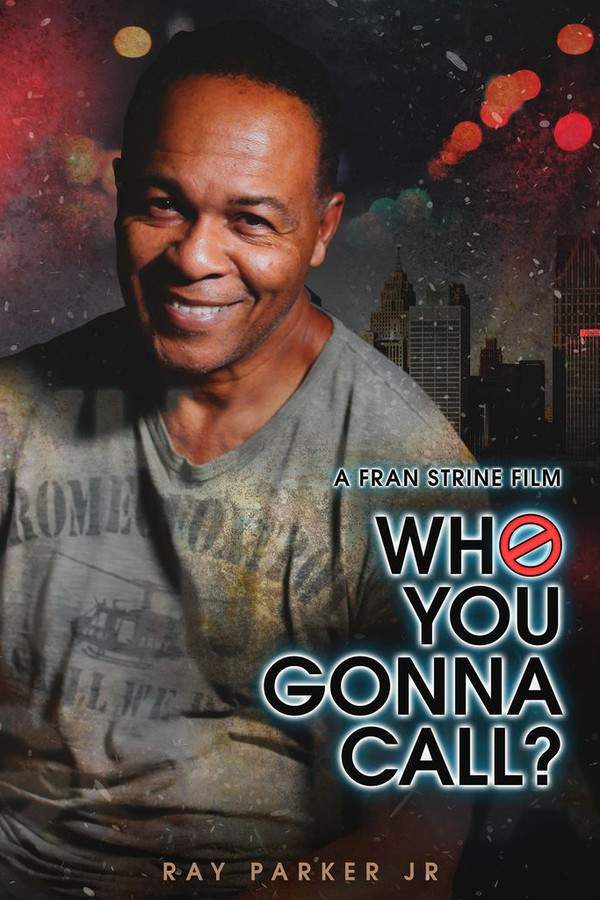
Who You Gonna Call?
2022

Interrupted Melody
1955
Narrative Summary
The narrative follows a creator who is pressured to compromise their work for mass appeal. The central conflict is a battle of wills and ethics, pitting genuine passion against cynical marketing. The journey involves frustration, strategic pushback, and ultimately, a satisfying affirmation of artistic values.
Why These Movies?
These movies are grouped together because they share a core conflict between artistic integrity and commercial success. They feature a determined protagonist, a soulful and industrious mood, and a hopeful tone that celebrates staying true to one's craft.
Soulful Professional Dramas with Hopeful Endings like That’s the Way of the World
Character-driven stories about finding professional fulfillment and ethical victory.Find movies similar to That’s the Way of the World that explore professional integrity and personal victory. If you liked the steady pace and hopeful tone of Buckmaster's journey, these character-driven dramas are for you.

My Sassy Girl
1000
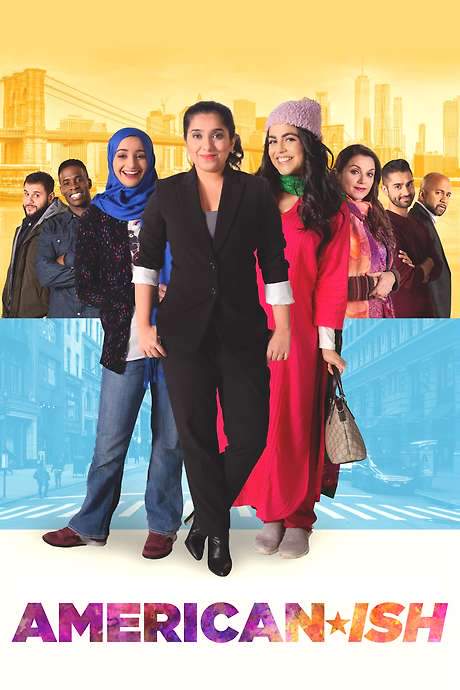
Americanish
2021

Dramatic School
1938
The Company
2003
The High Note
2020
High Strung
2016

Heavenly Pursuits
1986

Tumse Na Ho Payega
2023
The Perfect Find
2023
Happy!
2006

Working Girls
2020

Dr. Kildare’s Strange Case
1940

Stars Over Broadway
1935
Late Night
2019

Dr. Gillespie’s New Assistant
1942
Narrative Summary
The plot centers on a professional at a crossroads, facing pressure to abandon their principles. The tension is internal and conversational, built on ethical dilemmas rather than physical danger. The story progresses steadily as the protagonist navigates the system, leading to a clever or principled resolution that validates their journey.
Why These Movies?
This thread connects films with a medium intensity, steady pacing, and a hopeful tone, where the emotional stakes are tied to professional identity and ethical choices. They offer a satisfying, thoughtful viewing experience without heavy trauma.
Unlock the Full Story of That’s the Way of the World
Don't stop at just watching - explore That’s the Way of the World in full detail. From the complete plot summary and scene-by-scene timeline to character breakdowns, thematic analysis, and a deep dive into the ending - every page helps you truly understand what That’s the Way of the World is all about. Plus, discover what's next after the movie.
That’s the Way of the World Summary
Read a complete plot summary of That’s the Way of the World, including all key story points, character arcs, and turning points. This in-depth recap is ideal for understanding the narrative structure or reviewing what happened in the movie.

That’s the Way of the World Timeline
Track the full timeline of That’s the Way of the World with every major event arranged chronologically. Perfect for decoding non-linear storytelling, flashbacks, or parallel narratives with a clear scene-by-scene breakdown.


