











Plot Explained Spoilers guaranteed!
Plot Explained

Browse by genre

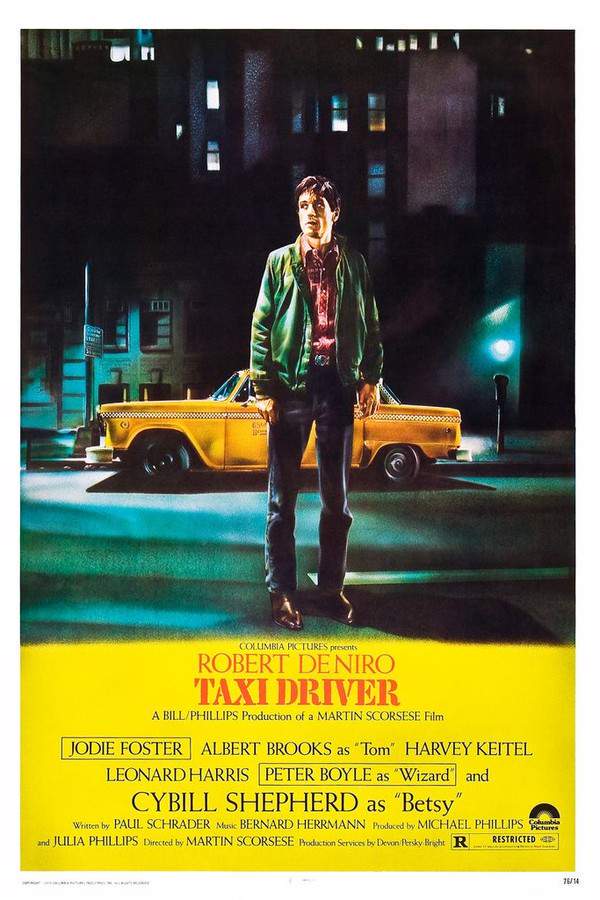
Taxi Driver (1976) movie poster

Characters & Themes

Taxi Driver (1976) Characters, Setting & Themes Explained

Release, runtime and language
1976 · 1 h 54 m · English
JustWatch #441 15
Directed by
Martin Scorsese
Starring
Robert De Niro, Jodie Foster, Albert Brooks, Cybill Shepherd, Harvey Keitel, Peter Boyle

A lonely and isolated taxi driver in 1970s New York City slowly spirals into madness. Haunted by the city's decay and violence, he becomes fixated on rescuing a young prostitute from exploitation. As he attempts to navigate the harsh realities of urban life and his own fractured morality, his actions become increasingly erratic and dangerous, blurring the lines between vigilante and lost soul.

On this page (8)
  1. 1 Where to watch
  2. 2 Characters explained (5)
  3. 3 Where & when it takes place
  4. 4 Themes & meaning (3)
  5. 5 Character & meaning questions
  6. 6 Movie threads
  7. 7 Movies like Taxi Driver
  8. 8 Every angle

Where to watch

Where to Watch Taxi Driver (1976)

Where can you watch Taxi Driver? Stream, rent or buy it in the US, including on Apple TV, Tubi TV and Amazon Video: current JustWatch availability with up-to-date prices.

Streaming availability powered by JustWatch

5 main characters · contains spoilers

Taxi Driver Characters Explained: Who Is Who

The main characters of Taxi Driver (1976), heroes and villains: what drives them, how they change over the course of the story and what each of them reveals about the film's bigger ideas.

  • Travis Bickle

    played by Robert De Niro

    Travis Bickle is a deeply troubled Vietnam veteran struggling with isolation and insomnia. His descent into madness represents the struggles of a man disconnected from society, grappling with his own identity and the societal decay surrounding him. He seeks purpose through his job as a taxi driver but ultimately spirals into violence and obsession.

    • 🚖 Taxi Driver
    • 🕵️‍♂️ Veteran
  • Betsy

    played by Cybill Shepherd

    Betsy is a campaign volunteer who briefly offers a glimpse of hope and connection for Travis. Her initial interest in Travis fades as she becomes horrified by his actions and choices. This rejection significantly contributes to Travis's emotional and mental collapse, marking her as a pivotal figure in his descent.

    • 💔 Love Interest
    • 🏛️ Politics
  • Iris

    played by Jodie Foster

    Iris is a young prostitute who becomes the catalyst for Travis's violent transformation. Her circumstances reflect the harsh realities of urban life, and Travis's desire to 'save' her further illustrates his complex character. Her interactions with Travis emphasize themes of innocence and corruption.

    • 👧 Innocence
    • 🔒 Captivity
  • Sport

    played by Harvey Keitel

    Sport is Iris's pimp, representing the darkness and exploitation within the urban landscape. His character serves as an antagonist in Travis's quest to rescue Iris, embodying the corruption that Travis seeks to combat. This conflict contributes to Travis's violent breakdown.

    • 💼 Exploitation
    • ⚔️ Antagonist
  • Wizard

    played by Peter Boyle

    Wizard is a fellow cab driver who offers Travis advice, but his dismissive attitude towards Travis's problems illustrates the lack of understanding and connection in their harsh environment. His interactions with Travis highlight the theme of isolation within the cab driver's community.

    • 🧙‍♂️ Philosopher
    • 🚖 Cab Driver

Last updated: October 23, 2024 at 08:45

Was this helpful?

Setting

Where and When Does Taxi Driver Take Place?

The setting of Taxi Driver (1976): the year and time period, the places and locations, and how they shape the characters, the mood and the tension of the story.

Time period

The era during which 'Taxi Driver' takes place reflects a tumultuous time in American history post-Vietnam War, characterized by social unrest and a growing disillusionment among veterans. The 1970s was marked by significant political change and rising crime rates, setting a grim tone within the narrative as Travis grapples with his identity and society's failures.

Location

New York City, Manhattan

New York City serves as a sprawling backdrop filled with both vibrant life and stark isolation. Manhattan, known for its towering skyline and diverse neighborhoods, encapsulates the contrasts of urban living, reflecting both opportunity and decay. The bustling streets and dimly lit areas tell a story of countless lives intertwined yet solitary.

  • 🏙️ City
  • 🌆 Urban Life

Last updated: October 23, 2024 at 08:45

Was this helpful?

3 major themes

Taxi Driver Meaning: Themes & Message Explained

What is Taxi Driver (1976) really about? The emotional, social and philosophical themes the film keeps returning to, its symbolism and the message beneath the surface.

  • Isolation

    Isolation permeates the life of Travis Bickle, as he drifts through the empty streets of New York, cut off from meaningful connections. His solitary existence highlights the loneliness that can stem from urban life, intensified by his struggles with mental health. This theme manifests in his interactions and self-destructive choices as he seeks to escape his miserable reality.

  • Violence

    Violence emerges as a central theme, intertwined with Travis's psychological decline and his desperate attempts to regain control in a chaotic world. Each act of violence he witnesses and partakes in serves as a mirror reflecting his internal turmoil and societal breakdown. The film ultimately raises questions about vigilante justice and the consequences of escalating violence.

  • Mental Instability

    Travis's mental instability is profound, as his experiences warp his perception of reality, leading him down a dark path. The film intricately portrays his emotional struggles, the impact of his time in Vietnam, and the societal rejection he faces. This theme culminates in a haunting exploration of the human psyche amid overwhelming despair.

Last updated: October 23, 2024 at 08:45

Was this helpful?

Character & theme questions

Taxi Driver Characters & Meaning: Your Questions Answered

The questions people ask about Taxi Driver (1976): who the characters really are, their relationships, what the symbols mean, where it takes place and what the movie is really about. Each answer contains spoilers.

Q1

What city is Taxi Driver set in?

Taxi Driver is set in New York City, primarily in Manhattan. The film uses the urban landscape as both a literal setting and a metaphorical representation of the character's psychological state. The city's towering skyline, bustling streets, and dimly lit areas serve as a constant backdrop that reflects the themes of isolation and decay.

  • new york city
  • manhattan
  • setting
  • urban environment
Q2

What time period does Taxi Driver take place in?

The film is set in the 1970s, a period marked by significant social unrest in America following the Vietnam War. This era was characterized by rising crime rates, political disillusionment, and economic uncertainty. The time period establishes the grim tone of the narrative and reflects the broader societal decay that Travis Bickle perceives around him.

  • 1970s
  • time period
  • vietnam war
  • social unrest
  • 1970s new york
Q3

Who is Travis Bickle?

Travis Bickle is the protagonist of Taxi Driver, a deeply troubled Vietnam veteran working as a taxi driver in New York City. He suffers from insomnia and severe isolation, struggling with his identity and mental health. His character represents the archetype of a alienated man disconnected from society, searching for purpose in a city that offers him none.

  • travis bickle
  • protagonist
  • vietnam veteran
  • taxi driver
  • mental instability
Q4

Who is Iris in Taxi Driver?

Iris is a young prostitute whom Travis becomes fixated on rescuing from her life on the streets. She represents the innocence that Travis believes still exists and hopes to save. Her character highlights the harsh realities of urban exploitation and serves as the catalyst for Travis's violent transformation.

  • iris
  • prostitute
  • young character
  • urban exploitation
Q5

Who is Sport in Taxi Driver?

Sport is Iris's pimp, representing the dark exploitation present in the urban underworld. He embodies the corruption that Travis seeks to confront and defeat. Sport serves as the primary antagonist in Travis's mission to rescue Iris, and the conflict between them drives much of the film's violent climax.

  • sport
  • pimp
  • antagonist
  • exploitation
  • corruption
Q6

Who is Wizard in Taxi Driver?

Wizard is a fellow taxi driver who interacts with Travis throughout the film. He represents the detached camaraderie among the city's drivers, offering brief moments of human connection. However, his dismissive attitude toward Travis's problems underscores the theme of isolation, even within communities.

  • wizard
  • fellow cab driver
  • secondary character
  • isolation
Q7

What role does Betsy play in the story?

Betsy is a campaign volunteer who briefly offers Travis a glimpse of hope and human connection. She represents the possibility of a normal life that Travis desperately seeks. Her rejection of Travis after witnessing his disturbing behavior becomes a pivotal moment that accelerates his psychological collapse.

  • betsy
  • campaign volunteer
  • hope
  • rejection
  • emotional catalyst
Q8

What does the theme of Isolation mean in Taxi Driver?

Isolation in Taxi Driver refers to Travis Bickle's profound disconnection from meaningful human relationships. He drifts through the empty streets of New York, cut off from society by his mental health struggles and traumatic past. This theme manifests in his solitary existence, his failed attempts at connection, and his ultimate retreat into violent delusion as a way to escape his miserable reality.

  • isolation
  • loneliness
  • disconnection
  • urban alienation
  • mental health
Q9

How is Violence portrayed as a theme in Taxi Driver?

Violence in Taxi Driver serves as both a mirror of Travis's internal turmoil and a commentary on societal breakdown. The film explores the escalation from witnessed violence to committed violence, questioning the nature of vigilante justice. Each act of violence Travis encounters or commits reflects his psychological decline and his desperate attempt to exert control over a chaotic world.

  • violence
  • vigilante justice
  • societal breakdown
  • psychological decline
Q10

What does the theme of Mental Instability represent in the film?

Mental Instability in Taxi Driver depicts Travis Bickle's gradual descent into psychosis, heavily influenced by his Vietnam War trauma and societal rejection. The film portrays how his warped perception of reality leads him down a destructive path. His emotional struggles and detachment from society culminate in a haunting exploration of the human psyche under overwhelming despair.

  • mental instability
  • psychosis
  • vietnam trauma
  • psychological deterioration
Q11

How does New York City function as more than just a setting in Taxi Driver?

New York City functions as an active participant in the narrative, embodying both vibrant life and stark decay. The urban environment reflects Travis's fractured mental state through its contrasts of opportunity and hopelessness. The city's streets, subways, and shadows become extensions of Travis's psychological landscape, amplifying the film's themes of alienation and moral collapse.

  • new york as character
  • urban decay
  • environment
  • atmospheric symbolism
Q12

What does Taxi Driver say about urban decay?

Taxi Driver presents New York City as a symbol of broader societal deterioration during the 1970s. The film uses the city's crime, filth, and moral corruption to reflect Travis's internal decay. The setting emphasizes how urban environments can strip individuals of their humanity, leaving them isolated and vulnerable to psychological breakdown.

  • urban decay
  • societal collapse
  • new york 1970s
  • moral corruption

Movie threads

More Movies Like Taxi Driver, by Mood & Story

Curated lists built around what makes Taxi Driver tick: the same mood, the same kind of story or the same emotional payoff. Each list explains why these movies belong together.

Movies about urban isolation and madness like Taxi Driver

Stories of lonely protagonists unraveling amidst the decay of the metropolis. If you liked the gritty, anxious vibe of Taxi Driver, this thread features similar movies about lonely characters spiraling in oppressive city settings. These films capture the feeling of alienation and moral collapse within urban decay, often building to intense, psychologically disturbing climaxes.

  • gritty
  • oppressive
  • anxious
  • unsettling
  • atmospheric
  • paranoid
  • Tone: dark, oppressive, paranoid
  • Pacing: steady, methodical build
Why these movies?

The story pattern: The narrative pattern follows a solitary individual, often an outsider, whose growing isolation within a hostile urban environment fuels a psychological breakdown. The story is a linear, character-driven descent, where internal rage and disillusionment with society manifest in increasingly erratic and dangerous behavior, leading to a violent, morally ambiguous confrontation.

Why they belong together: Movies are grouped here for their shared focus on urban alienation as a catalyst for madness. They possess a consistently dark tone, high emotional intensity, and a steady pacing that methodically builds unease. The central, unsettling experience is witnessing a character's psyche fracture in direct response to their environment.


Slow burn character studies of madness like Taxi Driver

Methodical character studies where internal pressure quietly builds towards violence. For viewers who appreciated the methodical psychological build-up in Taxi Driver, this thread collects movies with a similar slow burn pace leading to a character's breakdown. These are intense, heavy dramas that focus on a singular perspective spiraling into violence.

  • slow burn
  • psychological
  • unsettling
  • tense
  • character study
  • oppressive
  • Tone: dark, tense, unsettling
  • Pacing: steady, slow burn, deliberate
Why these movies?

The story pattern: These narratives are straightforward in structure but complex in emotional psychology, adhering closely to a protagonist's subjective experience. The plot is secondary to the character's internal journey, which follows a clear arc from isolation and frustration to fixation and violent action. The endings are often ambiguous, leaving the audience to ponder the character's sanity and the morality of their actions.

Why they belong together: These films share a specific rhythm and focus: a steady, unhurried pacing that prioritizes psychological depth over plot mechanics. They create a heavy, oppressive mood through a singular perspective, building tension so subtly that the climax feels like a terrifying release. The similarity lies in the immersive, character-driven approach to depicting madness.

If you liked this

Movies Like Taxi Driver

Similar movies to Taxi Driver: the same genre, themes or kind of story. Each one comes with its own plot summary, timeline and ending explained.

Browse all movie summaries

Every angle

Taxi Driver (1976) Explained: Plot, Timeline & Characters

Everything about Taxi Driver in one place: what happens in the plot summary, the timeline in chronological order, the characters and meaning and a spoiler-free summary. What's After the Movie adds the cast, box office and post-credit scenes.

Coming soon on iOS and Android

The Plot Explained Movie Summary App

Plot summaries, endings explained and timelines on your phone. Catch up on any movie in minutes, save your favorites and never miss a twist again.

Be the first to know when we launch. Your email stays private, always.

Learn more about the app