Plot Explained Spoilers guaranteed!
Plot Explained

Browse by genre

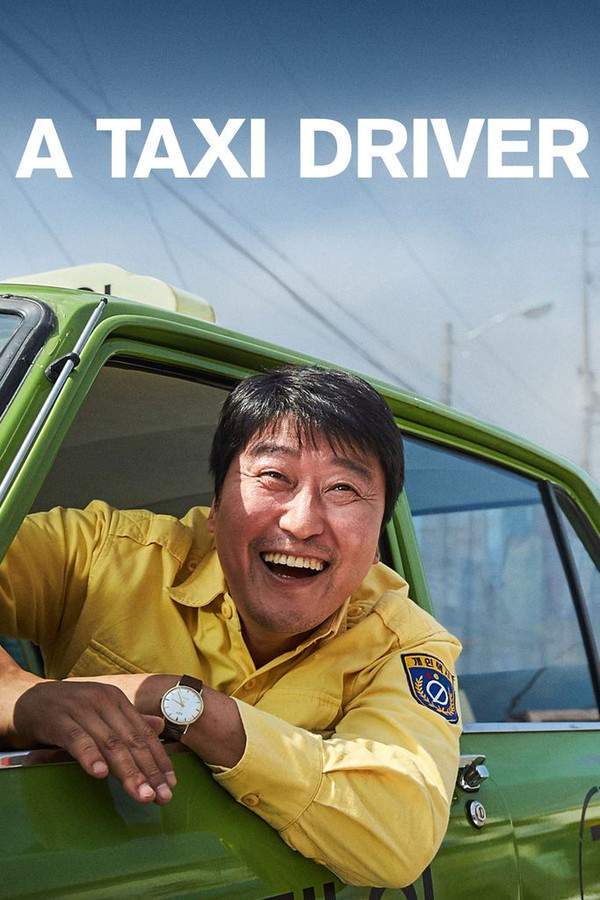
A Taxi Driver (2017) movie poster

Plot Summary

A Taxi Driver (2017) Plot Summary Explained

Release, runtime and language
2017 · 137 min · Korean
Echo score 75
JustWatch #5,240 3
Directed by
Hun Jang
Starring
Kang-ho Song, Hye-jin Yu, Thomas Kretschmann, Daniel Joey Albright, Gwi-hwa Choi, Hyuk-kwon Park
Budget
$12.8M

In 1980 Seoul, a taxi driver looking to make some extra money agrees to drive a German journalist. Their seemingly ordinary trip becomes dangerous when they head to Gwangju, a city experiencing a brutal crackdown by the military. As the student-led uprising escalates, the driver finds himself caught in the heart of the conflict, facing immense peril while documenting the events alongside his passenger. It's a gripping true story about bravery and the fight for freedom.

On this page (6)
  1. 1 Where to watch
  2. 2 What happens: full plot
  3. 3 Plot questions answered
  4. 4 Movie threads
  5. 5 Movies like A Taxi Driver
  6. 6 Every angle

Where to watch

Where to Watch A Taxi Driver (2017)

Where can you watch A Taxi Driver? Stream, rent or buy it in the US, including on Amazon Prime Video, Fawesome and Kanopy: current JustWatch availability with up-to-date prices.

Streaming availability powered by JustWatch

Full plot summary · contains spoilers

What Happens in A Taxi Driver: Full Plot Summary

The whole story of A Taxi Driver (2017) explained, from the opening scene to the final frame: every key event, every twist and what it all adds up to. Read it as a quick recap before the sequel, to check a scene you missed, or to finally understand what really happened.

In 1980, Kim Man-seob, portrayed by Kang-ho Song, is a stoic widower struggling to make ends meet as he navigates the chaotic streets of Seoul in his taxi. One day, while driving, he overhears another cab driver boast about a lucrative fare to Gwangju, completely unaware of the turmoil that is about to unfold there. Seizing this unexpected opportunity, Man-seob captures this prized passenger—Jürgen "Peter" Hinzpeter, a determined German journalist, played by Thomas Kretschmann, who is intent on documenting the escalating civil unrest. Thus, they set out on a journey that will change both their lives.

As they travel toward Gwangju, their taxi is soon halted by soldiers, but thanks to Peter's ingenious disguise as a businessman, they manage to gain entry into the city. Once there, Man-seob and Peter encounter a group of college students who, seeing the need for solidarity, offer assistance and welcome Peter aboard their pickup truck. The situation, however, becomes increasingly intense, leading Man-seob to feel uneasy. Feeling the pull to separate from the chaotic scene, he decides to leave Peter, but not before Peter is moved by an elderly woman they meet, compelling him to convince Man-seob to seek out the woman’s missing son in a local hospital—only to discover the son is among the college students.

At a critical moment, tensions rise, and Peter challenges Man-seob for abandoning him, offering to share the fare. However, the group of college students and local taxi drivers insist they will not accept payment until the trip is complete. With a heavy heart, Man-seob submits and transports Peter along with student Jae-sik, to a protest at the Provincial Office, where they are met by generous protesters offering food and gifts. Amidst the escalating violence, Peter films the events while grappling with the threat from Plainclothes Defense Security Command (DSC) officers, who try to capture him, yet the trio manages to dodge their grasp.

As night falls, the taxi suffers from mechanical issues, pushing them to seek shelter at Tae-soo’s local repair shop. Here, they hear shocking news about a bombing at a nearby television station and choose to document the chaos. Their decision leads to disaster when the DSC officers spot Peter and give chase. In the frantic commotion, Man-seob suffers serious injuries while Jae-sik is captured, desperately pleading with Peter to ensure his footage is shared with the world.

Driven by a fierce love for his daughter and guilt over the events unfolding in Gwangju, Man-seob embarks on a dangerous journey back from Suncheon. Panic grips the city as rumors of North Korean infiltrators bubble up from the chaos. Back at the hospital, he finds Peter in shock and Tae-soo mourning for their fallen friend Jae-sik. Peter urges them to leave Gwangju and return to Seoul for Man-seob's daughter's sake, but Man-seob refuses, choosing instead to support Peter in his time of need.

During the height of the violence, as soldiers ruthlessly shoot at civilians trying to save the wounded, Man-seob and his fellow taxi drivers convert their vehicles into makeshift ambulances, risking their lives to transport the injured to safety. Their perilous route takes them through treacherous mountains where they're challenged by an armed roadblock. A tough sergeant inspects their vehicle but ultimately lets them pass upon noticing the Seoul license plates. However, his colleagues, ordered to apprehend any foreigners, fire upon their taxi, forcing Man-seob into a daring escape. Local taxi drivers come to their aid, ingeniously providing cover to ensure their escape goes unnoticed.

Their paths eventually diverge at the airport; Peter pleads for Man-seob's name and contact details, only to receive the ambiguous reply of "Kim Sa-bok" along with a random cigarette company's phone number. While Peter broadcasts his harrowing footage of the Gwangju Uprising to the world, Man-seob reunites with his daughter. In time, Peter makes multiple visits to Seoul in hopes of locating "Kim Sa-bok," but ultimately finds no trace.

Fast forward to 2003, Peter is honored with an award for his courageous reporting on the Gwangju uprising. During his acceptance speech, he expresses sincere appreciation for "Kim Sa-bok" and holds a glimmer of hope that they may one day reunite. Meanwhile, Man-seob continues his work as a taxi driver, reading about Peter’s triumphant achievements in the newspaper, filled with a mix of admiration for his friend's dedication and a longing for their shared past. The film culminates with a heartfelt video message from the real Peter, extending his gratitude to "Kim Sa-bok" and expressing his yearning for their paths to cross once more.
Last updated: November 22, 2024 at 15:40

Was this helpful?

Plot questions answered

A Taxi Driver Plot Explained: Your Questions Answered

The questions people ask most about A Taxi Driver (2017): what happens in the confusing scenes, why the characters do what they do, the twists, hidden details and what the ending means. Each answer contains spoilers.

Q1

Why does Man-seob agree to drive to Gwangju when he knows there's trouble?

Man-seob agrees to drive to Gwangju primarily for the money. As a struggling widower in Seoul trying to make ends meet, he overhears another cab driver boasting about a lucrative fare to Gwangju and seizes this opportunity for extra income. He initially has no political motivations, the trip is purely economic, driven by his need to support himself and his daughter.

Foreshadowing: Earlier in the film, Man-seob is shown working long hours as a taxi driver, highlighting his financial desperation.

  • money
  • fare
  • Gwangju fare
  • lucrative job
Q2

Why does Man-seob decide to stay in Gwangju after initially planning to leave?

Man-seob's decision to stay evolves through several key moments. First, he's moved by an elderly woman searching for her missing son, which creates moral pressure. Then, the college students and fellow taxi drivers insist they won't accept payment until the mission is complete, making it difficult for him to abandon them. Finally, Peter confronts him about abandoning someone who needs help, and Man-seob's growing awareness of the injustice around him shifts him from self-preservation to solidarity.

Foreshadowing: Man-seob's love for his daughter is established early, showing his capacity for deep commitment to family, this same capacity eventually extends to the people of Gwangju.

  • stay
  • leave
  • decision
  • college students
  • taxi drivers
Q3

Why does Man-seob give the fake name "Kim Sa-bok" when Peter asks for his real name?

Man-seob gives the pseudonym "Kim Sa-bok" and a random phone number to protect himself and his daughter. By 1980, the military government is actively hunting foreigners and anyone helping them, making Man-seob's cooperation extremely dangerous. He wants to avoid retaliation from the Defense Security Command (DSC) officers who were actively pursuing them. This act of anonymity reflects his selflessness, he helped Peter knowing he might never receive credit or recognition for his bravery.

Foreshadowing: The DSC officers are shown repeatedly chasing and trying to capture Peter throughout the film, demonstrating the real danger Man-seob faces by helping him.

  • Kim Sa-bok
  • pseudonym
  • anonymous
  • identity
  • safety
Q4

What happens to Jae-sik, the student who travels with Man-seob and Peter?

Jae-sik is captured by DSC officers during the chaotic pursuit after they document the television station bombing. In the frantic commotion, Man-seob suffers serious injuries while Jae-sik is taken prisoner. Later, at the hospital, Man-seob and Peter learn that Jae-sik has died. His death motivates Man-seob to continue helping Peter and to transform the taxis into ambulances to save others.

Foreshadowing: Jae-sik's plea for Peter to ensure his footage reaches the world foreshadows his tragic fate and underlines the stakes of their mission.

  • Jae-sik
  • captured
  • death
  • student
  • prisoner
Q5

How do Man-seob and the other taxi drivers manage to rescue wounded civilians?

As soldiers ruthlessly shoot at civilians trying to save the wounded, Man-seob and local taxi drivers convert their vehicles into makeshift ambulances. They transport injured people through treacherous mountain routes, avoiding main roads where military checkpoints are positioned. This dangerous operation requires coordination and courage, with local knowledge proving essential for navigating the hazardous terrain.

Foreshadowing: The earlier scene at Tae-soo's repair shop establishes the taxi drivers as a tight-knit group willing to help each other.

  • ambulance
  • rescue
  • wounded
  • civilians
  • taxi drivers
  • mountain route
Q6

Why do the soldiers at the roadblock let them pass initially but then open fire?

Two different military units are involved. A tough sergeant inspects their vehicle and notices the Seoul license plates, which suggests the passengers are not from Gwangju, he lets them pass out of regional sympathy or discretion. However, other soldiers stationed further along the route are explicitly ordered to apprehend any foreigners. When they see Peter, they fire upon the taxi, forcing Man-seob into a desperate escape. This illustrates the chaotic, fragmented command structure during the crackdown.


Foreshadowing: Earlier scenes show the soldiers stopping vehicles and searching for foreigners, establishing the rule that triggers the attack.

  • soldiers
  • roadblock
  • fire
  • escape
  • foreigners
  • seoul plates
Q7

Why does Man-seob return to Gwangju after leaving for Suncheon?

Man-seob initially leaves Gwangju out of fear for his daughter's safety and travels to Suncheon. However, he's consumed by guilt over the violence unfolding in Gwangju and his love for his daughter makes him realize he cannot stand by while others suffer. He returns to find Peter at the hospital, and when Peter urges him to leave for his daughter's sake, Man-seob refuses, he chooses to support Peter and the cause, showing his complete transformation from a self-interested driver to a brave participant in the uprising.

Foreshadowing: Man-seob's love for his daughter is established as his primary motivation throughout the film, making his choice to return despite that love even more significant.

  • return
  • Suncheon
  • guilt
  • daughter
  • hospital
Q8

Why can't Peter find Man-seob after the uprising ends?

Peter cannot find Man-seob because Man-seob gave him a fake name ("Kim Sa-bok") and a random phone number. The pseudonym was intentional to protect himself from government retaliation. Peter makes multiple trips to Seoul over the years searching for "Kim Sa-bok" but never finds him, as this was never Man-seob's real identity. The film suggests Man-seob deliberately chose to remain anonymous, preferring to live quietly rather than seek recognition.

Foreshadowing: The fake name and phone number given at the airport directly explain why all of Peter's subsequent searches fail.

  • find
  • search
  • Kim Sa-bok
  • Peter
  • anonymous
  • Seoul
Q9

What does the name "Kim Sa-bok" mean or represent?

"Kim Sa-bok" is a common Korean pseudonym that literally translates to "someone from Kim family, born on a Saturday" (Sa means Saturday, Bok means fortune). In the context of the film, Man-seob uses this generic name as a deliberate cover to hide his true identity from the authorities. It's a placeholder name that provides no way to trace back to his real identity, making it impossible for Peter to locate him later.

  • Kim Sa-bok
  • pseudonym
  • name meaning
  • anonymous
Q10

What happens when Man-seob and Peter part ways at the airport?

At the airport, Peter pleads for Man-seob's name and contact information so he can thank him properly and potentially reconnect. Man-seob responds with the pseudonym "Kim Sa-bok" and provides a random cigarette company's phone number. Peter leaves for Germany with his footage, which will later expose the Gwangju Uprising to the world. This ambiguous farewell leaves their friendship unresolved, with Peter never knowing the truth about the man who saved his life.

Foreshadowing: The random phone number Man-seob provides ensures Peter will never be able to reach him, making the reunion impossible.

  • airport
  • farewell
  • part ways
  • Kim Sa-bok
  • phone number
Q11

What happens in the final scenes of the film?

The film jumps to 2003, where Peter receives an award for his courageous reporting on the Gwangju Uprising. In his acceptance speech, he expresses gratitude toward "Kim Sa-bok" and holds hope they may reunite. Meanwhile, Man-seob continues working as a taxi driver in Seoul, reading about Peter's achievements in the newspaper. The film ends with a heartfelt video message from the real Peter, thanking "Kim Sa-bok" and expressing his longing to meet again. The bittersweet conclusion shows Peter celebrated as a hero while Man-seob remains anonymously courageous.

  • 2003
  • award
  • reunion
  • Peter
  • newspaper
  • bittersweet ending
Q12

Why is the film titled "A Taxi Driver" when it's about the Gwangju Uprising?

The title emphasizes that this is ultimately a story about ordinary people caught in extraordinary circumstances. Man-seob is just a regular taxi driver, not a soldier, activist, or journalist, but his choice to help an foreign reporter transforms him into a hero. The film uses his perspective to show how the Gwangju Uprising affected everyday citizens and how individual acts of courage, even from someone simply trying to make a living, can have historic significance.

  • title
  • taxi driver
  • ordinary hero
  • everyday people
  • Gwangju Uprising

Movie threads

More Movies Like A Taxi Driver, by Mood & Story

Curated lists built around what makes A Taxi Driver tick: the same mood, the same kind of story or the same emotional payoff. Each list explains why these movies belong together.

Movies about civilians in political unrest like A Taxi Driver

Ordinary people find courage during violent political unrest and historical turning points. If you liked the gripping, ground-level perspective of A Taxi Driver, you'll appreciate these movies about ordinary people caught in historical uprisings. Discover similar films that explore civilian courage, survival, and the fight for truth during times of violent political change.

  • urgent
  • gripping
  • courageous
  • historical
  • somber
  • tense
  • Tone: tense, somber, courageous
  • Pacing: fast, urgent
Why these movies?

The story pattern: Narratives in this thread typically follow a reluctant or unwitting protagonist who is drawn into a large-scale political conflict. Their personal journey transforms from self-preservation to active participation as they witness injustice, forging bonds with fellow civilians and becoming unlikely heroes in a fight for freedom.

Why they belong together: These films are grouped by their shared focus on the civilian experience during historical upheaval, creating a tense, high-stakes atmosphere. They balance heavy emotional weight with moments of profound human courage, delivering powerful stories about individuals making a difference against overwhelming odds.

Movies about dangerous journeys with reluctant heroes like A Taxi Driver

An unlikely partnership forms during a perilous mission that changes them forever. Fans of A Taxi Driver will enjoy these films about perilous road trips and reluctant heroes. Find movies similar to A Taxi Driver where an unlikely duo faces extreme danger, leading to a bittersweet bond and a journey of personal transformation.

  • tense
  • gripping
  • courageous
  • urgent
  • bittersweet
  • anxious
  • Tone: tense, bittersweet, courageous
  • Pacing: fast, relentless
Why these movies?

The story pattern: The narrative pattern involves a pragmatic, often self-interested protagonist who accepts a seemingly straightforward job that spirals into a life-threatening situation. Paired with an idealistic or driven companion, their journey becomes a crucible, forcing the reluctant hero to discover their own courage and moral conviction, often culminating in a bittersweet separation.

Why they belong together: Movies in this thread share a core structure of a high-stakes journey that catalyzes profound character change. They blend fast pacing with tense, high-intensity action and a heavy emotional core, focusing on the powerful, transformative relationship that develops between the main characters under extreme pressure.

If you liked this

Movies Like A Taxi Driver

Similar movies to A Taxi Driver: the same genre, themes or kind of story. Each one comes with its own plot summary, timeline and ending explained.

Browse all movie summaries

Every angle

A Taxi Driver (2017) Explained: Plot, Timeline & Characters

Everything about A Taxi Driver in one place: what happens in the plot summary, the timeline in chronological order, the characters and meaning and a spoiler-free summary. What's After the Movie adds the cast, box office and post-credit scenes.

Coming soon on iOS and Android

The Plot Explained Movie Summary App

Plot summaries, endings explained and timelines on your phone. Catch up on any movie in minutes, save your favorites and never miss a twist again.

Be the first to know when we launch. Your email stays private, always.

Learn more about the app