











Plot Explained Spoilers guaranteed!
Plot Explained

Browse by genre

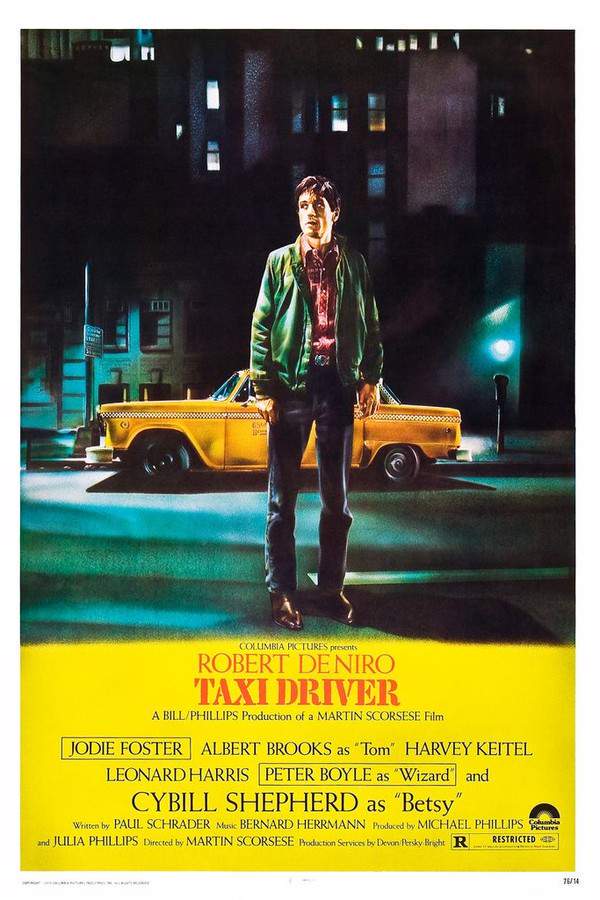
Taxi Driver (1976) movie poster

Timeline

Taxi Driver (1976) Timeline Explained – Every Event in Order

Release, runtime and language
1976 · 1 h 54 m · English
JustWatch #441 15
Directed by
Martin Scorsese
Starring
Robert De Niro, Jodie Foster, Albert Brooks, Cybill Shepherd, Harvey Keitel, Peter Boyle

A lonely and isolated taxi driver in 1970s New York City slowly spirals into madness. Haunted by the city's decay and violence, he becomes fixated on rescuing a young prostitute from exploitation. As he attempts to navigate the harsh realities of urban life and his own fractured morality, his actions become increasingly erratic and dangerous, blurring the lines between vigilante and lost soul.

On this page (6)
  1. 1 Where to watch
  2. 2 Events in order (15)
  3. 3 Timeline questions answered
  4. 4 Movie threads
  5. 5 Movies like Taxi Driver
  6. 6 Every angle

Where to watch

Where to Watch Taxi Driver (1976)

Where can you watch Taxi Driver? Stream, rent or buy it in the US, including on Apple TV, Tubi TV and Amazon Video: current JustWatch availability with up-to-date prices.

Streaming availability powered by JustWatch

15 events in order · contains spoilers

Taxi Driver Timeline: Events in Chronological Order

Every key event of Taxi Driver (1976) in order, scene by scene, with when and where it takes place. Use it to untangle flashbacks, time jumps and parallel storylines, to refresh your memory before the sequel or to find the exact scene you are thinking of.

  1. Travis Bickle's Arrival in NYC

    Travis Bickle arrives in New York City, displaying the troubled psyche of a young veteran navigating a chaotic urban landscape. The city serves as both his home and prison, reflecting his deep-seated loneliness and disillusionment.

    Where
    New York City
  2. Becoming a Taxi Driver

    Seeking a job to cope with his insomnia and isolation, Travis manages to secure a position as a taxi driver. His nights on the city’s streets serve as both a job and a means of escaping the haunting silence of his apartment.

    Where
    New York City
  3. Meeting Betsy

    During a shift, Travis encounters Betsy, a campaign volunteer for Senator Palantine. Despite his awkwardness and lack of social skills, Travis gathers the courage to ask her out on a date, marking a brief glimmer of hope in his isolated existence.

  4. The First Date with Betsy

    Travis and Betsy go on a date that initially seems promising as they share a deep conversation over coffee. However, they are bonded by their mutual feelings of loneliness, hinting at the struggles they both face with isolation in their lives.

  5. Descent into Dark Thoughts

    Travis's negativity towards the societal decay around him grows, reflecting his increasing agitation. This culminates when he attempts to connect with Betsy again, leading to a disastrous date at a porn theater that shocks and horrifies her.

  6. Encounter with Iris

    One night, Travis picks up Iris, a young prostitute, who tries to escape her violent pimp, Sport. Unable to save her in time, Travis watches helplessly as Sport rescues her, deepening his feelings of impotence and frustration.

  7. Conflict with Senator Palantine

    Travis expresses his desire for a leader capable of cleaning up New York City during an encounter with Senator Palantine. Their interaction highlights the chasm between Travis's violent fantasies and the Senator's political ideals.

  8. Spiral into Isolation

    Haunted by Betsy's rejection, Travis descends into misery and solitude. He confides in Wizard at a diner, but when offered only dismissive advice, his anger and isolation deepen, pushing him further toward violence.

  9. Acquiring Weapons

    Desperate for power and control, Travis turns to an illegal dealer to purchase a small arsenal of firearms. This decision marks a pivotal moment in his transformation, demonstrating his growing obsession with violence as a solution to his problems.

  10. Confrontation with Iris

    Travis attempts to rescue Iris, revealing the complexities of her existence and relationship with Sport. Their conversation highlights the tension between innocence and corruption, further intensifying Travis's troubled mental state.

  11. The Rally for Senator Palantine

    Driven by his decaying mental state, Travis attends a rally for Senator Palantine armed and prepared for violence. His actions are fueled by a mix of desperation and misguided heroism as he plots to make a statement.

  12. Violent Shootout

    Travis storms into Sport's territory, leading to a chaotic shootout with enforcers. Miraculously surviving, he is propelled by rage and despair, showcasing his dramatic transformation from disillusioned cabbie to avenger.

  13. Attempted Suicide

    In a moment of vulnerability, Travis contemplates taking his own life, symbolizing his total collapse. However, fate intervenes, preventing his demise and leading him further down his path of destructive behavior.

  14. Becoming a Media Hero

    After rescuing Iris, Travis is hailed as a hero by the media, yet this newfound status is a hollow victory. His violent actions and the trauma he endured linger, reinforcing the complexity of his character as both villain and savior.

  15. Final Encounter with Betsy

    Travis shares a brief and unsettling ride with Betsy, leading to an ambiguous conclusion about his mental state. The lingering question of his stability and the chaos within him casts a shadow over their reunion, encapsulating the film’s exploration of heroism and madness.

Last updated: October 24, 2024 at 09:25

Was this helpful?

Timeline questions answered

Taxi Driver Timeline Explained: Your Questions Answered

When does it happen, and why in that order? The questions people ask about the chronology of Taxi Driver (1976): time jumps, flashbacks, cause and effect between scenes and the correct order of events, each answered with spoilers.

Q1

Why does Travis take Betsy to a porn theater on their second date?

Travis takes Betsy to the porn theater because his social skills are severely underdeveloped and he lacks understanding of normal social boundaries. Having spent much of his free time in adult movie theaters himself, he mistakenly believes this is an appropriate setting for a date. This moment reveals how disconnected Travis is from typical social norms and highlights his inability to distinguish between public and private behaviors.

Foreshadowing: Earlier scenes show Travis frequently visiting adult theaters, establishing this as his only exposure to social spaces outside his apartment.

  • betsy
  • porn theater
  • date
  • social skills
  • rejection
Q2

Why does Travis become obsessed with rescuing Iris?

Travis becomes fixated on saving Iris because she represents purity and innocence that he believes has been corrupted by the city's exploitation. After failing to protect her when he first picked her up, watching Sport rescue her, Travis experiences feelings of impotence and inadequacy. His inability to save her mirrors his broader feelings of helplessness against the decay he sees everywhere around him.

Foreshadowing: His failed attempt to help Iris escape Sport happens early in his descent, establishing his obsession with rescuing her as a way to prove his own worth.

  • iris
  • sport
  • prostitute
  • rescue
  • innocence
Q3

Why does Travis attack Sport instead of Senator Palantine?

Although Travis originally planned to assassinate Senator Palantine at the rally, he redirects his violence toward Sport's brothel instead. This shift likely occurs because confronting a powerful political figure feels too abstract, while Sport represents a concrete, tangible example of the corruption Travis wants to punish. Additionally, his obsession with Iris has consumed him, making rescuing her his primary mission rather than political assassination.

Foreshadowing: Travis's practice speech mentions both killing the Senator and cleaning up the streets, showing his muddled priorities between grand political gestures and personal vendettas.

  • sport
  • senator palantine
  • assassination
  • rally
  • shootout
Q4

What causes Travis to spiral into violence?

Travis's descent into violence is triggered by a combination of factors: chronic insomnia causing psychological deterioration, social isolation fueling resentment, Betsy's rejection devastating his fragile self-esteem, and witnessing constant urban crime without any meaningful outlet for his frustration. When Wizard dismisses his grievances at the diner, Travis loses his last connection to any form of understanding, pushing him toward violent action as his only perceived solution.

Foreshadowing: His increasing preoccupation with weapons and his practice speech in front of the mirror mark the transition from internal rage to external violence.

  • insomnia
  • isolation
  • rejection
  • violence
  • descent
Q5

Why is Travis seen as a hero by the media after the shooting?

The media portrays Travis as a hero because he successfully rescues Iris from her pimp, which aligns with simple narrative structures that the public can understand. The reporters ignore the context of his psychological deterioration, his intended assassination of a politician, and the coincidental nature of his violence. This media reaction highlights how society often celebrates violence without examining its root causes.

Foreshadowing: The film consistently shows media simplification of complex events, beginning with how easily Travis is hired as a taxi driver despite his troubled appearance.

  • media
  • hero
  • rescue
  • iris
  • public perception
Q6

What does the final scene with the rearview mirror mean?

In the final scene, Travis adjusts his rearview mirror to look at himself, suggesting he is still observing and scrutinizing his own identity. This gesture implies his psychological state remains unstable and that the violence has not provided him with any real resolution or clarity. The mirror serves as a symbol of his continued self-examination and the likelihood that he will spiral into violence again.

Foreshadowing: Throughout the film, Travis frequently looks at himself in mirrors and windows, establishing his preoccupation with his own identity and appearance.

  • rearview mirror
  • ending
  • identity
  • psychosis
Q7

Why does Travis write letters to his parents about a fake life?

Travis writes fabricated letters to his parents claiming he works with the Secret Service because he is deeply ashamed of his actual life as a lonely taxi driver. These letters represent his desperate attempt to maintain a sense of dignity and purpose by constructing an imagined reality where he matters. This fabrication demonstrates how Travis blurs the line between fantasy and reality, a sign of his deteriorating mental state.

Foreshadowing: His fantasy about working with the Secret Service foreshadows his later fantasy of becoming a vigilante savior.

  • letters
  • parents
  • fantasy
  • secret service
  • shame
Q8

Why does Travis become fixated on Betsy specifically?

Travis becomes fixated on Betsy because she represents everything his isolated life lacks, purpose, connection, and normalcy. Working for a political campaign suggests ideals and direction, while her beauty and kindness appear to offer him a way out of his loneliness. Travis projects all his hopes onto her because he has no other meaningful relationships or goals in his life, making her rejection devastating.

Foreshadowing: Travis's first date with Betsy shows them bonding over mutual loneliness, revealing how desperate he is for any human connection.

  • betsy
  • fixation
  • loneliness
  • rejection
  • hope
Q9

Why does Travis shoot the grocery store thief?

Travis shoots the grocery store thief during a robbery because he cannot control his impulse toward violence any longer. This random act of aggression represents a turning point where he no longer distinguishes between meaningful targets and innocent bystanders. The shooting receives praise from the store owner, which reinforces Travis's twisted belief that violence is a solution to disorder.

Foreshadowing: This incident occurs after his growing obsession with weapons and before his planned attack on Sport, showing his escalating willingness to use violence.

  • grocery store
  • thief
  • shooting
  • violence
  • impulse
Q10

Why does Wizard dismiss Travis at the diner?

Wizard dismisses Travis's venting because as a fellow taxi driver, he has heard countless complaints from drivers about the city and its problems. Wizard's response of 'you gotta do something' is meant to be dismissive rather than encouraging, suggesting he views Travis's grievances as typical cabbie frustration. This rejection pushes Travis further into isolation and contributes to his decision that no one understands him, accelerating his turn to violence.

Foreshadowing: Wizard's philosophy of accepting the city's chaos without acting contrasts with Travis's need to take dramatic action.

  • wizard
  • diner
  • dismissal
  • isolation
  • frustration

Movie threads

More Movies Like Taxi Driver, by Mood & Story

Curated lists built around what makes Taxi Driver tick: the same mood, the same kind of story or the same emotional payoff. Each list explains why these movies belong together.

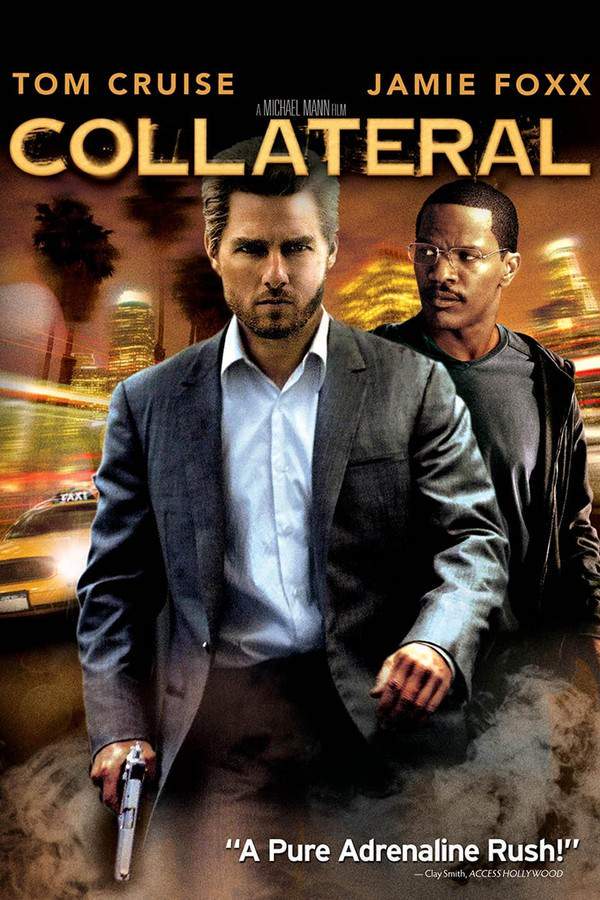
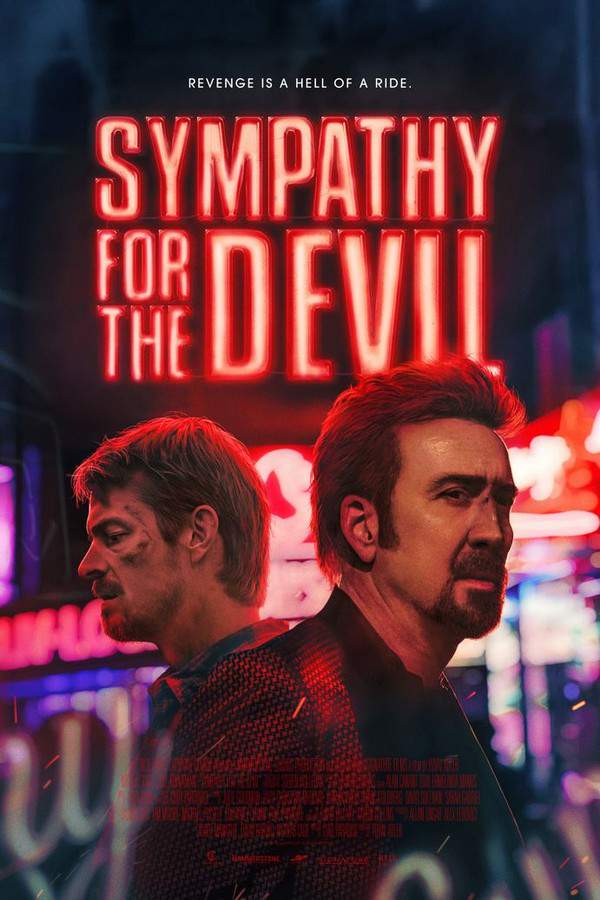
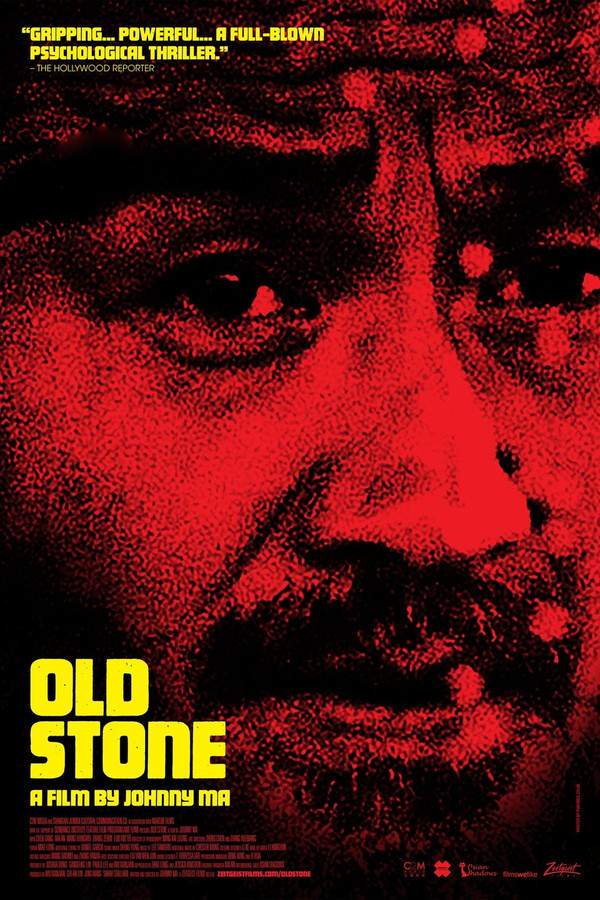
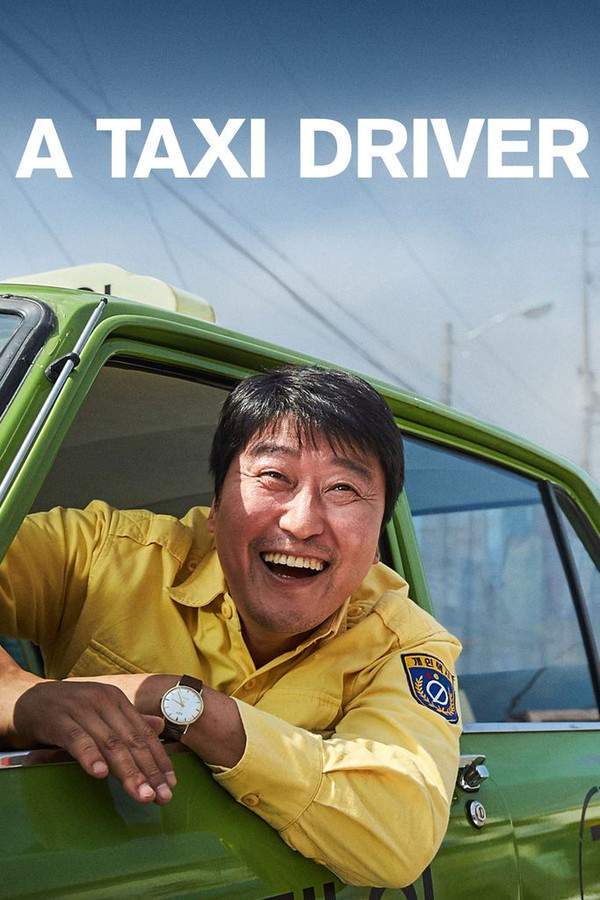
Movies about urban isolation and madness like Taxi Driver

Stories of lonely protagonists unraveling amidst the decay of the metropolis. If you liked the gritty, anxious vibe of Taxi Driver, this thread features similar movies about lonely characters spiraling in oppressive city settings. These films capture the feeling of alienation and moral collapse within urban decay, often building to intense, psychologically disturbing climaxes.

  • gritty
  • oppressive
  • anxious
  • unsettling
  • atmospheric
  • paranoid
  • Tone: dark, oppressive, paranoid
  • Pacing: steady, methodical build
Why these movies?

The story pattern: The narrative pattern follows a solitary individual, often an outsider, whose growing isolation within a hostile urban environment fuels a psychological breakdown. The story is a linear, character-driven descent, where internal rage and disillusionment with society manifest in increasingly erratic and dangerous behavior, leading to a violent, morally ambiguous confrontation.

Why they belong together: Movies are grouped here for their shared focus on urban alienation as a catalyst for madness. They possess a consistently dark tone, high emotional intensity, and a steady pacing that methodically builds unease. The central, unsettling experience is witnessing a character's psyche fracture in direct response to their environment.
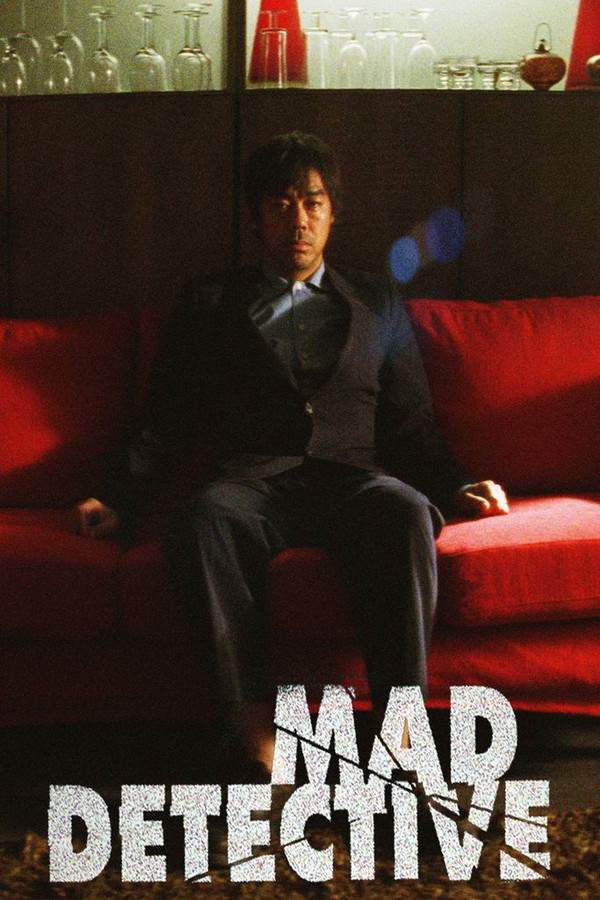
Slow burn character studies of madness like Taxi Driver

Methodical character studies where internal pressure quietly builds towards violence. For viewers who appreciated the methodical psychological build-up in Taxi Driver, this thread collects movies with a similar slow burn pace leading to a character's breakdown. These are intense, heavy dramas that focus on a singular perspective spiraling into violence.

  • slow burn
  • psychological
  • unsettling
  • tense
  • character study
  • oppressive
  • Tone: dark, tense, unsettling
  • Pacing: steady, slow burn, deliberate
Why these movies?

The story pattern: These narratives are straightforward in structure but complex in emotional psychology, adhering closely to a protagonist's subjective experience. The plot is secondary to the character's internal journey, which follows a clear arc from isolation and frustration to fixation and violent action. The endings are often ambiguous, leaving the audience to ponder the character's sanity and the morality of their actions.

Why they belong together: These films share a specific rhythm and focus: a steady, unhurried pacing that prioritizes psychological depth over plot mechanics. They create a heavy, oppressive mood through a singular perspective, building tension so subtly that the climax feels like a terrifying release. The similarity lies in the immersive, character-driven approach to depicting madness.

If you liked this

Movies Like Taxi Driver

Similar movies to Taxi Driver: the same genre, themes or kind of story. Each one comes with its own plot summary, timeline and ending explained.

Browse all movie summaries

Every angle

Taxi Driver (1976) Explained: Plot, Timeline & Characters

Everything about Taxi Driver in one place: what happens in the plot summary, the timeline in chronological order, the characters and meaning and a spoiler-free summary. What's After the Movie adds the cast, box office and post-credit scenes.

Coming soon on iOS and Android

The Plot Explained Movie Summary App

Plot summaries, endings explained and timelines on your phone. Catch up on any movie in minutes, save your favorites and never miss a twist again.

Be the first to know when we launch. Your email stays private, always.

Learn more about the app