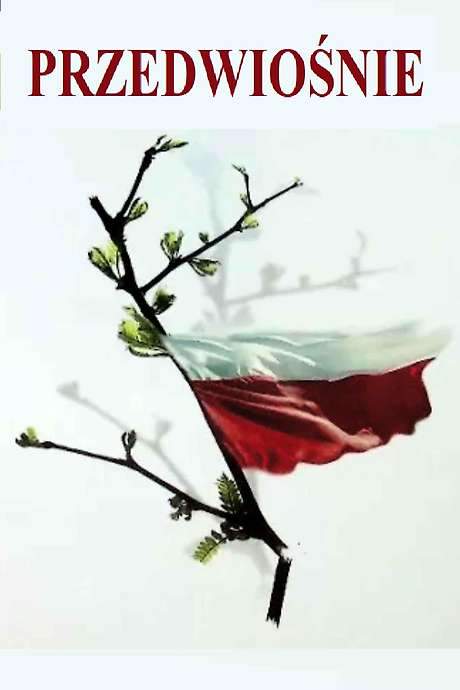
The narrative unfolds in the late 19th century, in Polish territories under Russian rule, where the fate of a young student is shaped by the forces of empire and national identity. The central figure is [Marcin Borowicz],(/actor/ukasz-garlicki) a boy who is sent away from home to a village school in Owczary. His purpose is practical: to gain the basic education that will eventually let him pass the entry exams and continue his studies at a Russian high school, the Gymnasium, in Kielce. From his first days at the rural school, the slow, tightening grip of Russification begins to touch his life, nudging his understanding of language, history, and culture in a direction that will challenge his Polish roots. This early exposure marks the start of a complex inner shift, one that will color his political views and his sense of belonging.
A few years later, in the summer of 1884, Borowicz accompanies his mother and Józef to Kielce to sit the entrance exams for the Kielce Gymnasium. Passing the tests earns him a place as a preparatory student, and he begins a new chapter of schooling. Yet the transition is not easy. He struggles to fit in with classmates who can be unkind or even hostile, and the social climate of the school intensifies the pressure to conform to the Russian language and norms that the authorities champion.
Tensions at the school rise in a charged moment one day after classes: Borowicz is kept after for a fight and for speaking Polish—against the strict rule that Russian must be used at all times. The incident foreshadows the larger cultural and political conflicts simmering beneath the surface of daily life. Not long after, a drama unfolds in the school chapel when an old priest confronts a teacher, Mr. Majewski, who demands that the Mass be conducted in Russian to align with the new regulations. The prefect supports the Polish side, insisting that the Mass be offered in Polish, and the argument grows so heated that the priest erupts in anger, dismisses Majewski from the chapel, and has him escorted out.
Borowicz witnesses the entire confrontation, and afterward the priest asks him to keep what he saw secret. This moment crystallizes the risks of speaking out and the weight of silence in a world where linguistic and national loyalties are policed from above. The experience deepens Borowicz’s awareness of the pressures around Polish language and culture, while also highlighting the fragility of personal conviction in a time of occupation and reform.
Across the events—education, peer dynamics, detention, and a charged religious-educational atmosphere—the story tracks a young person navigating a system designed to suppress national identity while simultaneously forging a plan for his future within that system. The tension between Polish heritage and Russian authority threads through every scene, inviting reflection on how a single individual negotiates loyalty, memory, and belief in a world where a simple choice of words can carry political weight. The narrative remains attentive, restrained, and observant, inviting readers to weigh the costs and consequences of growing up under pressure and choosing to hold onto one’s cultural roots.