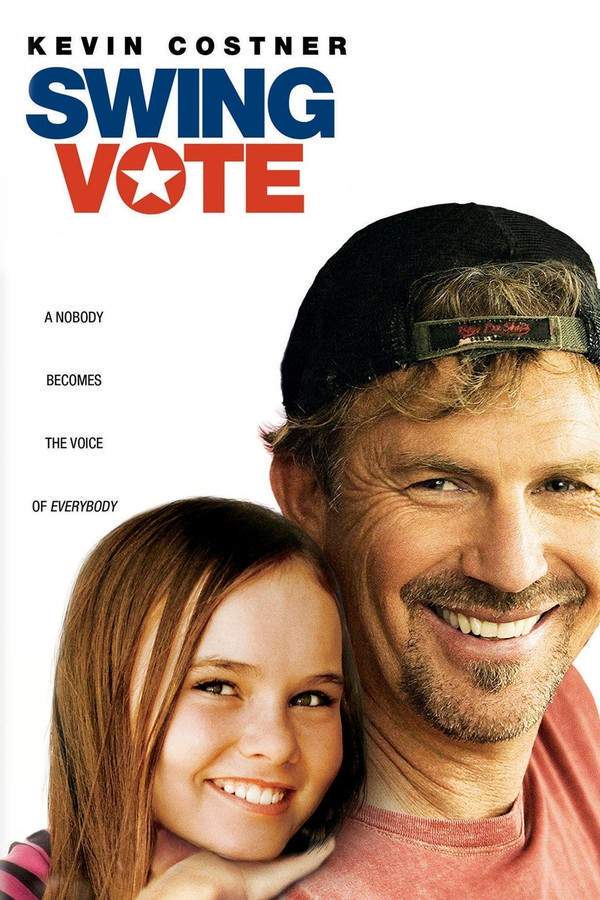
In the dusty outskirts of Texico, New Mexico, life drifts at the pace of a lone trailer’s wind‑blown porch swing. Here lives Bud Johnson, a heavy‑drinking, good‑natured slacker who spends his days juggling dead‑end jobs, bar stools, and the lingering echoes of a marriage that has already slipped away. The town’s slow‑moving rhythm is punctuated by the hum of a nation on the brink of deciding its next president, a contrast that magnifies Bud’s comfortable disengagement and sets a tone that is equal parts wry comedy and understated melancholy.
His teenage daughter, Molly, is the opposite of her father’s laissez‑faire attitude. Bright, idealistic and already plugged into the political chatter that sweeps the country, she takes it upon herself to register both of them as independent voters, hoping to spark a flicker of responsibility in her dad. Their strained relationship—Bud’s reluctance to shoulder any kind of adult obligation versus Molly’s earnest desire to be heard—creates a tender undercurrent that drives the film’s emotional core. The small‑town setting, with its modest diners, rust‑colored horizons and close‑knit community, feels both intimate and surprisingly reflective of the broader national mood.
As the presidential race tightens into a dead‑heat, New Mexico’s five electoral votes become the kind of hinge that could tip the balance of power. In a twist of fate, Bud’s single, uncast vote is suddenly thrust into the spotlight, transforming his ordinary existence into a focal point for the country’s political circus. Reporters, campaign aides, and a whirlwind of media attention converge on the sleepy town, turning everyday life into a stage where the banal and the monumental collide. The atmosphere crackles with a blend of nervous humor and genuine urgency, hinting at the ripple effects one ordinary person can create when the world’s gaze lands on them.
Against this backdrop, Bud must navigate the unfamiliar terrain of civic duty while confronting the more personal stakes of fatherhood, identity, and redemption. The presence of Kate Madison, a television journalist eager to capture his authentic voice, adds another layer of observation and potential self‑discovery. The film balances the grand scale of a national election with the intimate, often messy moments of a family learning what responsibility truly means, keeping the audience curious about how a reluctant everyman will respond when his ordinary life becomes extraordinary.