Plot Explained Spoilers guaranteed!
Plot Explained

Browse by genre

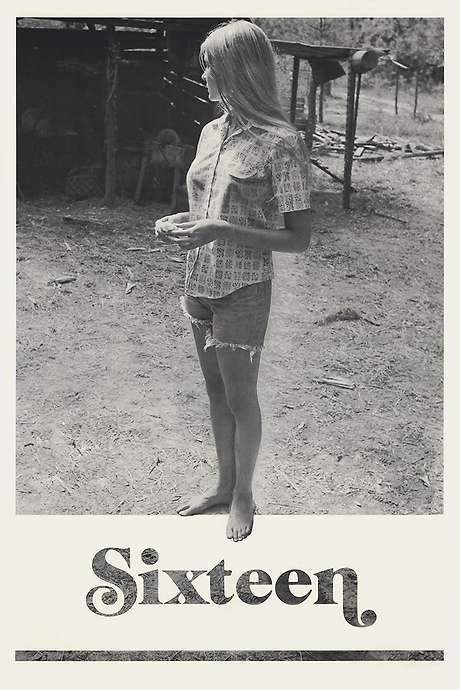
Sweet Sixteen (1983) movie poster

Plot Summary

Sweet Sixteen (1983) Plot Summary Explained

Release, runtime and language
1983 · 90 mins · English
Loading streaming availability…
Directed by
Jim Sotos
Starring
Bo Hopkins, Sharon Farrell, Larry Storch, Glenn Withrow, Dana Kimmell, Steve Antin

Melissa, a beautiful but isolated teenager, moves to a new town and seeks friends. Each boy she dates is found brutally murdered, and as her sixteenth birthday approaches she becomes the prime suspect, being the last person seen with her victims. The film follows the terrifying unraveling of her life and the mystery surrounding the killings.

On this page (6)
  1. 1 Where to watch
  2. 2 What happens: full plot
  3. 3 Plot questions answered
  4. 4 Movie threads
  5. 5 Movies like Sweet Sixteen
  6. 6 Every angle
Loading streaming availability…

Full plot summary · contains spoilers

What Happens in Sweet Sixteen: Full Plot Summary

The whole story of Sweet Sixteen (1983) explained, from the opening scene to the final frame: every key event, every twist and what it all adds up to. Read it as a quick recap before the sequel, to check a scene you missed, or to finally understand what really happened.

In a quiet corner of Texas, trouble lingers just beneath the surface of everyday life. Native American Jason Longshadow [Don Shanks] is taunted by hostile bar patrons, and a tense confrontation flares up before he finally walks away. Not far from him, 15-year-old Melissa Morgan [Aleisa Shirley], newly moved to town and feeling lost, wanders into the same rough edge of the night. Jason warns her that she’s in a troubled part of town and urges caution, a caution that underscores the uneasy mix of curiosity and danger that threads through the story.

The scene shifts to a roadside moment where Johnny Franklin [Glenn Withrow] steps in to help Melissa by offering a ride home, leaving Hank Burke [Steve Antin] to fend for himself as he walks. The drive takes an unsettling turn when Johnny takes Melissa to a remote location, and the two begin to kiss. Melissa, sensing the oddity of their surroundings, asks to return home once Johnny reveals they’re near an Indian burial ground. The air grows heavier as she explains that her father, John Morgan [Patrick Macnee], is an archaeologist supervising a local dig, and that her mother, Joanne Morgan [Susan Strasberg], was raised in the area. Their conversation hints at a history connected to the land and its artifacts, coloring the night with a deeper sense of place.

When Johnny’s truck breaks down on the way back, he begins to walk, only to be brutally stabbed by an unseen assailant. The next morning, Dan Burke, the local sheriff and Hank’s father, receives a call from Billy Franklin [Don Stroud], a troubled and drinking older brother, reporting that Johnny never came home. Dan, joined by Hank and his sister Marci Burke [Dana Kimmell], searches for Johnny and soon discovers his bloodied truck and a chilling scene in the brush: Johnny’s body lies butchered.

Back at school, Dan obtains permission to question Melissa’s guardians about the night’s events. She recounts her encounter with Jason, who has coincidentally been hired to assist on John Morgan’s archeological dig. Dan and John Morgan question Jason, but he maintains that Melissa’s account was innocent. The investigation widens as a new figure enters the frame: Tommy Jackson [Tony Perfit], a boy at school, who soon becomes a focal point in the growing pattern of violence.

As the town reels, Greyfeather [Henry Wilcoxon], an elderly Native man, is found dead in a manner that suggests foul play. Melissa spots him at the scene before a chaotic chain of events marks Tommy’s grisly murder by the same invisible hand. The police arrive, and Melissa’s tentative suspicion shifts toward Greyfeather, but Dan discovers the elder’s death is officially ruled a suicide. His instinct, however, tells a different story, one that hints at the town’s darker undertow and the possibility that local bigots may be involved.

The death sends a ripple of fear through the Morgan family. Marci confronts Melissa, blaming her for Greyfeather’s death, only to feel remorse and later forge a fragile friendship with her. Meanwhile, a separate clash unfolds when John files a police report accusing Jason of stealing knives from the dig—a move that casts suspicion on the young man and complicates the investigation. Dan searches Jason’s home and uncovers a trunk full of blood-stained knives, but the blood isn’t human, which raises questions about Jason’s guilt and sets the stage for a dramatic turn.

Jason escapes from custody and makes his way toward the confrontation brewing among Billy, Jimmy, and the mystery surrounding Greyfeather’s death. The story pivots to a party Joanne hosts to celebrate Melissa’s sixteenth birthday. Hank and Marci attend, while Melissa slips away with Hank for a moment of vulnerability beneath the surface of adolescent curiosity. Nearby, Jimmy [Logan Clarke] and Billy eavesdrop, and a confrontation erupts when Jason shows up and is knocked unconscious in a scuffle. Melissa witnesses the brawl and is violently assaulted by Jimmy and Billy, an assault that shifts the night into darker, more personal territory.

The moment of truth arrives as the killer’s presence becomes horrifyingly undeniable. Hank fights to rescue Melissa, but is knocked out, and Billy is similarly overpowered. Moments later, the unseen attacker strikes again, stabbing Jimmy and Billy to death in a brutal, almost ritualized show of violence that rattles everyone present. Marci’s search leads her into the woods where she finds Jimmy and Billy’s bodies, and she stumbles upon Joanne in a catatonic state, kneeling over Melissa, who lies unconscious near Hank. Joanne, revealed to be Tricia—Joanne’s deceased sister who had committed suicide years earlier after years of abuse—unceremoniously enters the scene, having assumed Joanne’s identity after her death to enact vengeance. Tricia kills herself with a knife as Dan confronts her, leaving the immediate danger resolved, but the emotional and psychological toll lingering in the air.

Paramedics and police converge on the Morgans’ property as the party disperses and the night settles into uneasy quiet. Marci and Hank try to comfort the withdrawn Melissa outside, yet Melissa moves toward the house alone, wrapped in a blanket. She enters with a disturbing calm, revealing a concealed knife and stepping into the house with an ambiguous, chilling resolve that leaves the ending open to interpretation, and to the fears that linger in the wake of such events.

Throughout the narrative, the town’s layers of history—archeological digs, family secrets, and long-held prejudices—collide with the raw, unpredictable violence that erupts at the edges of everyday life. The characters’ paths cross in ways that reveal both the fragility of trust and the persistence of trauma, weaving a tale that is at once intimate and ominous. The film threads together the experiences of families and communities bound by land, memory, and the shadows that refuse to stay buried.

Last updated: October 09, 2025 at 14:49

Was this helpful?

Plot questions answered

Sweet Sixteen Plot Explained: Your Questions Answered

The questions people ask most about Sweet Sixteen (1983): what happens in the confusing scenes, why the characters do what they do, the twists, hidden details and what the ending means. Each answer contains spoilers.

Q1

Who is the real killer behind all the murders

The real killer is Tricia, who has been posing as Melissa's mother Joanne. Tricia is Joanne's deceased sister who faked her own suicide years earlier after suffering from years of abuse. She assumed her sister's identity to get close to Melissa and killed anyone she perceived as a threat or who had wronged her family, including Johnny, Tommy, Greyfeather, Jimmy, and Billy.

Foreshadowing: Earlier scenes show Joanne being overly protective of Melissa and displaying unusual knowledge about the town, hinting at a deeper, more sinister motive.

  • killer
  • tricia
  • joanne
  • murders
  • identity
  • twist
Q2

Why does Tricia assume her sister's identity

Tricia faked her suicide after years of abuse and assumed her sister Joanne's identity to escape her past and start fresh. She took over Joanne's life, married John Morgan, and became Melissa's stepmother. Her motive for killing appears to be protecting what she sees as her family and Exacting revenge on those she holds responsible for past wrongs, particularly targeting anyone who threatens or harms Melissa.

Foreshadowing: The film hints at family trauma through mentions of Joanne's raised in the area and the mysterious circumstances surrounding the original Joanne's death.

  • tricia
  • joanne
  • identity
  • sister
  • abuse
  • impersonation
Q3

Is Jason Longshadow guilty of the murders

No, Jason Longshadow is completely innocent. He was framed by the real killer. John Morgan falsely accused Jason of stealing knives from the archeological dig, and police found a trunk of blood-stained knives at Jason's home. However, the blood was animal blood, not human, proving the knives were not used in the murders. Jason was merely trying to confront the real culprits behind Greyfeather's death.

Foreshadowing: From the beginning, Jason is shown as a protective figure who warns Melissa about danger, not as someone who would harm her.

  • jason
  • innocent
  • framed
  • knives
  • arrest
Q4

What does Melissa's final action with the knife mean

Melissa picks up a hidden knife and walks into the house alone at the end, displaying an unsettling calm. This ambiguous ending suggests Melissa may have been affected by the traumatic events more deeply than initially apparent, or that she could be contemplating violence. The film leaves this intentionally unresolved, keeping with its dark, disturbing tone about the psychological aftermath of trauma and violence.

Foreshadowing: Throughout the film, Melissa is repeatedly placed in dangerous situations with boys, building a pattern that the ending may be subverting or continuing.

  • melissa
  • knife
  • ending
  • ambiguous
  • psychological
Q5

How does Greyfeather really die

Greyfeather's death is officially ruled a suicide, but the film strongly suggests he was murdered by local bigots. Sheriff Dan suspects the racist townspeople killed the elderly Native man after he discovered something about the murders or witnessed something he shouldn't have. The timing of his death, coming shortly after Tommy Jackson's murder near where Greyfeather was found, supports the theory that he was silenced for getting too close to the truth.

Foreshadowing: Earlier scenes establish the town's racist tensions against Jason and reference local prejudice against Native residents.

  • greyfeather
  • death
  • suicide
  • murder
  • native american
Q6

Why does Tricia kill Johnny and the other victims

Tricia kills each victim for different reasons she perceives as justified. Johnny was killed after taking Melissa to the remote burial ground, Tricia saw him as a predator endangering her adoptive daughter. She killed Tommy Jackson for a similar threat. Jimmy and Billy were killed after assaulting Melissa at the birthday party. Greyfeather was likely killed because he witnessed something or was becoming a liability. Tricia sees herself as protecting Melissa and avenging wrongs done to her family.

Foreshadowing: Tricia's violent protective nature is hinted at early when she closely monitors Melissa's activities and relationships.

  • tricia
  • killings
  • motive
  • protection
  • vengeance
Q7

Who frames Jason with the murder weapons

The framing appears to be orchestrated by the real killer, Tricia, though John Morgan's false accusation provides the opportunity. John reports Jason for stealing knives from the dig site, giving police reason to search Jason's home. The blood on the knives is animal blood, which Tricia likely planted to redirect suspicion away from herself and onto Jason, the local Native American who already faces prejudice from the townspeople.

Foreshadowing: John's accusation comes after tensions between Jason and the town escalate, making him a convenient suspect.

  • jason
  • framed
  • knives
  • accusation
  • stealing
Q8

How does Tricia keep her true identity hidden for so long

Tricia maintained her deception by assuming her dead sister's complete identity, her name, appearance, and life. She faked suicide years earlier and returned as Joanne, marrying John Morgan and becoming Melissa's stepmother. The remote Texas town and the passage of time allowed her to live undetected. Her role as a supportive wife and mother provided cover, and no one had reason to question her background until the murders forced scrutiny.

Foreshadowing: The film suggests Joanne knows unusual details about the area and local Native culture, despite claiming to have moved away as a child.

  • tricia
  • identity
  • disguise
  • secret
  • hidden
Q9

What is the significance of the Indian burial ground in the story

The Indian burial ground serves multiple purposes in the narrative. It represents the town's hidden history and the Native American presence that some residents resent. Johnny takes Melissa there, which triggers her discomfort and later becomes justification for Tricia to view him as a threat. The burial ground connects to the archeological dig Jason works on and symbolizes how the town's past, including prejudice and violence, remains just beneath the surface, much like the buried bodies and secrets that later surface.

Foreshadowing: Jason's warning to Melissa about the dangerous area establishes early that this location carries significance and risk.

  • burial ground
  • native american
  • land
  • history
  • archeology
Q10

Why does Tricia attack during Melissa's birthday party

Tricia kills Jimmy and Billy during Melissa's 16th birthday barbecue because they just assaulted Melissa at the lake. After finding Melissa vulnerable and violated, Tricia's protective, and violent, instincts take over. She hunts down and kills both attackers in what appears to be a berserk state of vengeance. The party setting, meant to celebrate Melissa's coming of age, becomes the backdrop for brutal retribution, highlighting the dark contrast between innocence and violence.

Foreshadowing: The birthday celebration represents a milestone Tricia likely wanted to protect, making the assault a violation she cannot ignore.

  • birthday party
  • attack
  • killing
  • jimmy
  • billy
  • assault
Q11

What does it mean that Joanne is found in a catatonic state

When Marci finds Joanne in the woods, she is catatonic, staring blankly and kneeling over Melissa. This is because the real Joanne never recovered from her trauma and truly did die years ago. The woman found is Tricia, who has been living as Joanne. Her catatonic state may be a result of the extreme emotional and physical toll of her killing spree, or perhaps a psychological break after the violence and confrontation with the sheriff.

Foreshadowing: Joanne's behavior throughout the film occasionally seems detached or unusual, hinting at something more complex.

  • joanne
  • catatonic
  • shock
  • psychological
  • breakdown
Q12

How does Tricia die at the end of the film

Tricia kills herself with a knife during the confrontation with Sheriff Dan at the Morgans' property. After her identity is revealed and she is confronted, Tricia takes her own life rather than be arrested or face the consequences of her actions. This echoes the original suicide she faked years earlier, completing a dark circular pattern in her story and leaving unresolved questions about whether she ever truly escaped her trauma.

Foreshadowing: The film establishes that the original Joanne's sister supposedly committed suicide, making her ultimate fate consistent with that history.

  • tricia
  • suicide
  • death
  • knife
  • confrontation

Movie threads

More Movies Like Sweet Sixteen, by Mood & Story

Curated lists built around what makes Sweet Sixteen tick: the same mood, the same kind of story or the same emotional payoff. Each list explains why these movies belong together.

Dark Teenage Thrillers and Turmoil like in Sweet Sixteen

Young protagonists entangled in dark, violent mysteries that test their sanity. If you liked the dark teen turmoil and violent mystery of Sweet Sixteen, explore more movies like it. This list features similar gritty, high-intensity thrillers where young characters face brutal crimes, traumatic secrets, and heavy emotional weight in stories of murder and identity.

  • gritty
  • suspenseful
  • uneasy
  • violent
  • melancholic
  • brutal
  • Tone: dark, unsettling
  • Pacing: steady, building dread
Why these movies?

The story pattern: Stories in this thread typically follow a teenager or group of teens whose lives are shattered by violence, often linked to a dark secret from their past or their new environment. The narrative builds suspicion and dread as the young protagonist becomes increasingly isolated, facing prejudice and danger while the truth about the killings—and their own role—is slowly unveiled.

Why they belong together: Movies are grouped here for their shared focus on adolescent angst magnified by extreme violence and dark tones. They feature steady pacing that builds suspense, high emotional weight centered on traumatic revelation, and an atmosphere of perpetual unease and suspicion around the young main character.

Slasher Mysteries with Small-Town Secrets like in Sweet Sixteen

A close-knit community haunted by a killer and its own dark history. For fans of the small-town slasher mystery in Sweet Sixteen, this list features similar movies. Discover thrillers and murder mysteries where a community's hidden past fuels a violent killing spree, creating an atmosphere of suspense, prejudice, and gritty investigation with heavy emotional impact.

  • suspenseful
  • ominous
  • gritty
  • brutal
  • uneasy
  • violent
  • Tone: dark, suspenseful
  • Pacing: steady, methodical
Why these movies?

The story pattern: The narrative pattern involves a series of gruesome killings that disrupt the superficial peace of a small community. The investigation unveils interconnected secrets—often involving family lineage, historical crimes, or assumed identities—that red herrings and local prejudice obscure. The pacing is steady, methodically revealing clues until a brutal, traumatic revelation ties the present violence to past sins.

Why they belong together: These films share a specific vibe built on the tension between a placid small-town setting and the violent secrets festering within it. They combine the investigative structure of a murder mystery with the high-intensity violence of a slasher, all underscored by themes of prejudice and the inescapability of a traumatic history.

If you liked this

Movies Like Sweet Sixteen

Similar movies to Sweet Sixteen: the same genre, themes or kind of story. Each one comes with its own plot summary, timeline and ending explained.

Browse all movie summaries

Every angle

Sweet Sixteen (1983) Explained: Plot, Timeline & Characters

Everything about Sweet Sixteen in one place: what happens in the plot summary, the timeline in chronological order, the characters and meaning and a spoiler-free summary. What's After the Movie adds the cast, box office and post-credit scenes.

Coming soon on iOS and Android

The Plot Explained Movie Summary App

Plot summaries, endings explained and timelines on your phone. Catch up on any movie in minutes, save your favorites and never miss a twist again.

Be the first to know when we launch. Your email stays private, always.

Learn more about the app