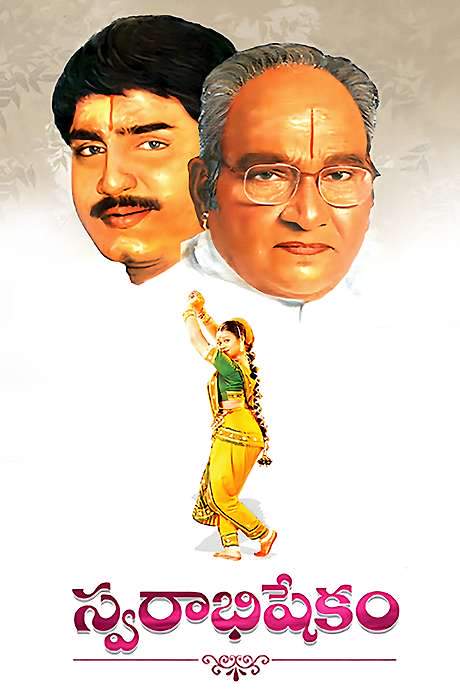
Swarabhishekam
Year: 2004
Runtime: 158 mins
Language: Telugu
Srinivasachari and Ranga, the Srirangam Brothers, are celebrated Carnatic musicians and top Tollywood music directors who focus on classical scores. Married, childless Srinivasachari lives with widower Ranga, who raises two children. They mentor aspiring singers, and TV anchor Surekha falls for Ranga, leading to their marriage.
Warning: spoilers below!
Haven’t seen Swarabhishekam yet? This summary contains major spoilers. Bookmark the page, watch the movie, and come back for the full breakdown. If you're ready, scroll on and relive the story!
Swarabhishekam (2004) – Full Plot Summary & Ending Explained
Read the complete plot breakdown of Swarabhishekam (2004), including all key story events, major twists, and the ending explained in detail. Discover what really happened—and what it all means.
Srirangam Brothers – Srinivasachari and Ranga – are celebrated Carnatic musicians who have carved out a dominant space in Tollywood as traditional and classical music directors. They not only create rich, layered scores but also nurture fresh talent, helping aspiring singers find their footing in a competitive industry. While Srinivasachari enjoys a happy, child-free home life, Ranga carries the weight of being a widower with two children, shaping different personal paths even as the brothers’ musical journeys intertwine. Their partnership is built on a shared reverence for classical forms and a mutual instinct for elevating the artists around them, producing works that honor tradition while reaching broader audiences.
Surekha, a TV anchor, enters their world and falls in love with Ranga, leading to their marriage. At first, she respects her brother-in-law’s artistry and the deep bond the two brothers share in crafting their distinctive sounds. Yet as time passes, an undercurrent of envy begins to surface. She grows increasingly convinced that even though Ranga is a central force behind the duo’s success and contributes equally to the scores, Srinivasachari ends up receiving most of the credit, a recognition dynamic that gnaws at her.
The tension comes into sharp relief when Srinivasachari is awarded the Padmasri by the Government of India. Surekha rejects a saree offered by her sister and makes it clear she does not intend to join the family in attending Srinivasachari’s felicitation by the President. Her hostility deepens as she vents her frustration, directing disrespect toward Srinivasachari and sowing further discord within the household. The strain erupts publicly when Srinivasachari loses his temper during a music sitting, slamming a film producer and the media with accusations and frustration.
When Ranga learns of his brother’s outburst through the film producer, he returns home to a painful scene: he finds his sister-in-law in a tense, volatile moment, slapped by her husband. This event triggers a bitter confrontation between the two brothers and ultimately drives the family apart, fracturing the once-close unit that had thrived on harmony and collaboration. The rift exposes the fragility of pride and the destructive potential of jealousy, even within a family bound by shared art and blood.
Yet in the midst of pain and separation, a transformation begins. Surekha begins to grasp the depth of Srinivasachari’s and Ranga’s musical caliber and the genuine contributions each man makes to their joint works. She comes to understand that the brothers’ brilliance can flourish only when they stay united, recognizing that their distinct strengths complement one another rather than compete. This awakening rekindles a path toward reconciliation, underscoring a timeless lesson: the strongest music—and the strongest family bonds—emerge when ego gives way to collaboration.
As the story moves toward resolution, the once-fractured family starts to heal, guided by a renewed commitment to unity. The film uses the arc of Srirangam Brothers’ music as a parallel for family harmony: when the siblings blend their talents, the melodies become richer, and the relationships that once frayed begin to weave back together. Through patience, humility, and a shared love for their craft, the family finds its way back to each other, and the music they create together reclaims its former brilliance with a new depth. The narrative ultimately celebrates reconciliation, the redemptive power of art, and the idea that true mastery—whether in the concert hall or at home—thrives on united hearts and collaborative spirit.
Last Updated: October 09, 2025 at 15:18

Explore Movie Threads
Discover curated groups of movies connected by mood, themes, and story style. Browse collections built around emotion, atmosphere, and narrative focus to easily find films that match what you feel like watching right now.
Family reconciliation dramas like Swarabhishekam
Stories where artistic passions strain family bonds, ultimately forging a deeper connection.Explore movies like Swarabhishekam where family conflict and professional jealousy create deep rifts, only to be healed through redemptive reconciliation. These films capture the bittersweet journey of fractured bonds mending, often set against a backdrop of artistic or professional collaboration.

Hannah and Her Sisters
1986

Back to Burgundy
2018

Sunshine Cleaning
2009

The Fabelmans
2022

People Like Us
2012

Everybody's Fine
2016

Everything's Going to Be Great
2025

Half Brothers
2015

Changes
1991

Big Girls Don’t Cry… They Get Even
1991

Cousins
1989

A Simple Twist of Fate
1994

Missing Home
2022

The Family Way
1966

Maaman
2025
Narrative Summary
The narrative typically begins with a harmonious family or partnership that is fractured by internal tensions like envy or differing ambitions. The middle acts explore the painful consequences of this split, leading to confrontations that force characters to confront their flaws. The story resolves not with simple victory, but with a hard-won reconciliation that strengthens the original bond.
Why These Movies?
These movies are grouped together because they share a specific emotional trajectory: from unity, through painful discord, to a meaningful and hopeful resolution. They focus on realistic interpersonal drama within families or close partnerships, emphasizing the emotional weight of betrayal and the catharsis of forgiveness.
Movies about artistic collaboration like Swarabhishekam
Dramas exploring how creative partnership fuels both brilliant work and personal tension.If you liked the musical partnership in Swarabhishekam, discover other films about artistic collaboration. These dramas explore the dynamics between creative partners, blending themes of professional excellence with the personal strife and jealousy that often accompanies great art.

The Company
2003

Art School Confidential
2006

High Art
1998

Surviving Picasso
1996

Words and Pictures
2014

Anatomy of Love
2015

Method
2017

Red Carpet
2014

Love, Lies
2016
Swarabhishekam
2004

The Competition
1980

Impromptu
1991

The Story of Gilbert and Sullivan
1953

Tick Tick Boom
2009

Everybody Does It
2022
Narrative Summary
The plot revolves around a celebrated creative partnership—be it musicians, writers, painters, or performers. The narrative explores the balance between their shared artistic vision and their individual egos, often using their collaborative work as a mirror for their personal relationship. Conflict arises from professional jealousy or differing ambitions, threatening to destroy both their art and their bond.
Why These Movies?
These films are united by their focus on the intricate relationship between art and the artist's personal life. They share a mood that is both harmonious, due to the creative process, and tense, due to the interpersonal friction. The pacing is often steady, allowing for a deep exploration of character dynamics within a specific artistic world.
Unlock the Full Story of Swarabhishekam
Don't stop at just watching — explore Swarabhishekam in full detail. From the complete plot summary and scene-by-scene timeline to character breakdowns, thematic analysis, and a deep dive into the ending — every page helps you truly understand what Swarabhishekam is all about. Plus, discover what's next after the movie.
Swarabhishekam Timeline
Track the full timeline of Swarabhishekam with every major event arranged chronologically. Perfect for decoding non-linear storytelling, flashbacks, or parallel narratives with a clear scene-by-scene breakdown.

Characters, Settings & Themes in Swarabhishekam
Discover the characters, locations, and core themes that shape Swarabhishekam. Get insights into symbolic elements, setting significance, and deeper narrative meaning — ideal for thematic analysis and movie breakdowns.