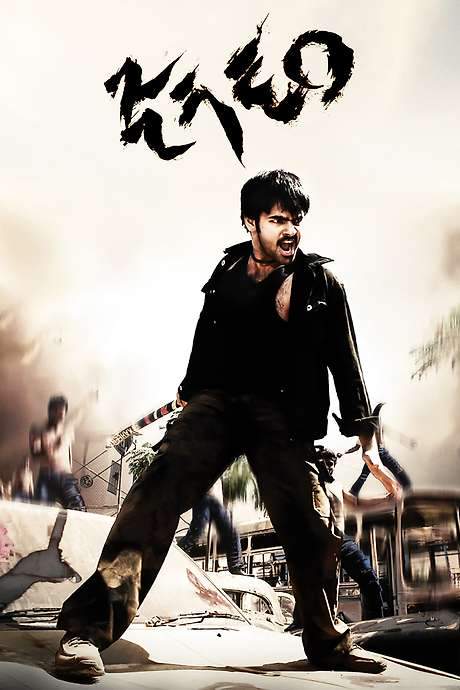
In a world where the thin veneer of law is constantly shredded by corrupt politics, a young man whose dream of donning a police badge is shattered chooses a far darker uniform. Kalicharan—once a diligent trainee with a keen sense of justice—finds the official channels poisoned beyond redemption. Refusing to let the system’s rot dictate the fate of the streets he once vowed to protect, he steps into the shadows, wielding his training as a weapon against the very chaos that denied him a rightful place within it.
The city’s bustling streets become his courtroom, its back‑alleys the arenas where he metes out a solitary brand of retribution. With every move, Kalicharan balances the precision of a lawman against the ruthlessness of an outlaw, crafting a reputation that straddles myth and menace. The tone is gritty and relentless, a perpetual dance between order and anarchy, where the protagonist’s internal code is the only compass left uncorrupted.
Amidst this grim ballet, Asha emerges as a quiet catalyst, her empathy and subtle assistance giving shape to the hero’s more humane impulses. She sees beyond the hardened exterior, recognizing the lingering ideals that still flicker within him. Overhead, the lingering influence of Naagamani—a figure whose loss to the city’s violence underscores the personal cost of the fight—adds a somber weight to the narrative, reminding both protagonist and audience that the line between protector and avenger is perilously thin.
The film thrives on a moody, atmospheric palette, where rain‑slick streets and dimly lit warehouses echo with the unspoken promise of justice served on one’s own terms. It invites viewers to wonder how far a man will go when the institutions meant to uphold the law become its greatest adversary, and whether the shadows he walks in can ever lead back to the light.