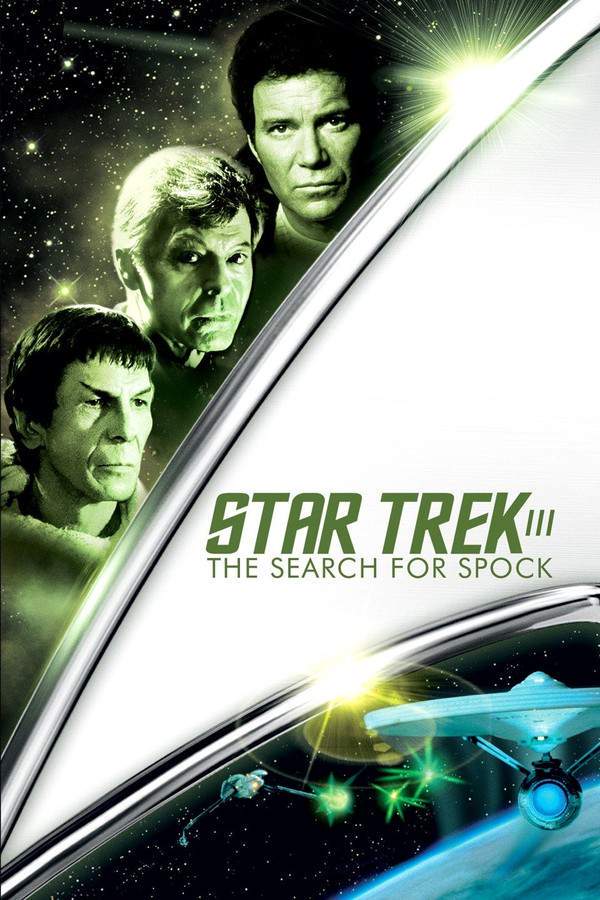
Following the events of Star Trek II: The Wrath of Khan, Admiral James T. Kirk struggles with the loss of his friend Spock. The Enterprise is slated for decommissioning, and Dr. McCoy's grief manifests in unusual ways. Determined to find a way to restore Spock, Kirk leads a mission to the Genesis Planet, where Spock's essence resides. When their efforts are denied, Kirk defies orders, resulting in a confrontation with the Klingons and a potential interstellar war.
Find where to stream, rent, or buy Star Trek III: The Search for Spock (1984) in the US with current JustWatch availability, up-to-date pricing, and platform listings for subscription, rental, and digital purchase options.
Warning: spoilers below!
Haven’t seen Star Trek III: The Search for Spock yet? This summary contains major spoilers. Bookmark the page, watch the movie, and come back for the full breakdown. If you're ready, scroll on and relive the story!
Trace every key event in Star Trek III: The Search for Spock (1984) with our detailed, chronological timeline. Perfect for unpacking nonlinear stories, spotting hidden connections, and understanding how each scene builds toward the film’s climax. Whether you're revisiting or decoding for the first time, this timeline gives you the full picture.
Last updated: October 28, 2024 at 08:35
Find frequently asked questions about the Star Trek III: The Search for Spock (1984) timeline, including chronological order, nonlinear jumps, cause-and-effect links, and scene sequence clarifications. This timeline FAQ helps explain when key events happen, how moments connect, and why the story unfolds in that specific order.
Kirk steals the Enterprise because Spock's father Sarek reveals that before Spock died, he transferred his Katra (Vulcan spirit) to Dr. McCoy. Without the Fal-Tor-Pan ceremony on Vulcan to separate the Katra from McCoy, McCoy will die. Additionally, Spock's body remains on the Genesis Planet. Kirk defies Starfleet orders to rescue both McCoy and Spock's remains before it's too late.
Earlier in the film, McCoy's strange behavior and detention hint at something being transferred to him.
The Katra is the Vulcan soul or spirit. Before Spock died saving the Enterprise, he transferred his Katra into Dr. McCoy. This is a traditional Vulcan practice done in the presence of a witness. Because McCoy is human, carrying a Vulcan Katra causes him pain and strange behavior. To save McCoy's life and properly honor Spock, the Katra must be reunited with Spock's body through the Fal-Tor-Pan ceremony on Vulcan.
McCoy's unusual behavior after Spock's death directly results from carrying Spock's Katra.
Spock returns as a child because David Marcus used unstable "proto-matter" in the Genesis Device. While Genesis was designed to create life-supporting worlds, the proto-matter caused accelerated and irregular growth. Instead of an adult Spock, the Genesis Planet produced a child version of Spock. His mind was also not fully developed, leaving him without his adult memories and consciousness.
The discovery of life on Genesis surprises the crew, but the rapid aging and instability hint at problems with David's creation.
Fal-Tor-Pan is an ancient Vulcan ritual that reunites a person's Katra with their body. This dangerous ceremony is performed by Vulcan priests and requires both the person whose Katra is being transferred and the one carrying it. The ritual extracts the Katra from McCoy and returns it to Spock's body on Vulcan, effectively bringing Spock back to life with his full consciousness and memories intact.
Sarek mentions this ceremony early in the film as the only way to save McCoy and properly lay Spock to rest.
David Marcus dies protecting Spock and Saavik from Kruge. When the Klingons capture them on Genesis, Kruge threatens to kill them unless Kirk reveals information about the Enterprise. David tries to shield Spock and Saavik from harm and is fatally stabbed by a Klingon. His death is a tragic sacrifice as he uses his own body to protect the vulnerable child Spock and Saavik.
David's guilt about using proto-matter in Genesis foreshadows his need to atone for his actions.
Kirk orders the Enterprise's self-destruct sequence as a tactical move to eliminate the Klingon boarding party. The Klingons have beamed onto the Enterprise to capture it, but Kirk triggers the self-destruct while simultaneously beaming his crew off the ship. The Klingons are caught on board and killed when the ship explodes. This sacrifice allows Kirk to outsmart Kruge and ultimately take control of the Klingon ship.
Earlier, Scotty mentions the Enterprise has a self-destruct system, hinting it may be needed.
Commander Kruge wants the Genesis Device because it can be used as a superweapon. The device can instantly create a habitable planet from any matter, but it can also destroy entire worlds. Kruge sees Genesis as a way to give the Klingon Empire a devastating strategic advantage over the Federation. He destroys the Grissom to prevent the Federation from retrieving the technology and plans to take it for himself.
Kruge's early interest in intercepted communications about Genesis sets the conflict in motion.
During the confrontation with Khan, Spock performs a mind-meld with McCoy. In that moment, as he dies, Spock deliberately transfers his Katra into McCoy's mind. This is a traditional Vulcan technique where one can transfer consciousness to another being. McCoy, being a doctor who treated Spock, was the person present at Spock's side, making him the vessel for Spock's spirit.
The emotional scene of Spock's death includes the iconic line about the needs of the one outweighing the many.
McCoy behaves strangely because he is carrying Spock's Katra, the Vulcan spirit. The presence of a foreign Katra in a human mind causes disorientation, memory gaps, and erratic behavior. Starfleet medical officers detain him because they cannot explain his symptoms. His strange comments and actions are actually remnants of Spock's memories and consciousness trying to communicate through McCoy.
McCoy's odd behavior begins immediately after Spock's death, making the connection clear.
The Genesis Planet collapses because David Marcus used unstable proto-matter in the Genesis Device. While the device successfully created a new world and even resurrected Spock, the proto-matter was fundamentally flawed. The planet's matter becomes unstable and begins to disintegrate within hours of its creation, forcing Kirk and the crew to hurry before the planet and everyone on it are destroyed.
David confesses early in the exploration that he added proto-matter to Genesis, knowing it was unstable.
Kirk battles Kruge to rescue Spock and complete the mission. After Kruge takes Spock, Saavik, and David hostage on Genesis, Kirk uses a ruse, offering to share Genesis technology, to lure Kruge back to the planet. When Kruge beams down, Kirk fights him directly. Kirk kills Kruge in hand-to-hand combat, causing the Klingon's ship to lose cohesion and allowing Kirk to take control, freeing Spock in the process.
The film's tension builds toward this confrontation between the two leaders.
Starfleet refuses to authorize a rescue mission for two reasons. First, the Enterprise is being decommissioned and the crew is being dispersed, so a formal mission isn't feasible. Second, the Genesis Device has become politically sensitive, its potential as a weapon makes it controversial, and Starfleet doesn't want to draw attention to it or risk a confrontation with the Klingons. Admiral Morrow explicitly orders the crew not to pursue Spock or Genesis.
The decommissioning news and orders against discussing Genesis establish the political obstacles early.
Discover curated groups of movies connected by mood, themes, and story style. Browse collections built around emotion, atmosphere, and narrative focus to easily find films that match what you feel like watching right now.
A loyal team defies their own command for a morally imperative goal.Find movies like Star Trek III: The Search for Spock where a dedicated team disobeys orders for a cause. These sci-fi and action dramas feature high-stakes missions, themes of loyalty versus duty, and crews who become fugitives for what they believe is right.
Narratives in this thread typically begin with a team facing an unjust order or an unmet moral obligation. The central conflict involves the decision to break ranks, leading to a high-paced chase or mission where the team must rely on each other and their wits against a larger, opposing force, often their former allies.
Movies are grouped here for their shared focus on team loyalty, moral defiance, and the high-intensity tension of operating outside the law. They share a specific plot structure of a crew-on-a-rogue-mission and a tone that balances urgent action with heavy emotional stakes.
A protagonist's profound loss fuels a desperate, high-stakes journey for redemption.If you liked the emotional core of Star Trek III: The Search for Spock, explore movies about heroes driven by grief. These dramatic adventures and thrillers feature heavy emotional weight, themes of sacrifice, and bittersweet conclusions to perilous missions born from loss.
The narrative pattern follows a character in the immediate aftermath of a traumatic loss. Their grief manifests as a singular, often ill-advised, goal to undo the loss or achieve a symbolic victory. The journey is as much an internal processing of pain as it is an external conflict, culminating in a resolution that offers healing but rarely erases the scars.
These movies share a core emotional engine: using a character's deep grief as the primary motivation for the plot. They are united by a heavy emotional weight, a tense tone arising from desperate circumstances, and endings that are bittersweet, acknowledging the cost of the quest.
Don't stop at just watching - explore Star Trek III: The Search for Spock in full detail. From the complete plot summary and scene-by-scene timeline to character breakdowns, thematic analysis, and a deep dive into the ending - every page helps you truly understand what Star Trek III: The Search for Spock is all about. Plus, discover what's next after the movie.
Read a complete plot summary of Star Trek III: The Search for Spock, including all key story points, character arcs, and turning points. This in-depth recap is ideal for understanding the narrative structure or reviewing what happened in the movie.
Discover the characters, locations, and core themes that shape Star Trek III: The Search for Spock. Get insights into symbolic elements, setting significance, and deeper narrative meaning - ideal for thematic analysis and movie breakdowns.
Discover movies like Star Trek III: The Search for Spock that share similar genres, themes, and storytelling elements. Whether you’re drawn to the atmosphere, character arcs, or plot structure, these curated recommendations will help you explore more films you’ll love.
Star Trek III: The Search for Spock (1984) Plot Summary & Movie Recap
Star Trek III: The Search for Spock (1984) Scene-by-Scene Movie Timeline
Star Trek III: The Search for Spock (1984) Spoiler-Free Summary & Key Flow
Movies Like Star Trek III: The Search for Spock – Similar Titles You’ll Enjoy
Star Trek Beyond (2016) Movie Recap & Themes
Star Trek Into Darkness (2013) Detailed Story Recap
Star Trek (2009) Ending Explained & Film Insights
Star Trek: First Contact (1996) Full Movie Breakdown
Star Trek IV: The Voyage Home (1986) Plot Summary & Ending Explained
Star Trek: The Motion Picture (1979) Movie Recap & Themes
Star Trek: Insurrection (1998) Film Overview & Timeline
Star Trek VI: The Undiscovered Country (1991) Film Overview & Timeline
Star Trek: Generations (1994) Spoiler-Packed Plot Recap
Star Trek: Nemesis (2002) Full Summary & Key Details
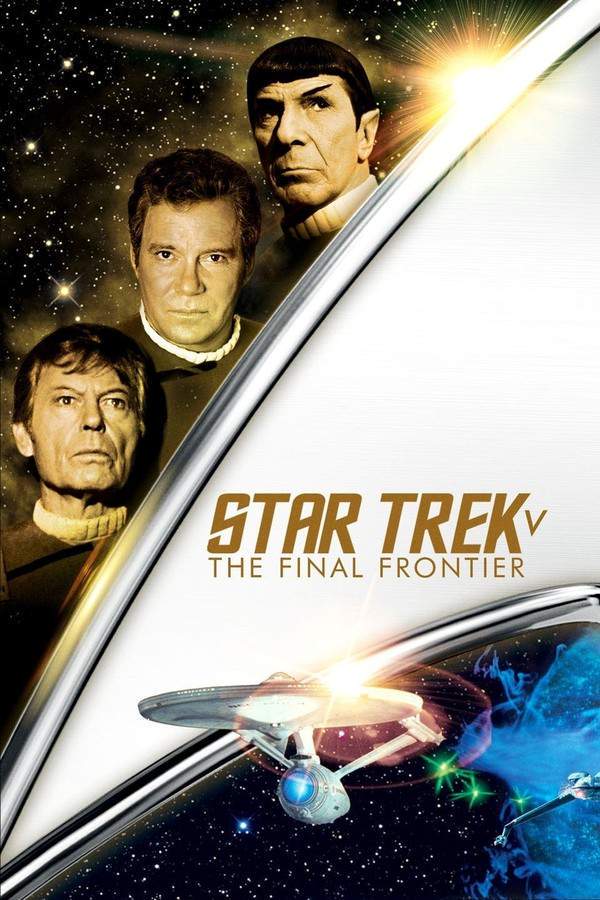
Star Trek V: The Final Frontier (1989) Full Summary & Key Details
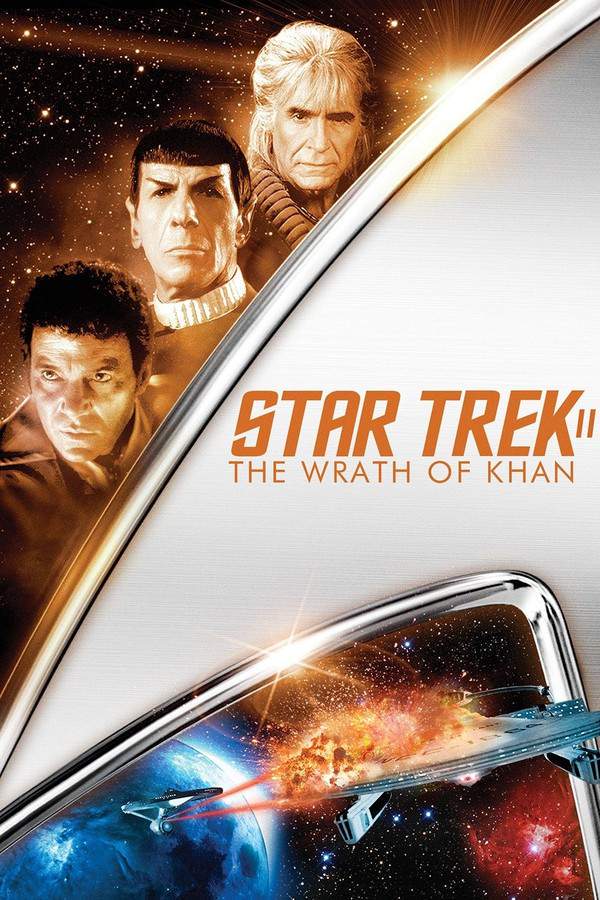
Star Trek II: The Wrath of Khan (1982) Plot Summary & Ending Explained
Star Trek: Of Gods and Men (2007) Spoiler-Packed Plot Recap
Star Trek: The Next Generation - Unification (1991) Film Overview & Timeline
Star Trek: The Menagerie (1966) Ending Explained & Film Insights