Plot Explained Spoilers guaranteed!
Plot Explained

Browse by genre

Split (2017) movie poster

Timeline

Split (2017) Timeline Explained – Every Event in Order

Release, runtime and language
2017 · 117 min · English
Loading streaming availability…
Directed by
M. Night Shyamalan
Starring
Anya Taylor-Joy, Haley Lu Richardson, Betty Buckley, James McAvoy, Jessica Sula
Budget
$9M

Kevin, a man with 23 distinct personalities under the care of Dr. Fletcher, finds himself harboring a dangerous, previously unknown persona. When Casey and her friends arrive, Kevin's carefully constructed stability begins to unravel, triggering a terrifying escalation of psychological turmoil. As his personalities clash and merge, the situation spirals out of control, endangering everyone nearby and pushing the boundaries of his own fractured mind.

On this page (6)
  1. 1 Where to watch
  2. 2 Events in order (15)
  3. 3 Timeline questions answered
  4. 4 Movie threads
  5. 5 Movies like Split
  6. 6 Every angle
Loading streaming availability…

15 events in order · contains spoilers

Split Timeline: Events in Chronological Order

Every key event of Split (2017) in order, scene by scene, with when and where it takes place. Use it to untangle flashbacks, time jumps and parallel storylines, to refresh your memory before the sequel or to find the exact scene you are thinking of.

  1. Claire's Birthday Party Begins

    The day starts with Claire's birthday party, where friends are gathered to celebrate. Tensions arise as Casey is unenthusiastically invited, setting an awkward tone for the festivities.

  2. Awkward Reunion

    During the party, Claire recounts Casey's struggles at school to her father, revealing the difficulties in their friendship. Their interactions suggest a sense of obligation rather than true camaraderie.

  3. Unexpected Encounter

    As Claire and Casey prepare to leave, Kevin unexpectedly intrudes into their car. His sudden appearance twists the narrative, thrusting the girls into a perilous situation.

  4. Capture and Confinement

    Kevin renders Claire and Casey unconscious, awakening them trapped in a stark room alongside Marcia. Their disorientation quickly transforms into a shared panic as they realize the severity of their predicament.

  5. Tension Among Captives

    Within their confinement, Marcia's pleas for help exemplify the girls' distress. While Claire insists on unity, Casey remains eerily composed, urging a strategic approach to their escape.

  6. Childhood Memories

    In a narrative flashback, Casey recalls her childhood, learning survival skills from her father and Uncle John. This contrasting memory provides insight into Casey's resilient spirit amidst the turmoil.

  7. Dr. Karen Fletcher Investigates

    Dr. Karen Fletcher, intrigued by the severity of the girls' disappearance, begins to uncover the complexities of Kevin's disordered psyche. Her investigations delve deeper, particularly focusing on an email from one of Kevin's personalities, Barry.

  8. Encounter with Patricia

    The girls meet Patricia, one of Kevin's personalities, who initially seems benevolent. Her presence, however, carries a hidden danger as she outlines terrifying rules they must follow.

  9. Understanding Dissociative Identity Disorder

    During a video call, Dr. Karen highlights the intricacies of dissociative identity disorder. She discusses Kevin's multiple identities and how they coexist, shedding light on the fractured nature of his mental state.

  10. Hedwig's Childlike Nature

    Another persona, Hedwig, emerges, showcasing a childlike demeanor. Casey attempts to manipulate Hedwig's innocence to gather information and seek a way to escape their dire situation.

  11. Claire's Attempt to Escape

    Just when Claire finds a potential escape route, Kevin’s aggressive persona, Dennis, intervenes. This moment encapsulates the tension between desire for freedom and the suffocating reality of their captivity.

  12. Surveillance Analysis

    Dr. Karen and her assistant meticulously review surveillance footage revealing hints of Kevin's manipulative tendencies. The footage provides critical insights into the threats looming over the girls' ability to escape.

  13. The Emergence of The Beast

    As the situation escalates, Casey is faced with The Beast, a monstrous manifestation of Kevin's internal struggles. This confrontation symbolizes the culmination of Kevin's fractured identities and poses the greatest threat to the girls.

  14. Realization of Friends' Fates

    In a harrowing moment, Casey confronts the grotesque reality of Claire and Marcia's potential fates. This awakening heightens the stakes as she navigates her precarious position in the dreadful game of survival.

  15. Final Struggle and Escape

    In the gripping finale, Casey invokes Kevin's true identity, revealing the complexities of their intertwined destinies. The chaotic struggle against The Beast culminates in her fraught negotiation for survival, leaving lasting scars on her existence.

Last updated: October 24, 2024 at 07:39

Was this helpful?

Timeline questions answered

Split Timeline Explained: Your Questions Answered

When does it happen, and why in that order? The questions people ask about the chronology of Split (2017): time jumps, flashbacks, cause and effect between scenes and the correct order of events, each answered with spoilers.

Q1

Why does Kevin capture Casey, Claire, and Marcia?

Kevin captures the girls because one of his personalities, specifically the more aggressive ones, views them as offerings or targets. The capture is driven by the disordered nature of his dissociative identity disorder, where different personalities have conflicting desires and motivations. Kevin himself does not consciously choose to kidnap anyone, instead, personalities like Dennis and eventually The Beast take control and carry out the abduction.

Foreshadowing: Earlier in the film, Dr. Fletcher notes that Kevin's personalities can act independently without his conscious awareness, hinting at the dangerous actions some would take.

  • kevin crumb
  • dissociative identity disorder
  • kidnapping
  • captivity
  • motivation
Q2

What is The Beast and how does it emerge?

The Beast is a monstrous, previously unknown 24th personality that emerges when Kevin's identities begin to merge under extreme stress. Dr. Fletcher explains that personalities can 'blur' together, and The Beast represents the ultimate fusion of Kevin's most dangerous alters, combining physical strength, predatory instincts, and a belief that it is divine or superior. The Beast emerges as the climax approaches, physically transforming Kevin into a powerful, beast-like creature.

Foreshadowing: Dr. Fletcher discusses the phenomenon of personalities merging and mentions the possibility of a 'self-harm' identity emerging, foreshadowing The Beast's violent manifestation.

  • the beast
  • personality merge
  • 24th identity
  • monster
  • transformation
Q3

Why does Casey survive when Claire and Marcia die?

Casey survives because she recognizes Kevin's humanity rather than treating him as purely monstrous. When confronted by The Beast, Casey invokes Kevin's true identity, 'Kevin Wendell Crumb', and points out his vulnerability and pain. This acknowledgment of his fractured humanity creates a connection that stops The Beast from killing her. In contrast, Claire and Marcia did not establish this psychological bond and became victims of The Beast's violence.

Foreshadowing: Casey's childhood training with her father in survival skills, particularly learning to read people and situations, prepares her to recognize Kevin's vulnerability as her best chance at survival.

  • casey cook
  • survival
  • claire
  • marcia
  • escape
  • kevin wendell crumb
Q4

What is the "light" that Dr. Fletcher discusses?

The light is a phenomenon Dr. Fletcher describes where a personality can will itself to change its physical state, specifically, altering bodily functions like reducing heart rate or tolerating extreme conditions. She explains this as a demonstration of the mind's power over the body within dissociative identity disorder. This concept becomes relevant as Kevin's personalities push the boundaries of what their bodies can physically endure.

Foreshadowing: Dr. Fletcher mentions this phenomenon during her video call discussion of DID, establishing the supernatural-like abilities Kevin's personalities possess.

  • dr karen fletcher
  • dissociative identity disorder
  • mind body connection
  • phenomenon
Q5

Why does the film show Casey's childhood memories?

The childhood flashbacks serve to explain Casey's resilience and survival instincts during captivity. The scenes show her learning hunting and survival skills from her father and Uncle John, including how to read situations and wait for the right moment to act. These memories contrast sharply with the horrors she faces as an adult, demonstrating that her ability to remain calm and strategize under pressure stems from her traumatic past.

Foreshadowing: Uncle John's hunting stories and her father's survival training directly foreshadow Casey's strategic thinking when she manipulates Hedwig to find an escape route.

  • casey childhood
  • flashback
  • survival skills
  • father
  • uncle john
  • trauma
Q6

Why does Kevin switch between different personalities?

Kevin switches between his 23 personalities as a coping mechanism for childhood trauma. Each identity developed to handle different situations or emotions, a protective measure from his abusive mother. The switching is triggered by environmental cues, stress, or emotional triggers. Different personalities emerge depending on what Kevin's fractured mind perceives as necessary: Patricia for calm situations, Dennis for control, Hedwig for vulnerability, and so on.

Foreshadowing: Dr. Fletcher explains that Kevin's personalities formed due to severe childhood abuse, with each alter created to handle specific traumatic memories.

  • kevin personalities
  • switching
  • dissociative identity disorder
  • barry
  • dennis
  • patricia
  • hedwig
Q7

What is Dr. Karen Fletcher's connection to Kevin?

Dr. Karen Fletcher is Kevin's therapist who specializes in dissociative identity disorder. She has been treating Kevin for years and is familiar with many of his personalities, particularly Barry, who was the primary communicating identity. Unbeknownst to her, Kevin hides dangerous personalities from her treatment. She becomes suspicious when she notices changes in Kevin's behavior and begins investigating the missing girls, ultimately discovering the surveillance footage that reveals his involvement.

Foreshadowing: Barry's email to Dr. Fletcher about needing 'more time' hints at Kevin's deception, as Barry is unaware of the darker personalities.

  • dr karen fletcher
  • therapist
  • treatment
  • barry
  • surveillance
Q8

What does the ending reference to "Mr. Glass" mean?

The reference to "Mr. Glass" is a direct connection to M. Night Shyamalan's earlier film "Unbreakable" (2000), where Samuel L. Jackson's character Elijah Price is known as Mr. Glass. This reference confirms that "Split" exists in the same universe as "Unbreakable," suggesting Kevin Crumb may eventually encounter or be connected to the character David Dunn. The reference appears in the closing scenes, establishing a shared cinematic universe.

Foreshadowing: The post-credits scene reveals the connection, linking Kevin's story to the larger narrative of individuals with extraordinary abilities.

  • mr glass
  • unbreakable
  • universe
  • connection
  • ending
  • post credits
Q9

Why does Casey call Kevin "Kevin Wendell Crumb"?

Casey invokes Kevin's full birth name 'Kevin Wendell Crumb' during the final confrontation to reach the original identity buried beneath his personalities. By addressing him by his true name, she appeals to the core Kevin who exists behind the fractured alters. This psychological tactic disrupts The Beast's dominance by forcing a confrontation with Kevin's suppressed humanity, ultimately saving her life.

Foreshadowing: Throughout the film, different personalities refer to Kevin by various names, but only his true identity holds power over The Beast.

  • kevin wendell crumbles
  • identity
  • true self
  • confrontation
  • beast
Q10

How many personalities does Kevin have in Split?

Kevin has 23 distinct personalities that Dr. Fletcher is aware of, each with different names, accents, and behavioral traits. These include Barry (the communicator), Dennis (the aggressive controller), Patricia (the calm enforcer), Hedwig (the child), and many others. However, The Beast emerges as an unexpected 24th personality that neither Kevin nor Dr. Fletcher knew existed.

Foreshadowing: Dr. Fletcher mentions Kevin has 23 personalities, but the film reveals The Beast as a hidden 24th identity that represents a dangerous merging of all his alters.

  • 23 personalities
  • 24th personality
  • alters
  • identities
  • barry
  • dennis
  • patricia
  • hedwig
Q11

Why is Casey at Claire's birthday party if they're not friends?

Casey is reluctantly invited to Claire's birthday party out of obligation rather than genuine friendship. The film establishes that their friendship exists primarily because Claire's father feels sorry for Casey, who has a troubled home life. Claire recounts Casey's school troubles to her father, revealing the superficial nature of their relationship. This dynamic sets up the awkward atmosphere before Kevin's attack.

Foreshadowing: The strained friendship between Casey and Claire foreshadows how their different responses to captivity, Claire's desperation versus Casey's strategic calm, ultimately determine their fates.

  • claire birthday party
  • casey
  • invitation
  • friendship
  • awkward

Movie threads

More Movies Like Split, by Mood & Story

Curated lists built around what makes Split tick: the same mood, the same kind of story or the same emotional payoff. Each list explains why these movies belong together.

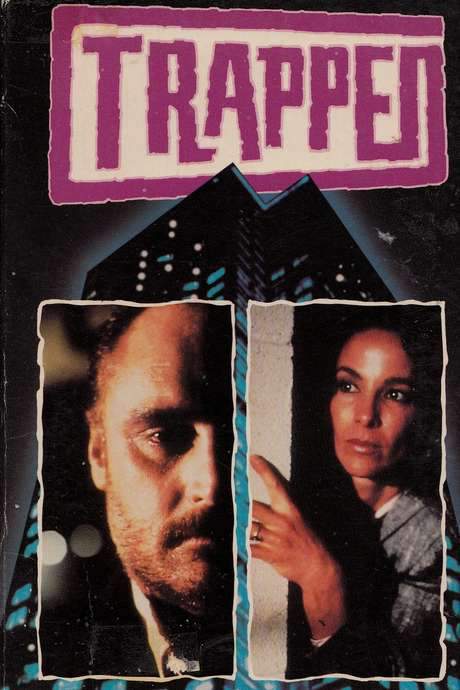
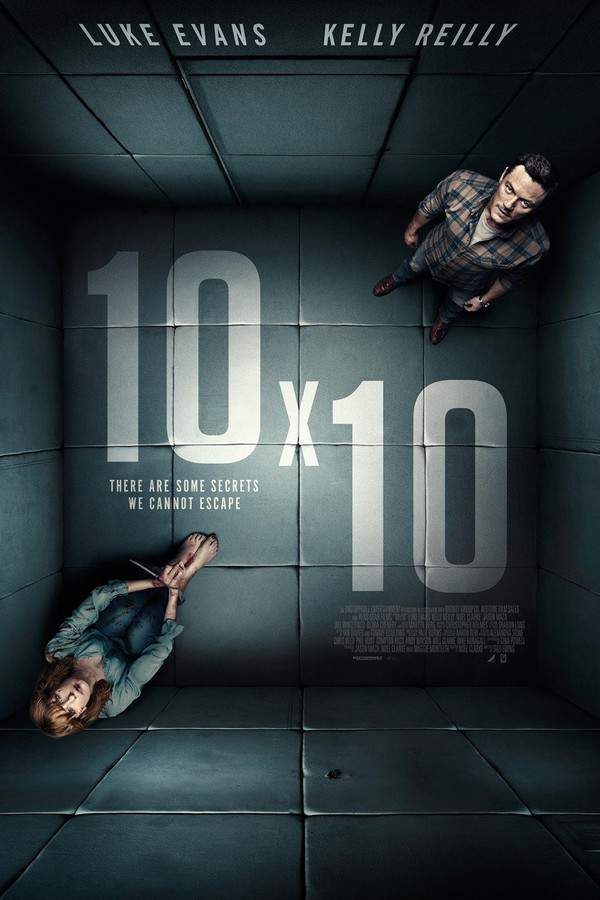
Claustrophobic survival thrillers like Split

Stories of ordinary people held captive by a menacing and unstable threat. If you liked the tense captivity and psychological terror of Split, explore more movies like it. This list features similar films where characters fight for survival against a dangerous captor in oppressive, confined settings, creating a gripping and anxious viewing experience.

  • claustrophobic
  • anxious
  • unnerving
  • trapped
  • survival
  • psychological dread
  • Tone: tense, unnerving, oppressive
  • Pacing: steady, methodical buildup
Why these movies?

The story pattern: These narratives typically begin with a sudden act of entrapment, stripping characters of their freedom and safety. The plot revolves around outwitting a captor whose motives or sanity are questionable. The confined setting becomes a character itself, amplifying the psychological pressure and forcing characters to rely on their wits under extreme duress.

Why they belong together: Movies in this thread share a core experience of intense psychological and physical confinement. They are grouped by their oppressive atmosphere, the tension derived from a power imbalance between captor and captive, and the central theme of survival against a deeply unsettling threat.
Fractured mind psychological horror movies like Split

Horror that emerges from the terrifying potential of a broken mind. For viewers who enjoyed the exploration of dissociative identity disorder and psychological turmoil in Split. Discover similar horror and thriller films where the narrative is driven by a character's fractured mental state, creating stories that are deeply unnerving and psychologically complex.

  • psychological
  • unnerving
  • fractured psyche
  • trauma
  • unreliable
  • dread
  • Tone: unsettling, psychological, heavy
  • Pacing: steady, character-focused
Why these movies?

The story pattern: The narrative often follows a central character whose perception of reality is unreliable, forcing the audience to piece together the truth. The story delves into the origins of the trauma that fractured the mind, building sympathy and terror simultaneously. The climax typically involves the emergence of a dangerous persona or the complete collapse of the individual's mental defenses.

Why they belong together: These films are connected by their central theme of psychological fragmentation as the source of horror. They share a heavy emotional weight, a focus on internal chaos, and a tone that is deeply unsettling as they explore the dark corners of human psychology and trauma.

If you liked this

Movies Like Split

Similar movies to Split: the same genre, themes or kind of story. Each one comes with its own plot summary, timeline and ending explained.

Browse all movie summaries

Every angle

Split (2017) Explained: Plot, Ending, Timeline & Characters

Everything about Split in one place: what happens in the plot summary, the timeline in chronological order, the characters and meaning, the ending explained and a spoiler-free summary. What's After the Movie adds the cast, box office and post-credit scenes.

Coming soon on iOS and Android

The Plot Explained Movie Summary App

Plot summaries, endings explained and timelines on your phone. Catch up on any movie in minutes, save your favorites and never miss a twist again.

Be the first to know when we launch. Your email stays private, always.

Learn more about the app