








Plot Explained Spoilers guaranteed!
Plot Explained

Browse by genre

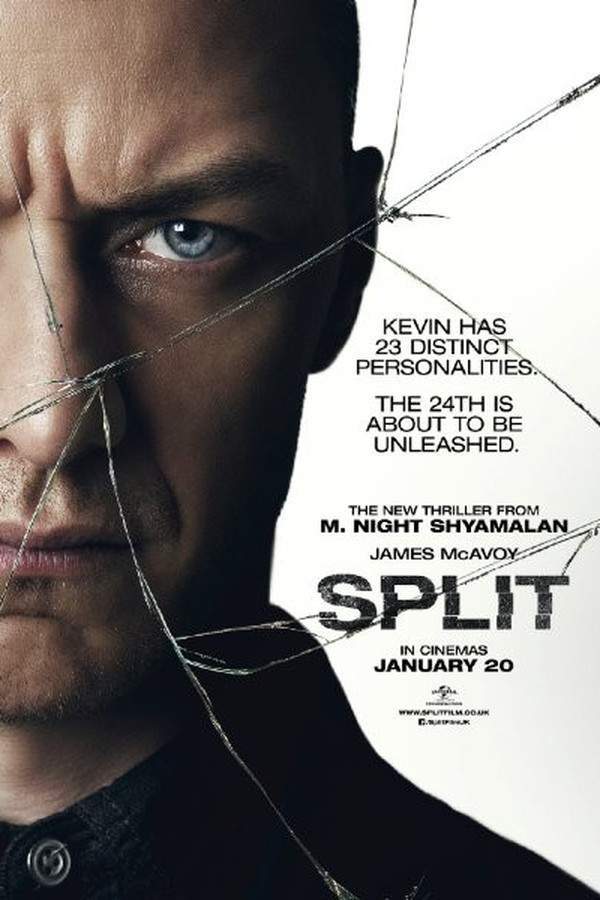
Split (2017) movie poster

Characters & Themes

Split (2017) Characters, Setting & Themes Explained

Release, runtime and language
2017 · 117 min · English
JustWatch #577 239
Directed by
M. Night Shyamalan
Starring
Anya Taylor-Joy, Haley Lu Richardson, Betty Buckley, James McAvoy, Jessica Sula
Budget
$9M

Kevin, a man with 23 distinct personalities under the care of Dr. Fletcher, finds himself harboring a dangerous, previously unknown persona. When Casey and her friends arrive, Kevin's carefully constructed stability begins to unravel, triggering a terrifying escalation of psychological turmoil. As his personalities clash and merge, the situation spirals out of control, endangering everyone nearby and pushing the boundaries of his own fractured mind.

On this page (8)
  1. 1 Where to watch
  2. 2 Characters explained (6)
  3. 3 Where & when it takes place
  4. 4 Themes & meaning (3)
  5. 5 Character & meaning questions
  6. 6 Movie threads
  7. 7 Movies like Split
  8. 8 Every angle

Where to watch

Where to Watch Split (2017)

Where can you watch Split? Stream, rent or buy it in the US, including on Netflix, Netflix Standard and YouTube Free: current JustWatch availability with up-to-date prices.

Streaming availability powered by JustWatch

6 main characters · contains spoilers

Split Characters Explained: Who Is Who

The main characters of Split (2017), heroes and villains: what drives them, how they change over the course of the story and what each of them reveals about the film's bigger ideas.

  • Casey

    played by Haley Lu Richardson

    Casey is a resilient character who approaches her dire situation with a strategic mindset. Despite the trauma she faces, she maintains a calm demeanor, utilizing her past survival skills to navigate the chaos. Her journey highlights courage and the strength to confront fear, making her a central figure in the struggle against Kevin.

    • 🛡️ Resilience
    • 🔍 Strategy
    • 🌪️ Survival
  • Claire

    played by Haley Lu Richardson

    Claire is portrayed as a somewhat superficial character whose friendship with Casey seems dictated by social necessity rather than genuine affection. As a victim in the captivity, her emotional responses vary from panic to a desire to escape, reflecting the different survival instincts present within the group.

    • 👩‍🎤 Superficiality
    • 🚪 Escape
    • 😱 Panic
  • Kevin (The Beast)

    played by James McAvoy

    Kevin, played by James McAvoy, embodies a tragic figure whose inner turmoil manifests through his various personalities. Known as 'The Beast,' his character represents the extremes of his psychological disorder, morphing him into a terrifying captor yet also inviting sympathy for his struggles with identity.

    • 🤔 Complexity
    • 💀 Horror
    • 🌌 Identity
  • Patricia

    Patricia is one of Kevin's alter egos, presenting a façade of kindness while hiding a malevolent nature. Her character introduces an unsettling duality, showcasing the manipulation and control exerted through Kevin's fractured psyche. Patricia's British accent and composed demeanor add layers to the horror unfolding.

    • 🇬🇧 Deception
    • 😇 Manipulation
    • ⚖️ Duality
  • Marcia

    played by Jessica Sula

    Marcia is a vocal and emotionally expressive character in the group of captives. Her cries for help highlight the shared anxiety but also serve to showcase the varying responses to their predicament. Her dynamic with Casey and Claire reflects the interplay of hope and despair experienced in dire circumstances.

    • 🎭 Emotion
    • 🔊 Distress
    • ☁️ Despair
  • Dr. Karen Fletcher

    played by Betty Buckley

    Dr. Karen Fletcher is a perceptive therapist who becomes entangled in the mystery of Kevin's captives. Her dedication to understanding dissociative identity disorder drives much of her actions, and her insights reveal critical information about Kevin's psyche, positioning her as a key figure in the larger narrative.

    • 🧑‍⚕️ Mental Health
    • 🔍 Investigation
    • 📚 Insightful

Last updated: October 22, 2024 at 18:53

Was this helpful?

Setting

Where and When Does Split Take Place?

The setting of Split (2017): the year and time period, the places and locations, and how they shape the characters, the mood and the tension of the story.

Time period

The film takes place in contemporary times, highlighting modern psychological issues. The era's advancements allow for themes of mental health to come to the forefront, as seen through Dr. Karen Fletcher's discussions on dissociative identity disorder and modern therapeutic practices.

Location

Mysterious Room, Claire's Birthday Party

The movie takes a dark turn in a stark room where the main characters, Casey, Claire, and Marcia, find themselves trapped. This room symbolizes the terrifying psychological battle they endure against their captor, Kevin. Additionally, the backdrop of Claire's birthday party serves as a contrasting reminder of innocence and normalcy, setting the stage for the horror that follows.

  • 🏠 Captivity
  • 🎉 Celebration

Last updated: October 22, 2024 at 18:53

Was this helpful?

3 major themes

Split Meaning: Themes & Message Explained

What is Split (2017) really about? The emotional, social and philosophical themes the film keeps returning to, its symbolism and the message beneath the surface.

  • Mental Illness

    The film delves into themes of mental illness, particularly dissociative identity disorder, and its impact on both the afflicted and those around them. Kevin's fractured psyche represents the battle of identity struggles, showcasing the complexities of his various personalities. Through Casey's experience, the theme further explores survival and the human spirit in the face of terror.

  • Captivity

    Captivity is a central theme, portraying how fear and manipulation are leveraged against the characters. As Casey, Claire, and Marcia are held captive, their dynamics shift, revealing the instinctive will to survive. This theme underscores the psychological nuances of their entrapment and the psychological games played by Kevin's personas.

  • Monstrosity

    The transformation of Kevin into 'The Beast' symbolizes the horror of monstrosity within the human psyche. This theme explores the idea of how fear can manifest physically and represents the darker sides of identity and morality. It provokes contemplation about what it means to be a monster and how vulnerability can coexist with terror.

Last updated: October 22, 2024 at 18:53

Was this helpful?

Character & theme questions

Split Characters & Meaning: Your Questions Answered

The questions people ask about Split (2017): who the characters really are, their relationships, what the symbols mean, where it takes place and what the movie is really about. Each answer contains spoilers.

Q1

Where is Split set?

Split takes place primarily in a stark, windowless room where three girls are held captive by Kevin. This captivity setting serves as the core location, symbolizing the psychological terror they endure. The movie also includes scenes at Dr. Karen Fletcher's therapy office and brief glimpses of Claire's birthday party, which provides a stark contrast to the darkness of the main setting.

  • setting
  • captivity
  • location
  • mysterious room
Q2

When does Split take place?

Split is set in contemporary, modern times. The film explicitly references current therapeutic practices and modern discussions about mental health, particularly dissociative identity disorder. This contemporary setting allows the movie to explore psychological themes within a relatable, real-world context.

  • time period
  • contemporary
  • modern era
  • year
Q3

What does the Mental Illness theme explore in Split?

The Mental Illness theme in Split focuses on Dissociative Identity Disorder (DID) and its profound impact on both the affected individual and those around them. Kevin's fractured psyche showcases the complexities of managing multiple personalities, while his therapist Dr. Karen Fletcher provides clinical insight into the condition. The theme explores identity struggles and how mental illness can manifest in terrifying ways.

  • mental illness
  • dissociative identity disorder
  • DID
  • psychology
Q4

Who is The Beast in Split?

The Beast is a dangerous, previously unknown persona that emerges from Kevin's collection of 23 distinct personalities. Representing the extreme end of Kevin's psychological disorder, The Beast transforms him into a physically powerful and terrifying captor. This persona symbolizes the horror of monstrosity within the human psyche and represents the darkest aspects of identity and morality.

  • the beast
  • kevin
  • personality
  • transformation
  • monster
Q5

What does captivity symbolize in Split?

Captivity in Split goes beyond physical imprisonment, it represents the psychological battle between captor and captives. The stark room where Casey, Claire, and Marcia are held becomes a symbol of fear, manipulation, and survival. The theme explores how the hostages respond to entrapment, revealing their different survival instincts and the psychological games played by Kevin's various personas.

  • captivity
  • imprisonment
  • hostage
  • survival
  • entrapment
Q6

Who are the main characters in Split?

Split features Kevin, a man with 23 personalities controlled by Dr. Karen Fletcher, who becomes the central threat. The three captives are Casey, the most resilient and strategic of the group; Claire, who is more superficial and panicked; and Marcia, who is emotionally expressive. Dr. Fletcher serves as the therapist trying to understand Kevin's condition. Among Kevin's alters, Patricia stands out as a deceptive persona presenting false kindness.

  • characters
  • kevin
  • casey
  • claire
  • marcia
  • patricia
  • dr fletcher
Q7

What does the Monstrosity theme represent in Split?

The Monstrosity theme in Split explores how fear can manifest physically and morally within a person. Kevin's transformation into The Beast represents the horror of inner darkness. The theme provokes contemplation about what it means to be a monster and how vulnerability can coexist with terror. It suggests that monstrosity exists within the human psyche, emerging from trauma and fractured identity.

  • monstrosity
  • beast
  • horror
  • darkness
  • monster
Q8

What is Casey's role in Split?

Casey is the primary protagonist among the captives, portrayed as resilient and strategic. She approaches her dire situation with a calm demeanor and utilizes past survival skills to navigate the chaos. Her character highlights courage and the strength to confront fear, making her the central figure in the struggle against Kevin's multiple personalities.

  • casey
  • protagonist
  • resilient
  • survivor
  • main character
Q9

What is Kevin's psychological condition in Split?

Kevin has Dissociative Identity Disorder (DID), a condition characterized by the presence of 23 distinct personalities. Under the care of Dr. Karen Fletcher, Kevin's personalities include the nurturing Barry, the deceptive Patricia, and the dangerous The Beast. The film explores how these personalities interact, clash, and eventually merge, leading to the emergence of The Beast.

  • kevin
  • dissociative identity disorder
  • did
  • personalities
  • multiple personalities
Q10

What is the significance of Claire's birthday party in Split?

Claire's birthday party serves as a crucial contrast to the film's dark captivity scenes. It represents innocence, normalcy, and the ordinary life the captives were taken from. This contrast heightens the horror of the kidnapping by emphasizing what has been taken from them and setting up the thematic battle between light and darkness, vulnerability and monstrosity.

  • birthday party
  • claire
  • contrast
  • innocence
  • setting

Movie threads

More Movies Like Split, by Mood & Story

Curated lists built around what makes Split tick: the same mood, the same kind of story or the same emotional payoff. Each list explains why these movies belong together.

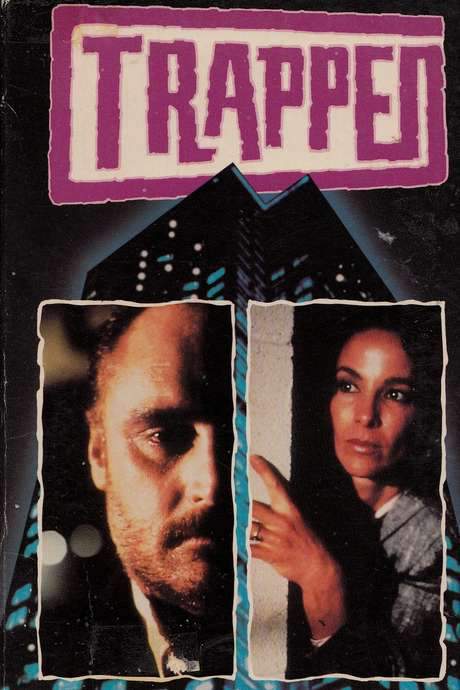
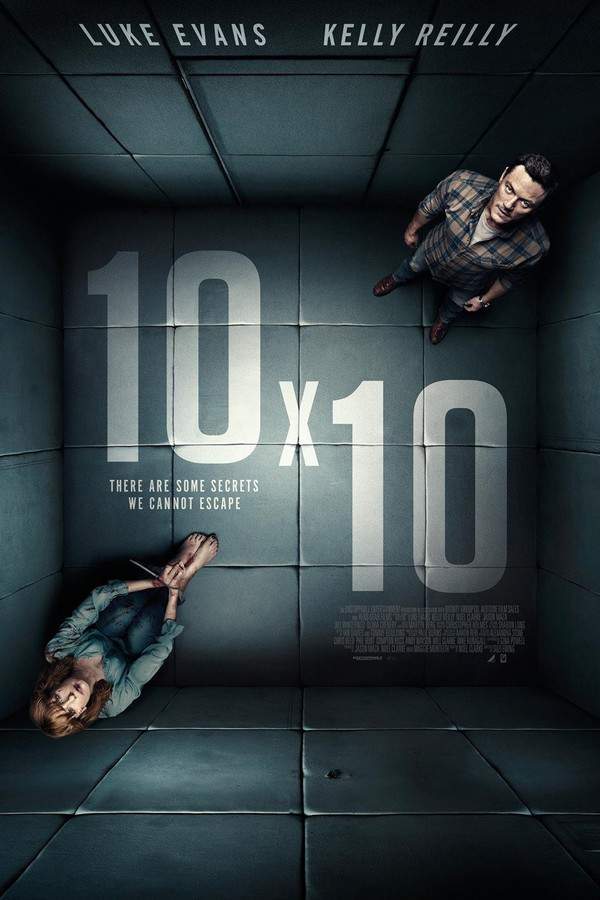
Claustrophobic survival thrillers like Split

Stories of ordinary people held captive by a menacing and unstable threat. If you liked the tense captivity and psychological terror of Split, explore more movies like it. This list features similar films where characters fight for survival against a dangerous captor in oppressive, confined settings, creating a gripping and anxious viewing experience.

  • claustrophobic
  • anxious
  • unnerving
  • trapped
  • survival
  • psychological dread
  • Tone: tense, unnerving, oppressive
  • Pacing: steady, methodical buildup
Why these movies?

The story pattern: These narratives typically begin with a sudden act of entrapment, stripping characters of their freedom and safety. The plot revolves around outwitting a captor whose motives or sanity are questionable. The confined setting becomes a character itself, amplifying the psychological pressure and forcing characters to rely on their wits under extreme duress.

Why they belong together: Movies in this thread share a core experience of intense psychological and physical confinement. They are grouped by their oppressive atmosphere, the tension derived from a power imbalance between captor and captive, and the central theme of survival against a deeply unsettling threat.
Fractured mind psychological horror movies like Split

Horror that emerges from the terrifying potential of a broken mind. For viewers who enjoyed the exploration of dissociative identity disorder and psychological turmoil in Split. Discover similar horror and thriller films where the narrative is driven by a character's fractured mental state, creating stories that are deeply unnerving and psychologically complex.

  • psychological
  • unnerving
  • fractured psyche
  • trauma
  • unreliable
  • dread
  • Tone: unsettling, psychological, heavy
  • Pacing: steady, character-focused
Why these movies?

The story pattern: The narrative often follows a central character whose perception of reality is unreliable, forcing the audience to piece together the truth. The story delves into the origins of the trauma that fractured the mind, building sympathy and terror simultaneously. The climax typically involves the emergence of a dangerous persona or the complete collapse of the individual's mental defenses.

Why they belong together: These films are connected by their central theme of psychological fragmentation as the source of horror. They share a heavy emotional weight, a focus on internal chaos, and a tone that is deeply unsettling as they explore the dark corners of human psychology and trauma.

If you liked this

Movies Like Split

Similar movies to Split: the same genre, themes or kind of story. Each one comes with its own plot summary, timeline and ending explained.

Browse all movie summaries

Every angle

Split (2017) Explained: Plot, Ending, Timeline & Characters

Everything about Split in one place: what happens in the plot summary, the timeline in chronological order, the characters and meaning, the ending explained and a spoiler-free summary. What's After the Movie adds the cast, box office and post-credit scenes.

Coming soon on iOS and Android

The Plot Explained Movie Summary App

Plot summaries, endings explained and timelines on your phone. Catch up on any movie in minutes, save your favorites and never miss a twist again.

Be the first to know when we launch. Your email stays private, always.

Learn more about the app