







Plot Explained Spoilers guaranteed!
Plot Explained

Browse by genre

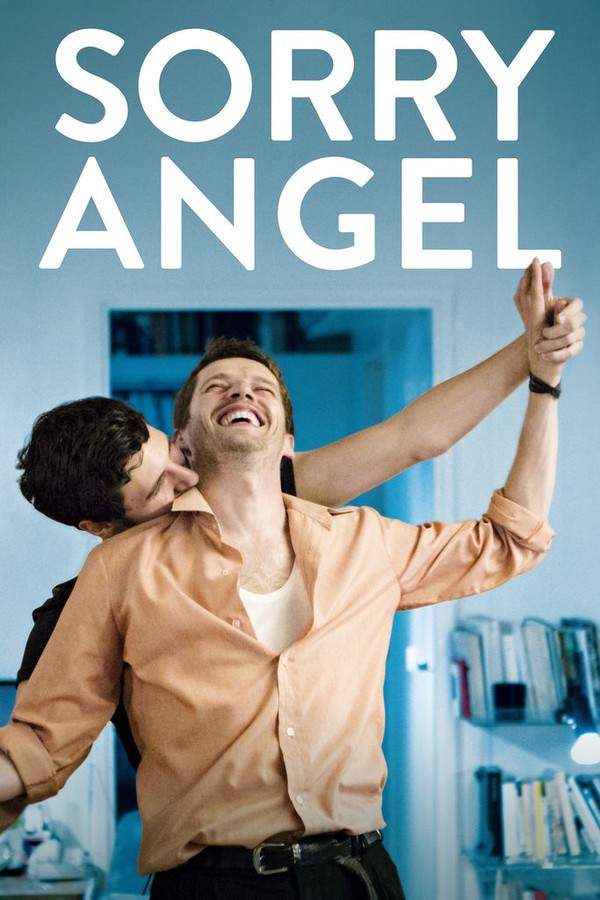
Sorry Angel (2019) movie poster

Characters & Themes

Sorry Angel (2019) Characters, Setting & Themes Explained

Release, runtime and language
2019 · 132 min · French
Echo score 80
JustWatch #26,653 4
Directed by
Christophe Honoré
Starring
Luca Malinowski, Pierre Deladonchamps, Denis Podalydès, Vincent Lacoste, Adèle Wismes, Clément Métayer
Budget
$3.6M

In 1990s Paris, Jacques, a writer and single father, grapples with love, loss, and the challenges of raising a child while longing to rekindle his own youthful passions. His life takes an unexpected turn during a trip to Brittany, where he meets Arthur, a young filmmaker full of ambition and enthusiasm. This encounter sparks a complex relationship, as Jacques finds himself drawn to Arthur’s charm and idealism, leading to a journey of self-discovery and unexpected desires.

On this page (8)
  1. 1 Where to watch
  2. 2 Characters explained (4)
  3. 3 Where & when it takes place
  4. 4 Themes & meaning (3)
  5. 5 Character & meaning questions
  6. 6 Movie threads
  7. 7 Movies like Sorry Angel
  8. 8 Every angle

Where to watch

Where to Watch Sorry Angel (2019)

Where can you watch Sorry Angel? Stream, rent or buy it in the US, including on Kanopy, Amazon Video and Apple TV Store: current JustWatch availability with up-to-date prices.

Streaming availability powered by JustWatch

4 main characters · contains spoilers

Sorry Angel Characters Explained: Who Is Who

The main characters of Sorry Angel (2019), heroes and villains: what drives them, how they change over the course of the story and what each of them reveals about the film's bigger ideas.

  • Jacques Tondelli

    played by Pierre Deladonchamps

    A 39-year-old gay author, Jacques grapples with both his role as a father and the relentless progression of AIDS affecting his life. Depicting a character layered with melancholy and sensitivity, Jacques showcases a depth of emotion as he navigates love and loss.

    • 📚 Author
    • 🌈 LGBTQ+
  • Arthur Prigent

    played by Vincent Lacoste

    At only 22, Arthur is a vibrant student who becomes fascinated with Jacques's literary world. His journey of self-discovery in terms of his sexuality and aspirations leads him to seek deeper connections that challenge the apathy prevalent among his peers.

    • 🧑‍🎓 Student
    • 💖 Young Love
  • Mathieu

    played by Denis Podalydès

    Jacques's supportive friend, Mathieu provides a stable presence amidst the chaos of Jacques's life. As an older gay man and newspaper editor, he embodies wisdom and a compassionate understanding of the struggles surrounding love and illness.

    • 📰 Editor
    • 👴 Supportive Friend
  • Marco

    played by Thomas Gonzalez

    Jacques's ex-lover, Marco adds an additional layer of complexity to the narrative. His arrival and subsequent conversations about life and death provide insight into the despair caused by their illness, highlighting the toll that AIDS takes on personal relationships.

    • 💔 Ex-Lover
    • 🌧️ Tragic Figure

Last updated: October 22, 2024 at 21:47

Was this helpful?

Setting

Where and When Does Sorry Angel Take Place?

The setting of Sorry Angel (2019): the year and time period, the places and locations, and how they shape the characters, the mood and the tension of the story.

Time period

1993

The early 1990s were marked by the societal struggles surrounding the AIDS epidemic, which profoundly affected the LGBTQ+ community. This time period saw growing awareness and activism, but also despair and loss, deeply influencing the lives and relationships of those affected.

Location

Paris, Brittany

Paris serves as a vibrant backdrop for Jacques's life, embodying the art, culture, and complex emotions that accompany his journey as a gay author and father. Brittany, with its picturesque landscapes, presents a contrasting environment where Jacques meets Arthur and explores themes of romance and identity amidst a backdrop of youthful idealism.

  • 🏙️ City
  • 🌊 Coast

Last updated: October 22, 2024 at 21:47

Was this helpful?

3 major themes

Sorry Angel Meaning: Themes & Message Explained

What is Sorry Angel (2019) really about? The emotional, social and philosophical themes the film keeps returning to, its symbolism and the message beneath the surface.

  • Love and Loss

    The film deftly explores the theme of love intermingled with the specter of loss, as Jacques navigates his relationships with Arthur and Marco amidst the devastation of AIDS. The emotional weight of love's impermanence resonates throughout, culminating in poignant moments that highlight the fragility of human connections.

  • Identity and Art

    Identity plays a crucial role in the film, particularly as Arthur grapples with his emerging sexual identity and Jacques's established persona as an author. Their discussions around literature and life illuminate the struggles and aspirations within the gay community, revealing how art serves as both an escape and a medium for understanding oneself.

  • Communication and Isolation

    The narrative underscores the importance of communication, especially in the context of Jacques's relationships as he balances his isolation with the yearning for connection. His inability to respond to Arthur’s calls represents a profound commentary on the struggles individuals face when confronting illness and emotional crises.

Last updated: October 22, 2024 at 21:47

Was this helpful?

Character & theme questions

Sorry Angel Characters & Meaning: Your Questions Answered

The questions people ask about Sorry Angel (2019): who the characters really are, their relationships, what the symbols mean, where it takes place and what the movie is really about. Each answer contains spoilers.

Q1

What role does Paris play in the film?

Paris serves as the vibrant backdrop for Jacques's life, embodying the art, culture, and complex emotions that accompany his journey as a gay author and father. The city represents both his professional world and the sophisticated literary circles that define his identity, contrasting with the intimate, transformative encounter that awaits him in Brittany.

  • paris
  • setting
  • french cinema
  • city life
  • art and culture
Q2

Why is Brittany significant to the story?

Brittany provides a contrasting environment to Paris, where Jacques meets Arthur and experiences a renewed sense of romance and identity. The picturesque coastal landscapes create a space for youthful idealism and intimate connection, representing a retreat from Jacques's complicated life in the city and setting the stage for their complex relationship.

  • brittany
  • coast
  • romance
  • escape
  • meeting point
Q3

How does the 1993 setting shape the film's emotional landscape?

The film is set during the early 1990s, a period marked by the devastating AIDS epidemic that profoundly affected the LGBTQ+ community. This historical context infuses the narrative with themes of mortality, loss, and the desperate search for connection, as Jacques and those around him navigate love while confronting the ever-present specter of illness and premature death.

  • 1993
  • aids epidemic
  • historical context
  • lgbtq+ history
  • mortality
Q4

What does the film say about love and loss?

The film explores love intertwined with the specter of loss, as Jacques navigates his relationships with Arthur and ex-lover Marco amidst the devastation of AIDS. The emotional weight of love's impermanence resonates throughout, highlighting the fragility of human connections and the way terminal illness deepens both the urgency and the tragedy of romantic fulfillment.

  • love
  • loss
  • impermanence
  • aids
  • emotional weight
Q5

How does identity factor into the story?

Identity plays a crucial role as Arthur grapples with his emerging sexual identity while Jacques confronts his established persona as an author living with AIDS. Their discussions around literature and life illuminate the struggles within the gay community, revealing how art serves both as an escape and a medium for understanding oneself during times of personal and societal crisis.

  • identity
  • art
  • sexuality
  • literature
  • self-discovery
  • gay community
Q6

What does the film say about communication and isolation?

The narrative emphasizes the importance of communication, particularly as Jacques balances his isolation with his yearning for connection. His inability to respond to Arthur's calls represents the profound struggle individuals face when confronting illness and emotional crises, showing how fear and shame can create deadly barriers between people who need each other most.

  • communication
  • isolation
  • illness
  • emotional barriers
  • connection
Q7

Who is Jacques Tondelli and what defines him?

Jacques is a 39-year-old gay author and single father living with AIDS in 1990s Paris. He grapples with both his role as a father and the relentless progression of his illness, embodying melancholy and sensitivity as he navigates love and loss while confronting his own mortality with poignant emotional depth.

  • jacques
  • author
  • father
  • aids
  • protagonist
  • melancholy
Q8

Who is Arthur Prigent and what is his journey about?

Arthur is a 22-year-old student and aspiring filmmaker who becomes fascinated with Jacques's literary world. His journey centers on self-discovery regarding his sexuality and artistic aspirations, leading him to seek deeper connections that challenge the apathy prevalent among his peers and define his coming-of-age narrative.

  • arthur
  • student
  • filmmaker
  • coming of age
  • sexuality
  • ambition
Q9

What role does Mathieu play in the story?

Mathieu serves as Jacques's supportive friend and stable presence throughout the film. As an older gay man and newspaper editor, he embodies wisdom and compassionate understanding of the struggles surrounding love and illness, providing Jacques with grounding counsel during his most difficult moments.

  • mathieu
  • friend
  • editor
  • support
  • wisdom
  • older gay man
Q10

Why is Marco important to Jacques's story?

Marco, Jacques's ex-lover who is also ill with AIDS, adds critical depth to the narrative. His arrival and conversations about life and death provide insight into the despair caused by their shared illness, highlighting the toll that AIDS takes on personal relationships and representing the painful path Jacques himself is walking.

  • marco
  • ex-lover
  • illness
  • death
  • relationship
  • aids
Q11

What is the overall tone and style of the film?

The film maintains a dominant melancholic tone through Jacques's grappling with illness, loss, and mortality. Its slow pacing focuses on character introspection and quiet moments of intimacy rather than plot-driven action, creating medium intensity despite heavy themes, resulting in a meditative exploration of love and grief.

  • tone
  • style
  • melancholy
  • pacing
  • introspection
  • emotional weight
Q12

Is this a romance or a tragedy?

Sorry Angel blends both elements, with a high romance score as the central relationship between Jacques and Arthur drives the emotional core, paired with a high sadness score due to the tragic outcome. The ending is unambiguously sad, with Jacques rejecting Arthur's hopeful advances, solidifying a bleak perspective on love and loss during the AIDS era.

  • romance
  • tragedy
  • ending
  • aids
  • emotional core
  • love

Movie threads

More Movies Like Sorry Angel, by Mood & Story

Curated lists built around what makes Sorry Angel tick: the same mood, the same kind of story or the same emotional payoff. Each list explains why these movies belong together.

Melancholic Queer Romance and Grief like in Sorry Angel

Intimate love stories shadowed by loss, set against pivotal moments in queer history. If you appreciated the heartfelt yet tragic romance in Sorry Angel, this thread gathers similar movies that blend intimate gay relationships with heavy themes of loss and historical context. Discover other poignant dramas where love flourishes in the face of adversity.

  • melancholic
  • tragic
  • intimate
  • romantic
  • wistful
  • poignant
  • Tone: melancholic, poignant, tragic
  • Pacing: slow, reflective, character-driven
Why these movies?

The story pattern: Narratives in this thread often follow the development of a deep romantic bond between characters, which is tested or defined by an external tragic force, such as illness or social prejudice. The emotional journey typically moves from initial connection and hope towards a poignant, often sorrowful, resolution that emphasizes the fragility and value of love.

Why they belong together: Movies are grouped here based on their shared core of a central LGBTQ+ romance set against a melancholic and historically significant backdrop. They feature a similar tone of wistful intimacy, a slow, reflective pacing, and a narrative that balances the warmth of connection with the weight of impending loss.
Slow-Burn Character Studies of Mortality like in Sorry Angel

Quiet, reflective dramas where characters confront illness and the meaning of life. For viewers who connected with the slow, reflective pace and the theme of confronting illness in Sorry Angel, this section highlights similar character-driven dramas. Find movies that explore existential questions and the intimate process of facing death with a quiet, melancholic tone.

  • contemplative
  • melancholic
  • introspective
  • solemn
  • intimate
  • reflective
  • Tone: melancholic, contemplative, solemn
  • Pacing: slow, deliberate, introspective
Why these movies?

The story pattern: These stories unfold slowly, prioritizing character introspection over complex plotting. The central conflict is often internal—a protagonist's coming to terms with death, legacy, and unresolved relationships. The narrative structure tends to be episodic, built around meaningful conversations and quiet moments of realization.

Why they belong together: These films share a specific combination of a slow, contemplative pace, a melancholic or bittersweet tone, and a central theme of confronting terminal illness or existential mortality. They create a similarly heavy, intimate, and reflective viewing experience focused on emotional depth rather than dramatic action.

If you liked this

Movies Like Sorry Angel

Similar movies to Sorry Angel: the same genre, themes or kind of story. Each one comes with its own plot summary, timeline and ending explained.

Browse all movie summaries

Every angle

Sorry Angel (2019) Explained: Plot, Timeline & Characters

Everything about Sorry Angel in one place: what happens in the plot summary, the timeline in chronological order, the characters and meaning and a spoiler-free summary. What's After the Movie adds the cast, box office and post-credit scenes.

Coming soon on iOS and Android

The Plot Explained Movie Summary App

Plot summaries, endings explained and timelines on your phone. Catch up on any movie in minutes, save your favorites and never miss a twist again.

Be the first to know when we launch. Your email stays private, always.

Learn more about the app