
Somebody Has to Shoot the Picture
Year: 1990
Runtime: 104 mins
Language: English
Director: Frank Pierson
Taut thriller about a photographer who races the clock to clear a man about to be executed.
Warning: spoilers below!
Haven’t seen Somebody Has to Shoot the Picture yet? This summary contains major spoilers. Bookmark the page, watch the movie, and come back for the full breakdown. If you're ready, scroll on and relive the story!
Timeline & Setting – Somebody Has to Shoot the Picture (1990)
Explore the full timeline and setting of Somebody Has to Shoot the Picture (1990). Follow every major event in chronological order and see how the environment shapes the story, characters, and dramatic tension.
Last updated: October 04, 2025 at 12:18
Main Characters – Somebody Has to Shoot the Picture (1990)
Meet the key characters of Somebody Has to Shoot the Picture (1990), with detailed profiles, motivations, and roles in the plot. Understand their emotional journeys and what they reveal about the film’s deeper themes.
Last updated: October 04, 2025 at 12:18
Major Themes – Somebody Has to Shoot the Picture (1990)
Explore the central themes of Somebody Has to Shoot the Picture (1990), from psychological, social, and emotional dimensions to philosophical messages. Understand what the film is really saying beneath the surface.
Last updated: October 04, 2025 at 12:18
Somebody Has to Shoot the Picture (1990) Character & Theme Questions Answered – Info FAQ
Browse frequently asked questions about Somebody Has to Shoot the Picture (1990) focused on characters, relationships, themes, symbols, setting, and story context. This movie info FAQ gives spoiler-aware explanations for character arcs, world details, and thematic interpretation so readers can better understand what the film is really about.
Where is the movie set?
The story takes place in a mid-sized American town centered on a state prison where an execution is scheduled. Key locations include the prison death row facility, the local airport used for meetings, and an exotic-pet store that serves as Jake Rusher's home. The town becomes a focal point for passionate protests both for and against the death penalty.
What are the main themes?
The film explores three interconnected themes: Media Ethics, examining whether photographing a death serves truth or becomes sensationalism; Justice vs Truth, showing how power can manipulate the legal system to protect itself; and Moral Cost, highlighting how personal relationships complicate professional duties and the human price of punishment.
Who is Paul Marish?
Paul Marish is a veteran photojournalist portrayed by Roy Scheider who reluctantly agrees to photograph a scheduled execution. Torn between professional duty and ethical concerns, he becomes obsessed with uncovering the truth behind the murder case and whether it has been manipulated. His investigation forms the emotional core of the film.
Who is Ray Eames?
Ray Eames is the death-row inmate whose planned execution drives the central tension of the film. As new information emerges during Marish's investigation, the story explores the humanity of someone on death row and questions surrounding his guilt. The narrative examines whether an innocent man is about to be executed.
Who is Hannah McGrath?
Hannah McGrath is the widow of the slain McGrath, portrayed by Bonnie Bedelia. She becomes entangled with Paul Marish during his investigation and plays a key role in uncovering the truth. She reveals having an affair with Jake Rusher, adding crucial layers to the case and driving the emotional core of the story.
How does the film address media ethics?
The film uses Marish and Weston to examine how news coverage shapes public perception of guilt and innocence. Rushed headlines and manipulated imagery threaten to overshadow factual evidence. The narrative questions whether truth can survive when it becomes a spectacle, as Marish must decide if photographing a death serves truth or sensationalism.
Who are Dan Weston and Steve March?
Dan Weston is a Time magazine reporter played by Andre Braugher who teams with Marish to pursue the truth, adding a critical media perspective to the investigation. Steve March is the District Attorney who presents the official story and defends the legal framework behind the execution, embodying the institutional stance.
What does the justice vs truth theme explore?
The investigation reveals how power can weaponize the system to protect itself, potentially turning a miscarriage of justice into a televised tragedy. A reversed crime-scene photo and hidden confession suggest that what is presented in court may not reflect reality. The story argues that justice is fragile when built on self-interest and fear.
Who is Jake Rusher?
Jake Rusher is McGrath's former partner whose actions set the sequence of events in motion. He sabotages the case, leaves a provocative mark in a crime-scene photo, and ultimately takes his own life, leaving a trail of questions about who actually killed McGrath. His exotic-pet store serves as his home in town.
How does the town respond to the execution?
The town becomes deeply divided, hosting passionate protests both for and against the death penalty. The emotional weight is heavy as the community grapples with capital punishment. The ending captures a town torn between mourning and celebration as the execution unfolds, reflecting the moral cost theme.

Explore Movie Threads
Discover curated groups of movies connected by mood, themes, and story style. Browse collections built around emotion, atmosphere, and narrative focus to easily find films that match what you feel like watching right now.
Race against injustice movies like Somebody Has to Shoot the Picture
Thrillers where a lone individual battles systemic injustice before time runs out.If you liked the urgent, high-stakes tension of Somebody Has to Shoot the Picture, explore more movies like it. These films feature similar thrillers and dramas where a lone hero battles a corrupt system against a ticking clock, delivering gripping stories of moral conflict and justice.
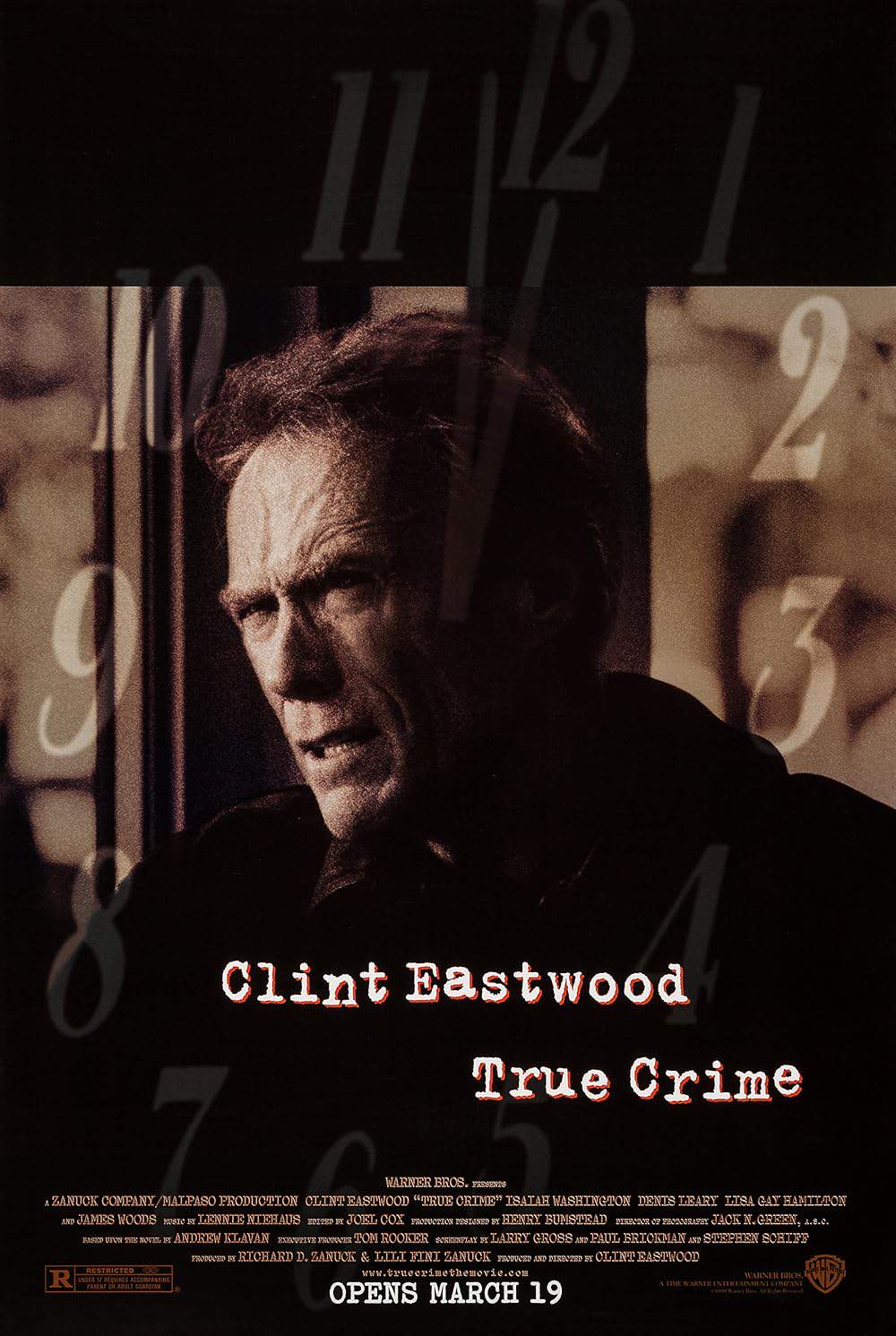
True Crime
1999
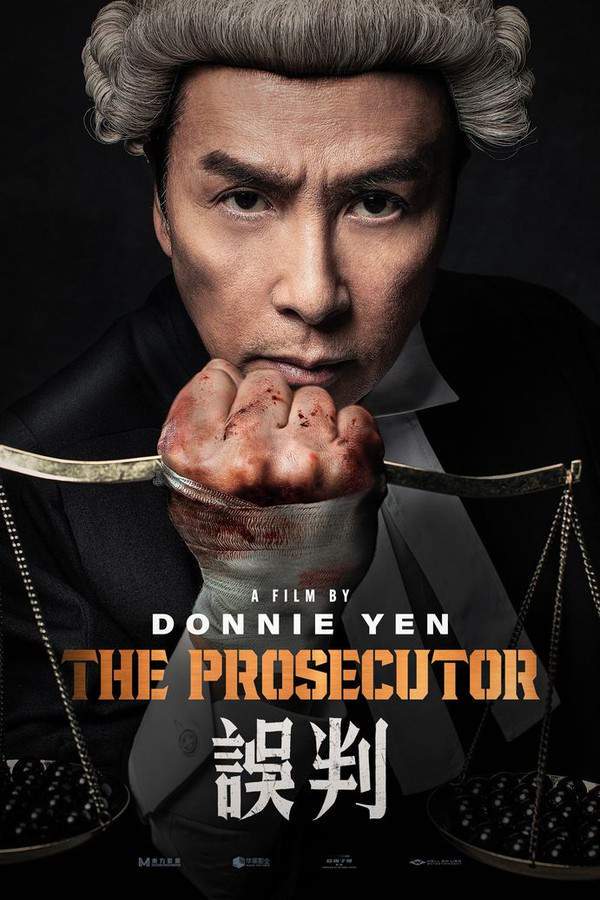
The Prosecutor
2025

A Guilty Conscience
2023

Confession of Murder
2012

Seven Hours to Judgment
1988
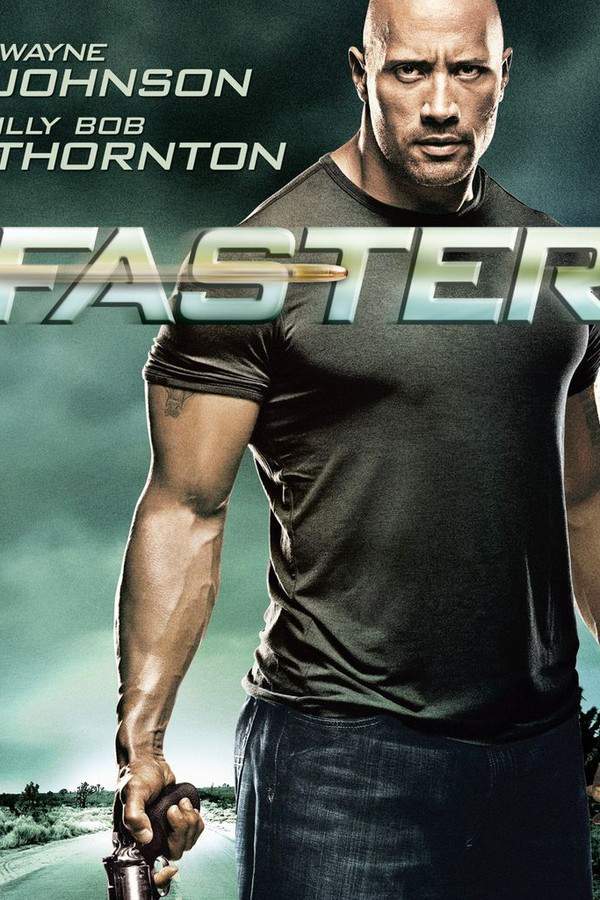
Faster
2010
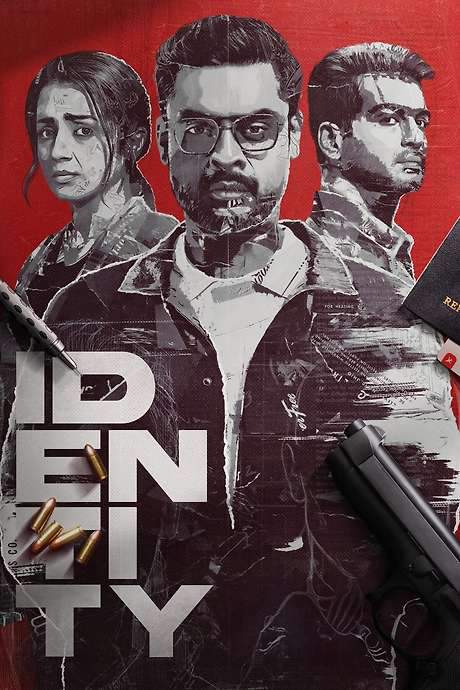
Identity
2025

Ticking Clock
2011
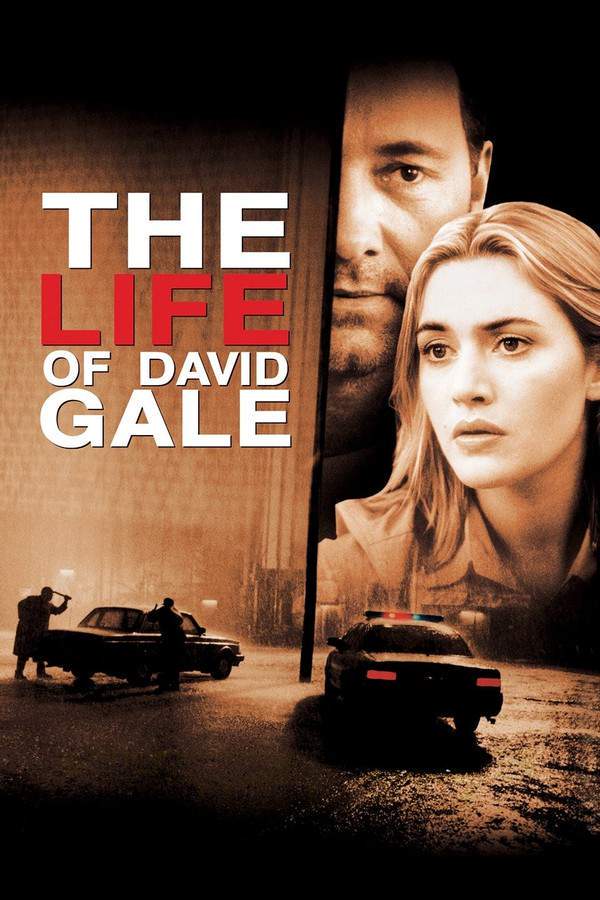
The Life of David Gale
2003

Fire with Fire
2012

No Rest for the Wicked
2011

Trial by Jury
1994
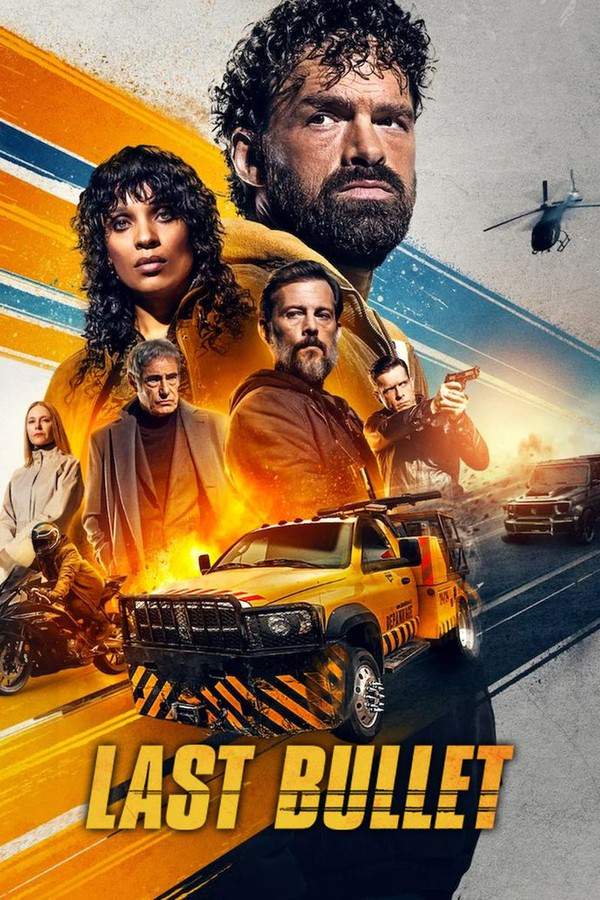
Last Bullet
2025
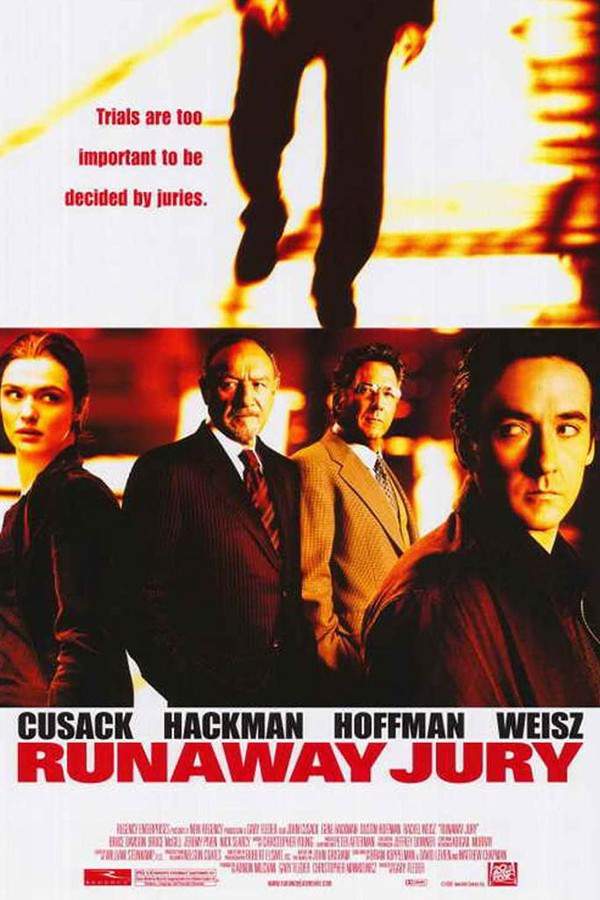
Runaway Jury
2003

Physical Evidence
1989
Narrative Summary
These narratives typically follow a determined protagonist—often an outsider like a journalist, lawyer, or concerned citizen—who stumbles upon a miscarriage of justice. The plot is driven by their frantic investigation, facing obstacles and uncovering conspiracies, all while racing against an immovable deadline, such as an execution or a political vote, which creates a tightly wound, linear structure.
Why These Movies?
Movies are grouped here because they share a core narrative engine: a high-stakes, time-sensitive quest for truth in the face of powerful, corrupt forces. They deliver a consistently tense and anxious viewing experience, blending the procedural elements of a thriller with the heavy emotional weight of a social drama.
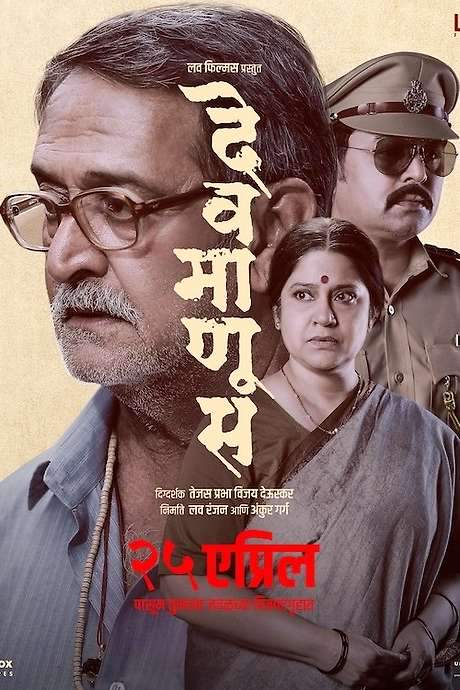
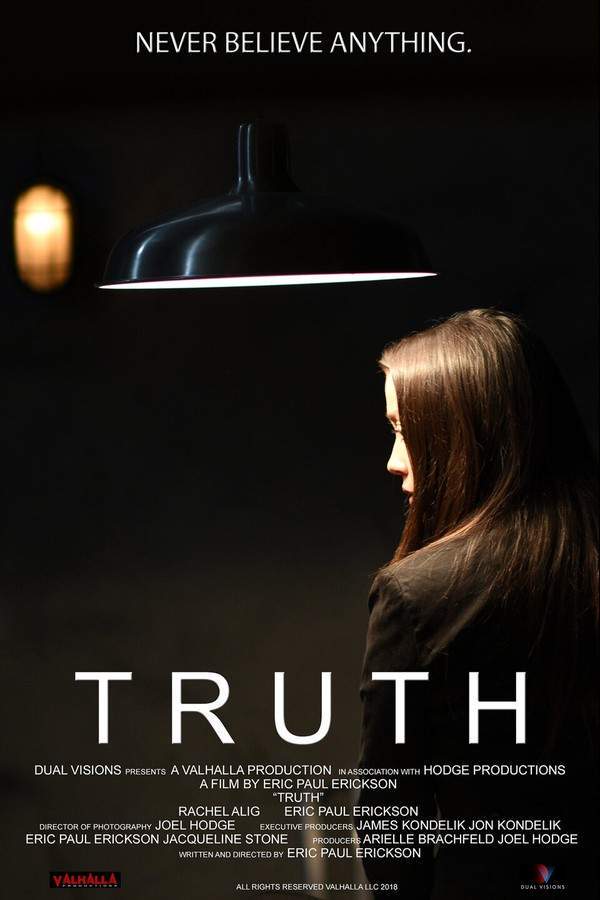
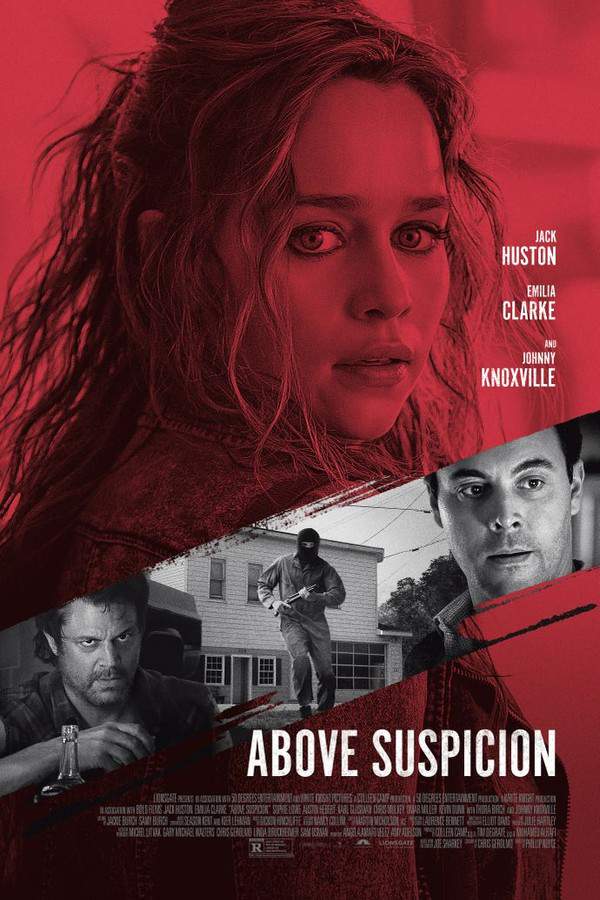
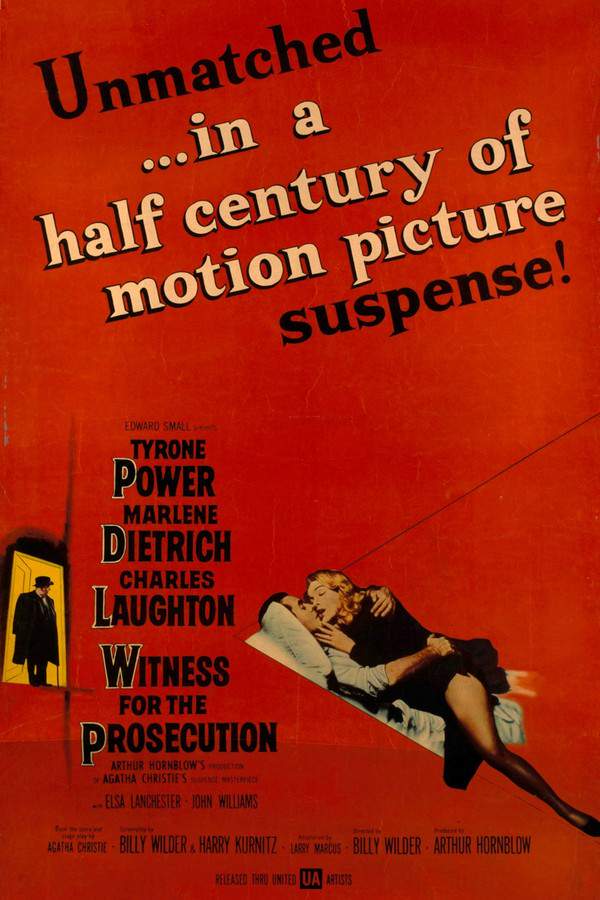
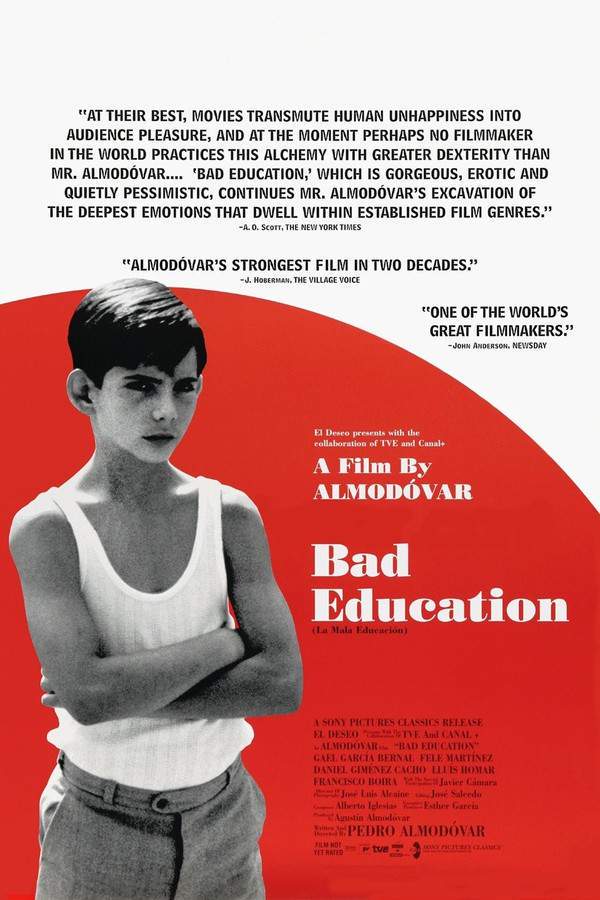
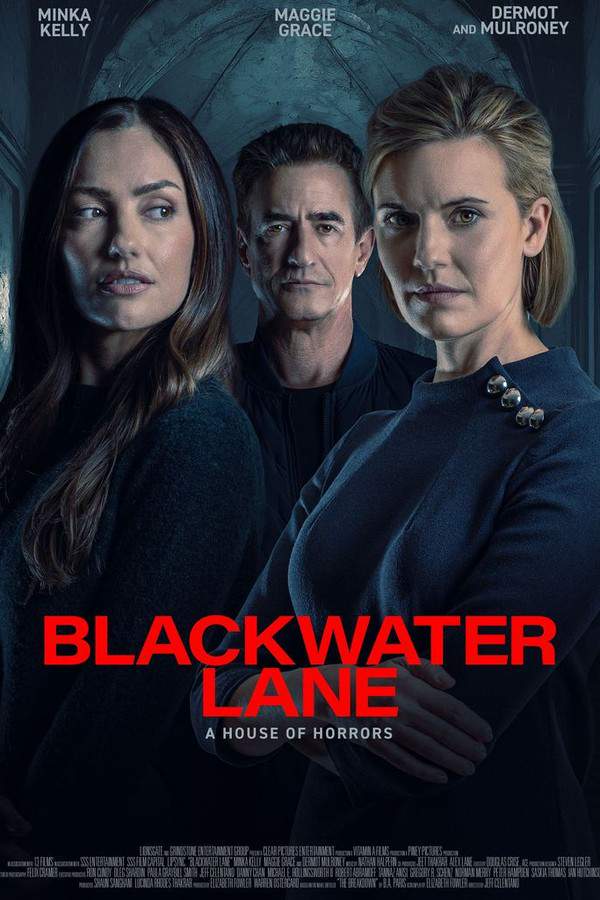
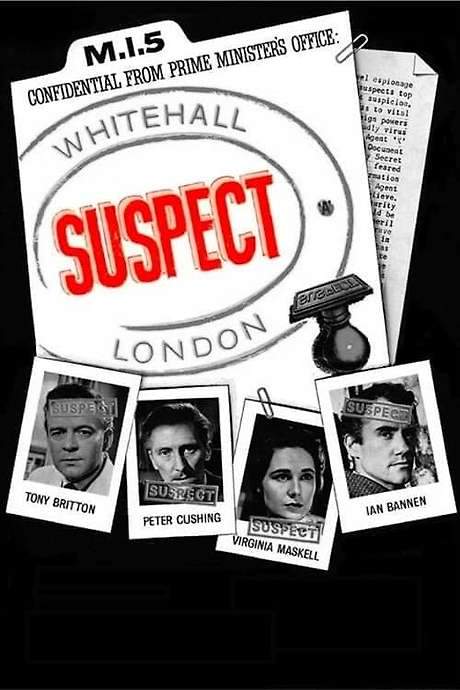
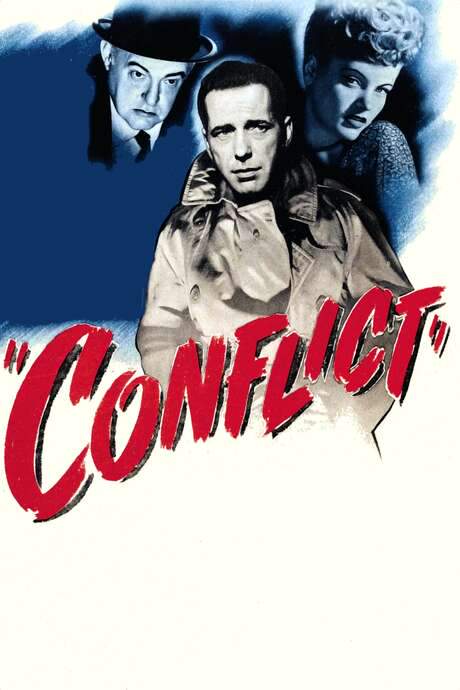
Bleak investigative thrillers similar to Somebody Has to Shoot the Picture
Gripping investigations that uncover hard truths but offer no happy resolutions.Fans of the somber ending and heavy themes in Somebody Has to Shoot the Picture will appreciate these similar movies. This selection features dramatic thrillers where investigations into crime and corruption lead to morally complex and tragically sad outcomes, capturing a similar gritty and impactful vibe.
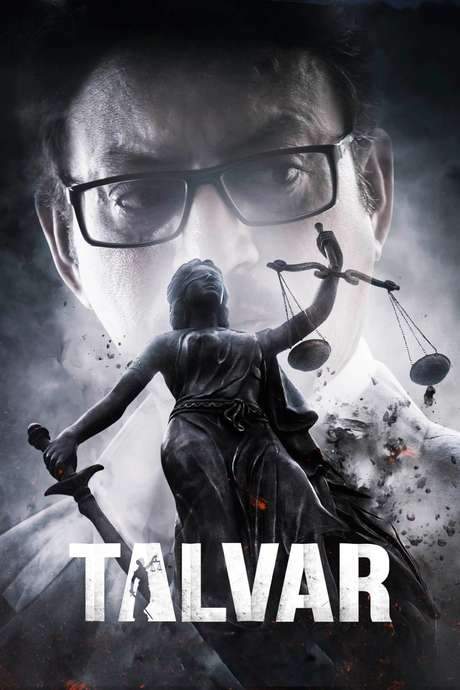




Narrative Summary
The narrative pattern involves a dogged investigation that successfully reveals a dark secret or systemic failure. However, the victory is purely moral or intellectual; the practical outcome is often defeat, loss, or a Pyrrhic victory. The emotional journey is one of determination giving way to somber acceptance or outrage, emphasizing the cost of truth in a flawed world.
Why These Movies?
These films are grouped by their shared commitment to a realistically bleak or sad resolution, distinguishing them from more conventionally heroic stories. They are united by a heavy emotional weight, a somber mood, and themes of moral conflict and the often-futile fight against entrenched power.
Unlock the Full Story of Somebody Has to Shoot the Picture
Don't stop at just watching - explore Somebody Has to Shoot the Picture in full detail. From the complete plot summary and scene-by-scene timeline to character breakdowns, thematic analysis, and a deep dive into the ending - every page helps you truly understand what Somebody Has to Shoot the Picture is all about. Plus, discover what's next after the movie.
Somebody Has to Shoot the Picture Summary
Read a complete plot summary of Somebody Has to Shoot the Picture, including all key story points, character arcs, and turning points. This in-depth recap is ideal for understanding the narrative structure or reviewing what happened in the movie.

Somebody Has to Shoot the Picture Timeline
Track the full timeline of Somebody Has to Shoot the Picture with every major event arranged chronologically. Perfect for decoding non-linear storytelling, flashbacks, or parallel narratives with a clear scene-by-scene breakdown.


Similar Movies to Somebody Has to Shoot the Picture
Discover movies like Somebody Has to Shoot the Picture that share similar genres, themes, and storytelling elements. Whether you’re drawn to the atmosphere, character arcs, or plot structure, these curated recommendations will help you explore more films you’ll love.
Paparazzi
2004

Shooting Gallery
2005

A Time to Die
1991

Picture Me Dead
2023

Time to Kill
1942

Nick of Time
1995

Shoot to Kill
1947

The Shot in the Talker Studio
1930

The Shot
1969
Close-Up
1948

Killing Time
1998

The Girl in the Picture
1957

Murder with Pictures
1936

Time Without Pity
1957

Picture Snatcher
1933
Explore More About Movie Somebody Has to Shoot the Picture
Somebody Has to Shoot the Picture (1990) Plot Summary & Movie Recap
Somebody Has to Shoot the Picture (1990) Scene-by-Scene Movie Timeline
Somebody Has to Shoot the Picture (1990) Spoiler-Free Summary & Key Flow
Movies Like Somebody Has to Shoot the Picture – Similar Titles You’ll Enjoy
Paparazzi (2004) Full Summary & Key Details
Shooting Gallery (2005) Complete Plot Breakdown
A Time to Die (1991) Ending Explained & Film Insights
Picture Me Dead (2023) Full Movie Breakdown
Time to Kill (1942) Detailed Story Recap
Nick of Time (1995) Spoiler-Packed Plot Recap
Shoot to Kill (1947) Spoiler-Packed Plot Recap
The Shot in the Talker Studio (1930) Movie Recap & Themes
The Shot (1969) Complete Plot Breakdown
Close-Up (1948) Full Summary & Key Details
Killing Time (1998) Detailed Story Recap
The Girl in the Picture (1957) Detailed Story Recap
Murder with Pictures (1936) Detailed Story Recap
Time Without Pity (1957) Complete Plot Breakdown
Picture Snatcher (1933) Ending Explained & Film Insights