
Somebody Has to Shoot the Picture
Year: 1990
Runtime: 104 mins
Language: English
Director: Frank Pierson
Taut thriller about a photographer who races the clock to clear a man about to be executed.
Warning: spoilers below!
Haven’t seen Somebody Has to Shoot the Picture yet? This summary contains major spoilers. Bookmark the page, watch the movie, and come back for the full breakdown. If you're ready, scroll on and relive the story!
Timeline – Somebody Has to Shoot the Picture (1990)
Trace every key event in Somebody Has to Shoot the Picture (1990) with our detailed, chronological timeline. Perfect for unpacking nonlinear stories, spotting hidden connections, and understanding how each scene builds toward the film’s climax. Whether you're revisiting or decoding for the first time, this timeline gives you the full picture.
Last updated: October 09, 2025 at 15:09
Somebody Has to Shoot the Picture (1990) Timeline Questions Answered – Chronology FAQ
Find frequently asked questions about the Somebody Has to Shoot the Picture (1990) timeline, including chronological order, nonlinear jumps, cause-and-effect links, and scene sequence clarifications. This timeline FAQ helps explain when key events happen, how moments connect, and why the story unfolds in that specific order.
Why was Ray Eames convicted if he didn't kill Jackie McGrath?
Ray Eames was framed as a patsy for the real killers. Police officer Jackie McGrath discovered a drug-trafficking operation involving his own partner Jake Rusher, Assistant D.A. Mike Knighton, and confidential informant Floyd Tatum. When McGrath tried to stop their illegal activities, they killed him and planted evidence pointing to Eames, who happened to be at the scene. The authorities needed a conviction to justify the death penalty, so they pursued Eames despite his innocence.
Earlier, Jake Rusher warns Marish not to photograph the execution, hinting at his guilty conscience about the frame.
What was the police conspiracy behind Jackie McGrath's murder?
Assistant D.A. Mike Knighton, Officer Jake Rusher (McGrath's partner), and informant Floyd Tatum were running a drug-trafficking operation. When McGrath uncovered their scheme and attempted to shut it down, they conspired to kill him. They planted evidence to frame Ray Eames, who was in the wrong place at the wrong time, ensuring someone would take the fall for the murder.
Rusher's urgent plea at the airport for Marish not to photograph the execution suggests he has something to hide.
Why did Jake Rusher commit suicide?
Rusher had multiple reasons to take his own life. He was directly involved in murdering his partner McGrath and had been living with the guilt of framing an innocent man. Additionally, Rusher had been having an affair with McGrath's widow Hannah, creating further emotional turmoil. When the execution was postponed and the case reopened, Rusher knew the truth would eventually surface, leading him to write 'NO JUSTICE' on a crime-scene photo and shoot himself.
The reversed crime-scene photo that Marish discovers becomes the key evidence that unravels the conspiracy.
How did the reversed crime-scene photo reveal Eames's innocence?
When Paul Marish examined the crime-scene photograph, he noticed it was reversed compared to the version shown in court. This reversal indicated the bullet that killed McGrath came from a different direction than the prosecution claimed. If Eames had fired the shot as the state argued, the bullet trajectory would have matched the courtroom evidence. The discrepancy suggested someone else fired the weapon, raising serious doubts about the official version of events.
This discovery directly leads Marish to investigate Rusher and uncover the broader conspiracy.
Why did Judge Landis refuse to grant Eames a new trial?
Judge Harold Landis refused to grant Eames a new trial despite the taped confession from Floyd Tatum, dismissing the evidence as hearsay. This refusal appears deliberately obstructive, as the taped confession directly implicated Knighton, Rusher, and Tatum in the drug-trafficking operation and McGrath's murder. Landis's decision sealed Eames's fate, allowing the execution to proceed even as the truth was finally emerging.
Marish earlier confronts D.A. March about the official line, hinting at the corruption within the justice system.
Why was the reprieve too late to save Ray Eames?
Even after Marish and Hannah presented Tatum's taped confession to Judge Landis and D.A. March, the judge refused to stop the execution. Marish desperately tried to intervene at the prison, shouting and pounding on the glass. The execution proceeded, taking two electrical charges to kill Eames, and only after the execution was complete did Landis call in a reprieve. The timing was deliberately tragic: the system failed Eames despite the last-minute revelation of his innocence.
The earlier scene where the execution is first postponed creates false hope, setting up the tragic climax.
What was Hannah McGrath's connection to Jake Rusher?
Hannah McGrath, the widow of the murdered officer, confesses to having an affair with Jake Rusher. This revelation provides Rusher with both a personal motive and additional reason to eliminate her husband, he was conducting the affair while also involved in the drug conspiracy that led to McGrath's death. The affair also develops into a romantic subplot between Hannah and Marish as the investigation progresses.
Hannah's emotional reaction to Rusher's death hints at their deeper relationship beyond grief.
Why did the execution take two electrical charges to kill Eames?
The film shows two electrical charges being administered before Eames finally dies. This detail emphasizes the brutal and mechanical nature of the execution process, adding to the film's critique of the death penalty system. The prolonged death underscores the tragedy of executing an innocent man, his body refusing to give up even as the state forcibly takes his life.
The earlier postponement and Marish's photograph assignment establish the execution as the film's central visual and emotional focus.
What role did Dan Weston play in uncovering the truth?
Dan Weston, a Time reporter, arrives to assist Paul Marish in investigating the case. He and Marish work together to interview key figures including D.A. March and Hannah McGrath. Weston's journalistic background provides credibility and resources to pursue the investigation, though the core breakthrough comes from Marish's personal examination of the evidence and his confrontation with Tatum.
The involvement of a professional journalist signals that the case will receive serious scrutiny.
Why did Floyd Tatum stay silent for so long about the conspiracy?
Floyd Tatum, Eames's former partner who served as a confidential informant, was paid by Rusher to remain silent. He had been part of the drug-trafficking operation alongside Rusher and Knighton, and he benefited financially from keeping the truth hidden. When finally confronted by Marish and Hannah, Tatum refuses to testify in person but allows Marish to secretly record his confession, providing the evidence needed to expose the conspiracy.
Knighton's revelation that Tatum was alive and receiving payments foreshadows Tatum's complicity.

Explore Movie Threads
Discover curated groups of movies connected by mood, themes, and story style. Browse collections built around emotion, atmosphere, and narrative focus to easily find films that match what you feel like watching right now.
Race against injustice movies like Somebody Has to Shoot the Picture
Thrillers where a lone individual battles systemic injustice before time runs out.If you liked the urgent, high-stakes tension of Somebody Has to Shoot the Picture, explore more movies like it. These films feature similar thrillers and dramas where a lone hero battles a corrupt system against a ticking clock, delivering gripping stories of moral conflict and justice.
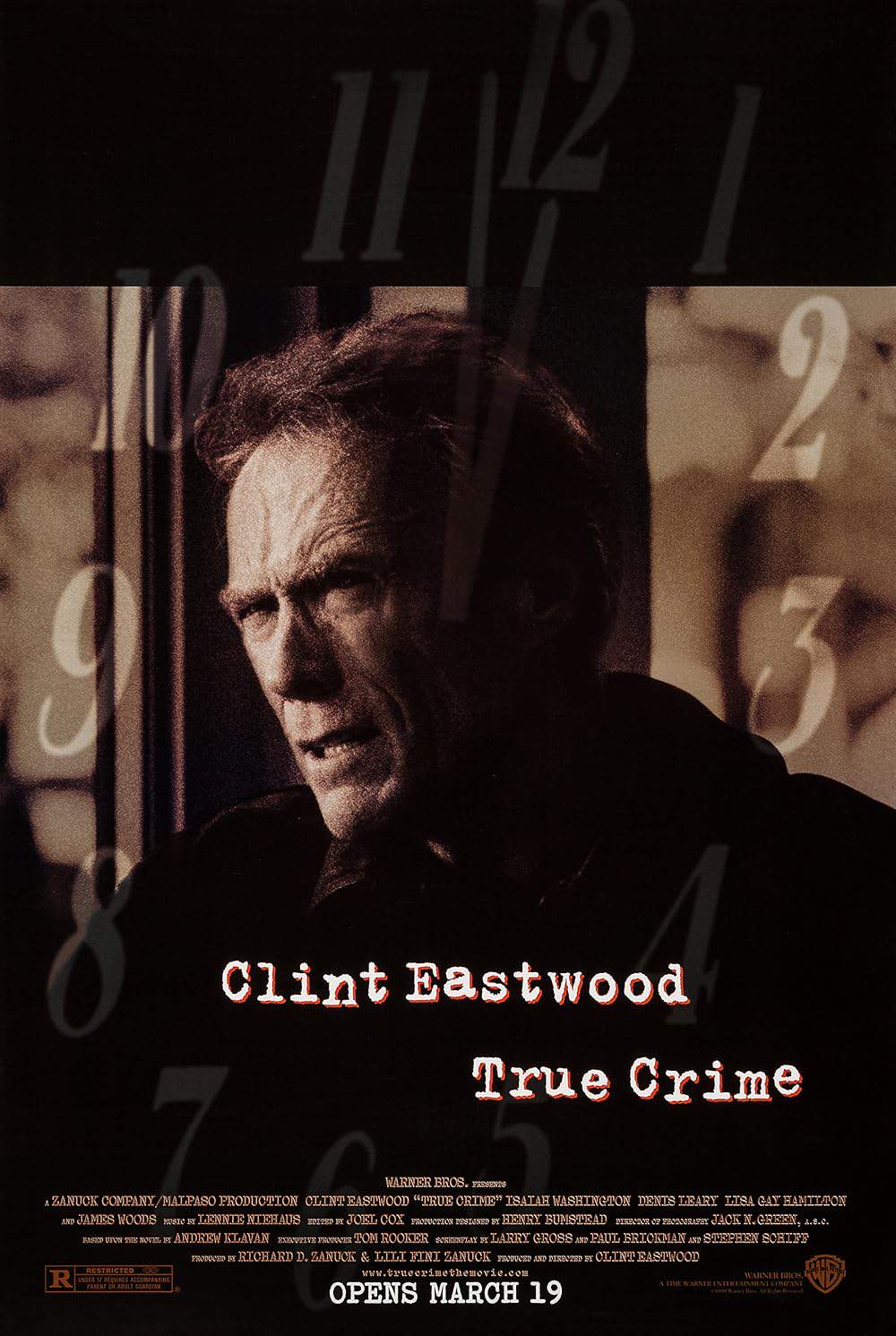
True Crime
1999
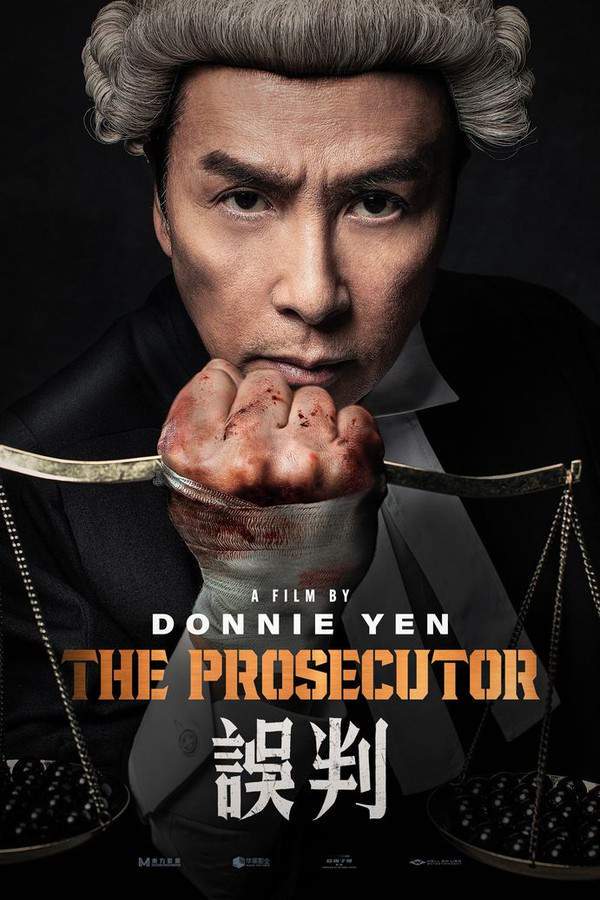
The Prosecutor
2025

A Guilty Conscience
2023

Confession of Murder
2012

Seven Hours to Judgment
1988
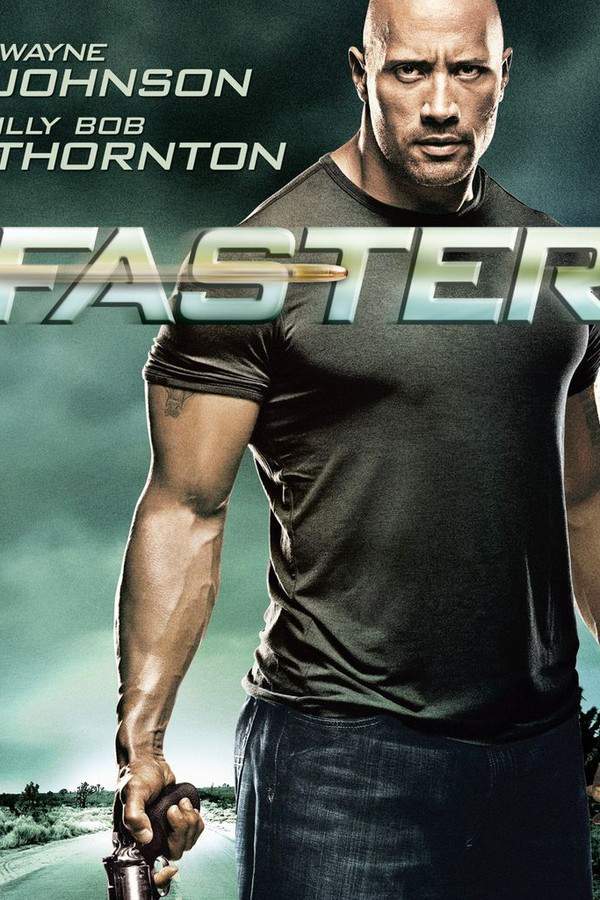
Faster
2010
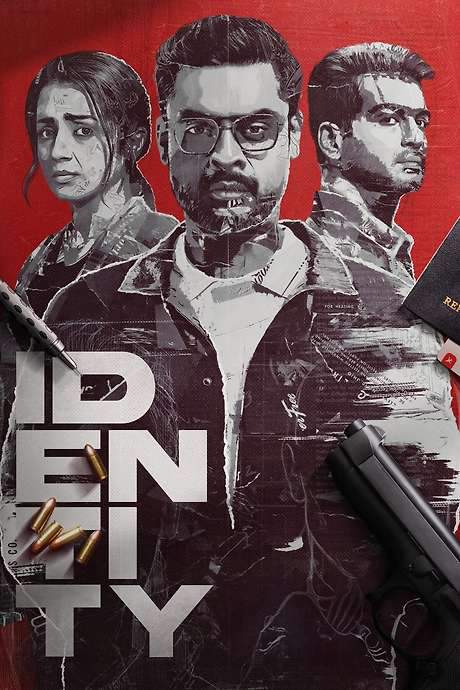
Identity
2025

Ticking Clock
2011
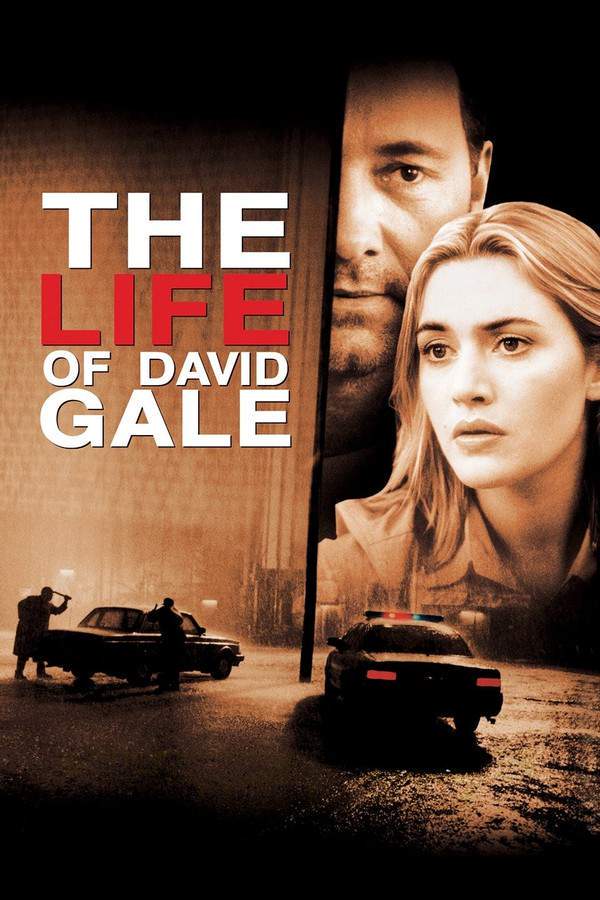
The Life of David Gale
2003

Fire with Fire
2012

No Rest for the Wicked
2011

Trial by Jury
1994
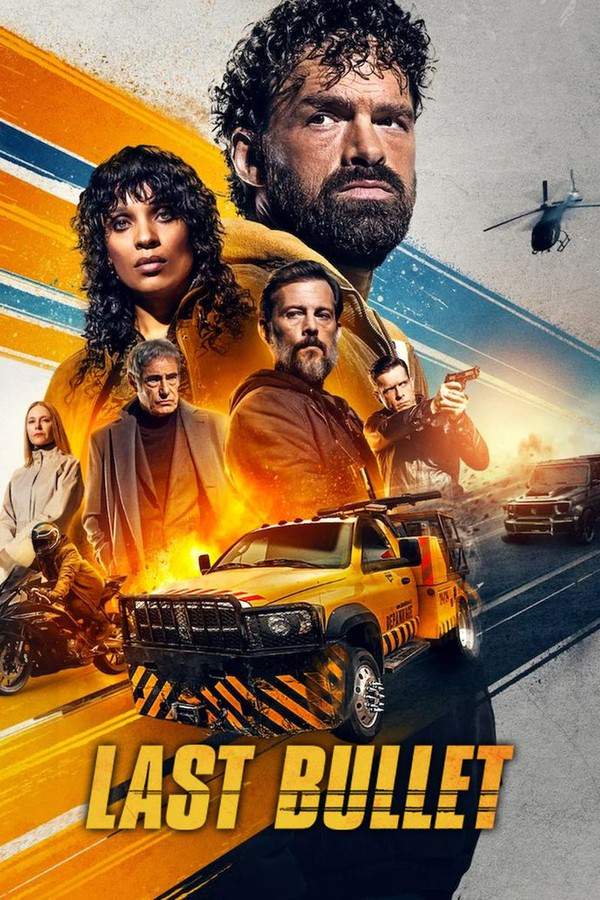
Last Bullet
2025
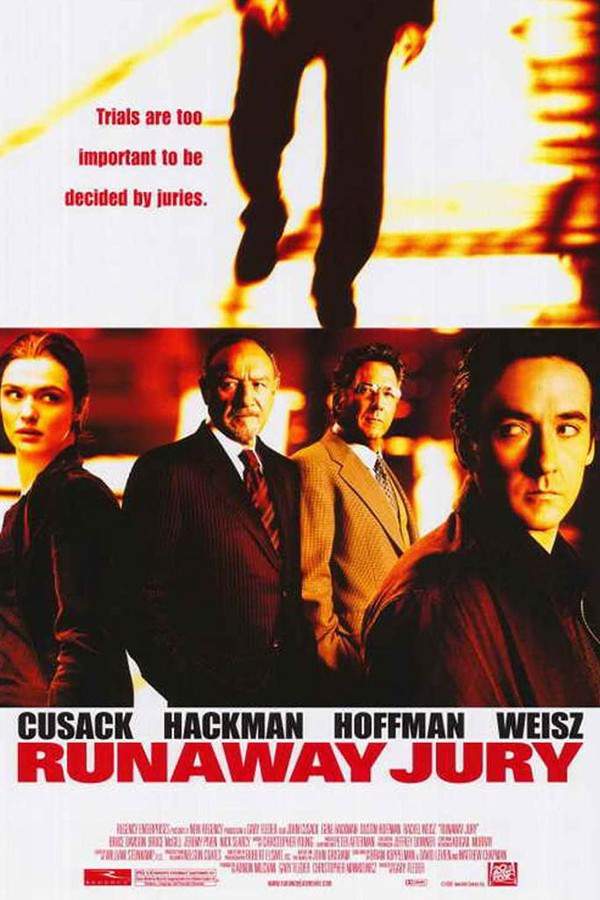
Runaway Jury
2003

Physical Evidence
1989
Narrative Summary
These narratives typically follow a determined protagonist—often an outsider like a journalist, lawyer, or concerned citizen—who stumbles upon a miscarriage of justice. The plot is driven by their frantic investigation, facing obstacles and uncovering conspiracies, all while racing against an immovable deadline, such as an execution or a political vote, which creates a tightly wound, linear structure.
Why These Movies?
Movies are grouped here because they share a core narrative engine: a high-stakes, time-sensitive quest for truth in the face of powerful, corrupt forces. They deliver a consistently tense and anxious viewing experience, blending the procedural elements of a thriller with the heavy emotional weight of a social drama.
Bleak investigative thrillers similar to Somebody Has to Shoot the Picture
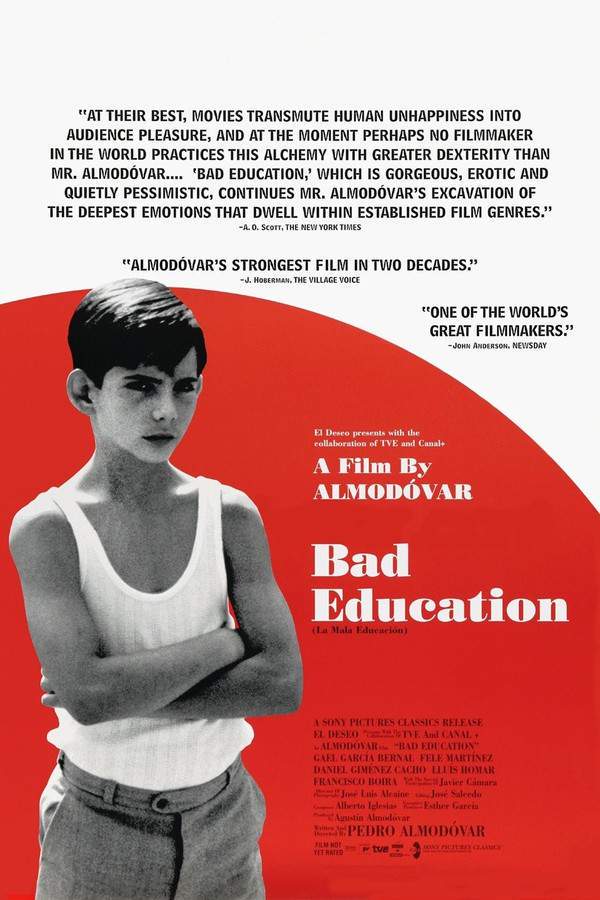
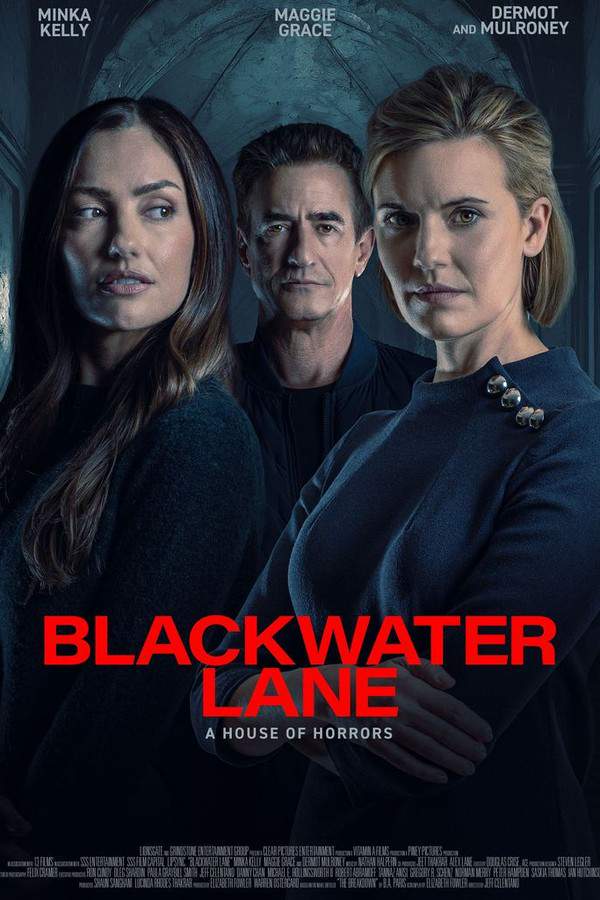
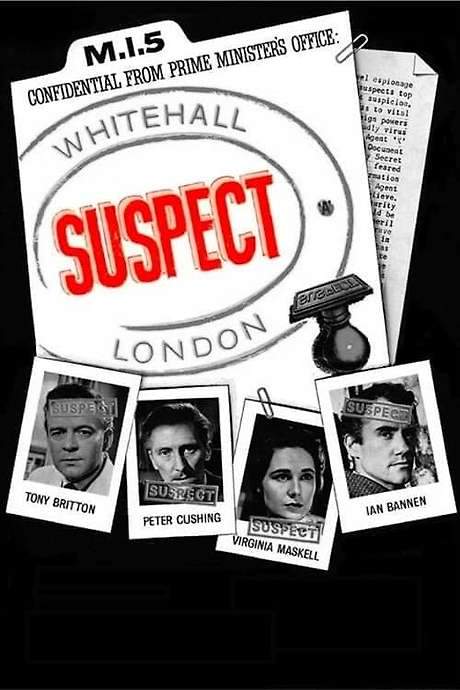
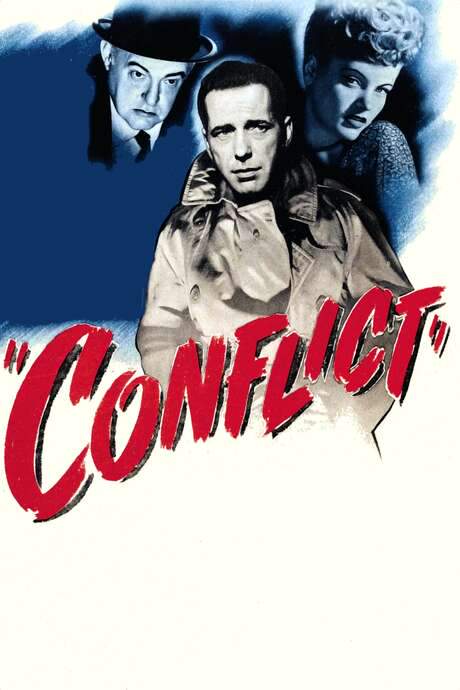
Gripping investigations that uncover hard truths but offer no happy resolutions.Fans of the somber ending and heavy themes in Somebody Has to Shoot the Picture will appreciate these similar movies. This selection features dramatic thrillers where investigations into crime and corruption lead to morally complex and tragically sad outcomes, capturing a similar gritty and impactful vibe.
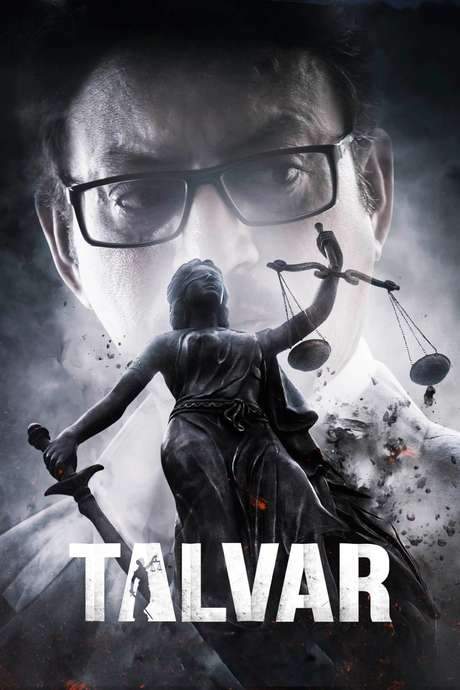




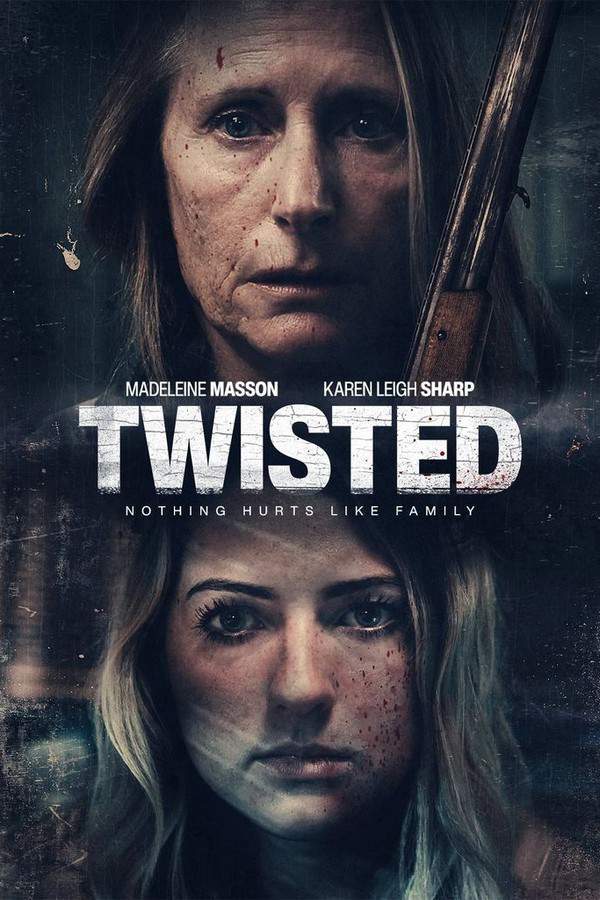
Narrative Summary
The narrative pattern involves a dogged investigation that successfully reveals a dark secret or systemic failure. However, the victory is purely moral or intellectual; the practical outcome is often defeat, loss, or a Pyrrhic victory. The emotional journey is one of determination giving way to somber acceptance or outrage, emphasizing the cost of truth in a flawed world.
Why These Movies?
These films are grouped by their shared commitment to a realistically bleak or sad resolution, distinguishing them from more conventionally heroic stories. They are united by a heavy emotional weight, a somber mood, and themes of moral conflict and the often-futile fight against entrenched power.
Unlock the Full Story of Somebody Has to Shoot the Picture
Don't stop at just watching - explore Somebody Has to Shoot the Picture in full detail. From the complete plot summary and scene-by-scene timeline to character breakdowns, thematic analysis, and a deep dive into the ending - every page helps you truly understand what Somebody Has to Shoot the Picture is all about. Plus, discover what's next after the movie.
Somebody Has to Shoot the Picture Summary
Read a complete plot summary of Somebody Has to Shoot the Picture, including all key story points, character arcs, and turning points. This in-depth recap is ideal for understanding the narrative structure or reviewing what happened in the movie.

Characters, Settings & Themes in Somebody Has to Shoot the Picture
Discover the characters, locations, and core themes that shape Somebody Has to Shoot the Picture. Get insights into symbolic elements, setting significance, and deeper narrative meaning - ideal for thematic analysis and movie breakdowns.


Similar Movies to Somebody Has to Shoot the Picture
Discover movies like Somebody Has to Shoot the Picture that share similar genres, themes, and storytelling elements. Whether you’re drawn to the atmosphere, character arcs, or plot structure, these curated recommendations will help you explore more films you’ll love.
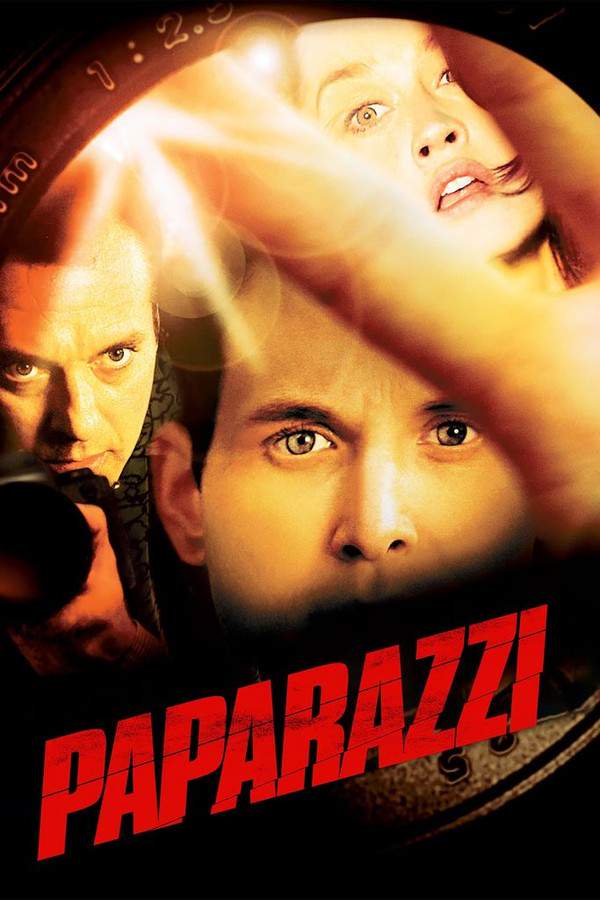
Paparazzi
2004

Shooting Gallery
2005

A Time to Die
1991

Picture Me Dead
2023

Time to Kill
1942

Nick of Time
1995

Shoot to Kill
1947

The Shot in the Talker Studio
1930

The Shot
1969
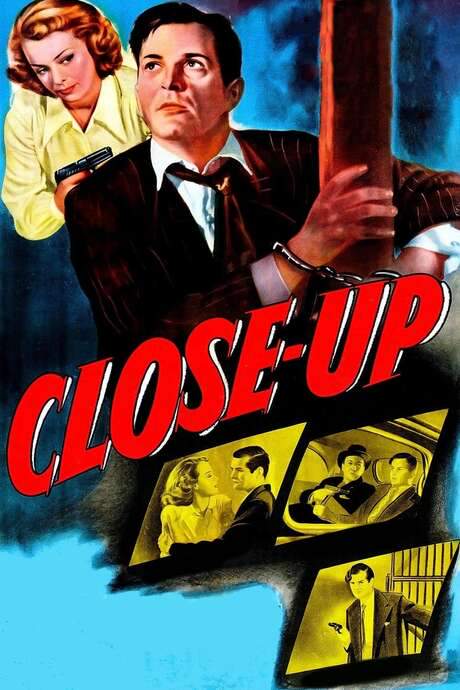
Close-Up
1948

Killing Time
1998

The Girl in the Picture
1957

Murder with Pictures
1936

Time Without Pity
1957

Picture Snatcher
1933
Explore More About Movie Somebody Has to Shoot the Picture
Somebody Has to Shoot the Picture (1990) Plot Summary & Movie Recap
Somebody Has to Shoot the Picture (1990) Scene-by-Scene Movie Timeline
Somebody Has to Shoot the Picture (1990) Spoiler-Free Summary & Key Flow
Movies Like Somebody Has to Shoot the Picture – Similar Titles You’ll Enjoy
Paparazzi (2004) Story Summary & Characters
Shooting Gallery (2005) Complete Plot Breakdown
A Time to Die (1991) Full Movie Breakdown
Picture Me Dead (2023) Complete Plot Breakdown
Time to Kill (1942) Film Overview & Timeline
Nick of Time (1995) Complete Plot Breakdown
Shoot to Kill (1947) Ending Explained & Film Insights
The Shot in the Talker Studio (1930) Spoiler-Packed Plot Recap
The Shot (1969) Plot Summary & Ending Explained
Close-Up (1948) Full Movie Breakdown
Killing Time (1998) Detailed Story Recap
The Girl in the Picture (1957) Ending Explained & Film Insights
Murder with Pictures (1936) Full Movie Breakdown
Time Without Pity (1957) Plot Summary & Ending Explained
Picture Snatcher (1933) Film Overview & Timeline