Plot Explained Spoilers guaranteed!
Plot Explained

Browse by genre

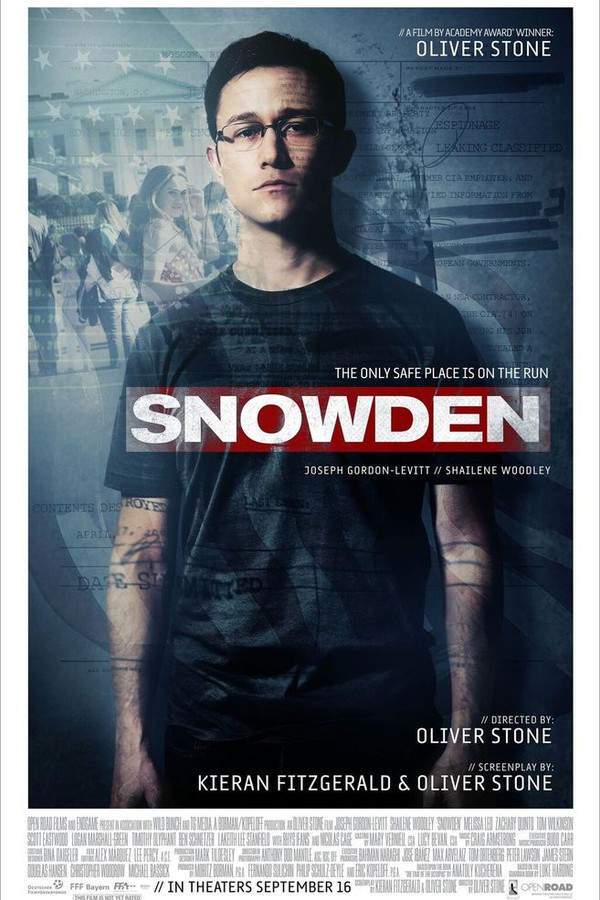
Snowden (2016) movie poster

Plot Summary

Snowden (2016) Plot Summary Explained

Release, runtime and language
2016 · 134 min · English
JustWatch #3,419 10
Directed by
Oliver Stone
Starring
Shailene Woodley, Joseph Gordon-Levitt, Zachary Quinto, Melissa Leo
Budget
$40M

Disillusioned by the National Security Agency's vast digital surveillance programs, Edward Snowden makes the courageous decision to expose the truth to the world. Leaving behind his high-secret role, he leaks classified information, sparking a global debate about privacy, security, and government overreach. His actions earn him both widespread support and intense criticism, forever changing the landscape of intelligence gathering and civil liberties.

On this page (7)
  1. 1 Where to watch
  2. 2 What happens: full plot
  3. 3 Plot questions answered
  4. 4 The book behind the movie
  5. 5 Movie threads
  6. 6 Movies like Snowden
  7. 7 Every angle

Where to watch

Where to Watch Snowden (2016)

Where can you watch Snowden? Stream, rent or buy it in the US, including on Netflix, Netflix Standard and Kanopy: current JustWatch availability with up-to-date prices.

Streaming availability powered by JustWatch

Full plot summary · contains spoilers

What Happens in Snowden: Full Plot Summary

The whole story of Snowden (2016) explained, from the opening scene to the final frame: every key event, every twist and what it all adds up to. Read it as a quick recap before the sequel, to check a scene you missed, or to finally understand what really happened.

In 2013, Edward Snowden, portrayed by Joseph Gordon-Levitt, arranges a secret meeting in Hong Kong with documentary filmmaker Laura Poitras, played by Melissa Leo, and journalist Glenn Greenwald, brought to life by Zachary Quinto. During this critical rendezvous, they engage in discussions about releasing the sensitive information that Snowden possesses, revealing the illegal mass surveillance operations conducted by the National Security Agency (NSA).

The backdrop begins in 2004, when Snowden undergoes basic training after enlisting in the U.S. Army with aspirations to advance into the Special Forces. However, a tibia fracture leads to an administrative discharge, prompting him to seek alternative ways to serve his country. He then applies to the Central Intelligence Agency (CIA) and navigates through the rigorous screening process. Even though his initial answers fall short, Deputy Director Corbin O'Brian, played by Rhys Ifans, takes a chance on him, considering the extraordinary circumstances of the times.

Soon, Snowden finds himself at "The Hill," where he is trained in cyber warfare. He becomes acquainted with the Foreign Intelligence Surveillance Act, which allows for warrant requests that bypass the Fourth Amendment rights of American citizens. Each trainee, including Snowden, is challenged to build a covert communication network within eight hours; impressively, he completes it in just 38 minutes, capturing O'Brian's attention.

In the midst of his training, he meets Lindsay Mills, portrayed by Shailene Woodley, through a dating site. Their relationship flourishes despite significant political differences. By 2007, Snowden embarks on his first assignment abroad in Geneva, taking Mills with him, as he partners with Gabriel Sol (played by Ben Schnetzer), who has extensive experience in electronic surveillance. Through Gabriel, Snowden's eyes are opened to the questionable ethics behind their work, especially when they discover that the U.S. government can access not only public online data but also private information through personal devices.

As moral dilemmas mount, Snowden resigns from the CIA after witnessing the misuse of governmental power in coercing information from innocent individuals. Later, he accepts a position with the NSA in Japan, initially under the guise of developing a program named "Epic Shelter" designed to back up vital data during emergencies. Yet, he soon uncovers alarming practices used by the NSA in collaboration with allied countries, such as implanting malware to control crucial infrastructures if nations were to turn against the U.S. This troubling nature of his work strains his relationship with Mills, prompting her to return to her family in Maryland.

Snowden learns that the NSA possesses the capability to track the digital footprints of virtually every individual globally. In one operation, the surveillance on a single person can extend to over 2.8 million citizens—most of whom are not criminals but merely ordinary people.

Three months later, having left the NSA, Snowden rekindles his relationship with Mills back in Maryland and takes on a consulting role with the CIA. During a hunting excursion, O'Brian discusses an operation linked to countering Chinese hackers, revealing the CIA's strategy in Oahu. After being diagnosed with epilepsy, Mills endorses his participation in the operation, believing the Hawaiian environment might benefit his health.

As Snowden begins work in "The Tunnel," a repurposed World War II bunker used for sophisticated electronic monitoring, he discovers that "Epic Shelter" is used to supply real-time data for U.S. drone pilots launching lethal strikes against terror suspects in Afghanistan. The mounting pressure from combating cyber threats compels Snowden to stop his epilepsy medication, causing friction with Mills.

Disillusioned by his role in these operations, Snowden devises a plan to smuggle a micro-SD card loaded with sensitive data out of the office, cleverly hidden inside a Rubik's Cube. After faking illness to leave, he advises Mills to return to Maryland before contacting Poitras and Greenwald to finalize their upcoming meeting.

With the assistance of journalist Ewen MacAskill (Tom Wilkinson), Snowden's revelations are shared with the world on June 5, 2013, resulting in a series of significant exposés. Following the leaks, he is secretly escorted out of Hong Kong bound for Latin America via Russia. Unfortunately, the U.S. government revokes his passport, leaving him stranded in Moscow. Eventually, he secures asylum for three years, with Mills joining him later on. Committed to activism, Snowden continues his fight for transparency and justice.
Last updated: November 03, 2024 at 11:14

Was this helpful?

Plot questions answered

Snowden Plot Explained: Your Questions Answered

The questions people ask most about Snowden (2016): what happens in the confusing scenes, why the characters do what they do, the twists, hidden details and what the ending means. Each answer contains spoilers.

Q1

Why did Edward Snowden decide to leak classified NSA documents?

Snowden decided to leak the documents after witnessing widespread illegal mass surveillance operations that affected millions of innocent people. While working at the NSA in Japan, he discovered that the agency could track digital footprints of virtually every individual globally, with single operations extending to over 2.8 million citizens who were not criminals. The final breaking point was learning that data from his program 'Epic Shelter' was being used to assist drone pilots in launching lethal strikes in Afghanistan, combined with his earlier experiences witnessing ethical violations in Geneva and the coercive misuse of power by the CIA.

Foreshadowing: Earlier in Geneva, his partner Gabriel Sol exposed him to the questionable ethics behind electronic surveillance, planting the seeds of disillusionment.

  • edward snowden
  • nsa leak
  • mass surveillance
  • whistleblower
  • motivation
Q2

How did Edward Snowden smuggle the classified data out of the NSA?

Snowden devised a clever plan to smuggle a micro-SD card loaded with sensitive data by hiding it inside a Rubik's Cube. He faked illness to leave the office unnoticed, avoiding the typical security checks that would have detected the data on a USB drive or computer. This method allowed him to carry the classified information past security personnel without raising suspicion.

  • snowden rubik's cube
  • smuggling data
  • nsa leak method
  • micro-sd card
Q3

Why did Deputy Director Corbin O'Brian recruit Snowden to the CIA despite his initial shortcomings?

Deputy Director Corbin O'Brian saw exceptional potential in Snowden despite his initially inadequate answers during the screening process. O'Brian took a chance on him, considering the extraordinary circumstances of the times when the CIA needed talented individuals for cyber warfare operations. Snowden validated this faith by completing a challenging task to build a covert communication network in just 38 minutes, far surpassing the eight-hour expectation.

  • corbin o'brian
  • cia recruitment
  • snowden training
  • the hill
  • cyber warfare
Q4

What did Edward Snowden discover in Geneva that changed his perspective?

In Geneva in 2007, Snowden partnered with Gabriel Sol, an experienced surveillance operative, who exposed him to the unethical practices of U.S. government surveillance. Through Gabriel, Snowden learned that the government could access not only public online data but also private information through personal devices of ordinary citizens. This experience opened his eyes to the moral corruption behind their work and marked the beginning of his ideological shift.

  • geneva
  • snowden gabriel sol
  • surveillance ethics
  • electronic surveillance
  • cia operations
Q5

What was the 'Epic Shelter' program actually used for?

Although Snowden was told Epic Shelter was designed to back up vital data during emergencies, he discovered it was actually supplying real-time data for U.S. drone pilots launching lethal strikes against terror suspects in Afghanistan. The program monitored digital communications to help target individuals, meaning Snowden's work was directly contributing to killing people, not just protecting data.

  • epic shelter
  • drone strikes
  • afghanistan
  • nsa program
  • surveillance data
Q6

Why did Edward Snowden stop taking his epilepsy medication?

Snowden stopped taking his epilepsy medication because the mounting pressure from his operations at 'The Tunnel' required him to remain alert and focused. The intense work of monitoring electronic communications for drone strike operations demanded peak cognitive function, and the medication caused drowsiness that interfered with his ability to perform. This decision contributed to further strain in his relationship with Lindsay Mills.

  • epilepsy medication
  • health
  • stress
  • the tunnel
  • snowden lindsay mills
Q7

How did Edward Snowden end up stranded in Moscow?

After the leaks were published on June 5, 2013, Snowden was secretly escorted out of Hong Kong bound for Latin America. However, the U.S. government revoked his passport while he was in transit, leaving him stranded in Moscow airport. He was unable to continue his journey and was forced to remain in Russia. Eventually, he secured asylum in Russia for three years, where Lindsay Mills later joined him.

  • moscow
  • russia
  • passport revoked
  • exile
  • hong kong
Q8

Why did Snowden choose Laura Poitras and Glenn Greenwald to expose the information?

Snowden specifically chose documentary filmmaker Laura Poitras and journalist Glenn Greenwald because he trusted their commitment to factual reporting and their ability to handle sensitive material responsibly. Poitras was known for her investigative work on government practices, and Greenwald had a strong track record of covering civil liberties and security issues. Snowden reached out to them directly after leaving the NSA, arranging a secret meeting in Hong Kong to finalize the disclosure plan.

  • laura poitras
  • glenn greenwald
  • journalists
  • whistleblowing
  • hong kong meeting
Q9

What was the significance of the 2.8 million citizens under surveillance?

Snowden discovered that in single surveillance operations, the NSA could track the digital footprints of over 2.8 million citizens, most of whom were not criminals but ordinary people. This revealed the massive scope of mass surveillance that extended far beyond legitimate national security targets. The figure symbolized how the NSA's programs swept up innocent civilians in dragnet surveillance, violating privacy rights on an unprecedented scale.

  • 2.8 million
  • mass surveillance
  • privacy violations
  • nsa programs
  • citizens
Q10

Why did Lindsay Mills return to Maryland?

Lindsay Mills returned to Maryland because the troubling nature of Snowden's NSA work and the secrets he was keeping created increasing strain in their relationship. She felt disconnected from him as he became more involved in operations that troubled his conscience. Additionally, Snowden encouraged her to leave, knowing that his upcoming actions would put both of them at risk if she remained nearby.

  • lindsay mills
  • maryland
  • relationship strain
  • secrets
  • separation
Q11

What triggered Snowden to leave the CIA and join the NSA?

Snowden resigned from the CIA after witnessing the misuse of governmental power in coercing information from innocent individuals. This ethical breaking point made him leave the CIA, but he continued working in intelligence. He then accepted a position with the NSA in Japan, initially under the guise of developing the 'Epic Shelter' program, not knowing the darker purposes it would serve.

  • cia resignation
  • nsa job
  • ethics
  • government overreach
  • japan
Q12

What was 'The Tunnel' where Snowden worked in Hawaii?

'The Tunnel' was a repurposed World War II bunker in Hawaii used for sophisticated electronic monitoring operations. It served as the nerve center for intelligence gathering against cyber threats. This is where Snowden discovered the true purpose of 'Epic Shelter', providing real-time data for drone strikes in Afghanistan, and where the mounting pressure led him to stop his epilepsy medication.

  • the tunnel
  • hawaii
  • bunker
  • world war ii
  • electronic monitoring
Q13

Why did the CIA recruit Snowden despite his Army discharge?

After enlisting in the U.S. Army in 2004 with hopes of joining the Special Forces, Snowden suffered a tibia fracture that led to an administrative discharge. Despite this setback, he remained determined to serve his country through intelligence work. His technical skills and patriotism led him to apply to the CIA, where his abilities in technology and cyber operations made him an attractive candidate despite his medical discharge.

  • army discharge
  • tibia fracture
  • cia application
  • special forces
  • recruitment
Q14

What was the global impact of Snowden's leaks?

On June 5, 2013, Snowden's revelations were published, resulting in a series of significant exposés about NSA mass surveillance programs. The disclosures sparked a global debate about privacy, security, and government overreach. The leaks forever changed the landscape of intelligence gathering and civil liberties, forcing governments worldwide to reassess their surveillance practices and leading to increased public awareness about digital privacy rights.

  • global impact
  • privacy debate
  • government overreach
  • civil liberties
  • surveillance programs

Movie threads

More Movies Like Snowden, by Mood & Story

Curated lists built around what makes Snowden tick: the same mood, the same kind of story or the same emotional payoff. Each list explains why these movies belong together.

High-Stakes Whistleblower Movies like Snowden

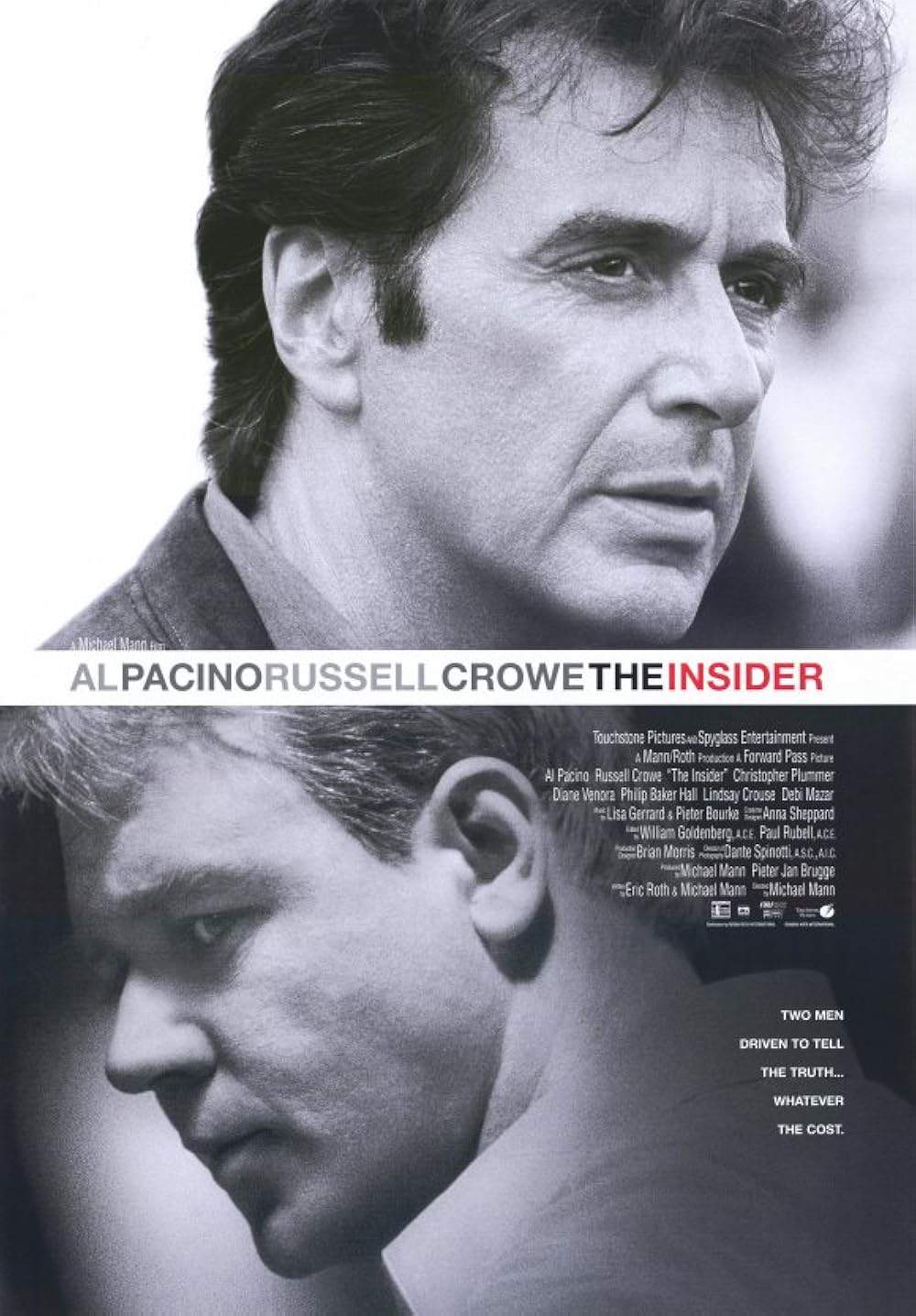
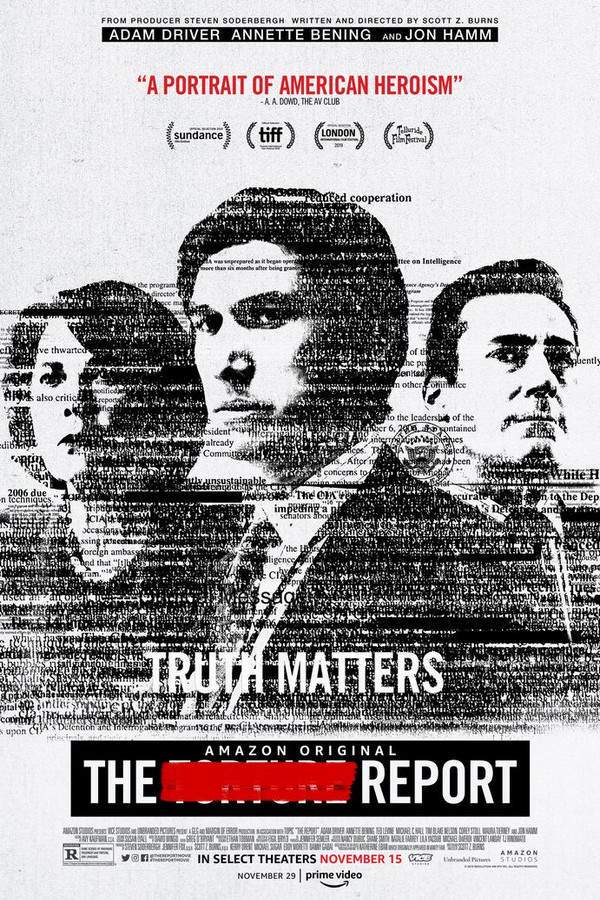
Tense journeys of individuals risking everything to expose a dangerous secret. If you were captivated by Snowden's tense story of ethical conflict and exposure, you'll find similar movies here. This collection gathers thrillers and dramas about individuals risking everything to reveal dangerous truths, perfect for fans of morally complex, politically charged narratives.

  • urgent
  • paranoid
  • suspenseful
  • moral conflict
  • anxious
  • thought-provoking
  • Tone: tense, morally conflicted
  • Pacing: steady, building suspense
Why these movies?

The story pattern: The narrative typically centers on an insider who discovers a systemic injustice or conspiracy. The core conflict is internal, as the protagonist weighs their loyalty, safety, and ethics against the greater good. The plot unfolds with increasing paranoia and suspense, culminating in a life-altering act of exposure.

Why they belong together: These films are grouped together because they share a specific, powerful character arc—the transformation of an insider into a fugitive truth-teller. They consistently deliver a tense, urgent atmosphere, a heavy emotional weight focused on sacrifice, and a deep exploration of moral and political dilemmas.

Claustrophobic Tech-Paranoia Movies similar to Snowden

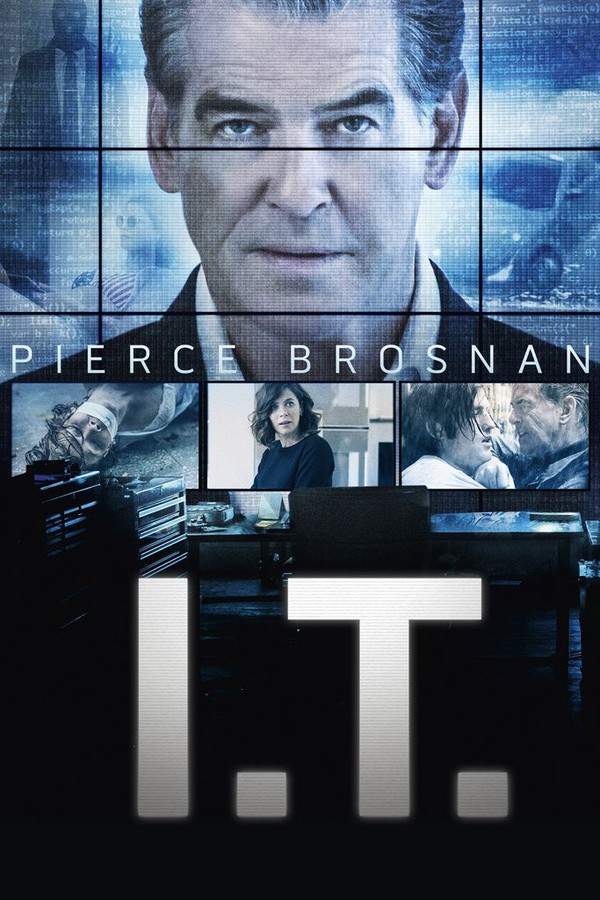
Stories where technology creates an inescapable atmosphere of surveillance and anxiety. For viewers who appreciated the claustrophobic, uneasy atmosphere of surveillance in Snowden, this thread features films with a similar tech-paranoia vibe. Discover thrilling stories where characters grapple with the oppressive nature of digital monitoring and the loss of personal privacy.

  • paranoid
  • claustrophobic
  • anxious
  • suspenseful
  • thought-provoking
  • urgent
  • Tone: tense, paranoid, anxious
  • Pacing: steady, deliberate
Why these movies?

The story pattern: The narrative often follows a character slowly realizing the extent to which they are monitored, leading to a crisis of trust and a struggle against a faceless, digital system. The world itself feels like an antagonist, creating a slow-burn tension that builds towards a revelation or desperate act.

Why they belong together: This thread connects movies through their shared atmosphere and core theme. The key similarity is the feeling of modern technological systems creating a cage of paranoia and control. They prioritize a tense, anxious mood and a thought-provoking exploration of privacy versus security.

If you liked this

Movies Like Snowden

Similar movies to Snowden: the same genre, themes or kind of story. Each one comes with its own plot summary, timeline and ending explained.

Browse all movie summaries

Every angle

Snowden (2016) Explained: Plot, Timeline & Characters

Everything about Snowden in one place: what happens in the plot summary, the timeline in chronological order, the characters and meaning and a spoiler-free summary. What's After the Movie adds the cast, box office and post-credit scenes.

Coming soon on iOS and Android

The Plot Explained Movie Summary App

Plot summaries, endings explained and timelines on your phone. Catch up on any movie in minutes, save your favorites and never miss a twist again.

Be the first to know when we launch. Your email stays private, always.

Learn more about the app