Plot Explained Spoilers guaranteed!
Plot Explained

Browse by genre

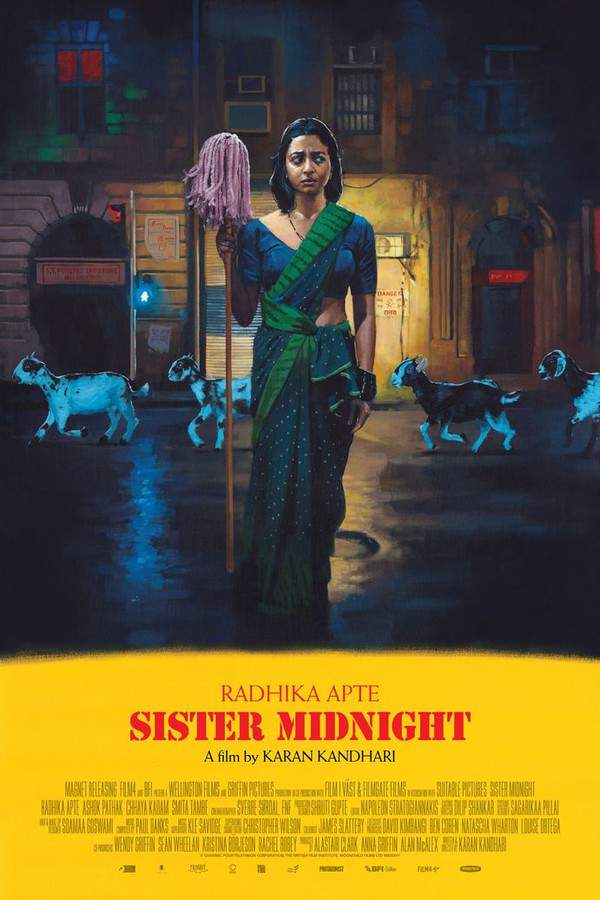
Sister Midnight (2025) movie poster

Timeline

Sister Midnight (2025) Timeline Explained – Every Event in Order

Release, runtime and language
2025 · 1 h 50 m · English
Echo score 78
Loading streaming availability…
Directed by
Karan Kandhari
Starring
Ashok Pathak, Radhika Apte, Chhaya Kadam, Smita Tambe, Navya Sawant, Dev Raaz

Uma, a rebellious young woman, leaves her small town for Mumbai, hoping for a fresh start. However, she finds herself ill-prepared for the challenges of domestic life and clashes with her neighbors while struggling to adjust to the intense urban environment. Feeling trapped by the expectations placed upon her, she decides to forge her own path and escape the constraints of traditional roles.

On this page (6)
  1. 1 Where to watch
  2. 2 Events in order (15)
  3. 3 Timeline questions answered
  4. 4 Movie threads
  5. 5 Movies like Sister Midnight
  6. 6 Every angle
Loading streaming availability…

15 events in order · contains spoilers

Sister Midnight Timeline: Events in Chronological Order

Every key event of Sister Midnight (2025) in order, scene by scene, with when and where it takes place. Use it to untangle flashbacks, time jumps and parallel storylines, to refresh your memory before the sequel or to find the exact scene you are thinking of.

  1. Arranged marriage in the slums

    Uma enters into an arranged marriage with Gopal, a shy and meek man deemed undesirable by her family. The decision is framed as duty, not choice, and her childhood dream of a different life fades. The couple's home in the Mumbai slums becomes a claustrophobic prison where loud streets and thin walls suffocate her.

    When
    childhood
    Where
    Mumbai slums, Uma's home
  2. Confinement of the new home

    Uma moves into Gopal's tiny room and immediately senses the confinement of her new life. She notes that her husband is afraid of her and that the room lacks sunlight, draining her spirit. The walls feel like watching eyes and the sense of entrapment hardens.

    When
    immediate after marriage
    Where
    Gopal's room, Mumbai slums
  3. Escape plan and failed trip

    Driven by a longing for freedom, Uma tells Gopal that she wants to travel. They set out on a poorly planned excursion and quickly realize they are unprepared for what lies ahead. The trip ends in disappointment as they return home defeated.

    When
    shortly after marriage
    Where
    Mumbai
  4. Friendship with Sheetal and cooking lessons

    Uma befriends Sheetal, her bored neighbor, and learns cooking from her. Sheetal becomes a confidante who understands Uma all too well. The new skill gives Uma a small sense of agency within an oppressive routine.

    When
    early days after meeting
    Where
    Sheetal's home, Mumbai
  5. Working to escape marriage

    To escape the monotony, Uma takes a clerical job at a nearby office and jokes about being the goddess of cleaning. The job helps her physically separate from Gopal and find space in the day for herself. It marks a small but meaningful step toward independence.

    When
    one day
    Where
    Office near home
  6. Illness and metamorphosis begins

    Uma’s health deteriorates; she stops eating and grows gaunt, confusing those around her as food poisoning or illness. As her strength wanes, a strange hunger gnaws at her and hints at a vampire like transformation. The change signals a new power awakening beyond ordinary life.

    When
    weeks after starting job
    Where
    home, Mumbai
  7. Night predator emerges

    By night, Uma becomes a predator, feeding on birds and other creatures to quell her hunger. The birth of her vampiric nature becomes undeniable as hunger guides her actions. She learns to survive by embracing this nocturnal hunger.

    When
    night
    Where
    Mumbai nights
  8. Gopal death during intimacy

    Uma and Gopal spend a day together exploring Mumbai and their bond deepens. During their lovemaking, Uma’s vampiric nature surfaces and Gopal dies. The loss devastates Uma and forces her to confront the consequences of her transformation.

    When
    afternoon
    Where
    Mumbai beach
  9. Decomposition and planning to hide the death

    Gopal's death leaves Uma terrified as his body begins to decompose. She decorates him with flowers and lights to turn the corpse into a divine idol and hide the crime. The fear of discovery drives her to isolate herself from the neighborhood.

    When
    immediate aftermath
    Where
    Uma's home, Mumbai
  10. Neighbor curious and killed

    An inquisitive neighbor is killed when they press for answers; Uma chops the body and throws it into the woods. The act marks a darker turning point as she becomes a killer to protect her secret. The neighborhood whispers grow louder as she tries to vanish.

    When
    night
    Where
    outside her house and nearby woods
  11. Cremation aided by trans friends

    With the help of a group of trans friends who adore Uma, they move the body out of the house and help her cremate Gopal. The act gives Uma a sense of belonging and practical support in her harsh world. It also demonstrates a community that accepts her despite the fear she inspires.

    When
    cremation day
    Where
    outskirts of the city
  12. Rescue by Buddhist nuns

    Uma collapses on the road and is rescued by female Buddhist monks. They patch her wounds, feed her, and tell stories of choosing freedom from social norms. The encounter offers shelter and a glimpse of a path beyond fear.

    When
    after collapse
    Where
    monastery
  13. House attacked by mob and burned

    Back in her neighborhood, men with flaming torches surround her house and burn it down. Birds escape from the inferno as the crowd wrongly believes she is inside. The destruction forces Uma to flee once more into the city.

    When
    night
    Where
    neighborhood, Mumbai
  14. Rescue and departure to the Himalayas

    Sheetal and a few friends arrive in a car with fresh clothes and supplies to help Uma. They drive her to a railway station where she boards the Himalayan Express, claiming a new face and a new identity. The group shows her that she can choose her own fate even if it means leaving behind her old life.

    When
    late night
    Where
    city streets to railway
  15. Final transformation and freedom

    On the Himalayan Express, Uma fully embraces her true identity. She reveals a new face and drapes herself in a black saree with black lipstick and fangs. She chooses to be a vampire and monster rather than a powerless wife, signaling a complete transformation and new freedom.

    When
    departure
    Where
    Himalayan Express, on the train

Last updated: April 07, 2026 at 21:05

Was this helpful?

Timeline questions answered

Sister Midnight Timeline Explained: Your Questions Answered

When does it happen, and why in that order? The questions people ask about the chronology of Sister Midnight (2025): time jumps, flashbacks, cause and effect between scenes and the correct order of events, each answered with spoilers.

Q1

Why does Uma become a vampire in the film

Uma's transformation into a vampire begins after she stops eating and her health deteriorates. The summary describes her as experiencing a strange hunger that awakens at night, and she starts hunting birds and other creatures. This metamorphosis is presented as both a literal transformation and a symbolic representation of her breaking free from the passive, oppressed role that society imposed on her as a wife.

Foreshadowing: Earlier scenes hint at her growing restlessness and inability to eat, suggesting her body is undergoing a radical change.

  • vampire transformation
  • Uma transformation
  • supernatural hunger
  • metamorphosis
Q2

How does Gopal die in Sister Midnight

Gopal dies during a moment of intimacy with Uma at the beach. While they are making love, Uma's vampiric nature surfaces and she kills him. This is the first time her transformation directly causes violence against someone close to her, marking a turning point where her new identity conflicts violently with her old life.

Foreshadowing: The story establishes that Uma's hunger grows stronger at night and her vampiric nature becomes undeniable before this event.

  • Gopal death
  • beach scene
  • Uma kills Gopal
  • vampiric nature
Q3

Why does Uma kill the neighbor who investigates

Uma kills the neighbor after he becomes curious about the strange smells and sounds coming from her home following Gopal's death. When he presses for answers about what's happening in the house, she attacks and kills him, then chops the body and disposes of it in the woods. This act represents her desperate attempt to protect her secret and maintain the fragile existence she has built.

Foreshadowing: The decomposition of Gopal's body has already begun, and Uma has been decorating him with flowers and lights to hide the crime, which naturally draws attention.

  • neighbor murder
  • killing
  • cover up
  • Gopal body
Q4

Who helps Uma dispose of Gopal's body

A group of transgender friends who admire Uma help her move Gopal's body out of the house and assist with the cremation. This community provides practical support and acceptance during her darkest moment, demonstrating that she has found a chosen family beyond the traditional structures that trapped her.

Foreshadowing: Earlier in the film, Uma begins to find companionship outside conventional society, laying groundwork for these relationships.

  • trans friends
  • cremation help
  • community support
  • chosen family
Q5

What happens when Uma collapses after the cremation

After the cremation, Uma collapses on the road and is rescued by Buddhist nuns who take her to a monastery. They feed her, tend to her wounds, and share stories about choosing freedom from social norms. This encounter provides her with temporary shelter and a glimpse of an alternative life path centered on faith and sisterhood.

Foreshadowing: Uma has already rejected traditional roles and expectations, making her receptive to communities that embrace different ways of living.

  • Buddhist nuns
  • monastery rescue
  • spiritual community
  • collapse
Q6

Why does the mob burn Uma's house

When Uma returns to her neighborhood, a mob of men with torches surrounds her house and burns it down. The attack represents an act of retribution fueled by superstition and fear of her perceived witchcraft or monstrous nature. The crowd mistakenly believes she is inside, but birds flying from the ruined home signal her escape.

Foreshadowing: The neighborhood has already grown unsettled by the strange rituals and smells emanating from Uma's home.

  • mob attack
  • house burning
  • neighborhood persecution
  • superstition
Q7

How does Uma escape the mob with Sheetal's help

Sheetal and a circle of friends arrive in a car with fresh clothes and supplies during the crisis. They drive Uma to a railway station, helping her escape the mob that surrounds their vehicle. This moment demonstrates that despite the danger, Uma has formed genuine bonds of solidarity that enable her survival.

Foreshadowing: Sheetal has been Uma's ally throughout the film, understanding her confinement and supporting her small acts of rebellion.

  • Sheetal rescue
  • railway station escape
  • friend loyalty
  • car escape
Q8

What does the Himalayan Express represent at the end

The Himalayan Express represents Uma's final departure from her old life into freedom. On the train, she adopts a dramatic appearance with black saree, black nails, black lipstick, and bared fangs. She tells a passenger she has got a 'new face' and fully embraces her identity as a vampire, choosing to live as a monster rather than return to her oppressed existence as a wife.

Foreshadowing: Throughout the film, Uma progressively rejects the expectations placed upon her, with each transformation bringing her closer to this final self-actualization.

  • Himalayan Express
  • train journey
  • new identity
  • final transformation
Q9

Is the vampire transformation symbolic in the film

Yes, the vampirism serves as a clear metaphor for societal oppression. The summary explicitly states that vampirism functions as a metaphor for 'the suffocating practice of marrying a stranger and becoming a passive spectator of one's own life.' Uma's transformation from a trapped wife into a predatory, nocturnal creature represents her rejection of traditional gender roles and her reclamation of agency through deliberately chosen ferocity.

Foreshadowing: From the beginning, Uma feels suffocated by her domestic situation and the lack of sunlight in her cramped room.

  • vampire metaphor
  • oppression symbolism
  • gender roles
  • societal critique
Q10

Why does Uma decorate Gopal's body with flowers and lights

After Gopal dies, Uma decorates his decomposing body with flowers and lights, attempting to transform the corpse into a quasi-divine idol. This act serves to hide the crime from neighbors while also representing her attempt to make sense of the traumatic loss and create meaning from the consequences of her transformation.

Foreshadowing: Uma has been searching for ways to escape her trapped existence throughout the film, and this desperate act continues that pattern.

  • Gopal body
  • flowers lights
  • hiding death
  • ritual
Q11

What is the significance of the ascetic who touches Uma with ashes

An ascetic approaches Uma and rubs his own ashes onto her face, creating a stark moment of contact with mortality. This strange exchange is followed by quiet solidarity as he helps collect the ashes and shares a reverent stillness with her. The moment represents a confrontation with death and impermanence that connects to her vampiric nature and transformation.

Foreshadowing: Earlier, Uma has already experienced death multiple times and is navigating her own mortality through her transformation.

  • ascetic
  • ashes
  • mortality
  • spiritual encounter
Q12

What do the birds represent when they fly from the burning house

The birds flying from the burning house serve as a symbol of defiant survival. When the mob burns her house believing Uma is inside, birds escape the flames, suggesting that not everything can be destroyed and that some form of life persists despite the attack. This imagery reinforces the film's theme of transformation and escape from confining circumstances.

Foreshadowing: Earlier, Uma herself becomes a night predator who hunts birds, creating a symbolic connection between them.

  • birds escape
  • burning house
  • survival symbol
  • fire scene

Movie threads

More Movies Like Sister Midnight, by Mood & Story

Curated lists built around what makes Sister Midnight tick: the same mood, the same kind of story or the same emotional payoff. Each list explains why these movies belong together.

Movies about urban alienation and monstrous liberation like Sister Midnight

Characters pushed to their breaking point by the oppressive city. Explore films like Sister Midnight where characters undergo radical transformations to escape urban oppression. These movies share a dark tone, heavy emotional weight, and themes of societal rebellion, offering a similar experience of claustrophobic city life leading to monstrous self-discovery.

  • claustrophobic
  • unsettling
  • rebellious
  • suffocating
  • lonely
  • absurd
  • Tone: dark, unsettling
  • Pacing: steady, methodical
Why these movies?

The story pattern: A protagonist, often an outsider, arrives in a sprawling city hoping for a new life, only to be suffocated by its demands, loneliness, and rigid social structures. Their internal struggle against these pressures manifests in a literal or metaphorical metamorphosis, leading to a violent or surreal break from societal norms and a new, albeit monstrous, form of freedom.

Why they belong together: These films are grouped by their shared exploration of the city as a source of profound alienation and their use of dark, often supernatural, metaphors for psychological breakdown and rebellion. They deliver a consistent vibe of claustrophobia, intense emotional pressure, and a bittersweet victory born from extreme transformation.


Movies about female rebellion against patriarchy like Sister Midnight

Women violently breaking free from oppressive domestic roles. Discover films similar to Sister Midnight that focus on women violently overthrowing oppressive systems. If you liked the themes of marital entrapment and monstrous metamorphosis, these movies offer more stories of heavy, dark, and transformative female rebellion.

  • rebellious
  • suffocating
  • unsettling
  • triumphant
  • violent
  • claustrophobic
  • Tone: dark, bleak
  • Pacing: steady, deliberate
Why these movies?

The story pattern: A woman is ensnared in a domestic situation defined by tradition and male control, feeling her identity and agency erode. The internal pressure to conform clashes with a deep-seated desire for freedom, culminating in a graphic, often supernatural, act of violence that serves as both a destruction of her prison and a rebirth into a new, empowered, yet isolated state.

Why they belong together: This thread connects films through their core theme of female rage and liberation. They share a dark, heavy tone and a high-intensity viewing experience, using similar narrative devices like body horror to visualize the psychological cost of rebellion and the bittersweet nature of freedom won through drastic means.

If you liked this

Movies Like Sister Midnight

Similar movies to Sister Midnight: the same genre, themes or kind of story. Each one comes with its own plot summary, timeline and ending explained.

Browse all movie summaries

Every angle

Sister Midnight (2025) Explained: Plot, Ending, Timeline & Characters

Everything about Sister Midnight in one place: what happens in the plot summary, the timeline in chronological order, the characters and meaning, the ending explained and a spoiler-free summary. What's After the Movie adds the cast, box office and post-credit scenes.

Coming soon on iOS and Android

The Plot Explained Movie Summary App

Plot summaries, endings explained and timelines on your phone. Catch up on any movie in minutes, save your favorites and never miss a twist again.

Be the first to know when we launch. Your email stays private, always.

Learn more about the app