In the spring of 1915 the RMS Lusitania cuts a glittering path across the Atlantic, a floating palace that carries the hopes, anxieties, and disparate stories of a world teetering on the brink of war. The film places the vessel against a backdrop of uneasy peace, where newspaper headlines warn of hidden dangers beneath the waves and the whisper of conflict lingers in every port. The grandeur of the liner is contrasted with the stark, cold expanse of the sea, creating a tone that feels both majestic and fragile, as if the ship itself is a character caught in an invisible net of history.
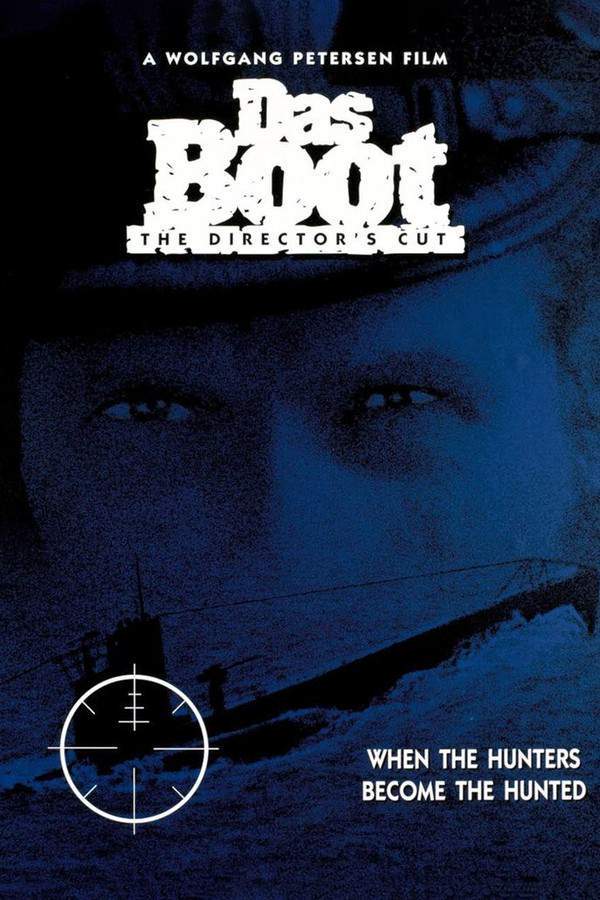
At the heart of the narrative are several figures whose lives intersect aboard the great ship. Captain Turner commands the Lusitania with a steady hand, embodying the weight of responsibility that comes with steering such a massive vessel through uncertain waters. Across the ocean, Kapitanleutnant Schwieger leads his U‑boat crew, offering a glimpse into the eyes of those who patrol the silent depths, bound by duty and the brutal calculus of war. Among the passengers, Theodate Pope travels with her companion Edwin Friend, their refined social world a delicate bubble in the bustling deck. Charles Lauriat, an American publisher, carries the pulse of the New World, while Sir Hugh Lane brings the fervor of art and nationalism, each dialogue layer adding texture to the mosaic of humanity aboard.
The story unfolds as a tapestry of eyewitness accounts, stitching together the voices of sailors, Admiralty officials, and ordinary travelers into a unified, almost documentary‑like experience. By weaving these perspectives, the film cultivates a sense of mounting tension without ever resolving it, inviting the audience to feel the looming threat that hangs over the oceanic highway. Its visual palette balances the opulent interiors with the cold, blue horizon, while a restrained score underscores the uneasy calm before an inevitable storm, leaving viewers poised on the edge of anticipation.