Plot Explained Spoilers guaranteed!
Plot Explained

Browse by genre

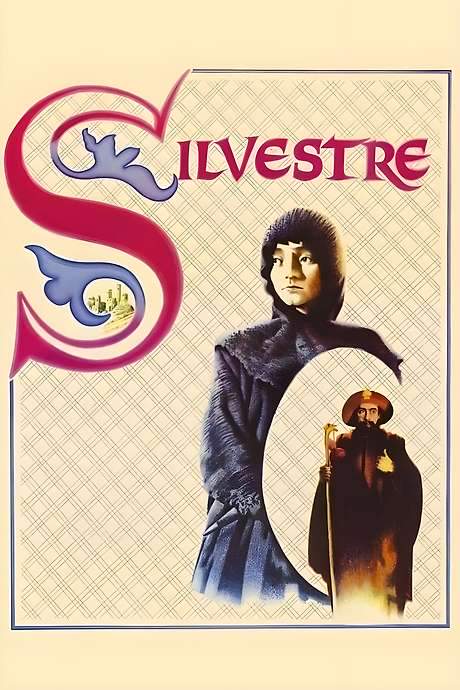
Silvestre (1981) movie poster

Plot Summary

Silvestre (1981) Plot Summary Explained

Release, runtime and language
1981 · 120 mins · Portuguese
Loading streaming availability…
Starring
Teresa Madruga, Maria de Medeiros, Luís Miguel Cintra, José Mário Branco, João Perry, Manuela de Freitas

A bewitching combinatory adaptation of the Bluebeard tale and a 15th century Portuguese fable of a damsel who disguises herself as a knight errant.

On this page (6)
  1. 1 Where to watch
  2. 2 What happens: full plot
  3. 3 Plot questions answered
  4. 4 Movie threads
  5. 5 Movies like Silvestre
  6. 6 Every angle
Loading streaming availability…

Full plot summary · contains spoilers

What Happens in Silvestre: Full Plot Summary

The whole story of Silvestre (1981) explained, from the opening scene to the final frame: every key event, every twist and what it all adds up to. Read it as a quick recap before the sequel, to check a scene you missed, or to finally understand what really happened.

In 15th-century Portugal, the daughters of nobleman Don Rodrigo João Guedes give shelter to a stranger who identifies himself as a pilgrim on the Saint James Way, a traveler later revealed to be more than he seems. The encounter sets off a dangerous chain of events, beginning with an assault on Sílvia’s sister and leaving her younger sibling Sílvia to defend herself by severing the attacker’s hand, a stark token kept hidden at home as a grim reminder of what happened. The family returns, and life resumes under a tense shadow as Sílvia becomes involved with a dashing, though somewhat foppish, suitor, while the household is still haunted by the visitor’s threat.

A knight arrives, seeking Sílvia’s hand with a challenge: he will win her through combat by slaying a dragon that Sílvia herself had tamed as a pet. The knight Luís Miguel Cintra defeats the dragon, and the moment is captured in a tableau so iconic that it becomes the film’s poster, a still image that lingers as a symbolic victory. Sílvia and her sister Susana—Susana—then move to the knight’s castle, where they uncover the knight’s true identity as the pilgrim he once appeared to be, a man seeking vengeance in a hidden guise. Susana helps Sílvia escape, and the two return to their father’s manor, the looming threat never far away.

When the king of Portugal issues orders to march against the knight’s allies while searching for Don Rodrigo, Sílvia disguises herself as a knight named “Silvestre” to aid in the war. During this campaign, she forms a close bond with her Alferes Xosé Maria Straviz, a rank that echoes continental European military structures. An injury exposes Sílvia’s gender, forcing a difficult choice between continuing the disguise and reclaiming her civilian life. Yet her feelings for the commander who sheltered her abroad deepen, pulling her toward a more intimate future.

A stranger arrives at court, presenting himself as the rightful heir of an outcast line and offering a swap: the warrior maiden’s hand in marriage in exchange for Don Rodrigo’s release. The proposal sets the stage for a dramatic confrontation during a feasting scene, but the tension erupts when Susana reveals the severed hand, exposing the stranger as the same undead figure who had taken on multiple disguises—the pilgrim and the knight—seeking control through deception. In a desperate bid to strike at Sílvia, the impostor’s plan collapses as the Alferes intervenes, saving her life and sealing the couple’s fate in a move toward an ethereal, almost astral, resolution where hope persists beyond the feast.

Throughout the film, the cast’s characters blend myth and danger with personal longing, and the narrative unfolds with a patient, almost ceremonial pace that emphasizes identity, disguise, and the costs of love. The king’s voice—delivered in a brief cameo by director João César Monteiro—surfaces as a distant, authoritative thread guiding the broader pursuit, while the core relationship between Sílvia and the knight who becomes her unlikely ally drives the story toward a final, otherworldly cadence.

Last updated: November 22, 2025 at 16:00

Was this helpful?

Plot questions answered

Silvestre Plot Explained: Your Questions Answered

The questions people ask most about Silvestre (1981): what happens in the confusing scenes, why the characters do what they do, the twists, hidden details and what the ending means. Each answer contains spoilers.

Q1

Why did Silvia sever the pilgrim's hand?

Silvia severed the pilgrim's hand to defend her sister Teresa after the stranger assaulted her. When the pilgrim attacked Teresa, Silvia intervened and cut off his hand as the only way to stop the attack. She kept the severed hand hidden at home as evidence of the assault and as protection in case the attacker returned. This act established Silvia as a resourceful and decisive character willing to take extreme action to protect her family.

  • silvia
  • pilgrim
  • severed hand
  • assault
  • self-defense
  • teresa
Q2

How was the knight able to kill Silvia's dragon?

The knight was able to kill the dragon because he was a skilled warrior, though the film's depiction emphasizes the symbolic rather than realistic nature of this feat. The dragon was Silvia's tamed pet, making the act particularly significant. The knight's victory over the dragon earned him Silvia's hand in marriage according to her father's terms. This scene became the iconic tableau used for the film's poster, representing the victory of appearances over reality.

  • knight
  • dragon
  • silvia
  • combat
  • marriage challenge
Q3

How did Silvia and Susana discover the knight's true identity?

Silvia and Susana discovered the knight's true identity when they moved to his castle after the marriage. Inside the knight's dwelling, they uncovered evidence revealing he was the same pilgrim who had previously sheltered at their manor, the leader of a robber gang disguised as a pilgrim. This revelation shattered Silvia's trust and explained why the knight had specifically sought her out, connecting the two seemingly separate encounters.

  • knight
  • pilgrim
  • disguise
  • identity reveal
  • robbe gang
Q4

Why did Don Raimundo Montenegro arrive at court?

Don Raimundo Montenegro arrived at court claiming to be the rightful heir of an outcast noble line. He offered to negotiate Don Rodrigo's release in exchange for marrying Silvia, presenting himself as a savior. However, his true motive was revenge and control, he was the same shapeshifting antagonist who had previously disguised himself as both the pilgrim and the knight, using multiple identities to manipulate the family and achieve his goals.

  • raimundo montenegro
  • impostor
  • don rodrigo
  • court
  • negotiation
Q5

What revealed Raimundo Montenegro's true identity?

Susana revealed Raimundo Montenegro's true identity during a feast by producing the severed hand that Silvia had kept hidden. The hand matched the impostor, exposing him as the same undead figure who had worn multiple disguises, the pilgrim and the knight. This dramatic revelation during the feasting scene unmasked his schemes and turned the tide against him.

  • severed hand
  • revelation
  • raimundo
  • unmasking
  • feast
  • susana
Q6

Why did Silvia disguise herself as a knight?

Silvia disguised herself as a knight named Silvestre to participate in the king's military campaign to rescue her missing father Don Rodrigo. Since women were not allowed to join the military, she assumed male disguise to aid the search efforts and fight alongside the king's forces. This disguise allowed her to operate within the male-dominated world of medieval warfare and take direct action to save her father.

  • silvestre
  • disguise
  • military
  • king
  • don rodrigo
  • rescue
Q7

How did the Alferes discover Silvia was a woman?

The Alferes discovered Silvia was a woman when she sustained an injury during battle that exposed her gender. This forced Silvia to make a difficult choice between continuing her military disguise or returning to civilian life. The revelation occurred during the war campaign where she had formed a close bond with the Alferes, ultimately leading to their romantic connection.

  • alfere
  • silvia
  • gender reveal
  • injury
  • military
  • discovery
Q8

What happens in the final scene with the astral plane?

In the final scene, after the Alferes saves Silvia from the impostor's attack, the two escape together from the feast and walk toward an astral plane. This ethereal conclusion represents their union transcending the mortal world and its conflicts. The ending is hopeful despite the trauma endured, suggesting their love and defiance overcome the threats that plagued them throughout the story.

  • astral plane
  • ending
  • alferes
  • silvia
  • escape
  • resolution
Q9

Why did the pilgrim attack Teresa?

The pilgrim attacked Teresa because he was not a genuine traveler but a dangerous impostor and leader of a robber gang disguised as a pilgrim. His arrival at the manor was part of a predatory scheme rather than a sincere request for shelter. The assault was violent and purposeful, setting in motion the chain of events that defined the film's central conflict.

  • pilgrim
  • attack
  • teresa
  • impostor
  • robbery
  • deception
Q10

What motivated the Alferes to save Silvia at the feast?

The Alferes was motivated to save Silvia by the romantic bond they had formed during the military campaign. After discovering her true gender and developing deep feelings for her, he intervened when the impostor attempted to strike her during the confrontation. His action sealed their fate together and represented his commitment to protecting her, leading to their escape toward the astral plane.

  • alfere
  • silvia
  • rescue
  • love
  • protection
  • feast

Movie threads

More Movies Like Silvestre, by Mood & Story

Curated lists built around what makes Silvestre tick: the same mood, the same kind of story or the same emotional payoff. Each list explains why these movies belong together.

Mythic Medieval Fables like Silvestre

Atmospheric tales where old myths collide with dark, adult consequences. If you liked the blend of mythic storytelling and grim realism in Silvestre, explore these movies. This collection features atmospheric, patient dramas rooted in folklore and medieval settings, where characters face dark trials and bittersweet resolutions.

  • mythic
  • atmospheric
  • grim
  • medieval
  • ceremonial
  • dreamlike
  • Tone: tense, melancholic
  • Pacing: slow, ceremonial
Why these movies?

The story pattern: Stories in this thread often follow archetypal characters on perilous journeys dictated by fate or ancient tales. They unfold with a sense of inevitability, where the line between magical fable and harsh reality is blurred, leading to endings that are earned but rarely simple or purely happy.

Why they belong together: They are grouped by their shared foundation in mythic narrative structures, a ceremonial pacing that builds an immersive atmosphere, and a willingness to explore dark themes within their timeless, often medieval, worlds. The mood is a consistent mix of the dreamlike and the grim.

Movies about Disguise and Vengeance like Silvestre

Slow-burn suspense where hidden identities fuel a quest for justice. For viewers who appreciated the themes of female disguise and vengeance in Silvestre, this thread finds similar movies. Discover patient, tense thrillers and dramas where characters conceal their identity to confront past wrongs, navigating a dangerous path of deception.

  • suspenseful
  • deceptive
  • tense
  • patient
  • vengeful
  • psychological
  • Tone: tense, suspenseful
  • Pacing: slow burn, patient
Why these movies?

The story pattern: The narrative pattern involves a central character, often wronged, who strategically assumes a new identity to infiltrate a world or confront an antagonist. The plot is driven by the suspense of maintaining the deception while executing a plan, exploring themes of identity, justice, and the personal cost of revenge.

Why they belong together: They share a core focus on the narrative device of disguise as a tool for empowerment or vengeance. The pacing is typically patient to build psychological tension, and the tone is consistently tense, revolving around the constant threat of exposure and the emotional weight of the character's mission.

If you liked this

Movies Like Silvestre

Similar movies to Silvestre: the same genre, themes or kind of story. Each one comes with its own plot summary, timeline and ending explained.

Browse all movie summaries

Every angle

Silvestre (1981) Explained: Plot, Timeline & Characters

Everything about Silvestre in one place: what happens in the plot summary, the timeline in chronological order, the characters and meaning and a spoiler-free summary. What's After the Movie adds the cast, box office and post-credit scenes.

Coming soon on iOS and Android

The Plot Explained Movie Summary App

Plot summaries, endings explained and timelines on your phone. Catch up on any movie in minutes, save your favorites and never miss a twist again.

Be the first to know when we launch. Your email stays private, always.

Learn more about the app