Year: 1960
Runtime: 85 mins
Language: French
Director: François Truffaut
Directed by François Truffaut, the film follows Charlie, a former classical pianist now performing jazz in a seedy Paris bar under a new name. When his brothers Richard and Chico, on the run from gangsters they swindled, seek his aid, he helps them escape. Soon Charlie and Lena, a bar waitress, must confront the gangsters hunting his siblings.
Warning: spoilers below!
Haven’t seen Shoot the Piano Player yet? This summary contains major spoilers. Bookmark the page, watch the movie, and come back for the full breakdown. If you're ready, scroll on and relive the story!
Explore the full timeline and setting of Shoot the Piano Player (1960). Follow every major event in chronological order and see how the environment shapes the story, characters, and dramatic tension.
Last updated: March 05, 2026 at 18:27
Meet the key characters of Shoot the Piano Player (1960), with detailed profiles, motivations, and roles in the plot. Understand their emotional journeys and what they reveal about the film’s deeper themes.
Last updated: March 05, 2026 at 18:27
Explore the central themes of Shoot the Piano Player (1960), from psychological, social, and emotional dimensions to philosophical messages. Understand what the film is really saying beneath the surface.
Last updated: March 05, 2026 at 18:27
Browse frequently asked questions about Shoot the Piano Player (1960) focused on characters, relationships, themes, symbols, setting, and story context. This movie info FAQ gives spoiler-aware explanations for character arcs, world details, and thematic interpretation so readers can better understand what the film is really about.
The film takes place primarily in Paris, where Charlie works as a jazz pianist in a seedy bar. The city’s crowded nightlife, neon-lit streets, and underground bar scene create a noir atmosphere of desperation. A mountain hideout serves as a contrasting secondary location, providing a remote refuge that amplifies the tension as violence closes in.
The film is set in the late 1950s, reflecting the contemporary era of its 1960 release. The setting captures post-war Paris with its jazz clubs, criminal underworld, and the cultural atmosphere of that period, though no specific year is mentioned in the story.
The film explores how a famed pianist’s career collapses after personal betrayal, forcing him to hide behind a new identity. Charlie assumes the alias Charlie Koller and works in a Paris bar, masking his true identity while clinging to a sliver of artistry and dignity. The theme critiques the volatility of fame and the cost of living with secrets, as ambition falters and survival becomes the new performance.
Léna, a bar waitress, falls for Charlie despite knowing his true identity as former pianist Édouard Saroyan. Her growing affection for him complicates his disguise and forces him to choose between safety and loyalty. She risks everything to help him, showing how love can drive action even in a world ruled by criminals. However, the romance intensifies stakes while love itself becomes a casualty in the escalating violence.
Violence propels the plot forward through gangsters, abductions, and shoot-outs. Charlie’s accidental killing of Plyne, the bar owner, exposes the fragility of his entanglement with crime. The violence escalates as gangsters hunt Charlie’s brothers, leading to a fatal raid where Léna is killed. This creates a noir-tinged tragedy where criminal violence destroys even the most fragile hopes for happiness.
Charlie Kohler, whose real name is Édouard Saroyan, is a former classical pianist whose career collapsed after his wife Thérèse confessed to an affair. He adopted the alias Charlie Koller and now performs jazz in a Parisian bar, hiding his true identity while clinging to his artistry. He is characterized by clever, resigned pragmatism that keeps him moving, even as love and crime pull him toward a tragic fate.
Léna is a waitress at the bar where Charlie works. She is aware of his true identity as former pianist Édouard Saroyan and falls in love with him despite the danger it brings. Her quick thinking aids in escapes, and she becomes entangled in both his past and present danger. She represents a fragile beacon of hope amid chaos, though her love becomes both a lifeline and a liability.
Fido Saroyan is Charlie’s little brother, drawn into the criminal circle when Charlie’s other brothers Richard and Chico seek help after swindling gangsters. Fido’s vulnerability and stubbornness highlight the siblings’ fragile ties and the dangers of desperation. He is abducted by gangsters, which serves as the catalyst for the escape attempt and eventually leads to the disclosure of the mountain hideout location.
Thérèse Saroyan is Charlie’s wife who confesses her affair, prompting Charlie’s downward spiral and eventual estrangement. Her suicide anchors the film’s opening and provides the justification for Charlie’s secretive life, quiet despair, and withdrawal from the world. Her memory haunts the present, fueling Charlie’s motive for living in hiding and maintaining his alias.
Clarisse is a prostitute who cooks for Charlie’s little brother Fido, providing hidden warmth in the bleak nightlife of Paris. She becomes a confidant in the urban labyrinth and represents a pragmatic, unsentimental resilience. Her presence underscores the film’s blunt portrayal of survival in a corrupt city, offering a grounded perspective on life among the criminal underworld.
Charlie’s brothers Richard and Chico are on the run from gangsters because they swindled them. They seek Charlie’s aid, pulling him back into the dangerous criminal world he tried to escape. Their arrival forces Charlie to choose between his hidden, quiet life and family loyalty, ultimately setting the tragic events in motion.
Discover curated groups of movies connected by mood, themes, and story style. Browse collections built around emotion, atmosphere, and narrative focus to easily find films that match what you feel like watching right now.
A doomed love story set against a gritty, criminal underworld.Explore movies like Shoot the Piano Player that weave a tragic love story into a gritty crime narrative. These films feature characters haunted by their past, set in atmospheric underworlds, and often end on a poignant or sorrowful note.
The narrative typically follows a disillusioned protagonist, often in hiding or living a diminished life, who is drawn into a dangerous situation through criminal elements. A fragile romantic connection offers a glimmer of hope, but the surrounding violence and their own traumatic past ultimately lead to a devastating conclusion for the relationship.
These films are grouped by their unique blend of a melancholic tone, a central tragic romance, and a gritty crime plot. They share a steady, character-driven pacing that allows the emotional weight of the story to build, culminating in an ending that is almost always sad or bleak.
Character studies of flawed men whose attempts at redemption are thwarted by fate.Find films similar to Shoot the Piano Player about men trying to outrun their criminal past. These art house influenced stories explore themes of failed redemption, identity crisis, and the inescapable pull of one's history, often with a slow, reflective pace.
The story arc follows a protagonist who has adopted a new, low-profile identity to hide from a criminal or traumatic past. The plot is triggered when figures from that past resurface, shattering their fragile peace. The narrative is less about the crime itself and more about the character's internal struggle, typically ending without a clean redemption or escape.
These movies are connected by their focus on the 'redemption gone wrong' archetype, a melancholic and reflective tone, and a steady pacing that prioritizes character psychology over action. They often feature an art house sensibility, exploring heavy themes like guilt, loss, and the impossibility of truly escaping one's past.
Don't stop at just watching - explore Shoot the Piano Player in full detail. From the complete plot summary and scene-by-scene timeline to character breakdowns, thematic analysis, and a deep dive into the ending - every page helps you truly understand what Shoot the Piano Player is all about. Plus, discover what's next after the movie.
Read a complete plot summary of Shoot the Piano Player, including all key story points, character arcs, and turning points. This in-depth recap is ideal for understanding the narrative structure or reviewing what happened in the movie.
Discover movies like Shoot the Piano Player that share similar genres, themes, and storytelling elements. Whether you’re drawn to the atmosphere, character arcs, or plot structure, these curated recommendations will help you explore more films you’ll love.
Shoot the Piano Player (1960) Plot Summary & Movie Recap
Shoot the Piano Player (1960) Scene-by-Scene Movie Timeline
Shoot the Piano Player (1960) Spoiler-Free Summary & Key Flow
Movies Like Shoot the Piano Player – Similar Titles You’ll Enjoy
The Beat That My Heart Skipped (2005) Story Summary & Characters
Paris Pigalle (2018) Full Movie Breakdown
Shooting Gallery (2005) Spoiler-Packed Plot Recap
Le Pont du Nord (1981) Plot Summary & Ending Explained
Shot Pattern (1982) Story Summary & Characters
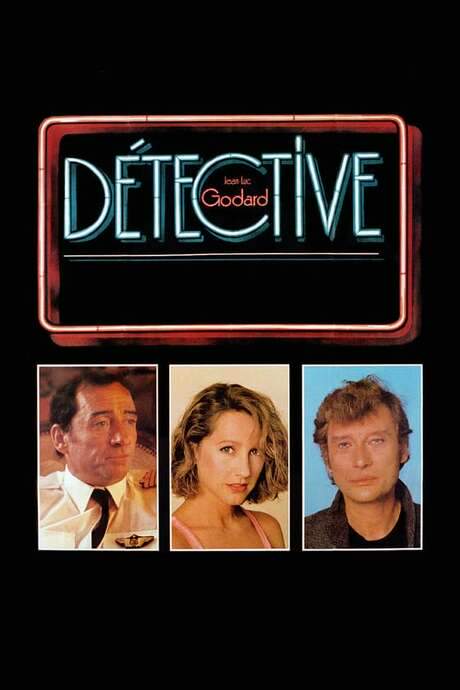
Detective (1985) Complete Plot Breakdown
Police (1985) Spoiler-Packed Plot Recap
Death in a French Garden (1985) Detailed Story Recap
The Thief of Paris (1967) Film Overview & Timeline
Charlie Chan in Paris (1935) Ending Explained & Film Insights
Pierrot le Fou (1965) Detailed Story Recap
Hôtel du Nord (1938) Full Summary & Key Details
Paris Belongs to Us (1961) Plot Summary & Ending Explained
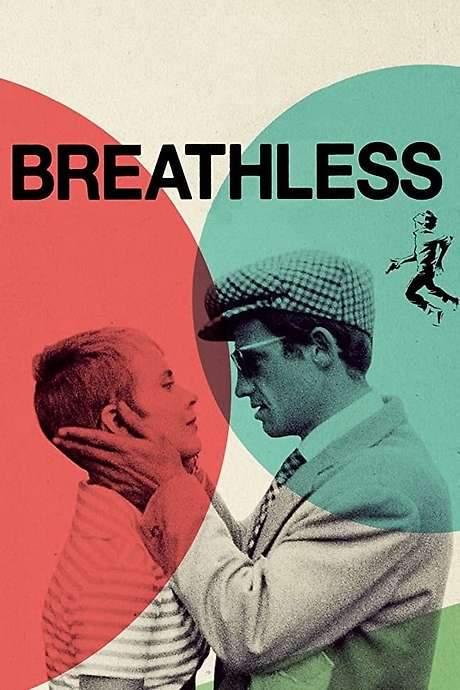
Breathless (1960) Story Summary & Characters
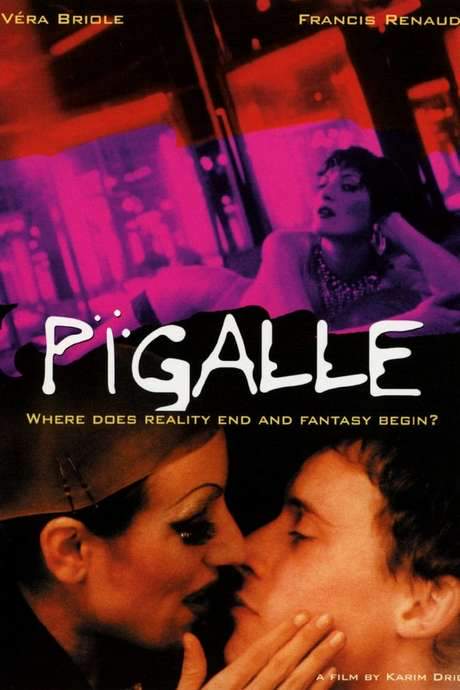
Pigalle (1994) Plot Summary & Ending Explained